
Making a cutting board from wood is a fun and useful project. You get a strong board for your kitchen. Plus, you learn new skills. This guide will show you how to make a wooden cutting board step by step.
Why Make a Wooden Cutting Board?
Wooden cutting boards are good for many reasons:
- They are strong and last a long time.
- Wood is gentle on knives.
- Wood looks nice in any kitchen.
- They can be cleaned and cared for easily.
Making your own board lets you choose the size and style. It is also cheaper than buying a fancy one.

Image: DIY wooden cutting board
What You Will Need
Before you start, get these tools and materials:
| Materials | Tools |
|---|---|
| Wood pieces (hardwood like maple or walnut) | Wood glue |
| Sandpaper (grits 80, 120, 220) | Clamps |
| Food-safe mineral oil or cutting board oil | Saw (hand saw or electric saw) |
| Measuring tape or ruler | |
| Pencil | |
| Sanding block or electric sander (optional) |
Step 1: Choose the Right Wood
Pick hardwood for your cutting board. Good woods are maple, walnut, or cherry. They are strong and safe for food. Avoid soft woods like pine. Soft woods get damaged easily.
Try to find wood without knots or cracks. This makes your board last longer and look better.
Step 2: Cut the Wood Pieces
Decide the size you want for your board. Common sizes are 12 inches by 18 inches. Thickness can be about 1 inch.
Use a saw to cut the wood into strips. Each strip can be 1 to 2 inches wide. Make sure all pieces are the same length.

Image: How to Make a Cutting Board from Wood: Easy DIY Step-by-Step Guide
Step 3: Arrange the Wood Strips
Place the strips side by side on a flat surface. Try different patterns. You can line up the colors or mix them for a design.
Check if the pieces fit tightly. They should not leave big gaps.
Step 4: Glue the Wood Strips Together
Use wood glue to join the strips. Spread glue on the edges of each strip. Press them together firmly.
Use clamps to hold the strips tight. Wipe off extra glue with a damp cloth.
Let the glue dry for at least 1 hour. Better to wait overnight for strong hold.
Step 5: Flatten and Smooth the Board
After the glue dries, remove clamps. The board may look rough.
Use a saw or planer to make edges even. Then, sand the board well.
Start with coarse sandpaper (80 grit) to remove rough spots. Then use medium (120 grit), and finish with fine (220 grit).
Sanding makes the board smooth and safe for hands.
Step 6: Round the Edges
Sharp edges can hurt. Use sandpaper to round all sides and corners.
This step makes the board look nice and feel good.
Step 7: Clean the Board
Wipe the board with a damp cloth. Remove dust and dirt.
Let it dry completely before the next step.
Step 8: Oil the Cutting Board
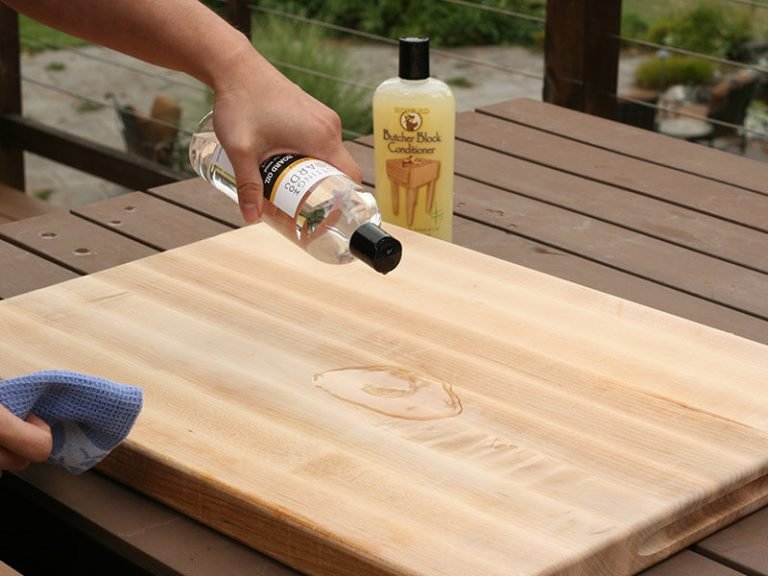
Apply food-safe mineral oil or special cutting board oil. Use a clean cloth or paper towel.
Rub oil all over the board. Let it soak for a few hours or overnight.
Oiling protects the wood and stops it from drying out.
Apply oil again if the board looks dry.
Step 9: Use and Care for Your Cutting Board
Your cutting board is ready! Here are tips to keep it good:
- Wash with warm soapy water after use.
- Do not soak in water or put in a dishwasher.
- Oil the board every few weeks to keep it smooth.
- Use both sides to avoid deep cuts on one side.
Tips for a Better Cutting Board
- Use hardwood for strength and safety.
- Work in a clean and dry place.
- Take your time sanding for a smooth finish.
- Use clamps to keep the wood tight when gluing.
- Always choose food-safe oil for finishing.
Simple Design Ideas for Your Cutting Board
You can make your board look special:
- Use wood strips with different colors.
- Create stripes or check patterns.
- Make a handle hole on one side.
- Burn a small design with a wood burner tool.
Safety Notes
- Wear safety glasses when cutting wood.
- Work carefully with sharp tools.
- Keep your work area clean and clear.
Frequently Asked Questions
What Wood Is Best For Cutting Boards?
Hardwoods like maple, walnut, and cherry are ideal. They are durable and resist knife marks.
How Do I Maintain A Wooden Cutting Board?
Oil it regularly with mineral oil. This prevents drying and cracking.
Can I Use Softwood For A Cutting Board?
Softwoods aren’t recommended. They dent easily and can harbor bacteria.
How Thick Should A Cutting Board Be?
1. 5 to 2 inches thick is ideal. It provides stability and durability.
Conclusion
Making a wooden cutting board is easy and fun. It gives you a useful kitchen tool. You learn new skills and enjoy your work.
Follow these steps carefully. Pick good wood, cut and glue with care. Sand well and oil for protection.
Your homemade cutting board will last for years. It will look great and be safe for food.

I’m Abby Lu, a passionate home cook who loves simplifying everyday meals. At PlugChef.com, I share product reviews and cooking guides to help you find the best tools for your kitchen.
Related posts:
 What Type of Cooking Utensils are Safe: Expert Picks
 What Innovations Could Blenders Make: Unleashing Future Tech
 Smart Strategies to Organize a Small Kitchen: Maximize Space
 How to Organize a Kitchen Cabinet: Expert Tips & Tricks
 How to Organize Kitchen Drawers: Expert Tips and Tricks
 How to Organize a Corner Kitchen Cupboard: Expert Tips