
Do you love baking but find your kitchen cluttered with greasy spatulas and stained pans? Keeping your baking tools and equipment in top shape not only makes your baking experience more enjoyable but also ensures your creations turn out perfectly every time.
Imagine the satisfaction of reaching for your favorite whisk, sparkling clean and ready to use, or pulling out a baking sheet without worrying about old residue affecting your cookies. You’ll discover simple, effective strategies to maintain and clean your baking gear.
With these tips, you’ll keep your kitchen organized and your tools in excellent condition, making your baking adventures even more delightful. Let’s dive in and transform your baking routine!
Essential Baking Tools
Keeping baking tools clean ensures longevity and better results. Wash tools with warm soapy water after each use. Dry thoroughly to prevent rust or bacteria buildup.
Maintaining and cleaning your baking tools and equipment is essential for producing delightful treats consistently. Whether you’re a novice or an expert in the kitchen, having the right tools is crucial. Let’s explore the essential baking tools every baker should consider adding to their collection.Must-have Tools For Every Baker
Every baker needs a reliable set of tools. Mixing bowls are a staple; they come in various sizes and materials such as glass or stainless steel. Consider your storage space and choose accordingly. Measuring cups and spoons are your best friends for precision. A simple mistake in measurement can lead to a baking disaster. Opt for durable materials that can withstand frequent use. A rolling pin is indispensable for perfect pastries and cookies. Choose one that feels comfortable in your hands. If you bake often, it’s worth investing in a high-quality pin. Baking sheets should be sturdy and warp-resistant. Non-stick versions can be helpful, but remember to check their condition regularly.Specialized Tools For Advanced Baking
As you advance, you’ll want to explore tools that allow for more creativity. Pastry bags and tips can elevate your decorating skills. Practicing with different tips will improve your technique. Silicone baking mats offer a non-stick surface for delicate items. They are reusable and easy to clean, making them a favorite among seasoned bakers. A kitchen scale is crucial for precise measurements, especially for recipes requiring weight instead of volume. It ensures consistency in your baked goods. Cooling racks are vital for achieving perfect texture. They prevent sogginess by allowing air to circulate around your baked treats. Consider how often you’ll use these specialized tools. Do they fit your baking style and space? Maintaining and cleaning these tools is equally important. Regular cleaning extends their lifespan and ensures hygiene. What’s your favorite essential baking tool, and how do you keep it in top shape? Share your tips and tricks below!:strip_icc()/202205MB_79357-2143e96dec8642b99fe5e6cd3ec7c6a5.jpg)
Credit: www.bhg.com
Daily Maintenance Tips
Proper care keeps baking tools in top condition. Gently scrub pans and utensils to remove residue. Dry thoroughly to prevent rust and maintain cleanliness. Regular checks ensure equipment lasts longer and performs well.
Maintaining and cleaning your baking tools and equipment daily might sound like a chore, but it’s truly worth it. Not only does it extend the life of your beloved tools, but it also ensures that your baked goodies come out perfect every time. Imagine pulling out a freshly baked pie with a crust that’s just right, thanks to a well-maintained pie tin. It’s not just about cleaning; it’s about preserving the magic of baking. Let’s dive into some daily maintenance tips to keep your equipment in top shape.Proper Storage Practices
After a busy baking session, where do your tools go? Proper storage is key. Avoid stacking pans on top of each other; this can lead to scratches. Use racks or hooks for tools like whisks and spatulas. This keeps them accessible and prevents damage. Ensure your storage area is dry. Moisture can lead to rust or mold, especially with metal and wood items. Have you ever found a rusty baking sheet in your cupboard? That’s a sign that your storage area needs a humidity check.Quick Cleaning After Use
Once the baking is done, the cleaning starts. A quick rinse can save you from scrubbing later. Warm soapy water works wonders for most items. For stubborn residues, baking soda can be your best friend. Sprinkle some on the affected area and scrub lightly. Silicone tools often require less effort—just a rinse and they’re ready for the next use. Leaving tools to soak overnight can sometimes lead to damage, so be cautious with soaking. Do you find yourself skipping the cleaning step after baking? This habit can lead to tougher stains and more work later. Maintaining your baking tools doesn’t have to be an arduous task. With these tips, you’ll find it’s easy to keep your equipment clean and functional. Are there any unique storage or cleaning methods you use daily? Your insights could help others keep their baking tools in prime condition.Deep Cleaning Techniques
Maintaining baking tools requires proper deep cleaning techniques. Use warm, soapy water to remove stubborn residues. Regularly sanitizing ensures longer-lasting equipment and hygienic baking results.
Maintaining and cleaning your baking tools and equipment is crucial for ensuring their longevity and performance. But sometimes, a simple rinse isn’t enough. Deep cleaning techniques are your best friend when it comes to tackling stubborn stains and build-up. These methods not only extend the life of your tools but also ensure your baking results are always top-notch. Let’s dive into some specific techniques for different types of baking tools.Cleaning Metal Tools
Metal tools, like spatulas and whisks, can often accumulate grease and rust. To tackle this, soak them in a mixture of hot water and vinegar. This helps break down the residue effectively. Use a gentle scrubber to remove any remaining grime, ensuring a thorough clean. After cleaning, dry them immediately to prevent rust. Have you ever noticed how quickly moisture can lead to rust? Consider storing your metal tools in a dry place. This simple step can save you from unnecessary replacements.Care For Silicone And Rubber
Silicone and rubber tools are known for their flexibility, but they can trap odors and stains. To deep clean, immerse them in a warm solution of baking soda and water. Baking soda is a natural deodorizer, perfect for eliminating those stubborn smells. Scrub gently with a soft sponge. This prevents damage while ensuring thorough cleaning. Have you tried placing your silicone tools in the dishwasher? It’s an easy way to clean them, but remember to check if they’re dishwasher safe first.Wooden Tool Maintenance
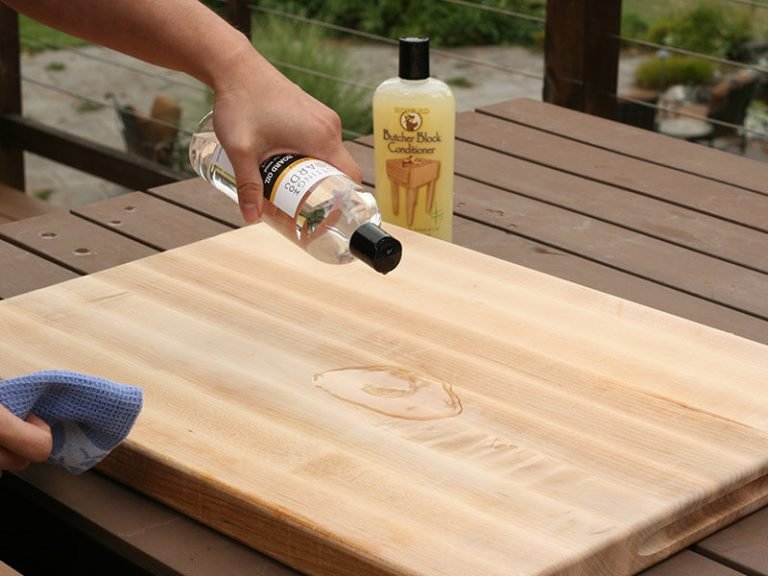
Wooden tools, such as rolling pins and wooden spoons, require special care. They can absorb moisture, leading to cracks and bacterial growth. To deep clean, wipe them with a cloth soaked in a mild soap solution. Avoid soaking them in water as this can lead to warping. Do you oil your wooden tools? Consider applying mineral oil regularly. It helps maintain their quality and prevents drying out. Have you noticed how a well-oiled wooden tool feels smoother and more comfortable to use? Try it out and see the difference. Deep cleaning isn’t just about cleanliness; it’s about enhancing the performance of your baking tools. Are you ready to take your baking game to the next level? With these techniques, you’ll ensure your tools are always in prime condition, ready for your next culinary masterpiece.Handling Stubborn Stains
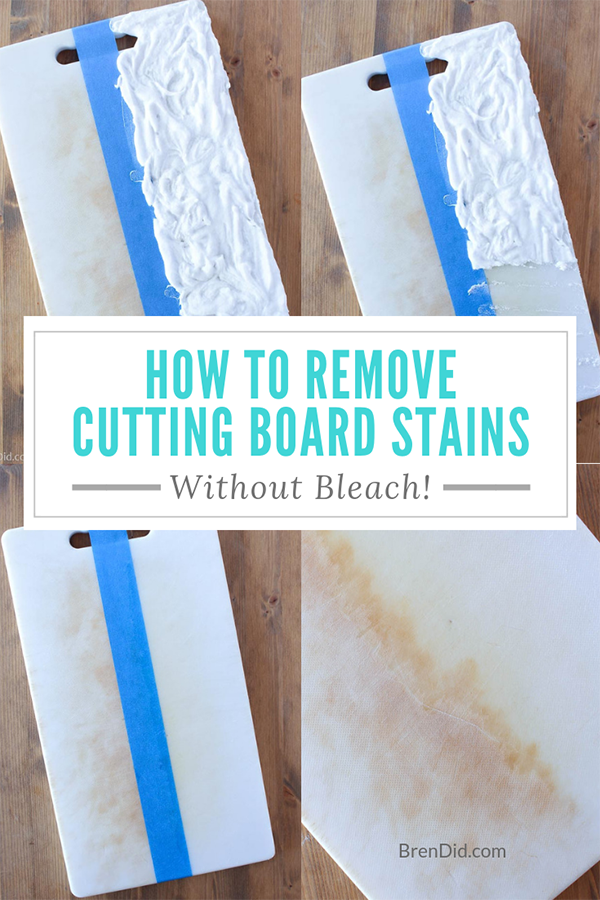
Stubborn stains on baking tools need quick action. Soak them in warm soapy water to loosen grime. Use a soft brush to scrub gently, ensuring all residue is removed without damaging surfaces. Regular cleaning prevents build-up, keeping your equipment ready for the next baking session.
Maintaining and cleaning baking tools and equipment is essential for every home baker. Yet, handling stubborn stains can often feel like a daunting task. Whether it’s the stubborn baked-on residue on your favorite baking sheet or the rust developing on your metal mixing bowls, these challenges can seem insurmountable. But fear not! With the right approach and a little elbow grease, you can tackle these issues and keep your tools in pristine condition. Let’s dive into some practical solutions.Removing Baked-on Residue
Baked-on residue is the bane of every baker’s existence. A simple soak in hot water can do wonders, but sometimes it needs more power. Try using a mixture of baking soda and vinegar for a natural scrub. Apply the paste to the affected area. Then, use a soft brush or sponge to gently scrub away the residue. This method is not only effective but also environmentally friendly. You might be surprised how easily the residue lifts off. Have you tried this? Share your results in the comments below!Dealing With Rust On Metal
Rust on metal tools can be disheartening, but it doesn’t mean the end for your favorite baking equipment. Grab some lemon juice and salt from your pantry. These household items are powerful allies against rust. Sprinkle salt over the rusted area and then squeeze lemon juice on top. Let it sit for a couple of hours. Then scrub the rust away with a scouring pad. Does this method intrigue you? It’s a simple solution that can save your favorite baking tools. Give it a try and let me know if it worked for you! Maintaining your baking tools and equipment isn’t just about keeping them clean; it’s about prolonging their lifespan and enhancing your baking experience. What’s your go-to method for handling stubborn stains? Let’s chat about it!Sanitizing Baking Tools
Clean baking tools are essential for safe food preparation. Proper sanitization prevents contamination. Germs can quickly spread in the kitchen. Regular cleaning keeps tools hygienic. Both natural and chemical sanitizers can be effective. Choose the right method based on your needs.
Using Natural Cleaners
Natural cleaners are safe for baking tools. Vinegar is a popular choice. It has antibacterial properties. Mix vinegar with water for an effective solution. Lemon juice also works well. It cuts through grease and kills germs. Baking soda can remove stains and odors. Combine it with water for a gentle scrub. Natural cleaners are eco-friendly and non-toxic.
When To Use Chemical Sanitizers
Chemical sanitizers are powerful. They can kill a wide range of germs. Use them for deep cleaning. Consider them for tools with heavy grime. Ensure good ventilation when using chemicals. Follow instructions on the label carefully. Rinse tools thoroughly after sanitizing. Avoid using harsh chemicals on delicate surfaces.

Credit: www.cleanipedia.com
Tool Longevity Tips
Proper care extends the life of baking tools and equipment. Gently scrub utensils with mild soap and warm water. Ensure complete drying to prevent rust or mold. Store in a cool, dry place away from moisture. Regular maintenance keeps your baking essentials in top condition, ensuring delicious results every time.
Keeping your baking tools in top condition not only enhances your baking experience but also saves you money in the long run. Proper maintenance and cleaning can significantly extend the life of your equipment. Below are some practical tips to help you achieve this, ensuring your tools serve you well for years to come.Avoiding Common Damages
Avoiding common damages is crucial for extending the life of your baking tools. Always hand wash metal items like whisks and cake tins to prevent rust and warping. Plastic and silicone tools should be kept away from direct heat to avoid melting or deformation. Use a soft cloth or sponge for cleaning to prevent scratches. Do you often stack your baking sheets and pans? Consider using a separator or towel between them to prevent surface scratches.Signs It’s Time To Replace Tools
Sometimes, despite your best efforts, tools may still need replacing. Do your non-stick pans have scratches or chips? This can affect their performance and even pose health risks. If your silicone spatulas are losing their flexibility or have a burnt smell, it might be time for a new one. Wooden tools with deep cracks can harbor bacteria, making them unsafe for food preparation. Keeping an eye out for these signs ensures you maintain a safe and efficient baking environment. What tools in your kitchen might be overdue for an upgrade? By staying attentive, you can make informed decisions about when to invest in replacements. Remember, a little effort in caring for your tools goes a long way. Not only does it keep your kitchen efficient, but it also enhances your baking joy.Storing Baking Tools
Proper storage of baking tools ensures their longevity and efficiency. A well-organized space can make baking more enjoyable. It saves time and protects your tools from damage. Implementing smart storage strategies can enhance your baking experience.
Organizing Your Baking Space
Start with a clear workspace. Remove unnecessary items to create more room. Group similar tools together. Place frequently used tools within easy reach. Use drawer dividers to separate small items like measuring spoons and spatulas. Label containers for quick identification. Consider hanging racks for larger tools like rolling pins. This keeps your countertop clutter-free.
Long-term Storage Solutions
For infrequently used tools, long-term storage is key. Use airtight containers to prevent dust and moisture damage. Store baking sheets vertically to save space. Invest in stackable bins for mixing bowls and baking dishes. Choose a cool, dry place to prevent warping. Avoid storing tools near heat sources. This preserves their shape and integrity.
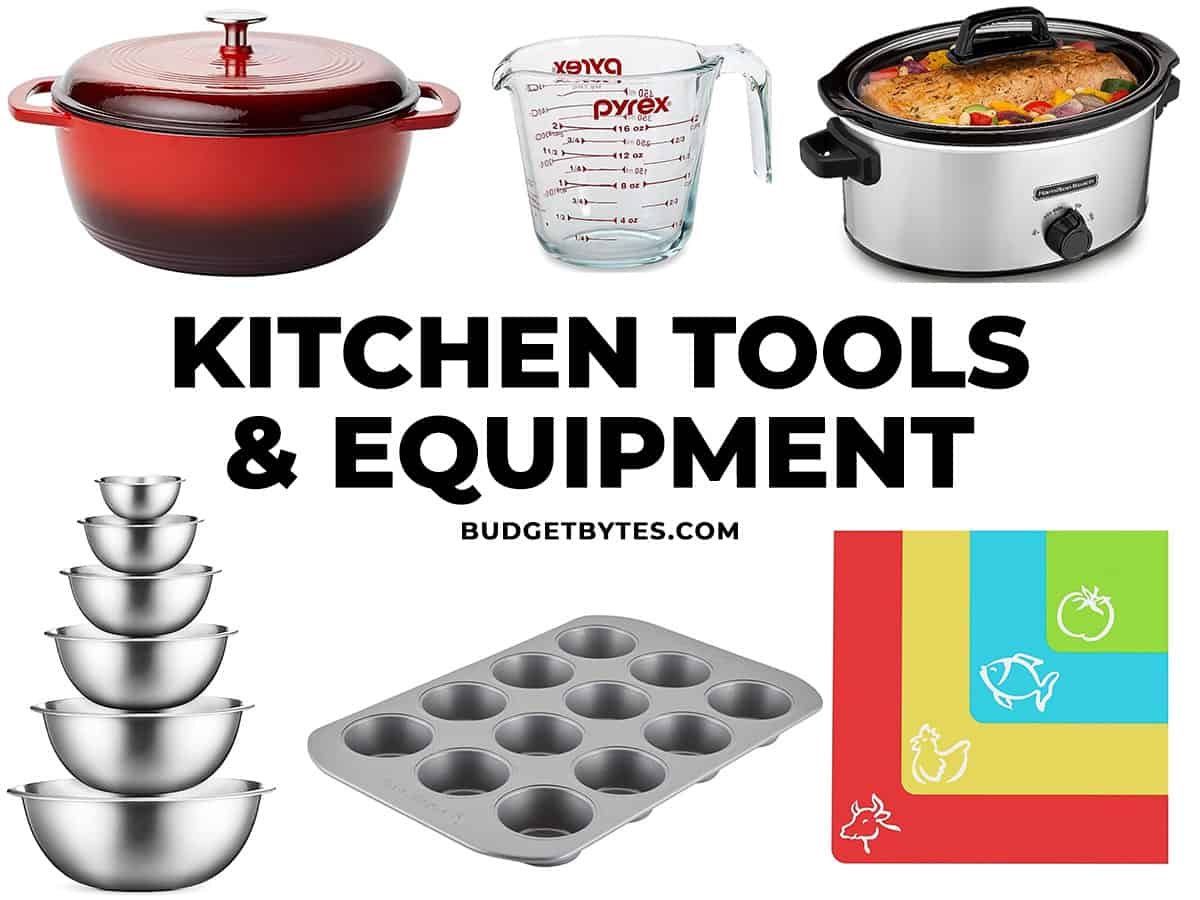
Credit: www.budgetbytes.com
Expert Recommendations
Properly maintaining and cleaning baking tools ensures they last longer and perform better. Use warm, soapy water for most items. Dry thoroughly to prevent rust and damage.
Maintaining and cleaning your baking tools and equipment is essential for producing delicious treats. Expert recommendations can guide you in preserving the quality and longevity of your baking arsenal. With the right advice, you can make informed choices about what to buy and how to take care of it. Let’s dive into some valuable insights and practices that experts swear by.Trusted Brands For Durability
Investing in durable tools can save you both time and money. Brands like KitchenAid and Cuisinart are well-known for their robust products. They often offer warranties that attest to their reliability. High-quality materials like stainless steel and silicone are preferred. These materials resist wear and tear better than plastic. Consider your usage frequency and choose tools that can withstand daily use. Don’t just take my word for it. I once bought a cheap whisk that broke within a month. Since then, I’ve stuck with brands recommended by professionals, and my tools have lasted years.Innovative Tools Worth Trying
Innovation in baking tools can elevate your baking game. Think about trying tools like adjustable measuring cups or silicone baking mats. These items can streamline your process and make cleanup easier. New gadgets can also spark creativity. Consider a rotary grater for chocolate or nuts. It’s not just about convenience; it’s about enhancing your baking experience. Have you ever thought about the time saved by using a digital scale instead of measuring cups? It might seem trivial, but precise measurements make a difference in your recipes. What innovative tools have you tried lately? Taking good care of your baking tools and equipment is more than just a chore. It’s about making smart choices and investing in quality. By following expert recommendations, you can ensure your tools will last, making your baking endeavors more enjoyable and successful.Frequently Asked Questions
How Do We Maintain Baking Tools And Equipment?
Clean baking tools immediately after use with warm soapy water. Dry thoroughly to prevent rust. Regularly inspect for damage. Store in a dry, cool place. Sharpen blades when necessary. Use food-safe oils on wooden utensils to maintain their condition.
How Do You Maintain And Take Care Of Your Tools And Equipment?
Clean tools after each use to remove dirt and debris. Store them in a dry, safe place. Regularly inspect for damage and sharpen blades as needed. Lubricate moving parts to prevent rust. Follow manufacturer’s maintenance instructions for best results.
How Do You Maintain Cooking Tools And Equipment?
Clean tools after each use to remove food residues. Dry them thoroughly to prevent rust. Sharpen knives regularly and store them safely. Oil wooden utensils to maintain quality. Inspect equipment for damage and repair promptly for longevity.
How Should Tools And Equipment Be Cleaned And Maintained?
Clean tools with appropriate cleaners and dry them thoroughly. Regularly check for damage or wear. Lubricate moving parts to ensure smooth operation. Store tools in a cool, dry place. Follow manufacturer’s guidelines for maintenance to prolong their lifespan.
Conclusion
Maintaining clean baking tools ensures they last longer. Proper care prevents rust. Clean tools improve baking results. Rinse immediately after use. Dry thoroughly to avoid moisture damage. Regular cleaning removes food residue. Use gentle soap and warm water. Store tools in a dry place.
Keep them organized for easy access. Check for wear regularly. Replace damaged items promptly. Follow these steps for a hassle-free baking experience. Happy baking!

I’m Abby Lu, a passionate home cook who loves simplifying everyday meals. At PlugChef.com, I share product reviews and cooking guides to help you find the best tools for your kitchen.
Related posts:
 What Type of Cooking Utensils are Safe: Expert Picks
 What Innovations Could Blenders Make: Unleashing Future Tech
 Smart Strategies to Organize a Small Kitchen: Maximize Space
 How to Organize a Kitchen Cabinet: Expert Tips & Tricks
 How to Organize Kitchen Drawers: Expert Tips and Tricks
 How to Organize a Corner Kitchen Cupboard: Expert Tips