

Have you ever looked at your plastic cutting board and wondered how on earth those stubborn stains got there? You’re not alone.
No matter how careful you are, plastic cutting boards seem to attract stains like a magnet. Whether it’s from colorful veggies or juicy meats, those marks can be tough to tackle. But don’t worry; there’s good news. You’re about to discover simple and effective ways to bring your cutting board back to its pristine condition.
Imagine slicing and dicing on a board that looks brand new every time. Intrigued? Keep reading, and soon, those unsightly stains will be nothing more than a distant memory.
Common Stains On Plastic Cutting Boards
Plastic cutting boards often get stained by foods like tomatoes, turmeric, or beets. Removing these stains is easy with baking soda paste or lemon juice. Regular cleaning helps keep the board looking fresh and stain-free.
Plastic cutting boards are kitchen staples. They are practical and easy to clean. But they can show stains after use. Different foods and liquids can leave marks. These stains can make the board look dirty. Let’s explore common stains and how to remove them.
Food-based Stains
Food stains are common on cutting boards. Vegetables like beets leave bright red marks. Fruits such as berries can cause deep stains. Tomato sauces may leave orange tints. These stains can be stubborn. They often soak into the board’s surface. Cleaning them requires a bit of effort.
Beverage Stains
Beverages can also stain plastic boards. Coffee spills can cause brown rings. Tea leaves a similar mark. Wine, especially red, may create dark spots. These stains are often hard to remove. They can linger even after washing. Using a stain remover might help.
Chemical Stains
Cleaning agents can create chemical stains. Some detergents leave residue marks. Harsh cleaners may discolor the board. These stains can change the board’s appearance. They might need special cleaning methods. Avoid using strong chemicals on your cutting board.
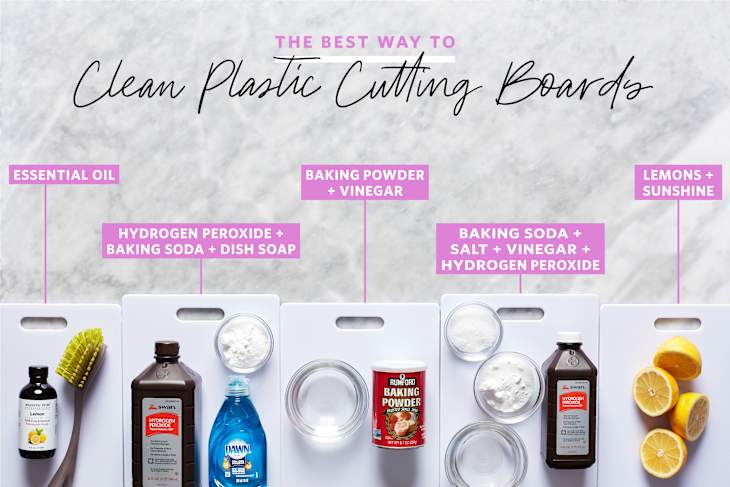
Credit: www.thekitchn.com
Preventing Stains
Keeping plastic cutting boards clean helps prevent stains. Scrub with baking soda and water for tough spots. A vinegar soak can also help remove lingering odors and discoloration.
Preventing stains on plastic cutting boards is crucial for maintaining their longevity and hygiene. Stains can harbor bacteria, affecting food safety. Keeping your cutting board clean and stain-free requires regular care and smart practices. Below are methods to prevent stains effectively.
Proper Cleaning Techniques
Cleaning your cutting board promptly after each use is essential. Use warm water and mild dish soap to wash it thoroughly. Scrub gently with a soft brush to remove food particles. Rinse well to ensure no soap residue remains. This prevents the buildup of stains and bacteria.
Regular Maintenance
Regular maintenance involves periodic deep cleaning. Soak the board in a mixture of vinegar and water once a week. This helps to keep it fresh and odor-free. Dry the board thoroughly to prevent moisture-related issues. Store it in a dry place to avoid mold growth.
Using Protective Coatings
Applying protective coatings can be a game changer. Use food-grade mineral oil to coat the board. This creates a barrier against stains and moisture. Reapply the oil monthly for best results. This practice helps maintain the board’s appearance and functionality.
Natural Cleaning Methods
Plastic cutting boards are essential in any kitchen. They are durable and convenient. Yet, they often collect stubborn stains. Using harsh chemicals can be harmful. Fortunately, natural methods can help. These methods are safe and effective. Let’s explore some of these natural cleaning techniques.
Baking Soda Paste
Baking soda is a powerful natural cleaner. It can remove tough stains. Mix baking soda with water. Create a thick paste. Apply the paste to the stains. Use a soft brush to scrub gently. Leave it for 10 minutes. Rinse with warm water. Repeat if needed. This method cleans without scratching.
Lemon And Salt Scrub
Lemon and salt work wonders together. Cut a lemon in half. Sprinkle salt on the cutting board. Use the lemon to scrub the board. Focus on the stained areas. Let it sit for 5 minutes. Rinse with warm water. The acid in lemon helps bleach stains. Salt provides a gentle abrasive action.
Vinegar Soak
Vinegar is a natural disinfectant. It’s great for cleaning. Fill a basin with equal parts vinegar and water. Submerge the cutting board. Let it soak for 15 minutes. Rinse with cold water. This method helps remove odors too. Repeat weekly for best results.

Credit: southgeorgiastyle.com
Commercial Cleaning Products
Cleaning a plastic cutting board can be a daunting task, especially when stubborn stains refuse to budge. You might have tried scrubbing with soap and water, but some stains need extra muscle. That’s where commercial cleaning products come into play. These products are designed to tackle tough stains and restore your cutting board to its original glory. But how do you choose the right one?
Bleach Solutions
Bleach solutions are powerful allies in the fight against stains. Mixing a small amount of bleach with water can effectively lift stubborn marks. Just be cautious with the amount; too much bleach can damage the plastic. A simple soak for a few minutes can make a significant difference. Ever tried it? It’s surprisingly effective.
Stain Remover Sprays
Stain remover sprays are convenient and easy to use. These sprays are formulated to target specific types of stains, like those from fruits or vegetables. Spray directly onto the stain and let it sit for a few minutes before rinsing. Have you found a particular brand that works wonders? Your experience can guide others in choosing the right spray.
Specialized Cutting Board Cleaners
Specialized cutting board cleaners are designed specifically for your kitchen tools. They often contain ingredients that not only clean but also protect the surface of the cutting board. These cleaners might be more expensive, but they provide peace of mind knowing your board is in good hands. Are you willing to invest in a product that prolongs the life of your cutting board?
Choosing the right cleaning product can save time and effort, and keep your cutting board looking new. So, which product will you try next time? The choice can make all the difference in your kitchen routine.
Deep Cleaning Techniques
Plastic cutting boards are essential tools in the kitchen. They often end up stained from various foods. Deep cleaning techniques can help restore their pristine condition. These methods can effectively remove stubborn stains and odors.
Boiling Water Treatment
Boiling water is a powerful tool for cleaning. Pour it over the cutting board to loosen stains. The heat helps break down grime and bacteria. Scrub the surface gently with a brush. Rinse the board with cool water after scrubbing.
Hydrogen Peroxide Application
Hydrogen peroxide is a natural bleach. It is excellent for brightening stained surfaces. Apply it directly to the stained areas of the board. Let it sit for a few minutes. Scrub the board with a sponge. Rinse thoroughly with water to remove residue.
Dishwasher Cleaning
The dishwasher provides a thorough cleaning. Place the cutting board in the dishwasher’s top rack. Use a regular cycle with hot water. Ensure no other items block water flow. The heat and detergent effectively remove stains and odors.
Long-term Care And Maintenance
Plastic cutting boards often collect stubborn stains from food. Baking soda mixed with water can gently scrub away discoloration. Lemon juice acts as a natural bleach, helping restore the board’s original color. Regular maintenance ensures hygiene and longevity.
Maintaining a plastic cutting board involves more than just cleaning after use. Proper care ensures it lasts longer and stays hygienic. By following the right maintenance steps, you can keep your cutting board in good shape. Here are some key aspects of long-term care and maintenance.
Regular Disinfection
Disinfect your cutting board regularly to prevent bacteria buildup. Vinegar is an effective natural disinfectant. Wipe the board with white vinegar after washing. Allow it to air dry completely. For deeper cleaning, use a mixture of baking soda and water. Scrub the board gently, then rinse with warm water. Dry it thoroughly to avoid moisture buildup.
Periodic Replacement
Plastic cutting boards wear out over time. Deep grooves can harbor bacteria. Inspect your board for excessive wear and tear. Replace it if it has deep cuts. A smooth surface is essential for hygiene. Regular replacement ensures safety and cleanliness in your kitchen.
Storage Tips
Proper storage extends the life of your cutting board. Keep it in a dry place. Avoid stacking wet boards, as this can promote bacterial growth. Use a rack or stand to allow air circulation. Ensure it’s completely dry before storing to prevent mold. A well-ventilated area keeps your board in top condition.
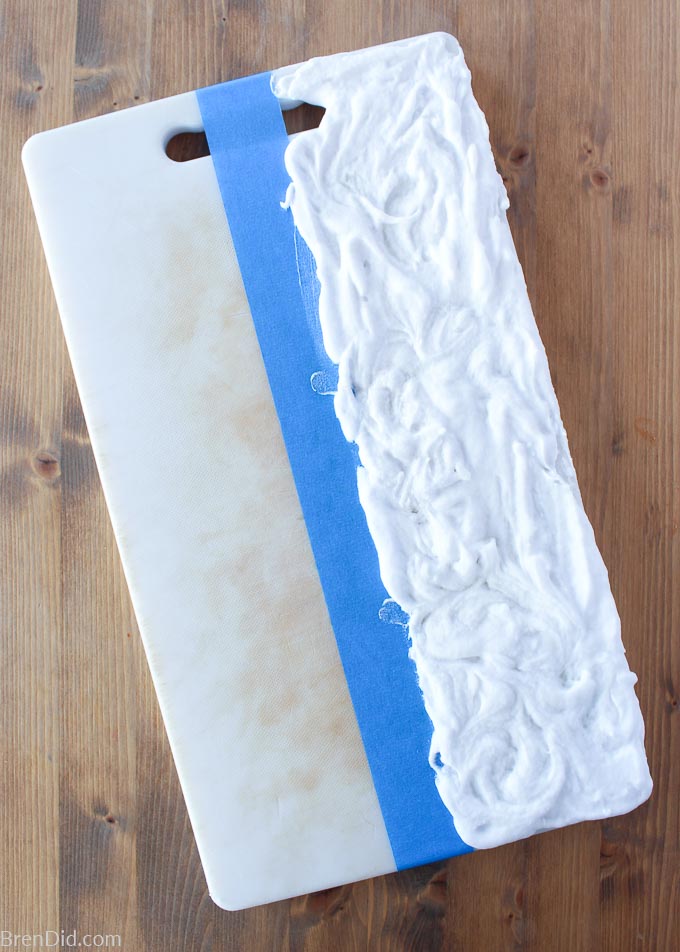
Credit: brendid.com
Frequently Asked Questions
How To Get A Stain Out Of A Plastic Cutting Board?
Apply a paste of baking soda and water on the stain. Scrub gently with a sponge. Rinse thoroughly with warm water. Repeat if necessary for stubborn stains.
How Do You Remove Tough Stains From Plastic?
Use a mixture of baking soda and water to form a paste. Apply it to the stain and scrub gently. Rinse thoroughly with water. For stubborn stains, use white vinegar or rubbing alcohol on a cloth to wipe the area.
Always test a small spot first.
Is It Safe To Use Bleach On A Plastic Cutting Board?
Yes, using bleach on a plastic cutting board is safe. Dilute bleach with water for effective disinfection. Rinse thoroughly after use to remove any residue. Regular cleaning with bleach helps maintain hygiene and prevent bacterial growth on the cutting board surface.
How Do You Get Stains Out Of Plastic Trim?
Clean plastic trim stains with a mixture of baking soda and water. Gently scrub with a soft cloth. Rinse thoroughly with water. Dry with a clean towel to prevent streaks. For tough stains, use a specialized plastic cleaner. Always test on a small area first to ensure no damage.
Conclusion
Keeping your plastic cutting board stain-free is simple. Use baking soda or vinegar. Both work well. Let them sit on stains. Scrub gently. Rinse with water. Dry thoroughly before storing. Regular cleaning prevents stains. It also keeps your board fresh.
You can enjoy cooking more. Clean tools make cooking fun. Remember, the right care extends your cutting board’s life. A clean board is a happy board. Try these tips today. Keep your kitchen tidy and inviting. Your cutting board will thank you!

I’m Abby Lu, a passionate home cook who loves simplifying everyday meals. At PlugChef.com, I share product reviews and cooking guides to help you find the best tools for your kitchen.
Related posts:
 What Type of Cooking Utensils are Safe: Expert Picks
 What Innovations Could Blenders Make: Unleashing Future Tech
 Smart Strategies to Organize a Small Kitchen: Maximize Space
 How to Organize a Kitchen Cabinet: Expert Tips & Tricks
 How to Organize Kitchen Drawers: Expert Tips and Tricks
 How to Organize a Corner Kitchen Cupboard: Expert Tips
