

Are you tired of bacon going bad before you get a chance to enjoy it? Freezing bacon strips is a simple trick that can save you money and keep your meals delicious anytime.
Imagine having perfectly fresh bacon ready whenever you want, without rushing to the store. In this guide, you’ll learn easy steps to freeze bacon so it stays fresh, tasty, and hassle-free. Keep reading, and you’ll never waste bacon again!
Choosing Bacon For Freezing
Choosing the right bacon for freezing can make a big difference in taste and texture when you defrost it later. Not all bacon handles freezing the same way, so knowing which types freeze best will save you time and avoid waste. Let’s look at what kinds of bacon work well for freezing and how to check if your bacon is fresh enough to freeze.
Types Of Bacon Suitable For Freezing
Most bacon varieties freeze well, but some hold up better than others. Thick-cut bacon is a great choice because it maintains its texture after thawing. You might find that thinner slices become too soft or crumbly once frozen.
Smoked bacon also tends to keep its flavor nicely through freezing. Avoid bacon with extra seasoning or glazes since these can change in flavor or texture after freezing.
- Regular sliced bacon (preferably thick-cut)
- Smoked bacon without added sauces
- Uncooked bacon strips rather than pre-cooked or microwavable bacon
Have you ever noticed how some bacon loses its crispness after freezing? That’s often due to the cut or curing method. Choosing the right type can prevent this disappointment.
Checking Freshness Before Freezing
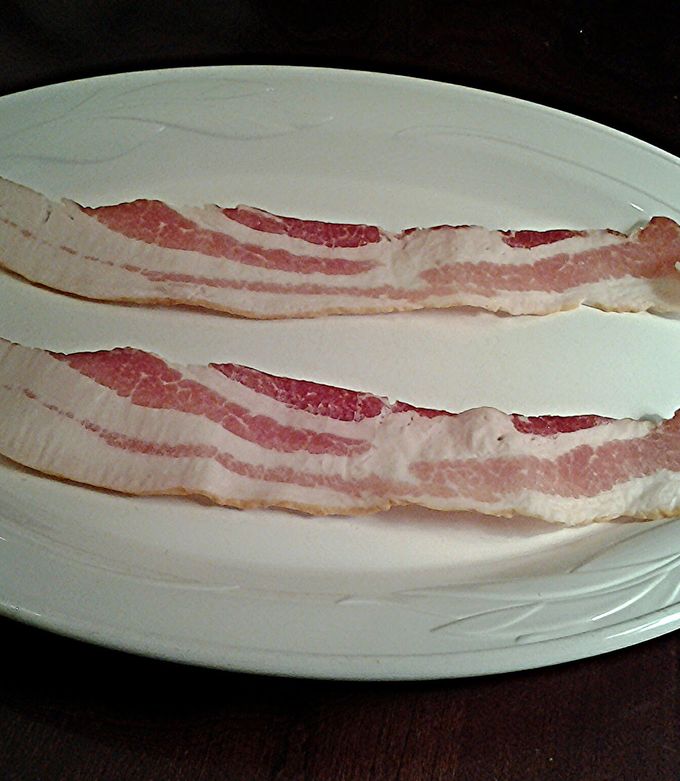
Freezing won’t improve bacon’s quality, so always check for freshness before you freeze it. Look for firm, pinkish meat with white or slightly yellow fat. Avoid bacon that looks slimy or has an off smell.
Check the expiration date on the package too. If your bacon is near or past that date, freezing won’t make it safe to eat later.
- Inspect the color and texture closely
- Smell for any sour or rancid odors
- Check packaging for any tears or leaks that could have exposed the bacon to air
Have you ever frozen bacon only to find it spoiled after thawing? It’s usually due to freezing bacon that wasn’t fresh to begin with. Taking a few extra seconds to check can save you from that unpleasant surprise.

Credit: dianesfoodblog.com
Preparing Bacon For Freezing
Preparing bacon for freezing is a simple step that can save you a lot of time and mess later. Handling it the right way before freezing ensures each strip stays separate and doesn’t freeze into a solid block. This makes it easier to grab exactly how much you need without thawing the whole batch.
Separating Individual Strips
Before freezing, separate each bacon strip carefully. If you leave the strips together, they will stick and become difficult to pull apart once frozen.
Lay the bacon out flat on a clean surface or cutting board. Use a butter knife or your fingers to gently peel the strips apart, making sure none are overlapping.
Have you noticed how frustrating it is to thaw an entire package just to use one or two slices? Separating them now means you avoid that hassle later.
Using Paper Towels To Reduce Moisture
Excess moisture can cause freezer burn and make bacon soggy when thawed. To prevent this, pat each strip dry with paper towels before freezing.
Place a few strips on a layer of paper towels and gently press another towel on top. This absorbs surface grease and water, keeping the bacon fresh longer.
Think about how much better crispy bacon tastes compared to soggy slices. Removing moisture helps keep that perfect texture even after freezing.
Packaging Methods
Place bacon strips flat on a baking sheet and freeze until solid. Wrap tightly in plastic wrap or foil, then store in a freezer bag to prevent freezer burn. Label with the date for easy tracking.
Storing bacon properly in the freezer ensures its freshness and flavor when you’re ready to cook. The key to success lies in choosing the right packaging method. Whether you’re looking to save space, preserve taste, or extend shelf life, understanding different packaging techniques can make all the difference.Wrapping Techniques
Wrapping bacon strips individually or in small batches can be incredibly effective. Use wax paper or parchment paper to separate each strip. Then, wrap them tightly in aluminum foil. This method prevents the strips from sticking together and makes it easy to grab the exact amount you need. If you’re like me, you appreciate the convenience of pulling out just a few strips for breakfast without having to defrost the whole package. It might take a little extra time upfront, but it pays off when you’re in a hurry.Using Airtight Containers And Bags
Airtight containers and resealable plastic bags are another excellent choice. Place your bacon strips in a single layer or slightly overlapping, then seal them tightly. This method minimizes exposure to air, helping to prevent freezer burn. Airtight containers can be reused, making them an environmentally friendly choice. Plus, they stack neatly in your freezer, saving space and keeping things organized.Vacuum Sealing Benefits
Vacuum sealing offers the ultimate protection for your bacon. By removing air, it significantly extends the bacon’s freezer life while maintaining its quality. If you have a vacuum sealer at home, this is a great option to consider. Imagine being able to enjoy perfectly preserved bacon months down the line, tasting as fresh as the day you bought it. It’s a small investment in equipment that yields big rewards in flavor and freshness. How do you plan to store your bacon? Are you willing to invest in a vacuum sealer, or do you prefer more traditional methods?Freezing Process
Freezing bacon strips preserves their freshness and flavor for longer periods. Proper freezing stops bacteria growth and slows down spoilage. Preparing bacon correctly before freezing helps maintain texture and taste. Follow clear steps to freeze bacon efficiently.
Optimal Freezer Settings
Set the freezer temperature at 0°F (-18°C) or below. This keeps bacon safe and fresh. Avoid frequent opening of the freezer door. It prevents temperature changes that can affect the bacon’s quality.
Use airtight packaging to avoid freezer burn. Wrap bacon strips in plastic wrap or aluminum foil. Then place them inside a freezer-safe bag or container. Remove as much air as possible before sealing.
Freezing Duration For Best Quality
Bacon stays best for one to two months in the freezer. Beyond this, quality can decline, but it remains safe to eat. Label the package with the freezing date to track storage time.
For longer storage, consider vacuum sealing. It helps keep bacon fresh for up to six months. Always thaw frozen bacon in the refrigerator before cooking.
Thawing Bacon Safely
Thawing bacon safely preserves its taste and texture. It also reduces the risk of foodborne illness. Proper thawing keeps bacon fresh and ready for cooking.
Refrigerator Thawing
Place frozen bacon in the fridge for slow thawing. Keep it in its packaging or a sealed container. This method takes several hours or overnight. It keeps bacon at a safe, constant temperature. Use thawed bacon within a week for best quality.
Quick Thawing Options
For faster thawing, use cold water or microwave methods. Seal bacon in a leak-proof bag for cold water thawing. Change the water every 30 minutes until thawed. To microwave, use the defrost setting in short intervals. Check bacon often to avoid cooking edges.
Avoiding Refreezing
Do not refreeze bacon after thawing. Refreezing harms texture and safety. Cook leftover bacon before freezing again. Store cooked bacon in an airtight container. Freeze it for up to one month.
Cooking Tips For Frozen Bacon
Cooking frozen bacon strips is easy and saves time. Knowing the right tips helps keep the bacon tasty and crispy. These cooking tips will guide you through the best ways to cook frozen bacon without losing flavor or texture.
Cooking From Frozen
Place frozen bacon strips in a cold skillet. Cook on low heat to allow even thawing. Flip the strips often to avoid burning. Cooking frozen bacon takes a few extra minutes. Avoid high heat, which can cook the outside too fast. Use a non-stick pan for easy cleanup.
Maintaining Flavor And Texture
Drain excess fat during cooking to keep bacon crispy. Pat cooked bacon with paper towels to remove extra grease. Do not overcrowd the pan; cook in batches if needed. Add a small splash of water to the pan to prevent burning. This helps bacon cook evenly and stay juicy.
Common Mistakes To Avoid
Freezing bacon strips can save time and reduce waste. Yet, many make simple mistakes that spoil the bacon’s taste and texture. Avoid these errors to keep your bacon fresh and tasty after freezing.
Freezing Bacon In Large Blocks
Stacking bacon strips without separation causes them to freeze as one big block. This makes it hard to thaw only what you need. It also takes longer to defrost. Instead, freeze strips flat and separated.
Ignoring Moisture Control
Moisture on bacon before freezing leads to ice crystals. These crystals damage the meat’s texture and flavor. Pat bacon dry with paper towels before freezing. Removing extra moisture helps keep bacon crisp and fresh.
Using Improper Packaging
Using plastic wrap or bags that are not airtight lets air reach the bacon. Air causes freezer burn, which ruins taste and texture. Use freezer-safe bags or vacuum-sealed packs. Remove as much air as possible before sealing.

Credit: parade.com
Credit: cookpad.com
Frequently Asked Questions
How Do I Freeze Bacon Strips Properly?
To freeze bacon strips, separate them using parchment paper. Place strips in a single layer on a baking sheet. Freeze until solid, then transfer to a sealed freezer bag. This prevents sticking and keeps bacon fresh for up to one month.
Can I Freeze Cooked Bacon Strips?
Yes, cooked bacon strips can be frozen. Cool the strips completely, then layer with parchment paper. Store in an airtight container or freezer bag. Use within 1-2 months for best taste and texture.
How Long Can Bacon Strips Stay Frozen?
Frozen bacon strips maintain quality for up to one month. Beyond that, flavor and texture may decline. Always store bacon in an airtight container or vacuum-sealed bag to prevent freezer burn.
Should I Thaw Bacon Strips Before Cooking?
It’s best to thaw bacon strips in the refrigerator overnight. This ensures even cooking and maintains texture. If short on time, cook bacon strips directly from frozen but expect longer cooking time.
Conclusion
Freezing bacon strips keeps them fresh for longer time. Wrap each strip well to avoid freezer burn. Label the package with the date for easy tracking. Thaw bacon safely in the fridge before cooking. This method saves money and reduces food waste.
Enjoy ready-to-use bacon anytime you want. Simple steps make meal prep quicker and easier. Try freezing bacon to keep your kitchen organized.

I’m Abby Lu, a passionate home cook who loves simplifying everyday meals. At PlugChef.com, I share product reviews and cooking guides to help you find the best tools for your kitchen.
Related posts:
 What Type of Cooking Utensils are Safe: Expert Picks
 What Innovations Could Blenders Make: Unleashing Future Tech
 Smart Strategies to Organize a Small Kitchen: Maximize Space
 How to Organize a Kitchen Cabinet: Expert Tips & Tricks
 How to Organize Kitchen Drawers: Expert Tips and Tricks
 How to Organize a Corner Kitchen Cupboard: Expert Tips

