
Have you ever accidentally burnt your favorite pan and felt frustrated about the tough stains left behind? You’re not alone.
A burnt pan can make cooking a hassle and cleaning seem impossible. But don’t give up on your pan just yet. You’ll discover simple, effective ways to bring your burnt pan back to life. With a few easy steps, you can save your cookware and get back to cooking without worry.
Keep reading—you’ll be surprised at how easy it is to fix that burnt pan!
Credit: www.rd.com
Causes Of Pan Burning
Burnt pans are a common kitchen problem that can ruin meals and waste ingredients. Understanding what causes pans to burn helps prevent damage and keeps cooking smooth. Several factors play a role in how and why pans get burnt.
Common Mistakes While Cooking
Using too high heat is a leading cause of burnt pans. Flames or burners set to maximum can quickly overheat the pan surface. Leaving food unattended also causes burning. Stirring infrequently or not at all lets food stick and char. Using the wrong type or amount of oil can worsen burning. Some oils burn faster than others and leave residue. Overcrowding the pan reduces heat circulation, causing uneven cooking and burn spots.
Types Of Pans Prone To Burning
Not all pans handle heat equally. Some materials burn food easier than others. Nonstick pans can burn if overheated, damaging the coating. Stainless steel pans heat unevenly and often cause sticking if not preheated properly. Cast iron pans retain heat but require seasoning to prevent food from sticking and burning. Thin pans heat quickly and may burn food faster than thicker ones. Knowing your pan type helps manage heat and avoid burns.
Safety Tips Before Cleaning
Cleaning a burnt pan requires care to avoid injuries. Safety is the top priority before starting any cleaning process. Pans can stay hot for a long time. Touching them too soon can cause burns. Preparing yourself with the right knowledge and tools helps prevent accidents. Here are important safety tips to follow before cleaning your burnt pan.
Handling Hot Pans
Never try to clean a pan while it is still hot. Hot pans can cause serious burns. Let the pan cool down completely. Place it on a stable surface away from edges. Avoid sudden temperature changes that can crack the pan. Handle the pan gently to prevent spills or drops. Always check the pan’s temperature with care before touching it.
Using Protective Gear
Wear gloves to protect your hands from heat and chemicals. Use thick, heat-resistant gloves for the best safety. If you use strong cleaning products, wear rubber gloves to avoid skin irritation. Consider wearing an apron to protect your clothes. Eye protection can help if you use harsh cleaners or scrubbing tools. These simple gear choices keep you safe during the cleaning process.
Basic Cleaning Methods
Burnt pans can be frustrating. Cleaning them might seem impossible. Yet, basic cleaning methods offer simple solutions. Restore your pan’s shine with household items. Let’s explore effective ways to tackle this task.
Soaking And Scrubbing
Start with hot water. Fill the burnt pan halfway. Let it soak for 30 minutes. This loosens burnt residue. After soaking, use a sponge. Scrub gently in circular motions. Focus on stubborn spots. Avoid metal scrubbers to prevent scratches. Rinse thoroughly with water.
Using Baking Soda And Vinegar
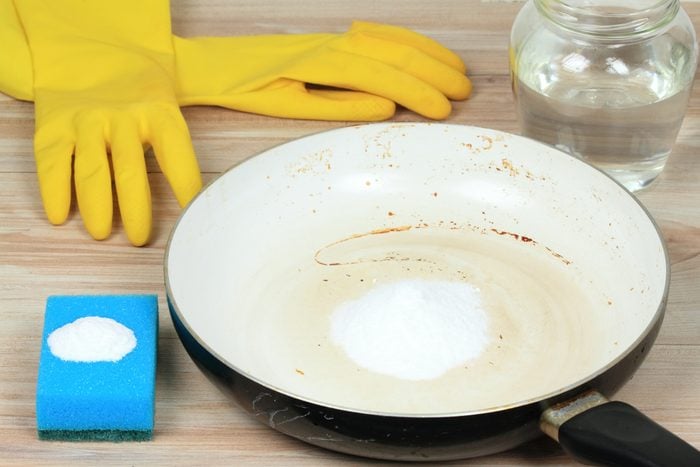
Baking soda is a powerful cleaner. Sprinkle it over burnt areas. Add a splash of vinegar. It will fizz and bubble. This reaction helps lift burnt bits. Let it sit for 15 minutes. Then, scrub with a sponge. Wash away remaining residue. Enjoy your clean, shiny pan.
Advanced Restoration Tricks
Advanced restoration tricks help remove tough burnt stains from pans. These methods go beyond simple scrubbing and use common household items. They save time and effort. Your pan will look almost new after treatment.
Boiling Water And Detergent
Fill the burnt pan with enough water to cover the burnt area. Add a few drops of dish detergent. Bring the water to a boil on medium heat. Let it boil for 10-15 minutes. The heat and detergent soften the burnt layers. Turn off the stove and let the water cool down. Use a sponge to scrub away loosened burnt spots. Rinse the pan well with clean water.
Applying Salt And Lemon Juice
Sprinkle a thick layer of salt over the burnt section of the pan. Cut a lemon in half and squeeze the juice onto the salt. Use the lemon half to scrub the mixture across the burnt area. The salt works as a gentle abrasive. Lemon juice helps break down burnt residue naturally. Let the mixture sit for 10 minutes. Rinse the pan with warm water and dry it with a clean cloth.
Special Techniques For Different Materials
Different pan materials need different care to fix burnt marks. Using the right technique keeps your pans safe and effective. Avoid harsh scrubbing that can damage the surface. Choose methods that suit the pan’s material for the best results.
Fixing Burnt Stainless Steel Pans
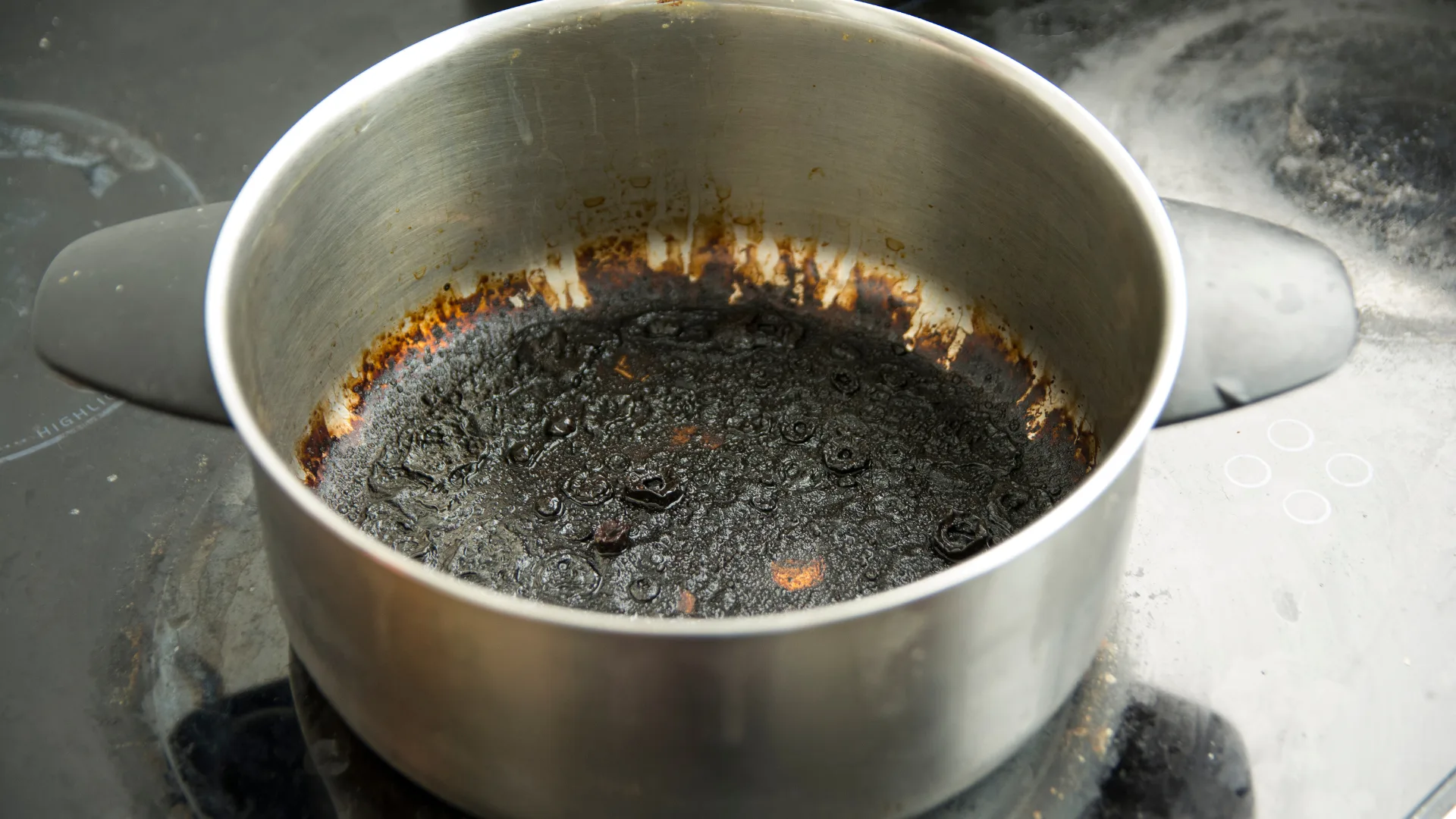
Stainless steel pans are tough but can stain easily. Fill the pan with water and add a few tablespoons of baking soda. Boil the mixture for 10-15 minutes. Let it cool, then scrub gently with a soft sponge. For stubborn stains, use a paste of baking soda and water. Apply it and leave for 30 minutes before scrubbing.
Restoring Non-stick Cookware
Non-stick pans need gentle cleaning to protect the coating. Fill the pan with warm water and a little dish soap. Let it soak for 15-20 minutes. Use a soft cloth or sponge to wipe away burnt food. Avoid abrasive scrubbers or harsh chemicals that can damage the surface. For tough spots, mix equal parts water and vinegar. Heat the mixture in the pan, then wipe clean.
Cleaning Cast Iron Pans
Cast iron pans require special care to keep their seasoning. Use hot water and a stiff brush to remove burnt bits. Avoid soap to protect the seasoning layer. For stuck-on food, sprinkle coarse salt and scrub gently. Dry the pan fully and apply a thin layer of oil to prevent rust. Heat the pan on low for a few minutes to seal the oil.
Credit: www.bhg.com.au
Preventing Future Burnt Pans
Preventing future burnt pans is all about adopting smart kitchen habits that protect your cookware and save you time and frustration. A few simple changes in how you use and care for your pans can make a huge difference. The key is to be proactive rather than reactive, ensuring your pans stay in great shape for every meal.
Proper Heat Control
Heat is often the culprit behind burnt pans. Using high heat unnecessarily can cause food to stick and burn quickly. Instead, try cooking on medium or low heat, especially when simmering sauces or frying delicate items.
Think about the last time you burned a pan—were you rushing or distracted? Slowing down and adjusting the heat can prevent that problem. Also, preheat your pan gradually rather than blasting it with full heat immediately.
Non-stick pans especially need gentle heat. High temperatures can damage their coating, making burning more likely. Ask yourself: could lowering the heat help you cook more evenly and avoid burnt residue?
Regular Maintenance Tips
Keeping your pans clean and well-maintained is crucial. After each use, soak and scrub your pans gently to remove leftover food particles that can burn next time. Avoid abrasive cleaners that scratch surfaces, especially on non-stick or coated pans.
Occasionally, season cast iron or carbon steel pans to build a natural non-stick layer. This simple step improves performance and reduces sticking. Have you checked your pans lately for signs of wear or damage? Taking care of them early prevents bigger problems down the road.
Store your pans properly too. Avoid stacking them carelessly, which can cause scratches and uneven heating surfaces. Using pan protectors or hanging them can keep them in top condition longer.
When To Replace Your Pan
Knowing when to replace a burnt pan saves time and effort. Some pans can be restored, but others need replacement. Use these tips to decide if your pan still serves you well or if it’s time for a new one.
Signs Of Irreparable Damage
- Deep scratches or gouges on the cooking surface
- Warped or uneven base causing unstable cooking
- Non-stick coating peeling or flaking off
- Burn marks that won’t come off with cleaning
- Rust spots spreading across the pan
- Handles loose or broken beyond repair
Such damage affects cooking quality and safety. Pans with these issues may release harmful substances or cook food unevenly.
Choosing Durable Cookware
- Select pans made from stainless steel or cast iron
- Look for thick bases to prevent warping
- Opt for pans with high-quality non-stick coatings
- Check for sturdy, well-attached handles
- Consider cookware with good heat distribution
Durable pans last longer and handle heat better. Investing in quality cookware reduces the chance of future damage.
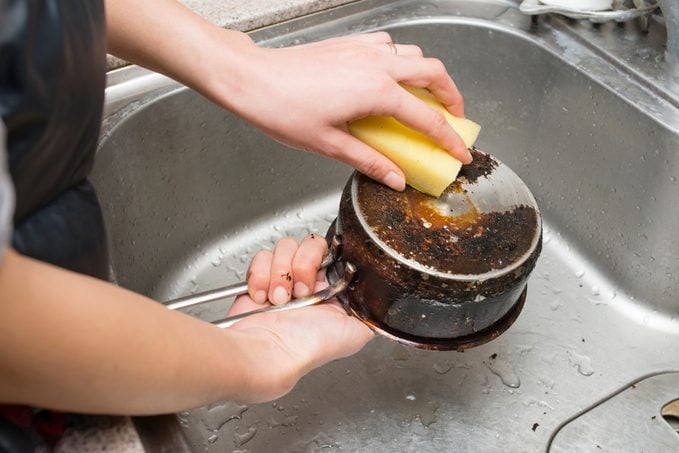
Credit: www.familyhandyman.com
Frequently Asked Questions
How Do I Remove Burnt Residue From A Pan?
To remove burnt residue, soak the pan in warm soapy water for 30 minutes. Scrub gently with a non-abrasive sponge. For tough stains, use baking soda and vinegar paste to lift the burnt bits effectively.
Can Baking Soda Clean A Burnt Pan Effectively?
Yes, baking soda is excellent for cleaning burnt pans. Sprinkle it over the burnt area, add vinegar or water, then let it fizz. After 15 minutes, scrub gently to remove burnt stains without damaging the pan surface.
Is It Safe To Use Vinegar On Burnt Pans?
Vinegar is safe and effective for burnt pans. It helps break down burnt food and grease. Mix vinegar with baking soda or water, soak the pan, and scrub to restore your pan’s cleanliness safely.
How Long Should I Soak A Burnt Pan?
Soak a burnt pan for at least 30 minutes to loosen debris. For severe burns, soaking overnight improves results. This softens the burnt residue, making it easier to clean without heavy scrubbing.
Conclusion
Burnt pans can be fixed with simple home methods. Use baking soda, vinegar, or salt to scrub off stains. Avoid harsh tools that can damage the pan. Regular cleaning prevents tough burns later. Taking care of your pans saves money and time.
Try these easy steps to bring your pan back to life. Cooking will feel better with clean, well-maintained pans. Keep your kitchen tools ready for your next meal.

I’m Abby Lu, a passionate home cook who loves simplifying everyday meals. At PlugChef.com, I share product reviews and cooking guides to help you find the best tools for your kitchen.
Related posts:
 What Type of Cooking Utensils are Safe: Expert Picks
 What Innovations Could Blenders Make: Unleashing Future Tech
 Smart Strategies to Organize a Small Kitchen: Maximize Space
 How to Organize a Kitchen Cabinet: Expert Tips & Tricks
 How to Organize Kitchen Drawers: Expert Tips and Tricks
 How to Organize a Corner Kitchen Cupboard: Expert Tips