

Cracking into a boiled crab can feel tricky if you don’t know the right steps. But once you learn how to eat boiled crab the easy way, you’ll unlock a delicious, satisfying experience every time.
Imagine savoring sweet, tender meat without the struggle or mess. In this guide, you’ll discover simple tips and tricks that make eating boiled crab fun and effortless. Ready to impress your friends or just enjoy your meal more? Keep reading, and you’ll master the art of eating boiled crab like a pro.

Credit: www.youtube.com
Choosing Fresh Crab
Choosing fresh crab is the key to enjoying a delicious boiled crab meal. Freshness affects not only the taste but also the texture and safety of your dish. Knowing what to look for can transform your crab-eating experience and keep you coming back for more.
Signs Of Freshness
Start by checking the crab’s smell. It should have a clean, ocean-like scent, not a strong fishy or ammonia odor.
Look at the crab’s shell. A fresh crab has a hard, intact shell without cracks or soft spots. Bright and vibrant color is another good indicator.
Touch the crab. It should feel heavy for its size, meaning it’s full of meat. Limp or dry legs suggest the crab is old or not fresh.
Ask your fishmonger if the crab was caught recently. Crabs kept alive until cooking are usually fresher and tastier.
Types Of Crabs To Boil
Different crabs offer unique flavors and textures. Choose the type that suits your taste and cooking style.
- Blue Crab:Popular on the East Coast, they have sweet, tender meat. They cook quickly and are perfect for a light boil.
- Dungeness Crab:Known for its large size and rich meat, this crab is common on the West Coast. It holds up well to boiling and pairs nicely with butter.
- King Crab:Expensive but worth it for special occasions. Its thick legs have a firm texture and sweet taste.
- Snow Crab:Slightly sweeter and less dense than king crab. Ideal if you want a milder crab flavor.
Have you ever considered how the type of crab you choose changes your whole meal? Next time you shop, think about which crab will best fit your cooking plans and flavor preferences.
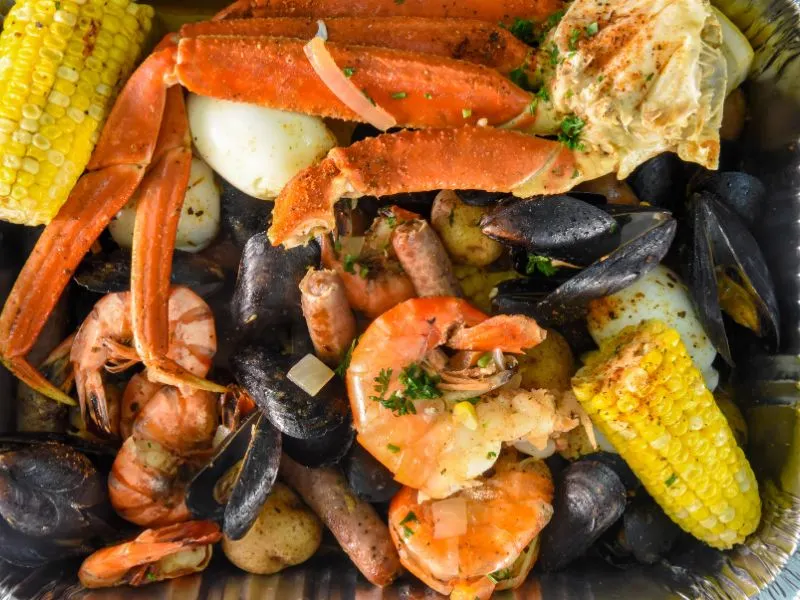
Credit: www.ncseafood.com
Preparing The Crab
Preparing the crab is an important part of enjoying this seafood. It ensures the crab is clean and ready to eat. This step helps remove any dirt or impurities. It also lets you add flavors if you want. Proper preparation makes your crab taste fresh and delicious.
Cleaning The Crab
Start by rinsing the crab under cold water. Use a brush or cloth to scrub the shell gently. Remove the top shell by lifting it from the back. Take out the gills and any soft parts inside. Rinse the inside of the crab to clean it well. This removes any sand or dirt trapped inside. Pat the crab dry with a paper towel before cooking.
Optional Seasoning Tips
Add seasoning to boost the crab’s flavor. Try sprinkling salt and pepper over the crab. You can also use garlic powder or lemon zest for extra taste. Marinate the crab briefly in olive oil and herbs for a richer flavor. Avoid overpowering the crab’s natural sweetness. Simple seasonings work best to enhance the taste.
Boiling Techniques
Boiling crab requires fresh water and salt for the best taste. After boiling, crack the shell carefully to enjoy the tender meat inside. Serve with melted butter or lemon for extra flavor.
Boiling crab is an art form that elevates the dining experience. The perfect boil can transform humble crab into a feast fit for royalty. Whether you’re a seasoned crab eater or a first-timer, mastering the boiling technique is essential for the best taste.Water And Seasoning Setup
Start with a large pot filled about two-thirds with water. Add enough salt to make it taste like the sea—this is crucial for flavor. Throw in your favorite seasonings: bay leaves, peppercorns, or a squeeze of lemon juice. Consider adding aromatics like garlic or a splash of white wine. These will infuse the crab with a depth of flavor. Don’t be afraid to experiment with spices like Old Bay or cayenne for an extra kick.Boiling Time And Temperature
Bring the pot to a roaring boil before adding the crabs. This ensures even cooking from the start. The boiling time varies depending on the size and number of crabs. Typically, 10-15 minutes is sufficient for average-sized crabs. Make sure the water remains at a constant boil to cook them evenly. Overcooking can turn the delicate meat rubbery, so keep a close watch on the clock. Have you ever thought about how the right boiling technique can make or break your seafood feast? With these tips, you’re well on your way to becoming a boiled crab connoisseur.Tools For Eating Crab
Eating boiled crab is a delightful experience. Using the right tools makes it easier and more enjoyable. These tools help you get the tender meat without much mess or effort. Knowing how to use your hands well also plays a big role. Let’s explore the utensils you need and how to use your hands effectively.
Essential Crab Eating Utensils
Some tools make crab eating smoother and faster. A crab cracker helps break the hard shell without much force. A seafood pick or fork is perfect for reaching meat in small crevices. A small bowl for discarded shells keeps your eating area tidy. A nutcracker or pliers can also work if a crab cracker is unavailable. A wet napkin or hand wipe cleans your fingers easily.
- Crab cracker or nutcracker
- Seafood pick or small fork
- Small bowl for shells
- Wet napkins or hand wipes
Using Your Hands Effectively
Hands are essential tools for eating crab. Start by twisting off the claws gently. Use the crab cracker to break the shell at the thickest parts. Pull the shell apart carefully to avoid losing meat. Use your fingers or pick to scoop out the meat. Keep your hands steady and work slowly to get all the meat. Clean your fingers often to avoid sticky mess.
Cracking And Extracting Meat
Cracking and extracting meat from boiled crab can feel tricky at first, but it’s all about knowing the right way to handle the shell and where the tender meat hides. Once you get the hang of it, you’ll find it’s a rewarding process that makes eating crab more enjoyable. Let’s break down how to carefully crack the claws and pull meat from the body without wasting a single bite.
Breaking The Claws
Start with the claws—they hold some of the best meat. Use a crab cracker or a sturdy nutcracker to gently apply pressure. If you don’t have those, the back of a heavy knife or a small hammer works well too.
Crack the claw shell in small bursts rather than smashing it all at once. This helps avoid crushing the meat inside. You’ll notice the shell splitting along natural lines, making it easier to peel away.
Once cracked, use a seafood pick or a fork to carefully pull out the meat. Take your time; some pieces are fragile but packed with flavor. Ever struggled with broken shells mixing with your crab meat? A gentle approach makes a big difference.
Removing Meat From The Body
The crab’s body holds the sweetest, most delicate meat. First, pull off the apron (the small flap on the crab’s underside) to open the body. Then, separate the top shell from the bottom part by gently pulling them apart.
You’ll see the gills and internal organs—avoid these as they aren’t edible. Use your fingers or a small fork to lift out the white meat from the body cavities. Don’t rush; there are hidden pockets full of tender meat that many people overlook.
Try breaking the body into halves or quarters to reach all the nooks. Have you noticed how many overlook the small joints? They often hide surprisingly good chunks of meat. Being patient here pays off with extra bites.
Dipping Sauces And Sides
Dipping sauces and side dishes can turn a simple boiled crab into a memorable feast. The right flavors bring out the crab’s natural sweetness and add exciting layers to each bite. Think about what you enjoy—do you like a spicy kick or a tangy twist? Your choices here can completely change the experience.
Popular Sauce Recipes
Many people swear by classic melted butter with a squeeze of lemon. It’s simple but lets the crab shine. If you want something with more zing, try mixing mayonnaise with a bit of garlic and a dash of hot sauce for a creamy, spicy dip.
Here’s a quick list of sauces you can whip up easily:
- Garlic Butter Sauce:Melted butter, minced garlic, parsley, and a pinch of salt.
- Spicy Cajun Mayo:Mayonnaise, Cajun seasoning, lemon juice, and a touch of hot sauce.
- Mustard Vinaigrette:Dijon mustard, olive oil, white wine vinegar, salt, and pepper.
- Sweet Chili Sauce:Store-bought or homemade with red chili flakes, sugar, vinegar, and garlic.
Have you ever tried dipping crab in a mix of soy sauce and wasabi? The sharpness cuts through the richness and adds an unexpected Asian twist.
Complementary Side Dishes
Think about sides that match the light, delicate flavor of boiled crab. You want something that complements without overpowering.
Fresh corn on the cob is a classic choice. The natural sweetness pairs perfectly with the crab’s briny taste. A crisp green salad with a lemon vinaigrette also refreshes your palate between bites.
Other great options include:
- Garlic roasted potatoes – hearty but not heavy.
- Coleslaw – adds crunch and tang.
- Grilled asparagus – smoky and tender.
- Crusty bread – perfect for soaking up leftover sauce.
Why not challenge yourself to create a side dish that balances the crab’s texture and flavor? Your perfect meal might be just one experiment away.
Tips For A Mess-free Feast
Eating boiled crab can be a delightful experience, but it often comes with the challenge of managing the mess. Having some smart strategies can keep your feast enjoyable without the stress of stains and sticky fingers. Ready to make your crab-eating session cleaner and more fun?
Protecting Your Clothes
Crab juices can easily splash and stain your clothes. Wearing a bib or an old oversized shirt can save your favorite outfit from unwanted seafood spots. If you don’t have a bib, a simple napkin tucked into your collar works just as well.
Consider rolling up your sleeves or wearing short sleeves to avoid getting sauce on your arms. You might even lay down some paper towels or a disposable tablecloth on your lap and table to catch drips. What’s the last clothing disaster you had while eating messy food?
Cleaning Up Easily
Keep a bowl of warm water with lemon slices nearby to rinse your fingers between cracking crab legs. This not only cleans your hands but also cuts through the seafood smell. Have plenty of napkins or wet wipes within reach—they are lifesavers for quick cleanups.
After the meal, soak your crab crackers and utensils in hot soapy water immediately to prevent crusted-on residue. A small trash bowl at the table helps you dispose of shells efficiently without making a mess. How much easier would your next seafood night be with these little cleanup hacks?
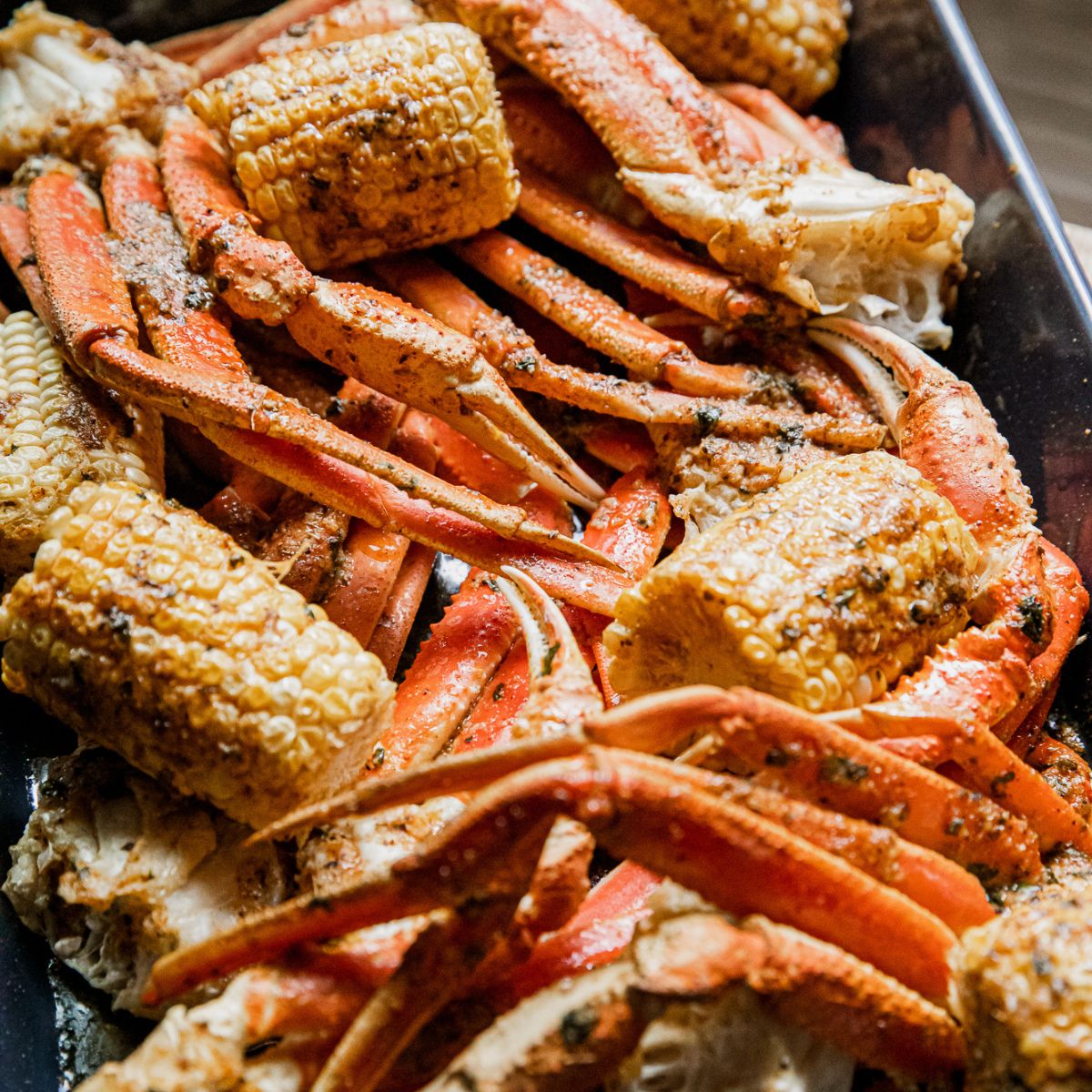
Credit: www.orwhateveryoudo.com
Frequently Asked Questions
How Do You Properly Eat Boiled Crab?
To eat boiled crab, crack the claws and legs with a crab cracker. Pull apart the shell carefully. Dip the meat in melted butter or sauce. Use a small fork to extract meat from joints. Enjoy the sweet, tender crab meat.
What Tools Are Needed To Eat Boiled Crab?
Essential tools include a crab cracker, seafood fork, and a mallet. A bowl for shells and napkins are helpful. These tools make cracking shells easier and help you access all the meat. They enhance your eating experience and keep things tidy.
How To Avoid Mess While Eating Boiled Crab?
Use a bib or wear old clothes to prevent stains. Eat over a plate or newspaper to catch drips. Use napkins to clean your hands often. Crack shells gently to avoid splattering. Taking your time helps reduce mess and enjoy the crab fully.
Is It Better To Eat Boiled Crab Hot Or Cold?
Boiled crab is best eaten warm for the freshest taste. Warm crab meat is tender and flavorful. Cold crab is also edible but can be less tender. Serve immediately after boiling for optimal taste and texture. Reheat gently if needed without overcooking.
Conclusion
Eating boiled crab can be simple and fun. Start by cracking the shell gently. Use your fingers or tools to get the meat out. Dip the crab meat in your favorite sauce for extra taste. Take your time and enjoy each bite slowly.
Boiled crab makes a great meal for any occasion. Try it with friends or family to share the experience. Remember, practice helps you eat crab better every time. Enjoy the fresh, sweet flavor of boiled crab today!

I’m Abby Lu, a passionate home cook who loves simplifying everyday meals. At PlugChef.com, I share product reviews and cooking guides to help you find the best tools for your kitchen.
Related posts:
 What Type of Cooking Utensils are Safe: Expert Picks
 What Innovations Could Blenders Make: Unleashing Future Tech
 Smart Strategies to Organize a Small Kitchen: Maximize Space
 How to Organize a Kitchen Cabinet: Expert Tips & Tricks
 How to Organize Kitchen Drawers: Expert Tips and Tricks
 How to Organize a Corner Kitchen Cupboard: Expert Tips

