
Peeling beets can feel like a messy, frustrating task. You might worry about stained hands or wasting time scrubbing away tough skins.
But what if you could peel beets quickly, easily, and without the hassle? You’ll discover simple tricks that make peeling beets a breeze. Say goodbye to stubborn skins and hello to smooth, ready-to-use beets for your favorite recipes. Keep reading, and you’ll never dread peeling beets again!
Choosing The Right Beets
Choosing the right beets makes peeling much easier. Freshness and texture affect how simple it is to remove the skin. Picking good beets saves time and effort in the kitchen.
Pay attention to the source and size. These factors impact taste and peeling ease.
Fresh Vs. Store-bought
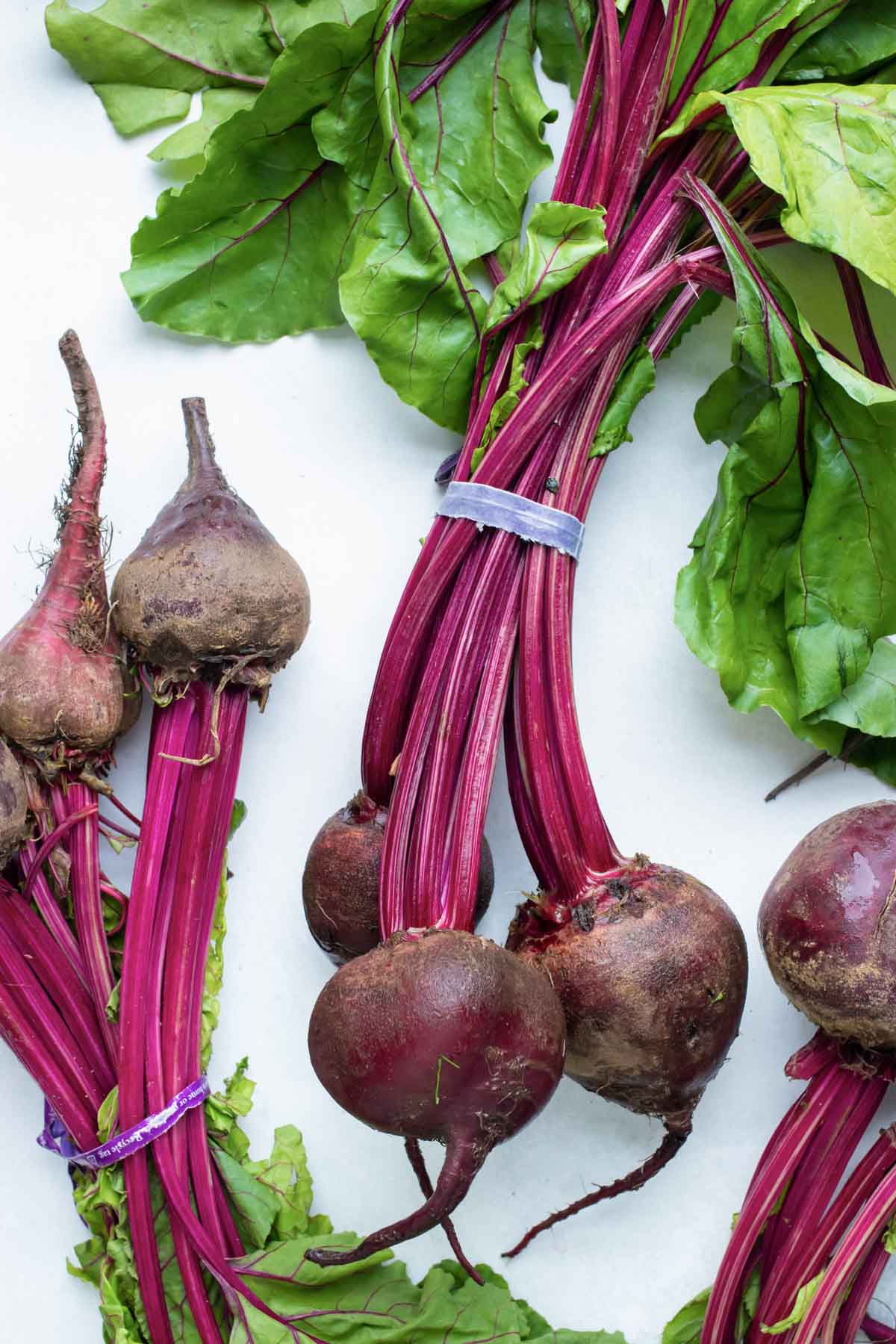
Fresh beets from farmers’ markets often taste better and peel easier. Their skins are usually thinner and less tough. Store-bought beets may have thicker skins that need more effort to peel. Check for firm, smooth skins without soft spots or wrinkles. Avoid beets that look shriveled or dried out. Freshness means better flavor and simpler peeling.
Size And Texture Tips
Choose medium-sized beets for easy peeling. Small beets can be delicate and hard to handle. Large beets may have woody skins that resist peeling. Feel the beet’s surface; it should be smooth and firm. Rough or cracked skin signals older beets. Proper texture means less skin sticking during peeling and better results in your recipes.
Credit: www.ruralsprout.com
Preparing Beets For Peeling
Preparing beets for peeling is a crucial step that can save you time and effort later on. Handling them properly before peeling ensures the skin comes off smoothly without wasting any of the tender flesh underneath. Let’s look at simple ways to get your beets ready for peeling, so you can enjoy their rich flavor and vibrant color without the hassle.
Washing And Trimming
Start by rinsing the beets under cold running water to remove any dirt or grit. Use your hands or a vegetable brush to scrub the skins gently but thoroughly. This step is essential because dirt can cling tightly to the rough beet surface.
After washing, trim off the beet greens and about an inch of the stem. Avoid cutting too close to the beet itself; leaving a bit of stem helps prevent the beet from bleeding its color during cooking. Do not peel the beets before cooking—they are much easier to peel once cooked.
Boiling Vs. Roasting
Deciding between boiling and roasting depends on the texture and flavor you want from your beets. Boiling softens the beets quickly and makes peeling easier, but it can dilute some of the earthy flavor and vibrant color. On the other hand, roasting concentrates the sweetness and intensifies the taste while also making the skin easy to slip off.
To boil, place beets in a pot of salted water and cook until tender, about 30-45 minutes depending on size. Roasting requires wrapping beets in foil and baking at 400°F (200°C) for about 45-60 minutes. Both methods allow the skin to loosen naturally, making peeling a breeze once the beets are cool enough to handle.
Peeling Techniques
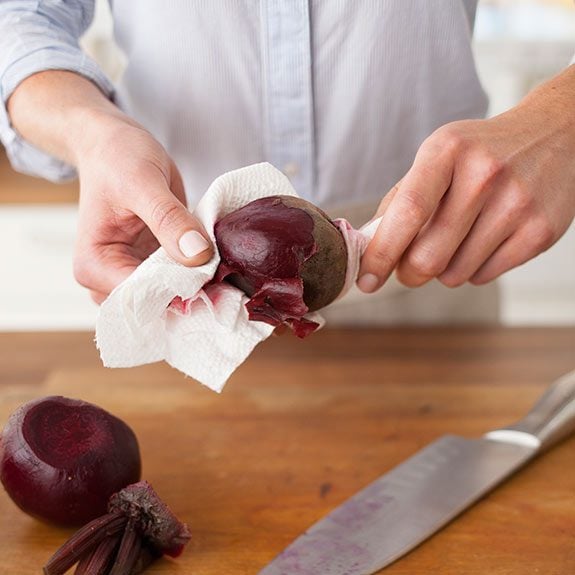
Peeling beets becomes simple after boiling or roasting them. The skin loosens easily and can be rubbed off with your hands or a paper towel. This quick method saves time and keeps your hands clean.
Peeling beets can be a messy task. But with the right techniques, it becomes easy and efficient. There are several ways to peel beets that suit different preferences and tools available in your kitchen. Below, explore some practical and effective methods for peeling beets.Peeling With Hands
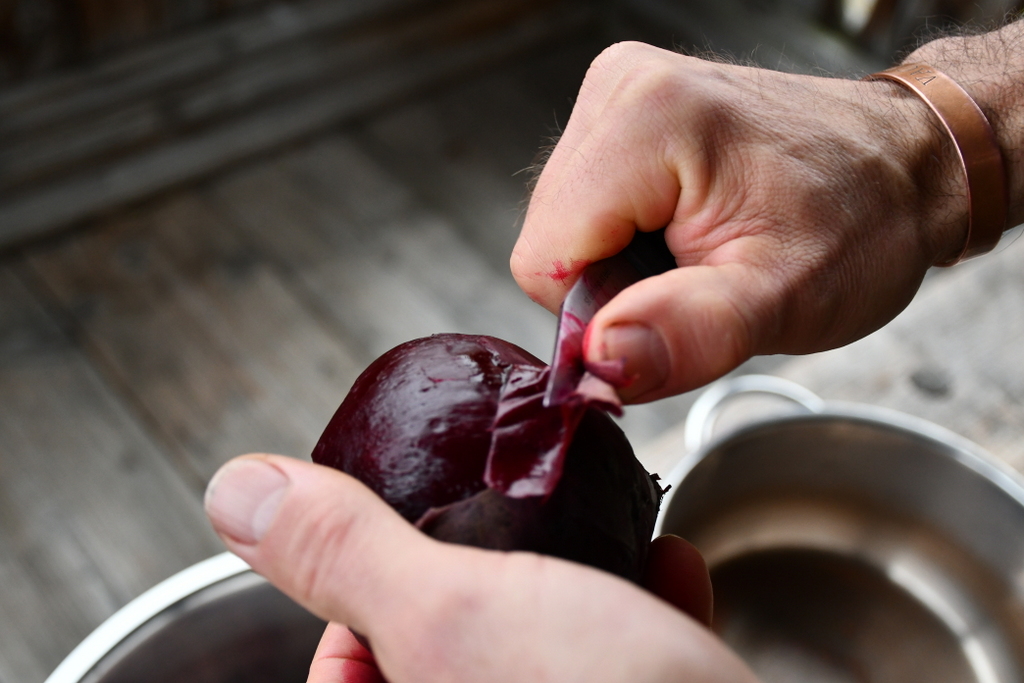
After boiling beets, let them cool a bit. Hold the beet with one hand. Use the other hand to gently rub the skin off. The skin should slide off easily. This method works best with cooked beets. It’s quick and reduces waste. Make sure to wear gloves to avoid staining your hands.Using A Vegetable Peeler
A vegetable peeler works well for raw beets. Hold the beet firmly on a cutting board. Use the peeler to remove the outer skin. Start from the top and peel downwards. Turn the beet to peel all sides. This method is efficient for uncooked beets. It ensures a smooth surface for cooking or salads.Peeling With A Paper Towel
This method is ideal for cooked beets. Once boiled and slightly cooled, wrap the beet in a paper towel. Rub the skin gently with the towel. The skin should come off easily. It’s a clean method, minimizing mess. The paper towel absorbs excess juice, reducing stains.Tips To Avoid Mess
Peeling beets can be a colorful experience, but it doesn’t have to turn into a messy one. With a few smart tricks, you can keep your hands clean, protect your countertops, and make cleanup a breeze. Here are some practical tips to avoid the mess while handling these vibrant roots.
Protecting Your Hands
Beet juice stains skin quickly and deeply. Wearing disposable gloves is the easiest way to keep your hands spotless. If gloves aren’t handy, rubbing a little olive oil on your hands before peeling can create a protective barrier.
Another trick is to peel beets under running water or in a bowl of water. This helps wash away juice immediately and reduces staining. Have you ever noticed how quickly beet stains soak in? Taking these small steps saves you from scrubbing later.
Preventing Stains On Surfaces
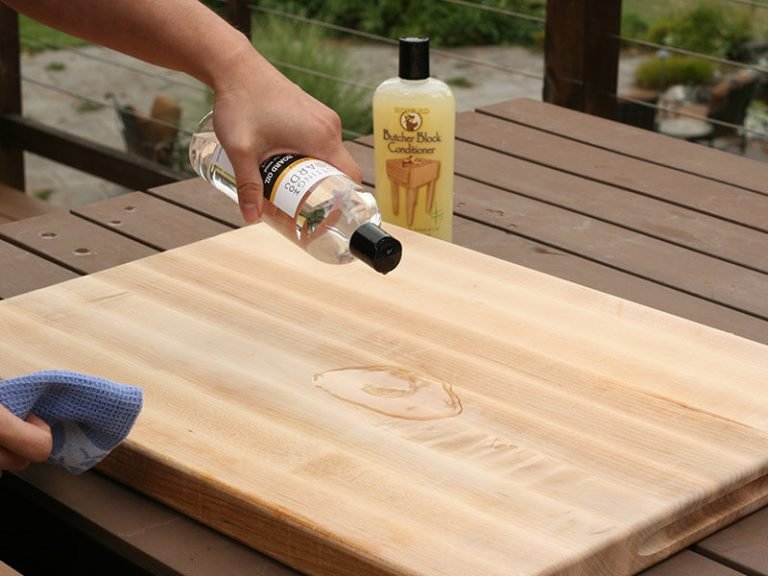
Cover your workspace with parchment paper or a silicone mat before you start peeling. These surfaces are easy to clean and prevent juice from soaking into your countertops. Using a cutting board with a juice groove can also trap excess liquid and keep your area tidy.
Be mindful of your tools; stainless steel knives stain less than ceramic ones. Wiping your knife immediately after each cut prevents juice buildup. How often do you find your kitchen counter turning pink after peeling beets? These simple habits can keep your kitchen looking fresh.
Cleaning Up Easily
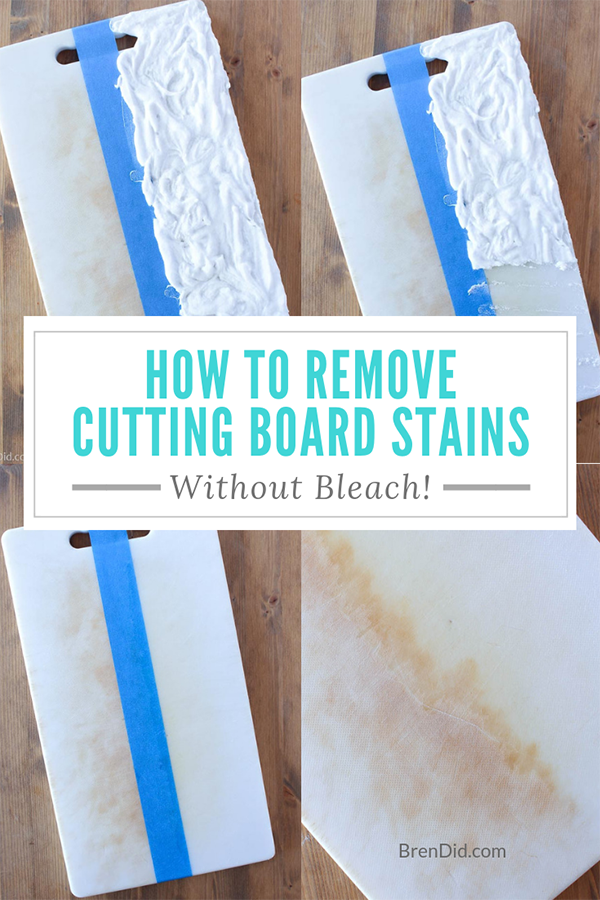
Clean beet stains quickly with a mixture of baking soda and water. Make a paste and gently scrub the stained area—it works well on both hands and surfaces. Lemon juice or vinegar can also help lift stubborn stains.
For clothes, rinse immediately in cold water to prevent setting the stain. Avoid hot water, as it can make the stain permanent. Have you tried these natural cleaning solutions before? They’re often more effective than harsh chemicals and kinder to your skin and kitchen.
Storing Peeled Beets
Storing peeled beets properly is key to maintaining their vibrant color, fresh taste, and nutritional value. Whether you plan to use them within a few days or save them for months, knowing how to store peeled beets can save you time and reduce waste. Let’s look at the best ways to keep your peeled beets fresh and ready for your next meal.
Short-term Storage
If you want to enjoy your peeled beets within a week, refrigeration is your best bet. Place the peeled beets in an airtight container or a resealable plastic bag to prevent moisture loss and odors from other foods.
- Keep the container tightly sealed to avoid drying out.
- Store peeled beets in the coldest part of your fridge, usually the back shelf.
- Check them daily for any signs of spoilage like sliminess or off smells.
Have you ever found your peeled beets turning mushy in the fridge? That usually means they weren’t stored in an airtight environment. Avoid that by using containers with tight lids or vacuum-sealed bags.
Long-term Storage Options
For longer storage, freezing peeled beets is an excellent way to keep them fresh for months. However, raw peeled beets don’t freeze well due to texture changes, so it’s best to blanch them first.
- Boil peeled beets for 2-3 minutes, then immediately cool them in ice water.
- Drain well and pat dry before freezing to reduce ice crystals.
- Use freezer-safe bags or containers and remove as much air as possible.
Another option is pickling peeled beets, which not only extends shelf life but adds a delicious tangy flavor. Have you tried pickled beets on salads or sandwiches? They add a surprising punch!
Storing peeled beets doesn’t have to be complicated. With these simple tips, you can always have beets ready to brighten up your dishes and keep waste to a minimum.
Credit: www.tasteofhome.com
Credit: www.evolvingtable.com
Frequently Asked Questions
How Do You Peel Beets Without Staining Hands?
Wear gloves to avoid stains. Use a vegetable peeler or rub the skins off after boiling or roasting while the beets are warm. This method keeps your hands clean and makes peeling quick and easy.
What Is The Easiest Way To Peel Cooked Beets?
After boiling or roasting, place beets in cold water briefly. Then, rub the skins off with your hands or a paper towel. The skins will slip right off, making peeling effortless and mess-free.
Can Beets Be Peeled Raw Before Cooking?
Yes, you can peel raw beets using a vegetable peeler. However, peeling after cooking is easier and reduces mess. Raw peeling is best for recipes requiring raw beet slices or salads.
Should You Peel Beets Before Or After Cooking?
Peeling beets after cooking is recommended. Cooked skins come off easily, saving time and preventing staining. This method also helps retain nutrients and flavor in the beet flesh.
Conclusion
Peeling beets can be quick and simple with the right steps. Boil or roast them until tender for easy skin removal. Use your hands or a paper towel to rub off the skin gently. Avoid using knives to prevent waste and keep your hands safe.
This method saves time and effort in the kitchen. Enjoy fresh, peeled beets in salads, soups, or snacks. Practice makes perfect, so don’t worry if it feels tricky at first. Soon, peeling beets will become a routine part of your cooking.
Give it a try today!

Hi, I’m Daniel Brooks—a food lover and kitchen gear enthusiast. I enjoy testing cookware, utensils, and gadgets to see what really works in everyday cooking. At PlugChef.com, I share honest reviews, comparisons, and simple guides to help you choose the best tools for a safer, smarter, and more enjoyable kitchen.
Related posts:
 What Type of Cooking Utensils are Safe: Expert Picks
 What Innovations Could Blenders Make: Unleashing Future Tech
 Smart Strategies to Organize a Small Kitchen: Maximize Space
 How to Organize a Kitchen Cabinet: Expert Tips & Tricks
 How to Organize Kitchen Drawers: Expert Tips and Tricks
 How to Organize a Corner Kitchen Cupboard: Expert Tips