

Have you ever wondered what to do when your fire extinguisher is old, empty, or no longer working? Holding onto it won’t keep you safe, and tossing it in the trash can be dangerous.
Knowing how to dispose of your fire extinguisher the right way protects your home, the environment, and even your community. You’ll discover simple, clear steps that make the process easy and worry-free. Keep reading to learn exactly what you need to do to get rid of your fire extinguisher safely and responsibly.
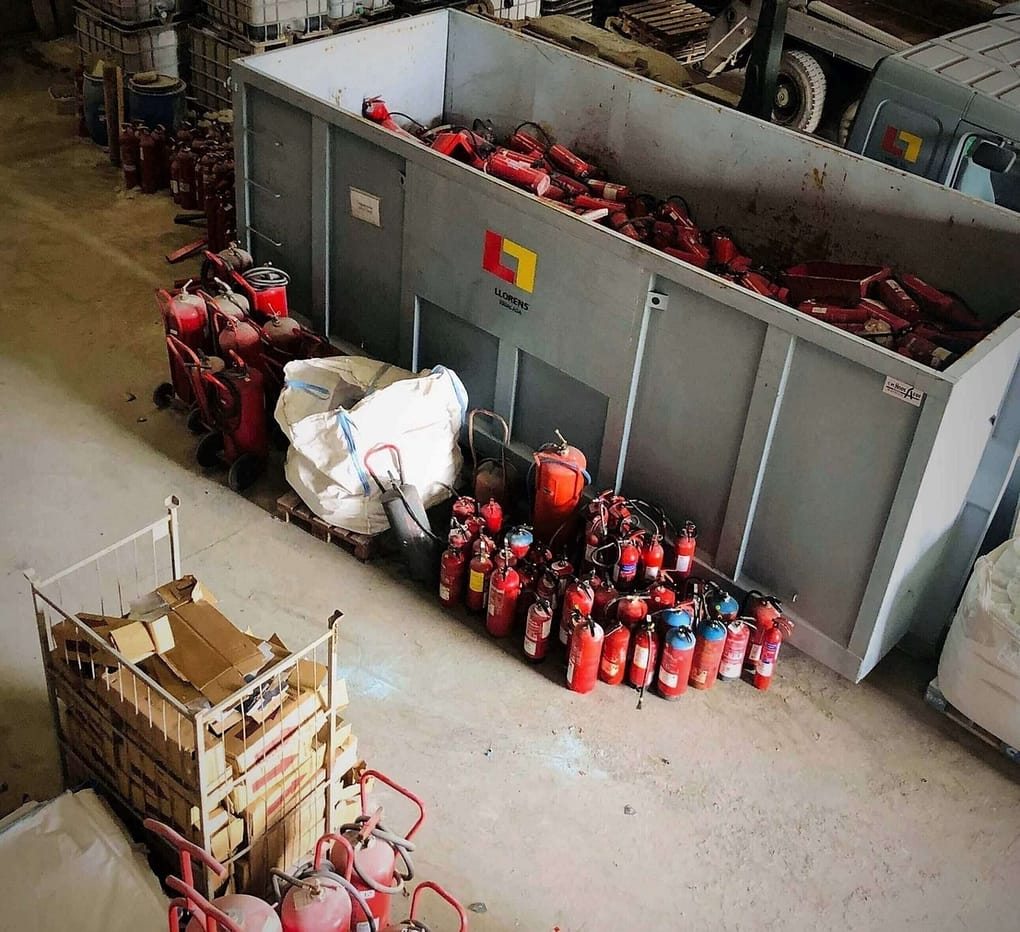
Credit: www.residuosllorens.es
Types Of Fire Extinguishers
Knowing the types of fire extinguishers is crucial before disposing of them. Each type contains different materials and chemicals that require specific handling. Understanding these differences helps you manage disposal safely and responsibly.
Water-based Extinguishers
Water-based extinguishers are mainly filled with water and sometimes additives to improve effectiveness. They are best for fires involving wood, paper, and textiles. Since they contain mostly water, disposal often involves draining the water and recycling the metal parts, but you should never pour the contents down drains without checking local regulations.
Dry Chemical Extinguishers
Dry chemical extinguishers contain powders like monoammonium phosphate or sodium bicarbonate. These chemicals can be harmful if released improperly, so you must handle them with care. Often, you’ll need to take these extinguishers to hazardous waste facilities rather than throwing them in regular trash.
Co2 Extinguishers
CO2 extinguishers use carbon dioxide gas to put out fires. They don’t leave residue, but the gas is stored under high pressure. Because of this, you should never attempt to puncture or tamper with the cylinder yourself. Many local fire departments or recycling centers accept CO2 extinguishers for safe disposal.
Foam Extinguishers
Foam extinguishers contain a foam solution that smothers fires involving flammable liquids. The foam chemicals can be environmentally sensitive, so proper disposal is important. You might need to contact specialized waste handlers to make sure these extinguishers don’t contaminate water sources or soil.
Why Proper Disposal Is Important
Proper disposal of fire extinguishers is essential for safety and environmental health. These devices contain chemicals that can harm nature and people if not handled correctly. Disposing of them the right way prevents accidents and ensures compliance with laws.
Environmental Impact
Fire extinguishers contain substances that can pollute soil and water. Chemicals like dry powder and halon damage the ecosystem. Improper disposal can release harmful gases into the air. Protecting the environment means disposing of these devices safely.
Safety Concerns
Old or damaged fire extinguishers can be dangerous. Pressurized containers may explode if punctured or exposed to heat. Chemicals inside can cause skin or eye irritation. Proper disposal reduces risks for waste handlers and the public.
Legal Regulations
Many areas have rules for disposing of fire extinguishers. These laws ensure safe handling and recycling of parts. Ignoring regulations can lead to fines or penalties. Following legal guidelines helps protect communities and the environment.
Preparing Extinguishers For Disposal
Preparing fire extinguishers for disposal ensures safety and compliance with local rules. It prevents accidents and helps proper recycling. Follow clear steps to get extinguishers ready before taking them to disposal sites.
Checking Expiry Date
Look for the expiry date on the extinguisher label or body. Expired extinguishers may not work well and need disposal. If the date is missing, treat the extinguisher as expired. Keep a note of the date to avoid using old equipment.
Discharging Remaining Contents
Release any leftover powder or gas safely outside or in a well-ventilated area. Wear gloves and eye protection to avoid injury. Aim the nozzle away from people and pets. Empty extinguishers are safer and easier to recycle or dispose of.
Removing Labels And Tags
Peel off any paper labels, stickers, or tags from the extinguisher. Remove plastic or metal parts attached for identification. This helps recycling centers process the extinguisher better. Clean the surface to remove glue or residue.

Credit: www.linkedin.com
Safe Disposal Methods
Disposing of a fire extinguisher safely is crucial for your safety and the environment. Fire extinguishers contain chemicals and pressurized materials that require careful handling. Ignoring proper disposal methods can lead to accidents or environmental harm. Let’s look at practical ways you can dispose of your fire extinguisher responsibly.
Recycling Options
Many parts of a fire extinguisher, especially the metal cylinder, can be recycled. You can remove the extinguisher’s contents at a certified facility and then take the empty shell to a metal recycler. Some communities offer special recycling programs that accept fire extinguishers as part of their hazardous waste collection.
Have you checked if your local recycling center accepts fire extinguishers? It’s worth a quick call before making a trip. Recycling helps prevent metal waste from ending up in landfills and reduces the need for new raw materials.
Local Waste Facilities
Local waste disposal centers often have specific guidelines for hazardous materials like fire extinguishers. Many facilities require you to bring the extinguisher to a designated drop-off point. Staff can then safely empty and dispose of the contents.
Check your city or county’s website for detailed instructions. Some places might schedule special collection days for hazardous waste, making it easier for you to dispose of your extinguisher without risk. Don’t throw it in your regular trash; it’s not only dangerous but often illegal.
Specialized Disposal Services
If you’re unsure or have multiple extinguishers to dispose of, professional disposal services can help. These companies specialize in handling and recycling fire extinguishers safely. They ensure that all chemicals are neutralized and components are recycled or disposed of properly.
Hiring a specialized service might seem like an extra step, but it guarantees safety and compliance with regulations. Plus, it saves you time and worry. Have you ever used a service like this before? You might find it more convenient than you expect.
Alternatives To Disposal
Disposing of a fire extinguisher doesn’t always mean throwing it away. There are smart alternatives that can extend the life of your extinguisher or benefit others. Thinking beyond disposal helps reduce waste and can even save money.
Refurbishing And Recharging
Many fire extinguishers can be refurbished and recharged instead of being discarded. Professionals can inspect and refill your extinguisher, making it safe and ready to use again. This option is especially useful if your extinguisher is only partially used or has expired but is still in good condition.
Have you checked the last recharge date on your extinguisher? Sometimes, a simple recharge is all it needs. This approach saves you from buying a new one and reduces environmental impact.
Repurposing For Training Use
Old or discharged fire extinguishers can find a second life as training tools. They provide hands-on experience for safety drills without wasting functional units. Schools, fire departments, and safety instructors often welcome these for realistic practice.
Could your local fire safety team use a training aid? Offering your old extinguisher for training helps others learn crucial skills while keeping your equipment out of the landfill.
Donation To Organizations
Many organizations accept fire extinguishers for reuse or safe disposal. Nonprofits, community centers, or businesses might need them for their facilities. Donating your extinguisher supports safety in your community and ensures proper handling.
Have you reached out to local charities or community groups? Your donation could be the difference in their emergency preparedness. Plus, it’s a responsible way to manage your old extinguisher.

Credit: www.facebook.com
Tips For Safe Handling
Handling a fire extinguisher safely before disposal is crucial to prevent accidents and injuries. You must treat these devices with care since they contain pressurized chemicals that can be hazardous if mishandled. Taking the right precautions ensures your safety and the safety of others around you.
Personal Protective Equipment
Always wear gloves and safety goggles when handling a fire extinguisher. Gloves protect your hands from any chemical residue, while goggles shield your eyes from unexpected sprays or dust.
Consider using a dust mask if the extinguisher is old or damaged, as it might release particles when moved. This simple gear can prevent exposure to harmful substances you might not see but can feel.
Proper Transportation
Carry the extinguisher upright and secure it firmly in your vehicle to avoid sudden movements. Loose or tilted positioning can increase the risk of accidental discharge or damage.
Never throw the extinguisher into the trunk or cargo area without securing it first. Use straps or place it in a container to keep it stable during transport.
Avoiding Accidental Discharge
Keep the safety pin in place and avoid pressing the handle while moving the extinguisher. This prevents the extinguisher from going off unexpectedly and causing harm.
Do not expose the extinguisher to extreme temperatures or rough handling, as this can weaken its structure and trigger discharge. Think about how you would handle a fragile glass bottle—treat the extinguisher with similar care.
Frequently Asked Questions
How Do I Safely Dispose Of A Fire Extinguisher?
To dispose of a fire extinguisher, first check if it’s empty. Release any remaining pressure outdoors. Then, take it to a local hazardous waste disposal site or a fire department for proper handling.
Can I Throw A Fire Extinguisher In The Trash?
No, fire extinguishers contain pressurized chemicals and must not be thrown in regular trash. Improper disposal can be dangerous and illegal in many areas. Use designated hazardous waste facilities instead.
Where Can I Recycle An Old Fire Extinguisher?
Many local recycling centers and fire departments accept old fire extinguishers. Contact your municipality or waste management service for drop-off locations. Proper recycling prevents environmental harm and ensures safety.
What Should I Do If My Extinguisher Is Still Full?
If the extinguisher is full but expired, contact your local fire department for guidance. They may recharge or safely dispose of it. Avoid using or storing expired extinguishers for safety reasons.
Conclusion
Proper disposal of fire extinguishers keeps your home safe and clean. Never throw them in regular trash bins. Empty or expired extinguishers need special handling. Many local recycling centers accept them. Some stores offer take-back programs too. Always check local rules before disposal.
This helps protect the environment and people. Handling fire extinguishers carefully avoids accidents. Stay responsible and dispose of them the right way. Safe disposal is simple with the right steps. Keep your space hazard-free by following these tips.

Hi, I’m Daniel Brooks—a food lover and kitchen gear enthusiast. I enjoy testing cookware, utensils, and gadgets to see what really works in everyday cooking. At PlugChef.com, I share honest reviews, comparisons, and simple guides to help you choose the best tools for a safer, smarter, and more enjoyable kitchen.
Related posts:
 What Type of Cooking Utensils are Safe: Expert Picks
 What Innovations Could Blenders Make: Unleashing Future Tech
 Smart Strategies to Organize a Small Kitchen: Maximize Space
 How to Organize a Kitchen Cabinet: Expert Tips & Tricks
 How to Organize Kitchen Drawers: Expert Tips and Tricks
 How to Organize a Corner Kitchen Cupboard: Expert Tips