

Are you unknowingly putting your health at risk every time you prepare a meal? Your wooden cutting board, an essential kitchen tool, might be harboring harmful bacteria.
But don’t worry—you’re not alone in this. Many people overlook the importance of properly disinfecting their cutting boards. You’re about to discover how easy and effective it is to ensure your wooden cutting board is safe and clean. Imagine the peace of mind you’ll feel knowing you can prepare meals without fear of contamination.
Keep reading to learn simple yet powerful techniques that will transform your kitchen hygiene and safeguard your health.
:max_bytes(150000):strip_icc()/RS_cleaning-wood-cutting-boards_Method-1-Step-3_preview-7200fc857efd4a3d8a5bd927fd2834ac.jpg)
Credit: www.realsimple.com
Importance Of Disinfecting Wooden Cutting Boards
The importance of disinfecting wooden cutting boards cannot be overstated. These kitchen staples are in constant contact with various foods, making them prime surfaces for bacteria and germs. Neglecting to clean them properly can lead to health risks and foodborne illnesses. Keeping your cutting board clean is crucial for ensuring your family’s safety.
Understanding The Risks
Wooden cutting boards can harbor harmful bacteria like Salmonella and E. coli. These microorganisms thrive in the grooves and scratches on the board’s surface. Regular cleaning is not enough to eliminate them entirely.
Think about the last time you cut raw chicken or fish. Without proper disinfection, the bacteria from these foods can easily transfer to fruits or veggies, creating a potential health hazard.
Why Wooden Boards?
Wooden cutting boards are popular due to their durability and knife-friendly surface. However, they require special care compared to plastic ones. Wood is porous, meaning it can absorb liquids, making it harder to clean.
This absorption can lead to unpleasant odors and stains. You might notice a distinct smell after slicing onions or garlic, even after washing the board. Disinfecting helps maintain the board’s integrity and hygiene.
Effective Disinfection Methods
Fortunately, there are simple ways to disinfect your wooden cutting board. Using white vinegar is an excellent option. Its acidity kills bacteria effectively. A sprinkle of coarse salt followed by scrubbing with a lemon half can also sanitize the board.
Consider using a diluted bleach solution for stubborn stains and odors. However, remember to rinse thoroughly afterward to avoid any bleach residue. Air drying the board completely is crucial to prevent mold growth.
Maintaining Longevity
Regular disinfection not only keeps your board safe but also prolongs its lifespan. A well-maintained board can serve you for years. Wouldn’t it be satisfying to know your kitchen is both functional and safe?
Use mineral oil periodically to keep the wood hydrated. A dry board is prone to cracking, which can harbor more bacteria. Investing a little time in care can save you from frequent replacements.
Final Thoughts
Disinfecting wooden cutting boards is more than just a chore; it’s a health necessity. Ensuring your board is clean can prevent foodborne illnesses and ensure the safety of your meals. Are you paying enough attention to this important kitchen task?
By adopting these simple practices, you can transform your kitchen into a safer space. Next time you reach for your wooden cutting board, think about its cleanliness and the impact on your health.
Choosing The Right Cleaning Materials
Disinfecting wooden cutting boards demands the right cleaning materials. Opt for vinegar or hydrogen peroxide to kill germs effectively. Rinse thoroughly to ensure safety and maintain the board’s longevity.
Choosing the right cleaning materials for your wooden cutting board is essential to ensure its longevity and hygiene. The wrong products can damage the wood or leave behind harmful residues. By selecting the appropriate cleaners and tools, you can keep your cutting board safe and sanitary for everyday use.Natural Cleaners
Natural cleaners are a great way to disinfect your cutting board without using harsh chemicals. Vinegar is a popular choice. It effectively kills bacteria and neutralizes odors. Simply mix equal parts of vinegar and water, and wipe down the board. Lemon juice is another excellent natural option. It not only disinfects but also leaves a pleasant scent. Rub a cut lemon over the board, let it sit for a few minutes, then rinse with warm water. Using natural cleaners means you’re keeping your kitchen environment healthier. Plus, these ingredients are usually already in your pantry.Commercial Disinfectants
Sometimes, you may prefer the convenience of commercial disinfectants. Many are designed specifically for wooden surfaces, ensuring they’re safe and effective. Look for products that state they are food-safe and biodegradable. Brands like Seventh Generation or Method offer eco-friendly options that are kind to both your board and the environment. Always follow the manufacturer’s instructions. This ensures you achieve the best results without causing damage.Tools And Accessories
The right tools can make cleaning your cutting board easier and more effective. A soft-bristle brush is ideal for scrubbing away food particles without scratching the wood. Consider using a dedicated cleaning cloth or sponge for your cutting board. This prevents cross-contamination with other kitchen surfaces. For stubborn stains, a sprinkle of baking soda on a damp cloth can work wonders. It provides gentle abrasion to lift stains without harming the wood. Are you using the best tools for your cleaning routine? Sometimes, a simple change can improve your results significantly.Step-by-step Cleaning Process
Disinfecting a wooden cutting board involves a simple process. First, scrub with hot soapy water and rinse. Next, apply white vinegar and let it sit for a few minutes. Finally, dry completely to prevent bacteria growth. Regular cleaning ensures a hygienic kitchen tool.
Keeping your wooden cutting board clean is vital for your health and the longevity of your board. A clean board prevents bacteria build-up and keeps your food safe. Let’s dive into a simple, effective, step-by-step cleaning process that you can easily follow at home.Pre-cleaning Steps
Before you begin the deep cleaning, scrape off any food residue using a bench scraper or a spatula. This helps remove the larger debris that can get in the way of a thorough clean. Rinse the board with warm water, but avoid soaking it. Excessive moisture can cause the wood to warp or crack.Deep Cleaning Techniques
Sprinkle a generous amount of coarse salt or baking soda across the surface of the board. Both are excellent for scrubbing without being abrasive. Use half a lemon to scrub the board, pressing it down to release the lemon juice. The acidity of the lemon helps kill bacteria and removes odors. If your board has stubborn stains, try a paste made from baking soda and water. Apply it and let it sit for a few minutes before scrubbing.Rinsing And Drying
Rinse the board thoroughly with warm water to remove any cleaning agents and residue. Ensure that all salt, baking soda, or lemon remnants are washed away. Pat the board dry with a clean towel immediately after rinsing. Stand it upright to allow air circulation, which helps prevent moisture from seeping in. Consider applying a thin layer of mineral oil or beeswax after it’s completely dry. This can maintain the wood’s natural moisture and extend the board’s lifespan. Have you ever thought about how a little bit of care can enhance the life of your cutting board while keeping your kitchen safe? Regular cleaning not only protects your food but also makes your board look as good as new.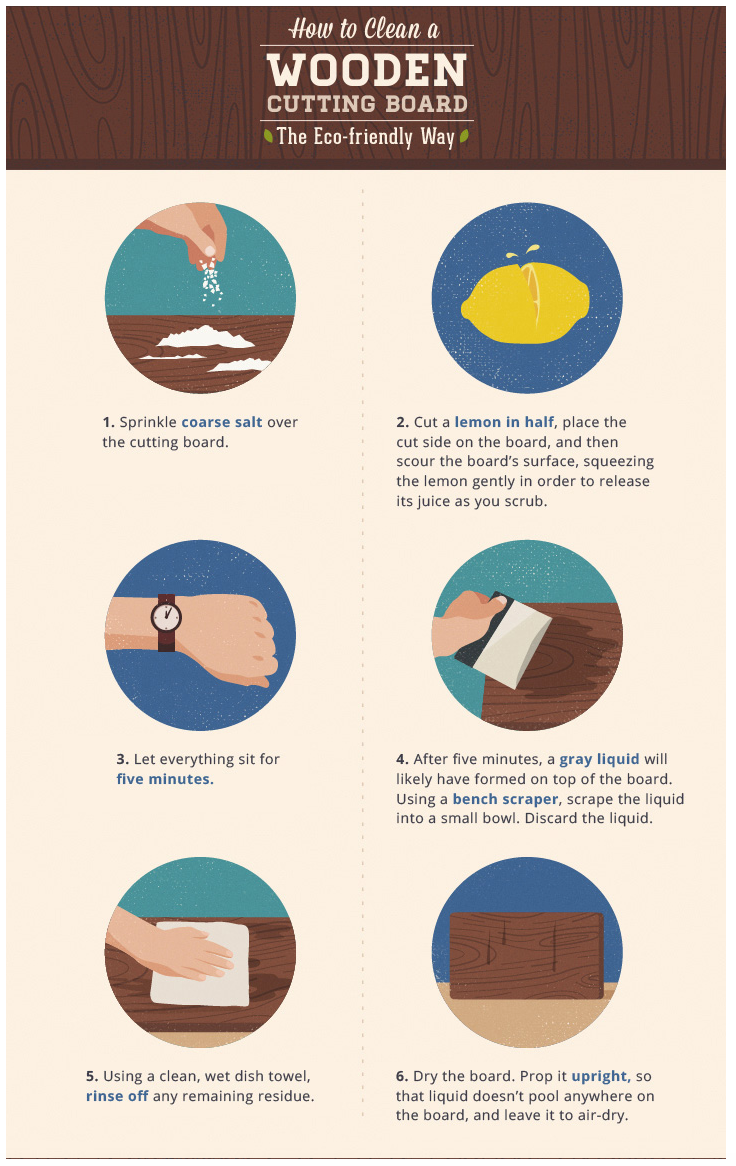
Credit: www.adirondackkitchen.com
Removing Stubborn Stains And Odors
Disinfecting wooden cutting boards effectively removes stubborn stains and odors. Use a mix of vinegar and baking soda to scrub the surface. Rinse with hot water and dry completely to prevent bacteria growth.
Cleaning your wooden cutting board can feel like a daunting task, especially when stubborn stains and odors refuse to budge. But with a few simple techniques, you can restore your board’s pristine condition. Imagine slicing fresh fruits without worrying about yesterday’s garlic scent lingering. Let’s dive into effective methods for eliminating those persistent stains and neutralizing unwanted smells.Effective Stain Removal Methods
Stains from colorful fruits and vegetables can make your cutting board look worn out. A mix of baking soda and water creates a paste that’s perfect for tackling these tough spots. Gently scrub the paste onto the stain with a soft cloth. Rinse thoroughly with warm water. For tougher stains, consider using white vinegar. Apply it directly to the stain and let it sit for a few minutes. This helps break down the stain. Scrub gently and wash it off with warm water. Got a lemon handy? Lemon juice is a natural bleaching agent. Squeeze fresh lemon juice over the stained area and let it sit for a while. You’ll be amazed at how effective it is.Neutralizing Unwanted Smells
Cutting boards can absorb pungent odors from foods like garlic and onion. Have you tried sprinkling salt on your board? Sprinkle a generous amount of coarse salt over the surface. Using half a lemon, scrub the salt into the board. This combination not only fights odors but also disinfects. Another trick is using coffee grounds. Spread used coffee grounds over the board and leave them overnight. The grounds absorb the unwanted smells, leaving your board fresh. If you’re looking for an all-in-one solution, consider making a paste with baking soda and water. Spread it over the board, let it sit, and then rinse. How do you ensure your cutting board doesn’t retain odors over time? Regular maintenance is key. After each use, wash it with mild soap and water, ensuring it’s dry before storing. By following these easy steps, you can keep your wooden cutting board free from unsightly stains and unpleasant odors. What are your go-to methods for maintaining your kitchen tools? Share your thoughts in the comments below.Maintaining Your Wooden Cutting Board
To disinfect a wooden cutting board, use white vinegar or hydrogen peroxide. Apply gently, then wipe with a clean cloth. This simple method helps keep your board safe and hygienic for daily use.
Maintaining your wooden cutting board is essential for its longevity and hygiene. A well-maintained board prevents bacterial growth and keeps your kitchen safe. It’s not just about cleaning. Regular upkeep ensures your board remains in top condition.Regular Maintenance Tips
Wipe the board after each use. This prevents food residue build-up. Use a damp cloth with mild soap. Rinse thoroughly with warm water. Dry it immediately to avoid warping. Avoid soaking the board in water.Oiling And Conditioning
Oil your board monthly. Use food-grade mineral oil. Apply a generous amount. Rub the oil into the wood with a soft cloth. Let it sit overnight. This keeps the wood hydrated. Conditioning prevents cracks and splits. It also enhances the board’s appearance.Storage Recommendations
Store your board upright. This ensures proper air circulation. Keep it away from heat sources. Heat can damage the wood. Ensure it’s in a dry area. Avoid placing it near the sink. Excess moisture can cause mold. Use a rack or holder for support.:max_bytes(150000):strip_icc()/clean-wooden-cutting-board-4772583_05-6782ac2cc4784073ab3769537ed1da34.jpg)
Credit: www.thespruce.com
Common Mistakes To Avoid
Cleaning wooden cutting boards improperly can damage them. Avoid soaking them in water, which causes warping. Use vinegar or diluted bleach for disinfection, not harsh chemicals. Dry thoroughly to prevent bacteria growth.
Disinfecting your wooden cutting board is crucial for maintaining kitchen hygiene. Yet, many people make common mistakes that can compromise the cleanliness and longevity of their boards. Let’s dive into these pitfalls and ensure your cutting board remains safe for every slice and dice.Using Too Much Water
Excessive water can harm your wooden cutting board. Wood absorbs water, which can cause it to warp or crack over time. Instead, use a damp cloth or sponge to wipe the surface gently.Not Drying Properly
After cleaning, leaving your board to air dry on its side can prevent water from pooling. Leaving it flat can lead to mold growth. Consider standing it upright or using a dish rack for effective drying.Ignoring Regular Maintenance
Regular maintenance is key. Skipping oil treatments can make your board dry and prone to cracks. Apply mineral oil every few weeks to keep it in top shape.Using Harsh Chemicals
Harsh chemicals can damage the wood and leave residues. Opt for natural disinfectants like vinegar or lemon juice. These are effective and safe for food surfaces.Scrubbing Too Hard
A heavy hand while scrubbing can scratch the surface. Use a soft-bristle brush and gentle motions to clean. This ensures dirt is removed without damaging the wood.Overlooking Different Woods
Not all wooden boards are the same. Bamboo, for instance, requires less oil than maple. Know your board type to tailor your cleaning approach effectively. Have you been making any of these mistakes? Correcting them can extend your board’s life and keep your kitchen a safe place to cook. Think about your current habits and see where you can improve!Expert Advice And Recommendations
Maintaining a clean wooden cutting board is crucial for kitchen hygiene. Experts share simple tips to ensure your board stays safe and durable. Following their advice helps prevent bacteria and prolongs the board’s lifespan.
Frequency Of Disinfection
Disinfect your wooden cutting board regularly. Ideally, clean it after each use. This prevents bacteria buildup from raw meats and vegetables. For deep cleaning, use a vinegar solution once a week. Combine equal parts of water and white vinegar. Let it sit on the board for a few minutes, then rinse thoroughly. This method is effective and safe for wood.
Signs Of Wear And Replacement
Wooden cutting boards show signs of wear over time. Deep cuts and cracks can harbor bacteria. If your board has many grooves, consider replacing it. Also, look for warping or unusual odors. These are indicators your board needs replacement. A smooth and intact surface ensures safe food preparation. Regularly inspect your board to maintain kitchen safety.
Frequently Asked Questions
What Do Chefs Use To Sanitize Cutting Boards?
Chefs sanitize cutting boards using a mixture of vinegar and water or diluted bleach. They scrub thoroughly, rinse, and dry. This practice helps prevent bacterial growth and maintains hygiene in the kitchen. Regular maintenance ensures cutting boards remain safe for food preparation.
Does Vinegar Disinfect Wood Cutting Board?
Yes, vinegar disinfects wood cutting boards effectively. Its acetic acid kills bacteria and removes odors. Apply undiluted vinegar, scrub, then rinse. Avoid soaking to prevent damage. Regular cleaning keeps your cutting board hygienic and safe for food preparation. Consider using vinegar alongside other cleaning methods for best results.
Do Wood Cutting Boards Disinfect Themselves?
Wood cutting boards do not disinfect themselves. They have natural antibacterial properties but need regular cleaning. Use hot, soapy water and occasionally sanitize with vinegar or hydrogen peroxide. Proper maintenance ensures safety and longevity.
How Often Should I Sanitize A Wooden Cutting Board?
Sanitize a wooden cutting board after each use to prevent bacteria buildup. Scrub with hot water and soap. For deeper cleaning, occasionally use white vinegar or hydrogen peroxide. Let the board air dry completely to avoid moisture retention. Regular maintenance keeps your cutting board safe and extends its lifespan.
Conclusion
Keeping your wooden cutting board clean is important. It helps prevent germs. Simple steps make it easy to disinfect. First, always wash with soap and water. Then, use vinegar for a natural cleanse. Baking soda removes stains and odors. Let the board dry completely after cleaning.
This prevents mold. Regular maintenance keeps the board safe for food. Remember, a clean board lasts longer. It also protects your health. So, take time to clean it well. Enjoy cooking with a fresh, sanitized cutting board. Your meals will be safer and tastier.

Hi, I’m Daniel Brooks—a food lover and kitchen gear enthusiast. I enjoy testing cookware, utensils, and gadgets to see what really works in everyday cooking. At PlugChef.com, I share honest reviews, comparisons, and simple guides to help you choose the best tools for a safer, smarter, and more enjoyable kitchen.
Related posts:
 What Type of Cooking Utensils are Safe: Expert Picks
 What Innovations Could Blenders Make: Unleashing Future Tech
 Smart Strategies to Organize a Small Kitchen: Maximize Space
 How to Organize a Kitchen Cabinet: Expert Tips & Tricks
 How to Organize Kitchen Drawers: Expert Tips and Tricks
 How to Organize a Corner Kitchen Cupboard: Expert Tips

