

Imagine slicing fresh vegetables or juicy meats, ready to prepare a delicious meal, only to realize that your plastic cutting board is harboring harmful bacteria. You deserve a kitchen that’s not just clean but truly safe.
How often do you think about the cleanliness of your cutting board? It’s easy to overlook, yet crucial for your health. In the following guide, you’ll discover practical, straightforward methods to disinfect your plastic cutting board, ensuring every meal is prepared on a spotless surface.
You’ll find tips that are easy to follow and effective, giving you peace of mind with every chop, slice, and dice. Keep reading to learn how you can transform your kitchen hygiene and protect your loved ones from unseen dangers. With the right tools and knowledge, you can make your kitchen safer.
Importance Of Clean Cutting Boards
Keeping cutting boards clean is crucial for safe food preparation. These surfaces often come in contact with raw meat, vegetables, and other ingredients. Contamination can lead to foodborne illnesses. Proper cleaning ensures harmful bacteria do not spread. A disinfected board also prevents cross-contamination between different foods. This is vital in maintaining health and hygiene in your kitchen.
Why Bacteria Thrive On Cutting Boards
Cutting boards often have small grooves. These grooves trap food particles and moisture. Bacteria find these conditions ideal for growth. Plastic boards, though less porous than wood, are not immune. Regular cleaning alone may not remove all bacteria. Disinfecting is necessary to ensure cleanliness.
Health Risks Of Contaminated Cutting Boards
Contaminated boards pose significant health risks. They can harbor dangerous bacteria like Salmonella and E. coli. These bacteria cause severe food poisoning. Symptoms may include vomiting, diarrhea, and stomach cramps. Proper disinfection minimizes these health risks.
Impact On Food Taste And Quality
Residue on cutting boards affects food taste. It can transfer odors and flavors to fresh ingredients. This impacts the quality of your meals. Clean boards ensure your food remains fresh and flavorful.
Maintaining Kitchen Hygiene
Clean cutting boards contribute to overall kitchen hygiene. They prevent the spread of germs and bacteria. A hygienic kitchen is essential for healthy cooking. It ensures a safe environment for food preparation.
Choosing The Right Cleaning Supplies
Selecting effective cleaning supplies ensures proper disinfection of plastic cutting boards. Use a gentle dish soap and warm water to wash. Then sanitize with a white vinegar and water solution. This combination effectively removes bacteria, keeping your kitchen safe and hygienic.
Choosing the right cleaning supplies for your plastic cutting board can make all the difference between a clean, hygienic surface and a breeding ground for bacteria. With countless options available, it can be overwhelming to determine which tools and agents are most effective. But fear not, as this section will guide you through the essentials to ensure your cutting board remains spotless and safe for food preparation.Essential Cleaning Tools
To start, you’ll need a few basic tools. A sturdy scrub brush is your best friend when tackling the grooves and crevices where food particles hide. Choose one with stiff bristles for maximum effectiveness. Consider using a non-abrasive sponge as well. It’s gentle on plastic surfaces yet effective in removing stuck-on debris. You wouldn’t want to scratch your cutting board, right? A microfiber cloth is perfect for wiping down and drying your board. It absorbs moisture quickly and leaves no lint behind. Try it once, and you’ll be hooked.Safe Cleaning Agents
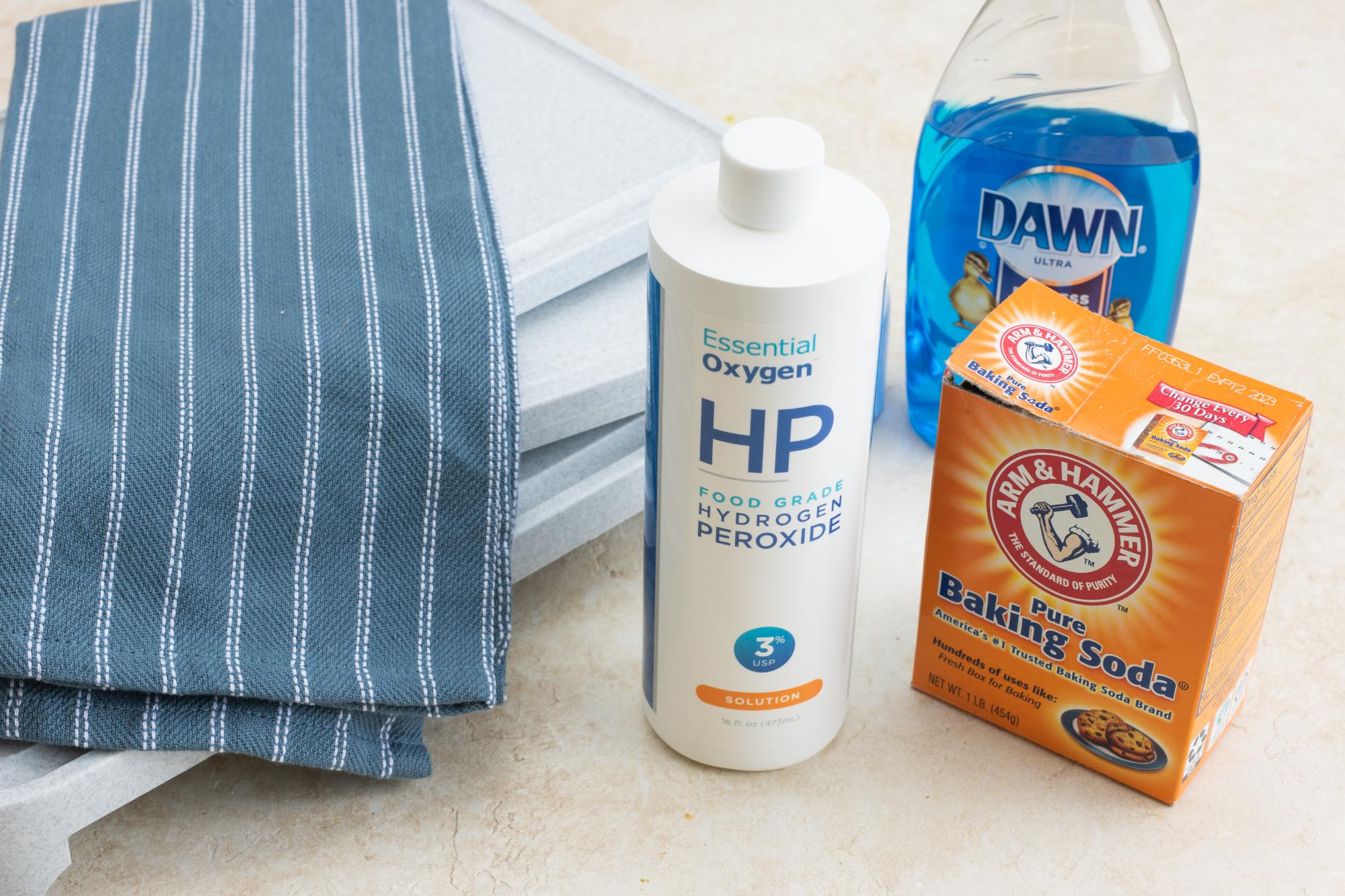
Bleach is a powerful disinfectant but can be harsh on plastic. Consider diluting it with water to ensure it doesn’t damage your board. Remember to rinse thoroughly afterward. White vinegar is a natural and safe alternative. It’s effective in killing bacteria without harmful chemicals. Plus, it’s inexpensive and readily available in most kitchens. Hydrogen peroxide can also be used as a disinfectant. Its bubbling action helps lift dirt and kill germs. Just be sure to rinse your board well after using it. When choosing cleaning agents, think about their impact on your health and the environment. Wouldn’t you prefer products that are safe for you and your family? Ultimately, selecting the right supplies is about finding what works best for you and your kitchen routine. What’s your go-to cleaning tool?Pre-cleaning The Cutting Board
Keeping your plastic cutting board clean is essential for food safety. Before diving into a thorough disinfection, pre-cleaning is crucial. It sets the stage for effective sanitization and ensures that no hidden germs are lurking. Whether you’re chopping veggies for a salad or slicing meat for dinner, a clean cutting board is your best ally. Let’s explore the essential steps to pre-clean your cutting board.
Scraping Off Food Residue
Start by removing any leftover bits of food. Use a spatula or the back of a knife to scrape off scraps. This not only makes the board easier to clean but prevents bacteria from sticking around. Remember that even tiny crumbs can harbor germs.
Have you ever noticed how stubborn dried-on food can be? A little elbow grease can make a difference. Scraping is quick, effective, and gets you one step closer to a clean board.
Rinsing With Water
Once you’ve scraped off the residue, rinse the board under running water. This helps in washing away loose particles and initial germs. Use warm water for better results.
Think about the times you’ve rinsed a board after cutting fruits. Water washes away sugary residue, reducing sticky spots and potential mold growth. It’s a simple act that can make a big impact.
Are you rinsing thoroughly? A brief rinse might leave behind unseen dirt. So, ensure water reaches every corner of the board, preparing it for the next cleaning step.
These pre-cleaning steps might seem basic, but they lay the groundwork for effective disinfection. A clean start is always a smart start. So, how often do you give your cutting board the care it truly needs?
Credit: cutco.com
Effective Cleaning Methods
Plastic cutting boards are kitchen essentials. Yet, they often harbor bacteria. Effective cleaning methods are crucial for safety. The right approach ensures a hygienic kitchen space. Let’s dive into easy methods to disinfect them.
Using Dish Soap And Warm Water
Start by rinsing the board with warm water. This helps remove food particles. Apply a generous amount of dish soap. Use a scrub brush or sponge to clean. Scrub the board thoroughly. Pay attention to knife marks and grooves. Rinse the soap off completely. Let it air dry or use a clean towel.
Applying Baking Soda Paste
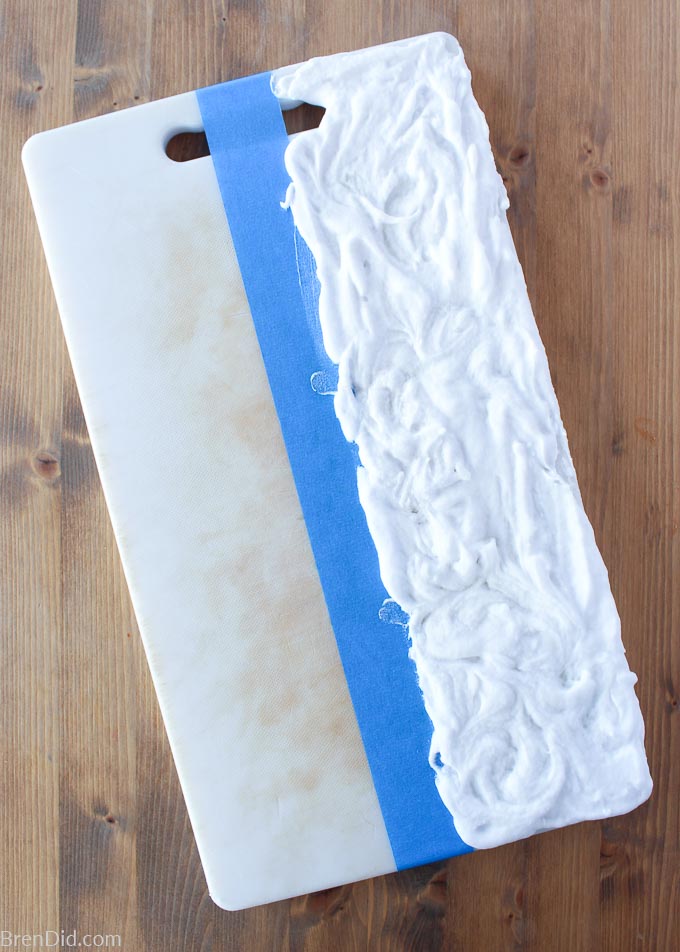
Baking soda is a natural cleanser. Make a thick paste by mixing baking soda with water. Spread the paste on the cutting board. Focus on stained or smelly areas. Let it sit for a few minutes. This helps in breaking down residue. Scrub gently using a brush. Rinse the board under warm water. Dry it well before storing.
Disinfecting Techniques
Plastic cutting boards are kitchen essentials. They help in food preparation. Over time, they gather germs and bacteria. Disinfecting them ensures cleanliness and safety. Simple solutions can make them hygienic. Explore effective techniques below.
Vinegar Solution Method
Vinegar is a natural disinfectant. It fights bacteria effectively. To use vinegar, mix equal parts of water and vinegar. Pour this solution over the cutting board. Let it sit for 10 minutes. This time allows vinegar to work. Then, rinse with warm water. Dry the board with a clean towel. This method is safe and easy.
Bleach Solution Method
Bleach is a powerful cleaner. It kills germs quickly. To make a bleach solution, mix one tablespoon of bleach with a gallon of water. Apply this mixture to the cutting board. Leave it for five minutes. This ensures complete disinfection. Rinse the board thoroughly with water. Dry it with a towel. Ensure proper ventilation when using bleach.
Credit: www.thekitchn.com
Drying And Storing Properly
Proper drying and storage are crucial for disinfecting a plastic cutting board. Moisture can lead to bacterial growth, making your board unsafe. By following simple drying and storage practices, you can ensure your cutting board remains clean and ready for use.
Air Drying Tips
Let your cutting board air dry completely. Place it on a dish rack to allow airflow. Ensure both sides are exposed to air. Avoid stacking other items on top. This prevents moisture from getting trapped. Use a clean towel to pat dry if needed. But avoid rubbing the surface too hard.
Proper Storage Practices
Store your cutting board in a dry place. Keep it upright to maintain airflow. Avoid placing it flat on a damp surface. This prevents mold and bacteria. Consider using a wall-mounted holder. It keeps the board off the counter. Ensure the storage area is free from strong odors. This prevents the board from absorbing them.
Maintaining A Clean Cutting Board
Disinfecting plastic cutting boards ensures food safety. Wash with hot, soapy water. Rinse well. Next, use white vinegar or hydrogen peroxide. Let it sit for a few minutes. Rinse again with water. Dry thoroughly. This routine keeps your cutting board clean and safe.
Keeping your plastic cutting board clean is crucial for maintaining kitchen hygiene. A clean board not only prevents the spread of bacteria but also extends the life of your kitchen tools. Have you ever thought about how often you actually disinfect your cutting board? It’s easy to overlook this task, but regular attention can make all the difference. Let’s dive into some straightforward strategies to ensure your cutting board stays spotless and safe.Regular Cleaning Routine
A consistent cleaning routine is essential. After each use, wash your cutting board with hot, soapy water. Make it a habit to scrub both sides thoroughly, even if only one side seems dirty. Rinse well and dry it with a clean towel. If you’re in a hurry, letting it air dry works too, but ensure it’s completely dry before storing to prevent bacteria growth. Consider using a mixture of white vinegar and water weekly. This natural disinfectant can help maintain a bacteria-free surface without harsh chemicals.Avoiding Cross-contamination
Cross-contamination is a common issue in many kitchens. Have you ever used the same cutting board for raw chicken and vegetables? It’s a recipe for disaster. Use separate cutting boards for different types of food. Designate one for raw meats and another for fruits and veggies. Color-coded boards can make this easy. Clean your board immediately after cutting raw meat. This simple step prevents germs from lingering and spreading to other foods. It’s a small effort that can protect you and your family from foodborne illnesses. By implementing these practices, you take a proactive role in maintaining a clean kitchen environment. Have you thought about how these small changes could improve your cooking space? It’s all about creating habits that prioritize health and safety.Signs It’s Time To Replace
Plastic cutting boards are essential kitchen tools. Over time, they can wear out and become less effective. Knowing when to replace them is crucial for maintaining kitchen hygiene. Here are signs your cutting board needs replacing.
Visible Wear And Tear
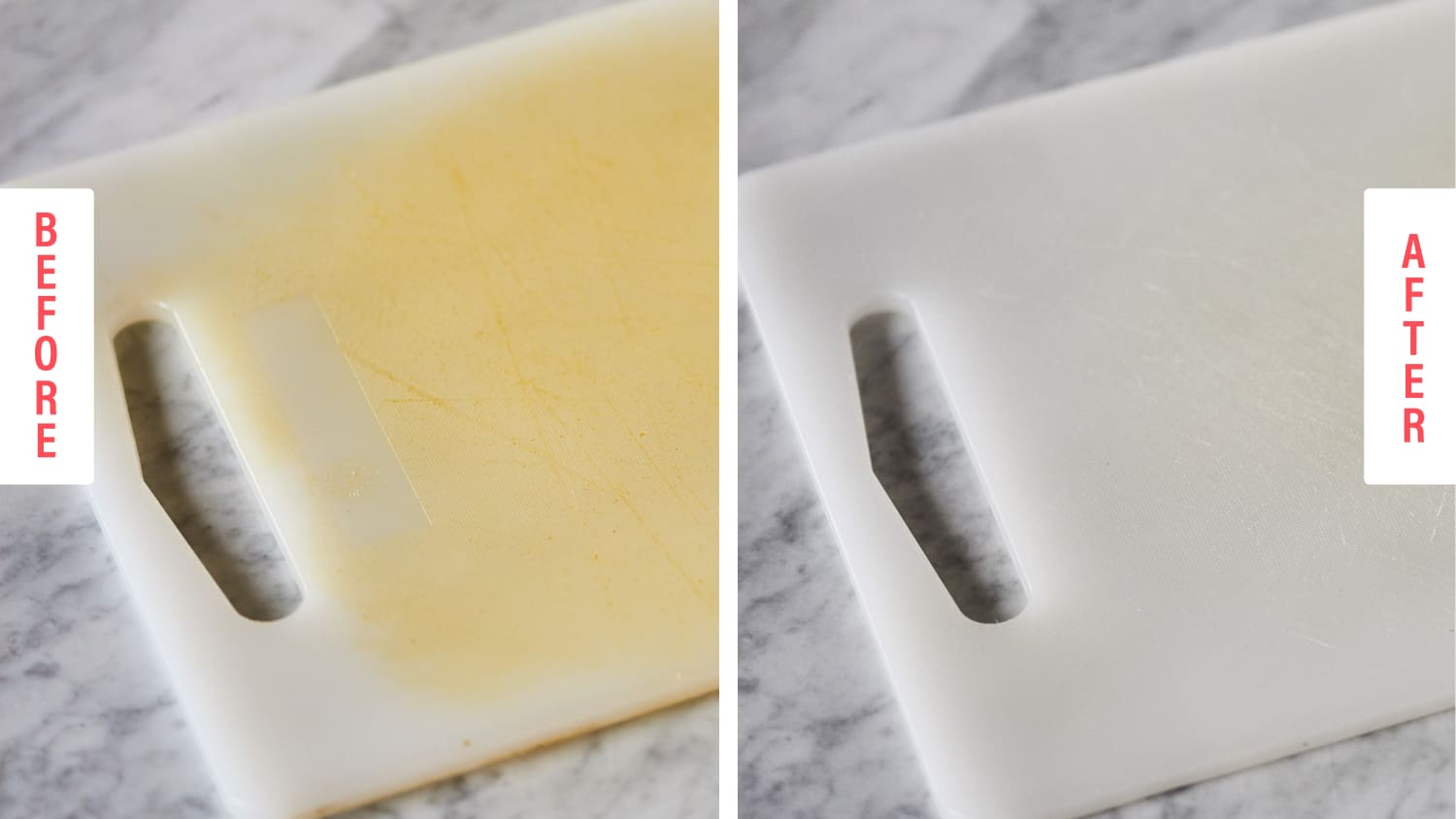
Check your cutting board for deep grooves. These can trap food particles and bacteria. Scratches can make cleaning difficult. A smooth surface is easier to disinfect. If your board is cracked or split, it’s time for a new one. Damage can affect its functionality and safety.
Persistent Odors
Smell your cutting board after cleaning it. If odors linger, it might be time for a replacement. Odors can indicate trapped bacteria. They can also affect the taste of your food. A fresh board ensures a clean environment for food prep. Regular cleaning should remove most smells. If it doesn’t, consider investing in a new board.
Credit: brendid.com
Frequently Asked Questions
How Do You Sanitize A Plastic Cutting Board?
Sanitize a plastic cutting board by washing it with hot, soapy water. Rinse thoroughly and spray with a vinegar solution. Let it sit for 10 minutes, then rinse again. Dry with a clean towel or air dry to prevent bacteria growth.
Regular cleaning keeps your cutting board hygienic and safe for use.
Can Bacteria Live On A Plastic Chopping Board?
Yes, bacteria can live on a plastic chopping board. Proper cleaning and sanitizing are essential to prevent bacterial growth. Use hot, soapy water and occasionally disinfect with a bleach solution. Always dry thoroughly to minimize bacteria. Regular maintenance ensures safety and hygiene in the kitchen.
What Do Chefs Use To Sanitize Cutting Boards?
Chefs sanitize cutting boards using a mixture of water and bleach, vinegar, or hydrogen peroxide. They scrub the board thoroughly to ensure all bacteria are removed. It’s essential to rinse the board well with hot water afterward to ensure safety and cleanliness.
Regular cleaning prevents contamination.
How Often Should I Disinfect My Plastic Cutting Board?
It’s best to disinfect your plastic cutting board after each use. This prevents bacteria from growing. Regular cleaning is crucial, especially after cutting raw meat. Consistent disinfection ensures your cutting board remains safe for preparing food. Always use a suitable disinfectant for the best results.
Conclusion
Keeping your cutting board clean is essential. Regular cleaning prevents bacteria buildup. Use hot water and soap for daily cleaning. Disinfect with vinegar or bleach weekly. Let the board air dry completely. This stops germs from growing. These steps ensure your board stays safe for food preparation.
A clean board protects your health. Always handle it with care. Follow these tips for peace of mind. Your meals stay fresh and safe. Consistent cleaning habits make all the difference. You can enjoy cooking without worry. Your kitchen stays hygienic.
Your food remains safe.

Hi, I’m Daniel Brooks—a food lover and kitchen gear enthusiast. I enjoy testing cookware, utensils, and gadgets to see what really works in everyday cooking. At PlugChef.com, I share honest reviews, comparisons, and simple guides to help you choose the best tools for a safer, smarter, and more enjoyable kitchen.
Related posts:
 What Type of Cooking Utensils are Safe: Expert Picks
 What Innovations Could Blenders Make: Unleashing Future Tech
 Smart Strategies to Organize a Small Kitchen: Maximize Space
 How to Organize a Kitchen Cabinet: Expert Tips & Tricks
 How to Organize Kitchen Drawers: Expert Tips and Tricks
 How to Organize a Corner Kitchen Cupboard: Expert Tips

