

Imagine preparing your favorite meal, only to realize that your cutting board might be harboring harmful bacteria. A cutting board is an essential kitchen tool, but when it’s made of wood, it requires special care to ensure it’s clean and safe.
If you want to keep your wooden cutting board in top-notch condition, understanding how to disinfect it properly is crucial. This article will guide you through simple, effective steps to sanitize your cutting board, protecting your health and enhancing your cooking experience.
You’ll learn techniques that are easy to implement and ensure your cutting board remains both beautiful and hygienic. Get ready to transform your kitchen hygiene and cooking confidence with these expert tips.
Types Of Wood Cutting Boards
Different wood cutting boards require specific cleaning methods. Use hot soapy water for regular cleaning. Disinfect by applying vinegar or hydrogen peroxide.
Understanding the types of wood cutting boards can help you choose the best one for your kitchen and ensure proper maintenance. Different woods have distinct properties, affecting durability, how they react to knife cuts, and their ease of disinfection. Let’s dive into the various types of wood cutting boards and how they can impact your kitchen routine.Maple Cutting Boards
Maple is a popular choice for cutting boards due to its hardness and density. It can withstand heavy knife use without showing too many scars. Plus, its natural grain pattern makes it resistant to bacteria, which is crucial for food safety.Walnut Cutting Boards
Walnut boards are known for their rich, dark color and elegant appearance. They are slightly softer than maple, making them easier on your knives. However, this softness means they might require more frequent disinfection to ensure cleanliness.Cherry Cutting Boards
Cherry wood offers a unique reddish hue and smooth texture. It’s an excellent choice if you’re looking for a board that’s gentle on your knives. The downside is that cherry is more porous, so it needs regular disinfection to prevent bacteria buildup.Teak Cutting Boards
Teak is celebrated for its moisture-resistant properties due to the natural oils within the wood. This makes it less prone to warping and cracking. Yet, these oils can also make it slightly more challenging to disinfect thoroughly.Bamboo Cutting Boards
While technically a grass, bamboo is often grouped with wooden boards because of its similar properties. Bamboo is eco-friendly and exceptionally durable. It’s a great choice if you’re environmentally conscious, but be aware that its hardness can dull knives faster. Choosing the right wood for your cutting board can make a difference in your cooking experience and cleaning routine. Consider your cooking style and maintenance preferences. Have you ever found a type of wood that seems to fit perfectly with your kitchen habits?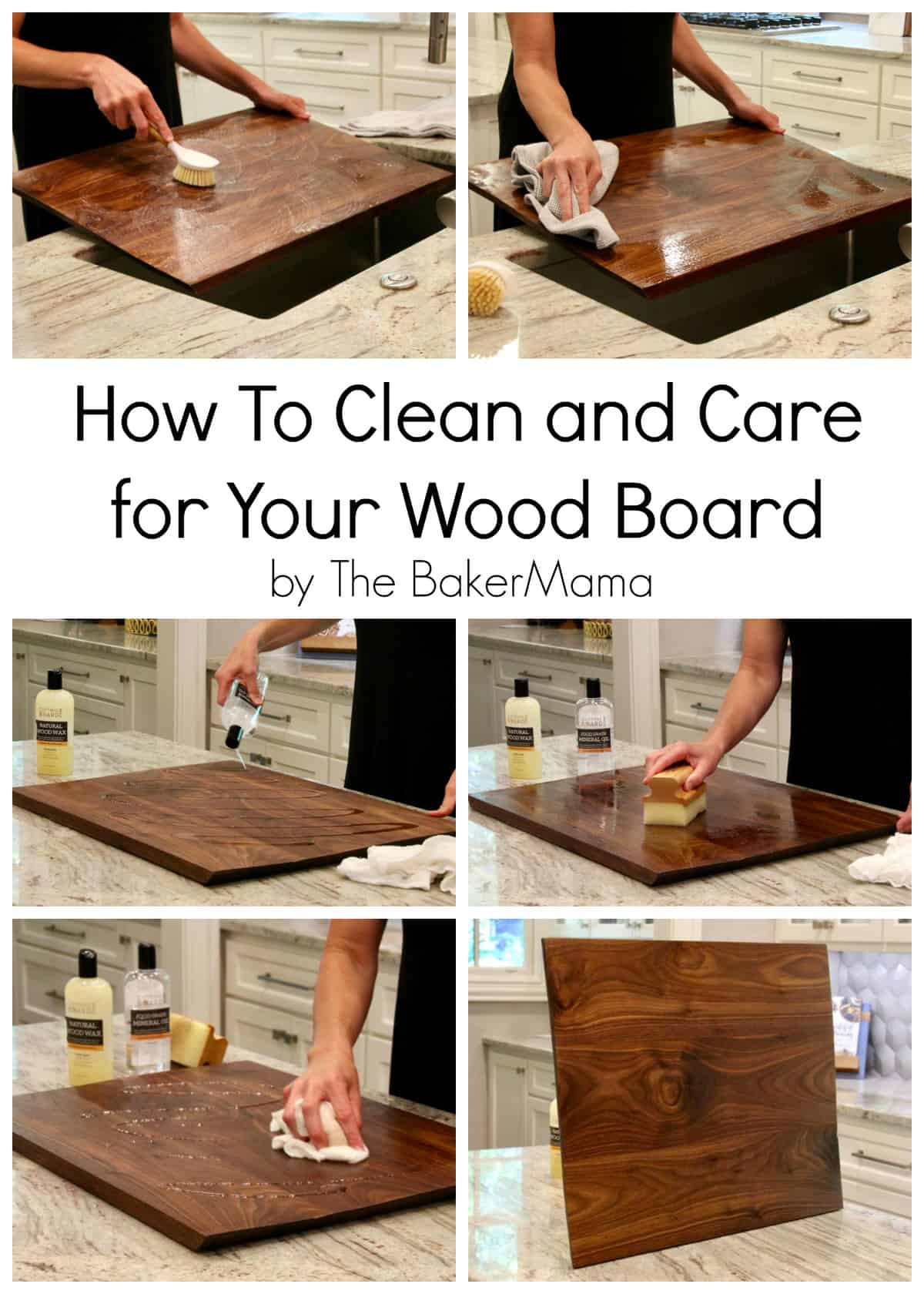
Credit: thebakermama.com
Common Contaminants
Disinfecting wooden cutting boards helps eliminate common contaminants like bacteria and food particles. Clean with hot water and soap. Then, apply white vinegar or hydrogen peroxide. Finally, let it dry completely before use. Regular maintenance ensures a safe cooking surface.
Cutting boards are essential kitchen tools, especially those made from wood. They offer a sturdy surface for chopping vegetables or slicing meat. However, their porous nature makes them susceptible to common contaminants. Understanding these contaminants is crucial for maintaining hygiene and safety in your kitchen. You don’t want your salad to carry traces of yesterday’s chicken, right?Food Residue
Food particles are the most obvious contaminants. Every slice you make leaves behind microscopic remnants. Imagine hosting a dinner party and serving up a delicious meal, only to realize your cutting board is a breeding ground for bacteria. It’s essential to clean thoroughly after each use. Scrubbing the board with hot water and soap can prevent food residue from sticking around.Bacteria
Bacteria are invisible, yet they pose significant health risks. Cutting raw meat? Expect bacteria like Salmonella or E. coli to linger. Think about your family’s health—no one wants to deal with food poisoning. Regular disinfecting with a vinegar solution can keep bacteria at bay. Vinegar is natural and effective, making it a perfect choice for wooden surfaces.Odors
Odors are tricky. They can cling to wood long after you’ve finished cooking. Ever noticed a garlic smell when cutting fruit? It’s unpleasant and can affect the taste of your food. Baking soda is your friend here. Sprinkling some on the board and scrubbing gently can neutralize stubborn odors.Mold
Mold can develop if the cutting board isn’t dried properly. It can thrive in damp environments, leading to unsightly spots. You might think it’s just a stain, but mold can be hazardous. Air drying your board or using a towel ensures moisture doesn’t linger, preventing mold growth.Stains
Stains can be both a visual nuisance and a sign of deeper contamination. Tomato juice or beetroot can leave stubborn marks. Would you want your guests to see a stained board? Lemon juice can help lift stains effectively. Its acidity breaks down the pigments, leaving your board looking fresh. Taking proactive steps to address these contaminants ensures your cutting board remains safe and functional. Regular maintenance not only preserves the wood but also protects your health. What measures do you take to keep your cutting board clean? Share your tips and let’s keep our kitchens safe together!Choosing The Right Cleaning Products
Choosing the right cleaning products for disinfecting your cutting board wood is crucial. You want to ensure your kitchen stays safe without compromising the board’s integrity. Let’s dive into some effective products and methods to keep your wooden cutting board clean and bacteria-free.
Natural Cleaning Solutions
One of the best options for cleaning wooden cutting boards is using natural solutions. Vinegar is an excellent choice; its acidity helps kill germs without harsh chemicals. Simply mix equal parts of water and vinegar, apply to the board, and let it sit for a few minutes before rinsing.
Lemon juice is another fantastic natural cleaner. It not only disinfects but also leaves a fresh scent. Rub a lemon half directly onto the board, allowing the juice to penetrate the wood. This method is particularly effective after cutting foods with strong odors like garlic.
Commercial Cleaners
If you prefer ready-made solutions, several commercial cleaners are designed for wood surfaces. Look for products labeled as food-safe and non-toxic. These cleaners often contain ingredients that are gentle on wood but tough on bacteria.
Do you ever wonder if your cleaner is safe for your family? Check the label for certifications or approvals from health organizations, ensuring peace of mind while maintaining cleanliness.
Hydrogen Peroxide
Hydrogen peroxide is another versatile cleaning agent. It’s known for its disinfecting properties and is safe for kitchen use. Apply a small amount to the board, spread evenly, and let it sit for a few minutes before wiping off.
Have you tried using hydrogen peroxide on stubborn stains? It often works wonders without damaging the wood surface, making it a valuable addition to your cleaning arsenal.
Maintaining The Wood’s Integrity
Avoid cleaners with harsh chemicals that can strip the wood’s natural oils. Using mild detergents or soaps can help preserve the board’s texture and appearance. Always rinse thoroughly to prevent soap residue.
Ever noticed your cutting board looking dry or cracked? Regularly applying mineral oil can restore its natural sheen and extend its lifespan. This simple step ensures your board remains a staple in your kitchen for years.
Choosing the right cleaning products is more than just about sanitization; it’s about caring for your tools. What’s your go-to method for cleaning your cutting board? Share your experiences and tips for keeping your kitchen safe and sparkling!
:max_bytes(150000):strip_icc()/RS_cleaning-wood-cutting-boards_Method-1-Step-3_preview-7200fc857efd4a3d8a5bd927fd2834ac.jpg)
Credit: www.realsimple.com
Step-by-step Cleaning Process
Disinfect your wooden cutting board with a simple, effective process. First, scrub with hot, soapy water. Rinse thoroughly. Then, apply white vinegar to kill germs. Let it sit for a few minutes. Rinse again. Finally, dry with a clean towel to prevent moisture damage.
Cleaning a wooden cutting board might seem like a simple task, but doing it correctly ensures your food is safe and your board lasts longer. A few months ago, I realized my wooden cutting board was starting to look dull and had a faint smell of onions. That’s when I decided to learn the proper cleaning process. Let me share the steps that transformed my board back to its original glory.Removing Surface Debris
Begin by scraping off any food particles left on your cutting board. Use a plastic or wooden spatula to gently remove debris. Never use steel wool or metal scrubbers, as they can scratch the wood. For sticky spots, a sprinkle of coarse salt can help. Rub gently with a damp cloth in circular motions. The salt acts as a mild abrasive, lifting off stubborn residues without damaging the wood.Applying Cleaning Solution
Mix a solution of equal parts white vinegar and water. This natural cleaner is effective in killing bacteria without harsh chemicals. Pour a small amount on the board and spread it evenly with a clean cloth. For an extra boost, add a few drops of lemon juice. The acid in lemon enhances the cleaning power and leaves a fresh scent. Let the solution sit for five minutes to break down any remaining grime.Rinsing And Drying
Rinse your cutting board thoroughly with warm water. Ensure all traces of the cleaning solution are washed away. Excess moisture can damage wood, so this step is crucial. Pat the board dry with a clean towel immediately after rinsing. Stand it upright or place it on a drying rack to air dry completely. Avoid laying it flat on a wet countertop as it might warp or retain moisture. Have you ever thought about the bacteria lurking in your kitchen tools? By following these cleaning steps, you not only maintain the beauty of your wooden cutting board but also ensure your kitchen stays hygienic. Next time you slice, dice, or chop, you’ll know your board is as clean as it can be.Natural Disinfecting Methods
Keeping your wooden cutting board clean is vital. Natural methods offer effective solutions for disinfecting without chemicals. These solutions are simple and use everyday items found at home. They ensure your cutting board remains safe for food preparation. Let’s explore these natural disinfecting methods.
Vinegar Solution
Vinegar is a powerful natural cleaner. Mix equal parts of white vinegar and water in a spray bottle. Spray the mixture generously over the cutting board surface. Let it sit for about ten minutes. This allows the vinegar to work its magic. Wipe the board clean with a damp cloth. Vinegar kills bacteria and removes odors.
Lemon And Salt Scrub
Lemon and salt create an effective scrub for wooden boards. Cut a lemon in half. Sprinkle salt generously over the cutting board. Use the lemon half to scrub the salt into the board. The citric acid in lemon kills germs. Salt acts as an abrasive to remove food residue. Rinse the board with warm water. Dry it thoroughly before storage.
Using Commercial Disinfectants
Commercial disinfectants ensure cutting board wood stays clean. Spray the disinfectant evenly over the board surface. Let it sit for a few minutes before rinsing thoroughly with hot water.
Using commercial disinfectants on your wooden cutting board can be a quick and effective way to ensure it’s clean and safe. Many people opt for these products because they are readily available and easy to use. However, it’s crucial to choose the right disinfectant and apply it correctly to protect your cutting board and your health.Selecting Safe Products
Not all commercial disinfectants are suitable for wood surfaces. Check labels for products safe for use on wood. Avoid bleach-based cleaners, as they can damage the wood and leave residues. Opt for food-safe options whenever possible. Products labeled as food-safe are designed to be used around food without harmful effects. You might be surprised at how many familiar brands offer food-safe disinfectants. Do you have a favorite store or brand you trust? That can be a good starting point for finding a safe product. If in doubt, ask a store employee or do a quick online search.Proper Application Techniques
Applying disinfectant correctly is key to ensuring effectiveness and maintaining your cutting board. Spray or pour the disinfectant evenly over the board’s surface. Use a clean cloth or sponge to spread the product, covering all areas, including corners and edges. Allow the disinfectant to sit for the recommended time on the label. This ensures that it kills germs effectively. Rinse thoroughly with warm water afterward to remove any residue. Do you remember the last time you rushed through cleaning and ended up redoing it? Take your time to let the disinfectant work its magic. Your diligence will pay off with a cleaner, safer cutting board.Maintaining Wood Condition
Disinfecting wood cutting boards ensures safety in the kitchen. Use a mixture of white vinegar and water. Scrub gently, then rinse with warm water. Let it dry completely to prevent bacteria growth. Keep your cutting board clean and extend its life with regular care.
Maintaining a wooden cutting board’s condition is crucial for its longevity. Proper care not only preserves its appearance but also ensures food safety. Wood has natural antibacterial properties, but it still requires regular maintenance. By following a few simple steps, you can keep your cutting board in top shape. Let’s explore how to maintain its condition effectively.Regular Oil Treatments
Oiling your wooden cutting board is essential. It prevents the wood from drying out. Use food-grade mineral oil or beeswax for best results. Apply a generous amount of oil to the board’s surface. Let the oil soak in for a few hours or overnight. Wipe off any excess oil using a clean cloth. Repeat this process once a month or as needed. Well-oiled boards resist stains and odors better.Avoiding Excess Moisture
Wood and water don’t mix well. Excess moisture can cause warping and cracking. After washing, dry your cutting board immediately. Use a clean towel to absorb excess water. Store the board in a dry, upright position. Ensure it has good air circulation. Never soak a wooden board in water or place it in a dishwasher. High humidity or prolonged wetness can damage the wood. Regular drying keeps your board in excellent condition.Signs Of A Board Needing Replacement
Cutting boards are essential tools in every kitchen. Over time, they show signs of wear and tear. Recognizing these signs helps ensure safety and efficiency in food preparation. Let’s dive into the indicators that a wooden cutting board may need replacement.
1. Deep Grooves and CutsDeep grooves can harbor bacteria. These grooves trap food particles and moisture. Regular cleaning may not reach these depths. If you notice stubborn stains, it’s time to consider a new board.
2. Persistent OdorsA lingering odor is a red flag. Wood absorbs smells over time. If a board smells even after cleaning, it might be compromised. Persistent odors can indicate trapped bacteria.
3. Splintered EdgesSplinters pose risks to food and fingers. They can break off and contaminate your meals. Splintered edges often result from excessive wear. A board with rough edges should be replaced for safety.
4. DiscolorationDiscoloration suggests the board is aging. It can result from food stains or bacteria. A faded or darkened board may not be safe to use. Inspect your board regularly for any color changes.
5. Loose Parts or CracksLoose parts indicate structural issues. Cracks can split further and harbor bacteria. A board showing these signs is unreliable. Consider replacing it to maintain hygiene.
Expert Tips For Prolonged Hygiene
Keeping your wooden cutting board clean is crucial. Germs and bacteria can thrive on its surface. Regular cleaning and maintenance help. Learn how to maintain hygiene for your cutting board.
Storage Recommendations
Store your cutting board in a dry area. Moisture invites bacteria. Ensure your board dries completely before storage. Use a rack or stand for better air circulation. Avoid stacking boards to prevent moisture build-up. Keep it away from heat sources like ovens.
Frequency Of Deep Cleaning
Deep clean your cutting board weekly. Use vinegar or hydrogen peroxide. Scrub the board with a brush. Rinse thoroughly with hot water. Let it air dry completely. For heavy use, increase the cleaning frequency.
:max_bytes(150000):strip_icc()/clean-wooden-cutting-board-4772583_05-6782ac2cc4784073ab3769537ed1da34.jpg)
Credit: www.thespruce.com
Frequently Asked Questions
What Do Chefs Use To Sanitize Cutting Boards?
Chefs sanitize cutting boards using a solution of vinegar and water or diluted bleach. They scrub thoroughly, rinse with hot water, and let them air dry. Using separate boards for different food types also helps maintain hygiene. Regular maintenance ensures food safety and prevents cross-contamination in the kitchen.
Do Wood Cutting Boards Disinfect Themselves?
Wood cutting boards do not disinfect themselves. Bacteria can penetrate the wood surface. Regular cleaning with soap and hot water is essential. Occasionally, sanitize with a vinegar or bleach solution to ensure proper hygiene. Always dry thoroughly to prevent moisture buildup and bacterial growth.
Can I Spray Lysol On A Cutting Board?
Avoid spraying Lysol directly on cutting boards. Use warm soapy water to clean them instead. Lysol can leave harmful residues that may contaminate food. Opt for food-safe disinfectants or natural solutions like vinegar for sanitizing cutting boards. Always rinse thoroughly after cleaning to ensure safety.
How Do You Sanitize Wood?
Sanitize wood by mixing vinegar and water in equal parts. Use a cloth to apply the solution. Scrub gently and let it dry. For stubborn stains, add baking soda to the mix. Always test on a small area first. Regular cleaning keeps wood fresh and hygienic.
Conclusion
Keeping your wooden cutting board clean is vital. Regular cleaning prevents bacteria buildup. Use natural cleaners like vinegar or lemon juice. These are effective and safe. Rinse the board thoroughly after cleaning. Let it dry completely to avoid mold. Always store it in a dry place.
A well-maintained cutting board lasts longer. Plus, it keeps your kitchen safe and hygienic. Remember to disinfect regularly. It’s a simple step for better health. Follow these tips for a clean kitchen tool. Stay safe and enjoy cooking!

Hi, I’m Daniel Brooks—a food lover and kitchen gear enthusiast. I enjoy testing cookware, utensils, and gadgets to see what really works in everyday cooking. At PlugChef.com, I share honest reviews, comparisons, and simple guides to help you choose the best tools for a safer, smarter, and more enjoyable kitchen.
Related posts:
 What Type of Cooking Utensils are Safe: Expert Picks
 What Innovations Could Blenders Make: Unleashing Future Tech
 Smart Strategies to Organize a Small Kitchen: Maximize Space
 How to Organize a Kitchen Cabinet: Expert Tips & Tricks
 How to Organize Kitchen Drawers: Expert Tips and Tricks
 How to Organize a Corner Kitchen Cupboard: Expert Tips

