
Imagine transforming your staircase into a stunning focal point in your home, all with a simple addition: a perfectly cut stair skirt board. Whether you’re a seasoned DIY enthusiast or just starting out, learning how to cut a stair skirt board can seem daunting.
But fear not! This guide is here to make it not only manageable but enjoyable. As you delve into this article, you’ll discover the secrets to cutting a stair skirt board with precision and ease. We’ll break down each step and share insider tips that can save you time and effort.
Picture the pride you’ll feel when you see your staircase looking polished and professional. You’ll gain the skills to impress your guests and elevate your home’s aesthetic appeal. Don’t let hesitation hold you back from achieving a beautiful staircase. Let us guide you through this process with clear instructions and expert advice. You’re just a few steps away from mastering the art of cutting stair skirt boards. Are you ready to unlock the potential of your staircase? Let’s get started!
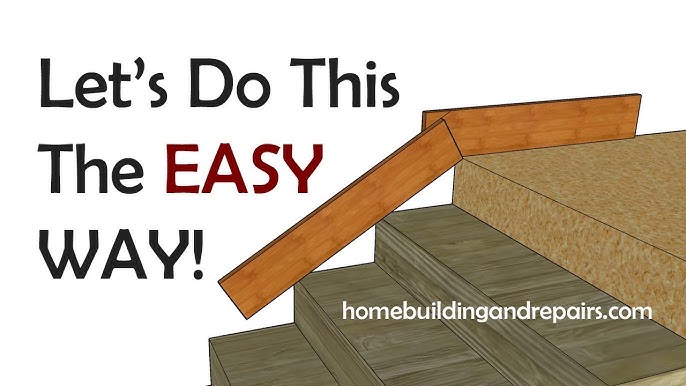
Credit: www.youtube.com
Choosing The Right Tools
Selecting the correct tools is crucial for cutting stair skirt boards accurately. Use a miter saw for precise angles and a jigsaw for curved cuts. Ensure your measuring tape is reliable to avoid errors.
Choosing the right tools for cutting a stair skirt board is crucial for achieving a clean, professional finish. You might be tempted to use whatever tools you have lying around, but the right tools make the job easier and ensure a precise cut. If you’ve ever tried using a dull saw or mismatched equipment, you know how frustrating and time-consuming it can be.Essential Tools For The Job
To cut a stair skirt board effectively, you need a few essential tools. A miter saw is ideal for making accurate angled cuts, which are often required for fitting skirt boards around staircases. If you don’t have a miter saw, a hand saw with a miter box can be a good alternative. Another critical tool is a jigsaw for cutting curves or notches around stair treads and risers. It offers flexibility and precision, especially in tight spaces. A measuring tape ensures your cuts are accurate, and a pencil is essential for marking your cutting lines clearly.Safety Equipment
Safety should always be your priority when working with power tools. Protecting your eyes with safety goggles is essential, as tiny wood particles can cause serious injury. Ear protection is also advisable, especially when using loud tools like saws. Consider wearing gloves to protect your hands, but ensure they allow for dexterity. A dust mask can protect your respiratory system from sawdust, which can be harmful if inhaled. Are you prioritizing safety in your DIY projects? Choosing the right tools and safety equipment not only helps you achieve a professional look but also makes the project more enjoyable. Investing in quality tools can save you time and frustration, leading to a more satisfying result.
Credit: www.youtube.com
Measuring And Marking
Measuring and marking are crucial steps in cutting a stair skirt board. These steps ensure the board fits snugly against the wall and stairs. Precision in this phase saves time and prevents costly mistakes. It’s essential to approach this task with care and attention to detail.
Accurate Measurement Techniques
Start by gathering your tools: tape measure, level, and a straight edge. Measure the total height and length of the staircase. Record these dimensions accurately. Don’t guess or estimate. Use a tape measure for exact numbers. Make sure the tape is straight and tight.
Next, measure the rise and run of each step. The rise is the height of the step. The run is the depth. Confirm these measurements are consistent throughout the staircase. Any variation affects the fit of the skirt board.
Marking For Precision
With measurements in hand, transfer them to the skirt board. Use a pencil for marking. It’s easy to erase and adjust if needed. Begin by marking the top and bottom edges. These marks guide the alignment.
Mark the rise and run on the board. Use a carpenter’s square for straight lines. Double-check each mark for accuracy. Even small errors lead to poor fit. Mark the cut lines clearly. They will guide your saw during cutting.
Review all measurements and marks before cutting. Ensure everything is precise and clear. This step prevents mistakes and ensures a perfect fit.
Cutting Techniques
Cutting a stair skirt board might seem daunting at first, but with the right techniques, you can transform this task into a rewarding DIY project. The key is understanding which tools work best for specific cuts and how to wield them effectively. From circular saws to jigsaws, each tool has its strengths that can make cutting stair skirt boards simpler and more precise. Let’s dive into some practical cutting techniques that will help you achieve professional-looking results.
Using A Circular Saw
A circular saw is your go-to tool for making long, straight cuts on stair skirt boards. It’s fast and efficient, perfect for cutting through tough material like hardwood. The trick is to maintain a steady hand and follow your marked lines carefully. Have you ever tried cutting with a circular saw and ended up with wobbly lines? It’s all about keeping a consistent pace and letting the saw do the work. Remember to check the blade regularly for sharpness; a dull blade can make your job unnecessarily difficult.
Jigsaw Cutting Tips
For intricate cuts or when navigating curves, a jigsaw is invaluable. Its flexibility allows you to cut out designs or adapt to irregular shapes. You might find yourself needing to cut around stair noses or other obstacles. In such cases, a jigsaw’s ability to pivot is crucial. Always ensure your jigsaw blade is appropriate for the material you’re cutting. A fine-toothed blade works wonders for cleaner edges. Have you ever wondered why your jigsaw cuts are rough? It’s often due to using the wrong blade for the job.
Mitre Saw For Angled Cuts
When precision is key, especially for angled cuts, a mitre saw shines. This tool allows you to make accurate bevel or angled cuts with ease. Imagine trying to fit a skirt board snugly against the wall; a mitre saw helps you achieve that perfect fit. It’s important to measure twice and cut once, ensuring your angles are correct. Have you ever cut an angle only to find it’s slightly off? That’s why double-checking your measurements is vital. Consider using a mitre saw for those tricky corner joints where accuracy can make all the difference.
Understanding these cutting techniques can make your stair skirt board project more enjoyable and less stressful. Which tool do you think will help you the most on your next project? Each has its place, and knowing when to use them can save you time and effort.
Fitting The Skirt Board
Fitting the skirt board is an essential step in stair installation. It ensures a polished look and smooth transitions. Accurate fitting prevents gaps and enhances safety. Taking precise measurements is crucial. Adjustments and trimming come next, allowing for a perfect fit. Follow these steps to fit your stair skirt board seamlessly.
Dry Fitting For Accuracy
Start with a dry fit to check dimensions. Place the skirt board against the wall. Ensure it aligns with the stair treads. Use a level to verify straightness. Mark any areas needing adjustment. This step helps identify potential issues. Measure twice for precision. Double-check corners and edges.
Adjustments And Trimming
Make necessary adjustments to the skirt board. Trim excess material carefully. Use a saw for straight cuts. Sand edges for a smooth finish. Pay attention to corners. They may require additional trimming. Use a coping saw for intricate curves. Aim for a snug fit against the stairs. Avoid leaving gaps between the board and wall.
Securing The Skirt Board
Securing the skirt board is a crucial step in ensuring the longevity and aesthetic appeal of your staircase. Without proper attachment, the skirt board could shift over time, leading to unsightly gaps and compromised structural integrity. As you prepare to secure your skirt board, consider whether you prefer traditional nailing techniques or modern adhesive methods. Both approaches have their merits, and understanding them will empower you to make the best choice for your project.
Nailing Techniques
Nailing the skirt board might sound like an old-school approach, but it remains highly effective. Using finish nails, you can secure the board with precision. Aim to place nails at regular intervals, ensuring each nail is driven into a solid part of the stair structure.
Are you worried about visible nail heads spoiling the look? Use a nail set to drive them below the surface and fill the holes with wood filler. This technique keeps the board securely attached while maintaining a clean, polished appearance.
Consider your personal experience with a hammer and nails. If you’re comfortable, you’ll find nailing straightforward. If not, practicing on scrap wood can boost your confidence and ensure a professional finish.
Using Adhesive
Adhesive offers a modern alternative to nailing. High-strength construction adhesive provides a robust bond between the skirt board and the stairs. Apply a generous bead along the backside of the board, pressing it firmly into place.
Think about the benefits of using adhesive. It eliminates the need for visible nails, offering a seamless appearance. Plus, adhesive absorbs minor movements, reducing the risk of squeaks or shifts over time.
Have you ever wondered if adhesive alone is enough? Combining it with a few strategically placed nails can provide extra security, ensuring your skirt board remains steadfast for years. Choose the method that suits your skill level and aesthetic preference.
As you weigh your options, ask yourself: Do you prefer the traditional sturdiness of nails, or the sleek finish adhesive provides? Your choice will shape both the look and durability of your staircase.
Finishing Touches
Finishing touches on a stair skirt board elevate its appearance and durability. This phase ensures the skirt board looks polished and ready for use. Proper finishing enhances the overall aesthetic of your staircase. It provides a seamless look that complements your home’s decor. Below are some essential steps to achieve a perfect finish.
Sanding For Smoothness
Sanding removes any rough edges and imperfections on the skirt board. Start with a coarse grit sandpaper to smooth out uneven surfaces. Gradually shift to a finer grit for a polished finish. Pay attention to corners and edges, ensuring they are smooth to touch. A well-sanded board is easier to paint or stain.
Painting Or Staining Options
Choose between painting or staining the stair skirt board. Paint offers a variety of color options. It can match or contrast with the stair design. Staining highlights the natural wood grain, giving a classic look. Apply a primer if painting, to ensure better adhesion. For staining, use a pre-stain wood conditioner for even color. Apply multiple coats for both options, allowing each to dry completely.
Common Mistakes To Avoid
Cutting a stair skirt board can be challenging. Precision is key. Mistakes can lead to wasted materials and time. Understanding common errors helps avoid them. This section highlights typical mistakes. Avoid these for a smooth project.
1.Not Measuring AccuratelyAccurate measurements are crucial. A small error can cause big problems. Double-check your measurements. Use a reliable measuring tape. Make notes to remember your dimensions.
2.Ignoring Wall IrregularitiesWalls are rarely perfectly straight. Ignoring this can lead to gaps. Check for wall irregularities. Adjust your cuts accordingly. This ensures a snug fit.
3.Wrong Saw Blade ChoiceThe right saw blade makes a difference. A dull blade leads to rough cuts. Use a sharp, fine-tooth blade. This gives you clean edges. Replace blades that struggle with cuts.
4.Skipping Dry FitsDry fits help spot issues early. Skipping them causes surprises later. Test the fit before finalizing cuts. It allows for adjustments. Saves time and reduces stress.
5.Forgetting Safety GearSafety is important. Forgetting gear can lead to injury. Wear goggles and gloves. Protect your eyes and hands. Safety should always come first.
6.Incorrect Angle CutsAngle cuts require precision. Incorrect angles lead to poor fits. Use a protractor for accuracy. Check angles twice before cutting. This ensures proper alignment.
Expert Tips For Beginners
Cutting a stair skirt board involves precise measurements and careful cutting techniques. Start by measuring the staircase’s rise and run. Use a saw to cut the board accurately, ensuring a snug fit along the stairs.
Cutting a stair skirt board can seem like a daunting task, especially if you’re just starting out. But with the right guidance, you can transform a simple board into a beautiful, functional piece of your staircase. You don’t need to be a pro; you just need a few expert tips to set you on the right path. Let’s dive into the essentials that every beginner should know to make this process smoother and more enjoyable.Understanding Your Tools
Before you begin, familiarize yourself with the tools you’ll be using. A good saw is crucial, but so is a measuring tape and a pencil. These tools are your best friends in ensuring accuracy. Have you ever tried cutting without a proper guide? It’s like walking in the dark without a flashlight. Make sure your tools are ready and reliable.Measure Twice, Cut Once
Precision is key. Double-check your measurements to avoid costly mistakes. A small error can lead to a big headache. Consider the space and angle of your stairs. Are there any unique features that might affect the skirt board? Taking time now saves frustration later.Practice On Scrap Wood
If you’re nervous about making the first cut, practice on scrap wood. This allows you to get a feel for the saw and the cutting process without risking your main piece. It’s like warming up before a big game. How many times have you wished for a do-over? With practice, you get just that.Follow The Grain
Cutting with the grain ensures a cleaner finish. It reduces splintering and gives a smooth edge. Have you ever wondered why some cuts look jagged? The direction of your cut matters. Follow the grain for a professional touch.Safety First
Always prioritize safety. Wear goggles and gloves to protect yourself. It’s easy to forget these basics in the excitement of the project. But can you really afford to take risks? Your well-being should never be compromised.Seek Advice When Needed
Don’t hesitate to reach out for help. Whether it’s a friend who’s handy or a YouTube video, there’s a wealth of resources available. Ever felt stuck halfway through a project? A fresh perspective can make all the difference. Each of these tips is designed to make your experience not just successful, but enjoyable. So, what are you waiting for? Grab your tools and start cutting with confidence.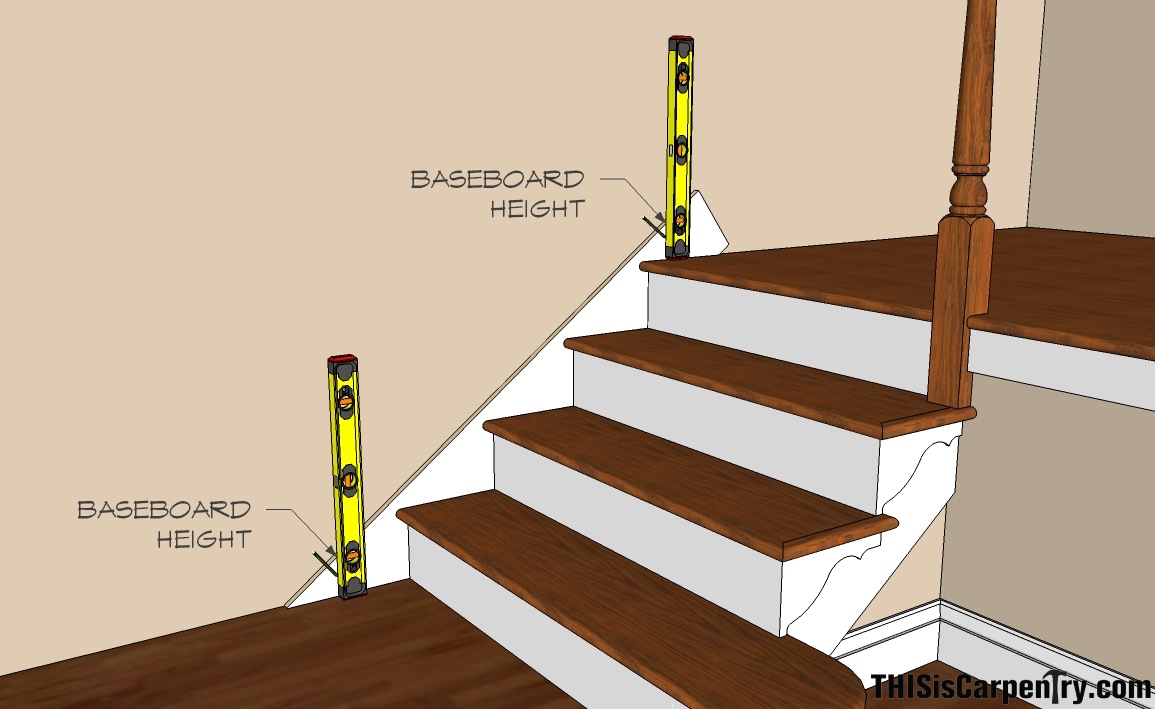
Credit: www.thisiscarpentry.com
Frequently Asked Questions
What Size Board To Use For Stair Skirt?
Use a 1×12 board for stair skirts to ensure a clean, finished look. Measure the stair length accurately. Cut the board to fit seamlessly along the wall. Consider the stair rise and run for precise installation. This board size offers durability and aesthetic appeal for most staircases.
What Is The Best Tool To Cut Stair Stringers?
A circular saw is ideal for cutting stair stringers, ensuring precise cuts and easy handling. For detailed work, a jigsaw complements well. Use a framing square for accurate angles. Always prioritize safety with proper protective gear. Remember, the right tools enhance efficiency and accuracy in stair construction projects.
How To Cut Out Skirting Board?
To cut out a skirting board, measure and mark the area. Use a saw for straight cuts. For corners, use a mitre saw to achieve angled cuts. Ensure all cuts are precise. Sand edges for a smooth finish before installation.
Always wear protective gear for safety.
What Size Board Should I Use To Cut Stair Stringers?
Use a 2×12 board to cut stair stringers. It provides stability and supports standard stair dimensions. Ensure the wood is free from defects for safety.
Conclusion
Cutting a stair skirt board is a simple task with the right steps. First, measure carefully to ensure a snug fit. Use a quality saw for straight cuts. Sand the edges for a smooth finish. Keep safety gear on at all times.
Follow these steps, and your stair skirt will look neat and professional. Practice makes perfect, so don’t worry if it’s not flawless on the first try. With patience and attention to detail, you can achieve a polished look. Enjoy your new stairs and the sense of accomplishment from doing it yourself.
Happy building!

Hi, I’m Daniel Brooks—a food lover and kitchen gear enthusiast. I enjoy testing cookware, utensils, and gadgets to see what really works in everyday cooking. At PlugChef.com, I share honest reviews, comparisons, and simple guides to help you choose the best tools for a safer, smarter, and more enjoyable kitchen.
Related posts:
 What Type of Cooking Utensils are Safe: Expert Picks
 What Innovations Could Blenders Make: Unleashing Future Tech
 Smart Strategies to Organize a Small Kitchen: Maximize Space
 How to Organize a Kitchen Cabinet: Expert Tips & Tricks
 How to Organize Kitchen Drawers: Expert Tips and Tricks
 How to Organize a Corner Kitchen Cupboard: Expert Tips