
Are you ready to transform your staircase into a showstopper? Cutting a skirt board for your stairs might seem daunting, but with the right guidance, you can achieve a polished, professional look.
Imagine walking into a room and immediately catching the eye with a beautifully finished staircase. The secret lies in the details, and the skirt board is a crucial component that can elevate your home’s aesthetic. In this guide, we’ll walk you through the steps to cut a skirt board perfectly.
You’ll discover tips and tricks that can make the process smoother and more efficient. Whether you’re an experienced DIY enthusiast or just starting out, mastering this skill could be easier than you think. Keep reading to unlock the potential of your staircase and make your home truly remarkable.
Tools And Materials Needed
Embarking on a DIY project to cut a skirt board for your stairs? You’ll need the right tools and materials to ensure precision and quality. This guide will help you gather everything necessary for a successful project. Let’s dive into the essential items you need.
Tools Required
A measuring tape is crucial for accurate measurements. Get a quality carpenter’s square to ensure perfect right angles. A circular saw will make cutting easier and faster. Consider a jigsaw for intricate cuts and curves. Use a level to confirm the board is straight. A pencil or chalk will help mark precise cutting lines.
Materials Needed
Select a high-quality skirt board material. Popular choices include wood or MDF. Make sure the board matches your staircase design. Sandpaper will smooth edges after cutting. Wood glue and screws will secure the board in place. Paint or stain will finish the board and match your decor.
Safety Gear
Protect your eyes with safety glasses. Wear gloves to shield your hands. A dust mask will prevent inhaling sawdust. Ensure a clean and safe workspace to avoid accidents.
Measuring The Staircase
Measuring the staircase accurately is crucial when cutting a skirt board. A well-measured skirt board ensures a perfect fit and enhances the staircase’s appearance. This task requires attention to detail and precision.
Determining Length And Height
Begin by measuring the staircase’s total length. Use a tape measure for accuracy. Start from the top step and measure down to the last step. Record the measurement carefully.
Next, determine the height of the staircase. Measure from the floor to the top of the highest step. This measurement helps in cutting the skirt board correctly.
Marking The Skirt Board
Lay the skirt board flat on a work surface. Use a pencil to mark the measurements. Start with the length, marking the exact distance measured.
Mark the height at regular intervals along the board. These marks guide you when cutting. Ensure the marks are clear and visible.
Double-check your measurements before cutting. Errors can lead to wasted materials. Accurate marking leads to a perfect fit.
Choosing The Right Skirt Board Material
Choosing the right skirt board material is crucial for your stair project. It affects both the look and durability of your stairs. Many people overlook this important step. Yet, it sets the foundation for a successful installation. Let’s explore some popular materials for skirt boards.
Wooden Skirt Boards
Wood is a classic choice for skirt boards. It offers warmth and natural beauty. Pine and oak are common options. They are both durable and easy to work with. Wooden skirt boards can be stained or painted. This allows you to match them with your home decor.
Mdf Skirt Boards
MDF, or medium-density fiberboard, is another popular option. It is budget-friendly and easy to cut. MDF has a smooth surface that takes paint well. It is perfect for modern, sleek designs. However, MDF is not as strong as wood. It may not be ideal for high-traffic areas.
Pvc Skirt Boards
PVC skirt boards are known for their durability. They resist moisture, making them great for damp areas. PVC is also low maintenance and easy to clean. These boards come in various colors and finishes. They are a good choice for busy households.
Composite Skirt Boards
Composite materials blend wood fibers and plastic. This mix offers strength and versatility. Composite skirt boards mimic the look of real wood. Yet, they offer better resistance to wear and tear. They are ideal for homeowners seeking a long-lasting solution.

Credit: www.youtube.com
Cutting Techniques For Skirt Boards
Cutting skirt boards for stairs can be a bit challenging, but with the right techniques, you can achieve a professional finish. Whether you’re renovating your home or building a new staircase, understanding the right cutting methods is crucial. It’s not just about making the cut; it’s about ensuring precision and accuracy to enhance the aesthetic appeal of your stairs.
Using A Circular Saw
A circular saw is a powerful tool that can make quick and precise cuts. It’s perfect for straight edges on skirt boards. Start by marking the cut line clearly on your board. This ensures you don’t veer off course while cutting.
Adjust the depth of the saw blade to match the thickness of the board. This prevents unnecessary friction and ensures a clean cut. Remember to wear safety goggles to protect your eyes from sawdust.
While cutting, maintain a steady hand and follow the line closely. A tip: take your time and don’t rush the cut. This will minimize mistakes and give you a smoother edge. Have you ever tried using a circular saw for precise cuts? It’s surprisingly effective.
Precision With A Jigsaw
A jigsaw is your go-to tool for intricate cuts and curves. It’s ideal for those tricky angles that a circular saw can’t handle. Mark your curves or angles on the skirt board with a pencil before you start.
Use a fine-toothed blade for smoother cuts. This type of blade offers more control and reduces splintering. Cutting slowly and steadily ensures precision, especially on curves.
Consider the jigsaw’s speed settings; slower speeds offer better control over detailed cuts. Have you ever been frustrated by jagged edges? A jigsaw can alleviate that with its precision. Are you ready to try cutting curves with confidence?
Each tool has its strengths. The key is understanding when to use each one for the best results. Are you ready to transform your staircase with perfectly cut skirt boards?
Fitting The Skirt Board
Fitting the skirt board for your stairs is a crucial step that ensures a polished look. It’s the stage where precision meets patience, as you adapt the board to hug the contours of your staircase. Achieving a flawless fit can transform your stairway from ordinary to spectacular. Are you ready to tackle this task with confidence?
Ensuring A Snug Fit
To get that perfect fit, start by measuring the length and angle of each stair. Use a carpenter’s square to check angles and a measuring tape for lengths. A snug fit is essential for both aesthetics and safety.
Cut the skirt board carefully, following your measurements. Make small adjustments if needed; it’s better to trim slowly than to cut too much at once. Remember, patience is your ally here.
Have you ever been frustrated with a piece that just wouldn’t fit? You’re not alone. This step demands precision, but with patience, you’ll triumph. Feel free to share any tricks that have worked for you.
Addressing Gaps And Uneven Surfaces
Sometimes, despite your best efforts, gaps or uneven surfaces appear. Don’t worry; it’s a common challenge. Use wood filler or caulk to fill small gaps. This simple fix keeps your work looking professional.
If the surface is uneven, a bit of sanding might be necessary. This smooths out any imperfections and helps the skirt board sit flush against the stairs. Remember, a seamless look isn’t just about cuts; it’s about finishing touches.
Have you encountered tricky spots where the skirt board just wouldn’t sit right? Share your experiences or solutions in the comments. Your insights could help someone else tackle their project.
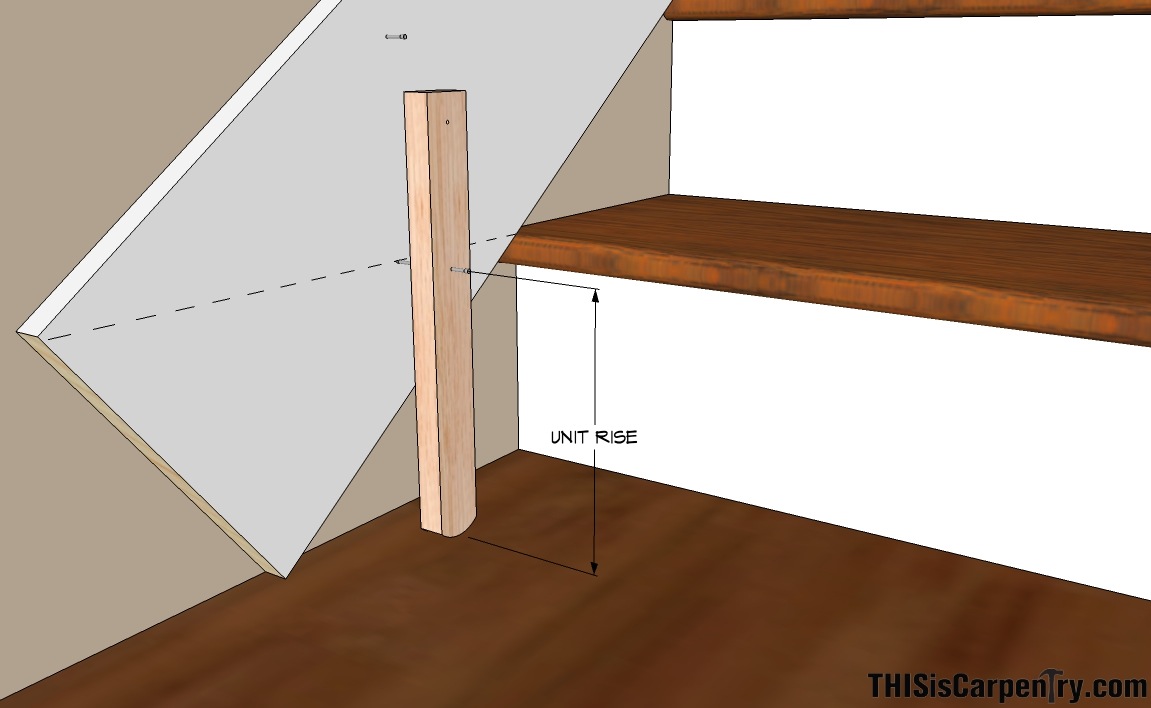
Credit: www.thisiscarpentry.com
Finishing Touches
The skirt board is almost ready, but finishing touches matter. They enhance durability and aesthetics. Pay attention to details for a polished look. This ensures the skirt board complements the stairs beautifully. Follow these steps for a perfect finish.
Sanding And Smoothing
Start by sanding the skirt board. Use a fine-grit sandpaper for best results. This removes any rough edges or splinters. Focus on even smoothing. Check for any uneven surfaces. Sand until the board feels smooth to the touch.
Sanding also prepares the surface for paint or stain. It helps in better adhesion. Use a damp cloth to wipe away dust. Ensure the board is clean and ready for the next step.
Painting Or Staining Options
Decide between painting or staining the skirt board. Both options have their own charm. Paint offers a fresh, clean look. Choose a color that matches the interior. Use a primer for better paint adhesion.
Staining highlights the wood’s natural beauty. It enhances the grain pattern. Stains come in various shades. Select one that suits your style. Apply a protective sealant after staining. This adds durability and a glossy finish.
Whether painting or staining, use even strokes. Apply multiple coats for a richer finish. Allow adequate drying time between coats. These steps ensure a lasting and attractive finish.
Common Mistakes To Avoid
Cutting skirt boards for stairs often leads to errors like incorrect measurements or uneven cuts. Ensuring precise measurements and using the right tools can prevent these common mistakes. Accurate planning and careful execution are key to achieving a smooth finish.
Cutting a skirt board for stairs can be a daunting task, especially if you’re new to carpentry. It’s a crucial element in ensuring your staircase looks polished and professional. However, many people make common mistakes that can lead to frustrating outcomes. Understanding these pitfalls can save you time, effort, and money. Let’s take a closer look at the common mistakes you should avoid.1. Misjudging Measurements
Accurate measurements are the backbone of a successful project. If your measurements are off, even slightly, the skirt board might not fit properly. Always double-check your measurements before making any cuts. Consider using a reliable measuring tape and marking your measurements clearly.2. Ignoring The Stair Angle
Each staircase has a unique angle that needs to be matched with the skirt board. Overlooking this can lead to a misaligned board. Use an angle finder tool to measure the staircase angle accurately. Cutting the board without considering the angle might result in a poor fit.3. Cutting Without A Template
Templates provide a guide to ensure precision. Cutting without one can lead to errors that are hard to fix. Create a template using cardboard or plywood to match the shape of your stairs. This helps you visualize the cuts and make necessary adjustments before working on the actual board.4. Skipping The Dry Fit
A dry fit involves placing the skirt board in position without fastening it. Skipping this step can lead to unexpected surprises later. By dry-fitting, you can see if there are any adjustments needed before final installation. It’s a quick step that can prevent headaches down the line.5. Neglecting Safety Precautions
Safety should always be your priority. Using sharp tools without proper safety gear can be dangerous. Make sure you wear gloves and safety goggles while cutting the skirt board. It’s easy to get caught up in the task, but taking a moment to ensure your safety is crucial. Avoiding these common mistakes can make the difference between a smooth installation and a problematic one. Have you ever experienced any of these mistakes firsthand? Share your thoughts or any additional tips in the comments below!
Credit: www.youtube.com
Safety Tips
Cutting a skirt board for stairs requires precision and safety. Ensure your tools are sharp and well-maintained. Use proper protective gear, like safety goggles and gloves, to prevent accidents. Measure accurately to avoid mistakes, and always follow the manufacturer’s instructions for equipment usage.
Cutting a skirt board for stairs is a task that requires precision and care. Safety should be your top priority to prevent accidents and ensure a smooth process. Whether you’re a seasoned DIY enthusiast or a beginner trying your hand at carpentry, understanding and implementing safety tips can make a significant difference in your experience and outcome. This section will guide you through essential safety measures that you should keep in mind.Wear Protective Gear
Always wear appropriate protective gear. Safety goggles protect your eyes from flying debris. Ear protection shields you from the noise of power tools. Gloves can help prevent cuts and splinters, although be cautious as they can sometimes get caught in machinery.Ensure A Clean Work Area
A clutter-free workspace is crucial. Make sure your tools are organized and easily accessible. Clear away any unnecessary items that might obstruct your movement. This reduces the risk of tripping or accidentally knocking something over.Use The Right Tools
Using the right tools is key. Ensure your saw is sharp and in good condition. Dull blades can lead to accidents and poor cuts. Familiarize yourself with each tool’s operation manual, especially if it’s your first time using it.Check Your Equipment
Inspect your equipment before starting. Check for any damage or wear that could cause malfunction. Verify that all parts are secure and functioning correctly. A small oversight can lead to significant mishaps.Position Yourself Properly
Maintain a stable stance while cutting. Keep your feet shoulder-width apart for balance. Ensure your body is positioned away from the blade’s path. This helps maintain control and minimize the risk of injury.Stay Focused
Concentration is crucial. Avoid distractions like phones or conversations while working. If you’re tired, take a break. A momentary lapse in focus can lead to serious accidents.Consider Your Experience Level
Evaluate your skill level honestly. If you’re a beginner, start with simpler tasks to build confidence. Consider seeking guidance from more experienced individuals. There’s no shame in asking for help—it can be a valuable learning experience. Safety is not just about following rules; it’s about understanding why they matter. Have you ever had a close call that made you rethink your approach? Taking the time to prioritize safety can be the difference between a successful project and an unfortunate incident. So, as you prepare to cut your skirt board, keep these tips in mind and approach your work with care and attention.Frequently Asked Questions
What Size Board To Use For Stair Skirt?
A typical stair skirt board is 10-12 inches wide. This size allows for adequate coverage and a clean look. Ensure the board is at least 1 inch thick for durability. Choose a length that spans the entire staircase for seamless installation.
How To Cut Skirting Board Without Multi Tool?
Use a handsaw and a miter box to cut skirting boards. Measure and mark the board accurately. Secure it in the miter box, aligning with the desired angle. Saw carefully along the marked line. Sand the edges for a smooth finish.
Always prioritize safety by using protective gear.
Do You Install Stair Skirt Board Before Or After Treads?
Install the stair skirt board before the treads. This ensures a clean, seamless appearance. Positioning it first allows for precise cutting and fitting. Proper installation enhances the overall aesthetic and functionality of the staircase.
What Is The 17 Inch Rule For Stairs?
The 17-inch rule for stairs ensures safety and comfort. Add the riser height and tread depth to get 17 inches. This balance provides easy navigation and reduces strain when climbing or descending stairs. Following this rule helps maintain ergonomic design in stair construction.
Conclusion
Cutting a skirt board for stairs requires patience and precision. Follow the steps with care. Measure carefully to avoid mistakes. Use the right tools for clean cuts. Double-check your work as you go. Safety is important; wear protective gear. Practice will improve your skills over time.
Soon, you’ll feel more confident in your ability. Remember, each step matters in achieving a good fit. Keep learning and practicing. Your efforts will pay off with a professional-looking finish. Enjoy the process and take pride in your craftsmanship.

Hi, I’m Daniel Brooks—a food lover and kitchen gear enthusiast. I enjoy testing cookware, utensils, and gadgets to see what really works in everyday cooking. At PlugChef.com, I share honest reviews, comparisons, and simple guides to help you choose the best tools for a safer, smarter, and more enjoyable kitchen.
Related posts:
 What Type of Cooking Utensils are Safe: Expert Picks
 What Innovations Could Blenders Make: Unleashing Future Tech
 Smart Strategies to Organize a Small Kitchen: Maximize Space
 How to Organize a Kitchen Cabinet: Expert Tips & Tricks
 How to Organize Kitchen Drawers: Expert Tips and Tricks
 How to Organize a Corner Kitchen Cupboard: Expert Tips