

Have you ever found yourself staring at a sheet of Hardie cement board, wondering how to cut it cleanly without damaging it? You’re not alone.
Many DIY enthusiasts and professionals face this challenge. The good news is, with the right approach, cutting Hardie cement board can be straightforward. Imagine the satisfaction of achieving a perfect cut, enhancing your project’s durability and aesthetic appeal. In this guide, we’ll walk you through the essential steps and tips to ensure you get it right the first time.
Whether you’re renovating your bathroom or installing siding, mastering this skill will save you time, money, and frustration. Dive in and discover how you can transform your project from ordinary to extraordinary.
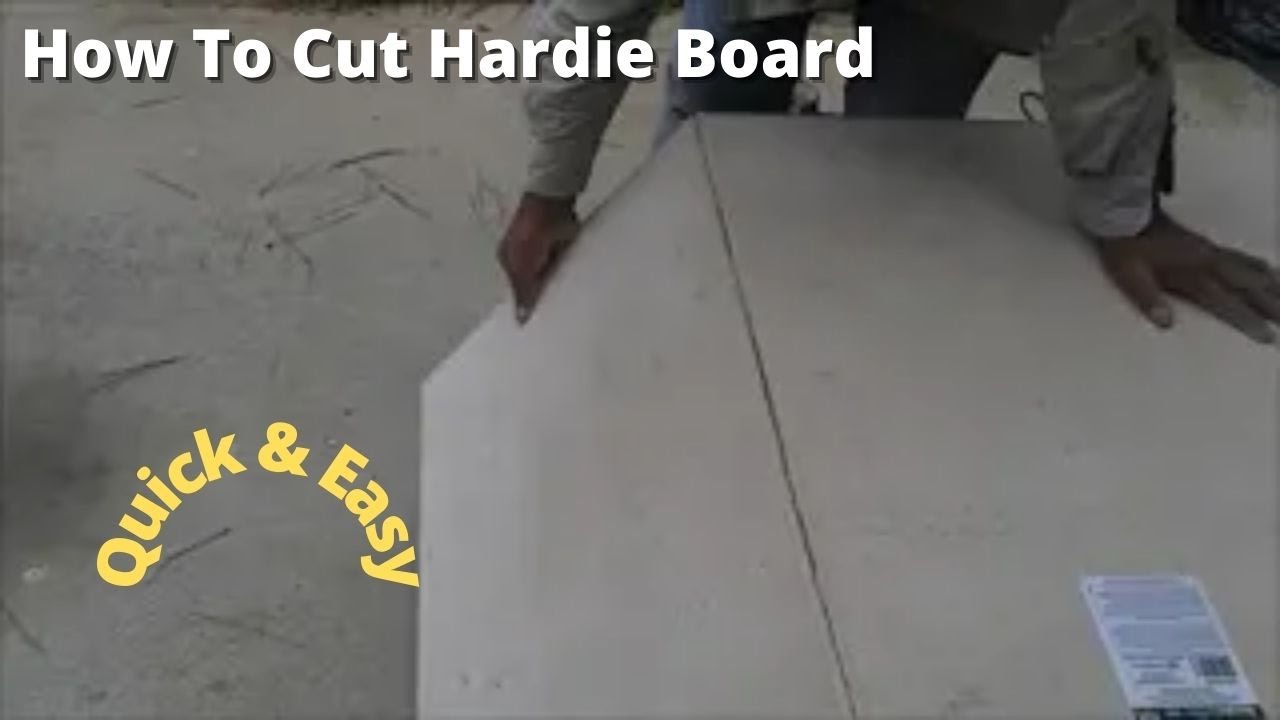
Credit: www.youtube.com
Essential Tools
Cutting Hardie Cement Board requires precision and the right tools. Without the proper equipment, the task can become challenging. Equip yourself with essential tools for a smooth cutting process. Using the correct tools ensures clean cuts and saves time. Let’s explore the must-have tools for this task.
1. Circular Saw With Carbide-tipped Blade
A circular saw is crucial for straight cuts. Attach a carbide-tipped blade for better results. This blade type is more durable and efficient on cement boards. Ensure the saw is sharp for precise cuts.
2. Utility Knife
Use a utility knife for scoring the board. It helps in snapping the board cleanly. Make multiple passes for deeper scores. This tool is handy for quick adjustments.
3. Jigsaw
A jigsaw is ideal for curved cuts. Fit it with a fine-toothed blade for best results. It offers control and flexibility in cutting shapes. Always follow safety precautions while using it.
4. Dust Mask And Safety Glasses
Safety gear is essential when cutting cement board. A dust mask protects you from fine particles. Safety glasses shield your eyes from debris. Wear them to ensure a safe working environment.
5. Measuring Tape And Carpenter’s Pencil
Accurate measurements are key to successful cuts. Use a measuring tape for precise dimensions. Mark your lines with a carpenter’s pencil. Clear markings guide your cuts effectively.
6. Clamps
Clamps stabilize the board while cutting. They prevent movement and ensure accuracy. Secure the board firmly to the workbench. This setup helps in achieving clean cuts.
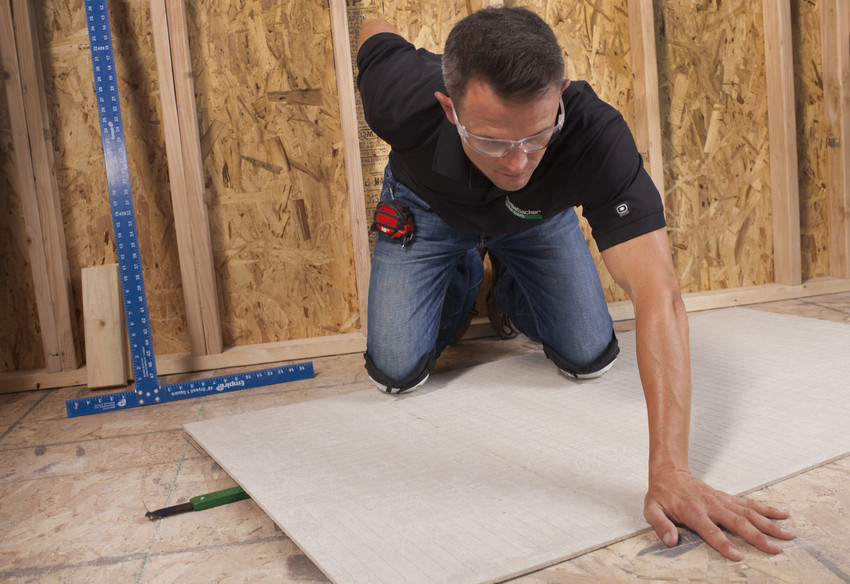
Credit: www.jameshardie.com
Safety Precautions
Cutting Hardie cement board requires careful attention to safety precautions. This material is durable and tough, but handling it improperly can lead to injuries. Ensuring a safe work environment is crucial. By following basic safety guidelines, you can minimize risks and make the cutting process smoother.
Wear Protective Gear
Always wear safety goggles to protect your eyes from dust and debris. Use a dust mask to avoid inhaling harmful particles. Gloves are essential to prevent cuts and abrasions. Ensure that your clothing covers your arms and legs completely.
Secure The Work Area
Keep your workspace clean and organized. Remove any tripping hazards around you. Ensure that your cutting surface is stable and level. This helps in preventing accidents and ensures precise cuts.
Use Proper Tools
Choose the right tools for cutting cement board. Use a carbide-tipped scoring knife or circular saw with a diamond blade. Ensure tools are sharp and well-maintained. Dull tools can cause dangerous slips.
Follow Manufacturer Instructions
Refer to the manufacturer’s guidelines for cutting techniques. This ensures you are using the board correctly. Following instructions helps in maintaining product integrity and reduces safety risks.
Control Dust Exposure
Cut cement board in well-ventilated areas. This reduces dust concentration. Use a vacuum or dust collector to control airborne particles. Minimizing dust exposure keeps the environment safe.
Practice Safe Cutting Techniques
Mark your cuts clearly before starting. Use steady and controlled movements when cutting. Avoid forceful actions which can lead to slips. Maintain a firm grip on tools for stability.
Measuring And Marking
Accurate measurement is crucial for cutting Hardie cement board. Use a tape measure and pencil for precise markings. Ensure marks are clear and double-check measurements to prevent errors.
Accurate measuring and marking are crucial steps in cutting Hardie cement board. These steps ensure that your cuts are precise, minimizing waste and ensuring a smooth installation process. Whether you’re remodeling your kitchen or installing new siding, mastering these skills can save you time and frustration. Let’s dive into how you can achieve precise measurements and effective marking techniques.Accurate Measurements
Accuracy is key when working with Hardie cement board. Begin by using a reliable tape measure. Opt for one that clearly displays fractions for added precision. Measure twice to confirm your dimensions. This simple practice can prevent costly errors. For larger projects, consider using a chalk line to ensure straight cuts over long distances. Be mindful of the board’s thickness and edge when measuring. Slight miscalculations can lead to poor fitment. Keep a notebook handy to jot down your measurements for reference.Effective Marking Methods
Once you’ve measured, marking becomes the next vital step. Use a pencil or a fine-tipped marker for clear, visible lines. Pencils work well for indoor projects, while markers are ideal for outdoor work where visibility may be reduced. Consider using a carpenter’s square or a T-square for straight, accurate lines. These tools help you maintain right angles, ensuring a professional finish. For curves or unique shapes, try a flexible curve ruler. It adapts to any shape, allowing you to replicate complex patterns with ease. How do you decide the best tools for your project? Experiment with different marking methods on scrap pieces to see what works best for your specific needs. This hands-on approach can enhance your skills and confidence. By focusing on accurate measurements and effective marking, you lay the groundwork for successful Hardie cement board installations. What techniques have you found most effective in your DIY projects?Scoring And Snapping
Cutting Hardie cement board involves scoring and snapping techniques. Score the board with a carbide-tipped scoring knife. Then, apply pressure to snap it along the scored line for a clean cut.
Cutting Hardie cement board might seem daunting at first, but with the right techniques, it becomes a straightforward task. Whether you’re a DIY enthusiast or a professional, scoring and snapping are two methods that can make the cutting process easier and more efficient. These methods don’t require expensive tools, making them accessible for anyone looking to achieve a clean cut.Scoring Techniques
Scoring involves marking the surface of the Hardie board to create a guideline for cutting. Using a carbide-tipped scoring tool is effective for this purpose. You simply draw the tool along the desired cut line, pressing firmly to create a visible groove. Ensure the score is deep enough to weaken the board along the line. This technique is particularly useful for straight cuts. If you’re new to this, practice on a scrap piece first to get the feel of the tool and the pressure needed.Snapping Process
Once you’ve scored the line, it’s time to snap the board. This process is simpler than you might think. Hold the board firmly on either side of the score line. Applying a steady pressure, bend the board until it snaps along the scored line. It’s important to keep your hands away from the break to avoid injury. If the board doesn’t snap cleanly, check your scoring line—it may need to be deeper. This method saves time compared to using a saw and leaves a cleaner edge. Have you ever tried scoring and snapping Hardie board yourself? It can be surprisingly satisfying to hear that crisp snap as the board breaks perfectly along your line. Remember, practice makes perfect, and soon you’ll be cutting boards like a pro.Using Power Tools
Cutting Hardie cement board requires precision and the right tools. Power tools make the job easier and faster. They offer efficient cutting options. Let’s explore using power tools for cutting Hardie cement board.
Circular Saw Methods
A circular saw is ideal for straight cuts. Use a carbide-tipped blade for best results. Ensure the saw is set to the correct depth. Dust can be a problem, so use a vacuum attachment. Wear a mask and goggles for safety. Mark the cutting line clearly before starting. A guide can help keep the cut straight.
Jigsaw Techniques
Jigsaws work well for curved cuts. Select a blade designed for cement board. Ensure it has a tungsten carbide edge. Secure the board to prevent movement. Follow the marked line slowly and steadily. Adjust the speed for better control. Use a mask and goggles to protect against dust. Jigsaws offer great flexibility for detailed work.
Handling Curved Cuts
Creating precise curved cuts in Hardie cement board requires careful planning and the right tools. A jigsaw fitted with a carbide-grit blade works best for curved lines. Smooth the edges with a rasp for a clean finish.
Cutting Hardie cement board can be a straightforward task if you’re dealing with straight lines. But what about when you need to handle curved cuts? This is where things get a bit trickier. Whether you’re customizing the board to fit around fixtures or adding unique design elements, mastering curved cuts is essential. You’ll need the right tools, techniques, and a bit of patience.Using A Utility Knife
A utility knife might not be the first tool you think of for cutting curves, but it can be surprisingly effective for scoring and snapping thin cement board. Begin by marking your curve with a pencil or chalk. Use a straightedge or flexible guide to help keep your line precise. Hold the utility knife firmly and score along the line several times. This scoring weakens the material, allowing you to snap it cleanly. Apply pressure evenly as you snap along the scored line, and you’ll be amazed at how smoothly the board breaks. Does this method sound a bit daunting? It might take a bit of practice, but it’s a handy skill to have. Just remember to keep your fingers clear of the blade!Applying A Rasp
After you’ve made your initial cut, the edges might not be as smooth as you’d like. This is where applying a rasp comes in handy. A rasp is a coarse file that helps refine and smooth out jagged edges. Hold the rasp at an angle and apply gentle pressure as you move it back and forth along the edge. This tool can help you achieve a precise curve, smoothing out any rough spots left from your initial cut. Have you ever sanded a piece of wood to get that perfect finish? Think of a rasp as the cement board’s version of sandpaper. It allows you to finesse the final shape and fit of your curve. Handling curved cuts on Hardie cement board can seem intimidating at first. Yet, with a utility knife and a rasp, you’ll find it’s not just possible but quite rewarding. As you gain confidence, you might even start looking for more opportunities to add curves to your projects!Dust Management
Cutting Hardie cement board generates a lot of dust. Managing this dust is crucial. It protects your health and keeps your workspace clean. Without proper dust management, you might face health issues. The dust can also harm your tools and workspace. Let’s explore effective ways to manage dust.
Dust Collection Systems
A dust collection system can be very helpful. It captures dust as you cut. This system connects to your saw. It sucks the dust into a container. You can find these systems in many sizes. Choose one that fits your workspace. Some saws come with built-in dust collection. Check if your saw has this feature. It makes cutting cleaner and safer.
Protective Gear
Wearing protective gear is essential. Dust masks or respirators shield your lungs. They filter out harmful dust particles. Safety goggles protect your eyes from dust. Wear long sleeves and gloves too. They shield your skin from dust irritation. Ensure your gear fits well. Loose gear may not protect you properly. Always check your gear before starting work.

Credit: smart-toolgroup.com
Finishing Edges
Cutting Hardie cement board requires precision. Use a carbide-tipped scoring knife for straight cuts. For curves, a jigsaw with a carbide blade works best. Always wear a mask and goggles to protect yourself from dust.
When you’re working with Hardie cement board, achieving smooth and polished edges is crucial for both aesthetics and functionality. Properly finished edges not only enhance the look of your project but also contribute to its longevity. Whether it’s a bathroom remodel or an exterior siding installation, getting the edges right can make all the difference. Let’s delve into the techniques for smoothing and sealing those edges to ensure your project stands out.Smoothing Techniques
Smoothing the edges of Hardie cement board is essential for a professional finish. Start by using a sanding block or a fine-grit sandpaper. This method allows you to gently smooth out any roughness without damaging the board’s integrity. If you prefer power tools, a palm sander can offer quicker results. However, be cautious not to apply too much pressure—it’s easy to over-sand and create uneven surfaces. Have you ever tried using a rasp? It’s surprisingly effective for initial smoothing, especially on smaller sections. This tool can refine edges efficiently, providing a solid base for further treatment.Edge Sealing
Sealing the edges of Hardie cement board is vital for preventing moisture infiltration, which can lead to deterioration. Use a high-quality sealant specifically designed for cement boards. This ensures a robust barrier against water. Think about the environment your project will face. Is it going to be exposed to rain or humidity? If so, consider using a waterproof sealant for added protection. A brush or roller can be used to apply the sealant evenly. Pay close attention to corners and joints—these areas are often more susceptible to moisture and require thorough sealing. Your attention to detail in finishing edges not only boosts the appearance but also safeguards your efforts. How will you ensure your Hardie cement board project withstands the test of time?Common Mistakes
Cutting Hardie cement board can be tricky for beginners. Many face common mistakes that lead to frustration. Understanding these errors helps achieve a clean cut. It also saves time and material.
Avoiding Chipping
Chipping is a frequent issue with Hardie cement boards. A blunt blade can cause chips. Use a carbide-tipped blade for smooth cuts. This reduces chances of chipping. Cutting too fast also leads to chips. Slow down to maintain control. Steady pressure is key. It prevents jagged edges and chips. Always support the board properly. This keeps it stable while cutting.
Preventing Cracks
Cracks ruin the board’s integrity. They are caused by incorrect handling. Always carry the board flat to avoid stress. Bending the board may cause it to crack. Use a proper cutting technique. Score the board lightly before cutting through. This method reduces cracking risk. Ensure the cutting surface is stable. An uneven surface can cause cracks. Handle the board gently during installation. Excess force can lead to cracks.
Frequently Asked Questions
What’s The Best Way To Cut Hardie Cement Board?
Use a carbide-tipped scoring knife to cut Hardie cement board. Score along the desired line and snap. For precise cuts, employ a power saw with a carbide blade. Always wear a mask and goggles to protect from dust. Ensure proper ventilation to maintain safety during cutting.
What Is The Best Tool To Use To Cut Cement Board?
The best tool to cut cement board is a carbide-tipped scoring knife. It ensures clean cuts. For larger projects, consider using a circular saw with a carbide blade. Both tools provide precision and efficiency, making them ideal choices for cutting cement board accurately.
Can You Cut Hardie Board With A Utility Knife?
A utility knife cannot cut Hardie board effectively. Use a power saw with a carbide-tipped blade for precise cuts. Hardie board is durable and requires proper tools to maintain its integrity and finish. Ensure safety precautions are followed when cutting to prevent damage or injury.
Do You Need A Special Saw Blade To Cut A Hardie Board?
Use a carbide-tipped saw blade for cutting Hardie board. It ensures smooth cuts and reduces dust. Circular saws with diamond blades are also effective. Avoid regular steel blades as they dull quickly. Proper blades enhance performance and safety during installation.
Conclusion
Cutting Hardie Cement Board is easy with the right tools. Score the board first, then snap along the line. Use a circular saw for precise cuts. Wear safety gear to protect yourself from dust. Practice makes perfect, so try on small pieces first.
Measure twice to avoid mistakes. Clean edges with sandpaper for a smooth finish. Hardie Board is durable and worth the effort. Your projects will last longer. You’ll enjoy the results. Follow these steps, and you’re ready to cut like a pro.

I’m Abby Lu, a passionate home cook who loves simplifying everyday meals. At PlugChef.com, I share product reviews and cooking guides to help you find the best tools for your kitchen.
Related posts:
 What Type of Cooking Utensils are Safe: Expert Picks
 What Innovations Could Blenders Make: Unleashing Future Tech
 Smart Strategies to Organize a Small Kitchen: Maximize Space
 How to Organize a Kitchen Cabinet: Expert Tips & Tricks
 How to Organize Kitchen Drawers: Expert Tips and Tricks
 How to Organize a Corner Kitchen Cupboard: Expert Tips

