
You’ve bought a steak that looks great, but when you cook it, it turns out tough and hard to chew. Frustrating, isn’t it?
Tough steak doesn’t have to mean a ruined meal. With the right techniques, you can turn that stubborn cut into a juicy, flavorful dish that melts in your mouth. You’ll discover simple, proven ways to cook tough steak perfectly every time.
Keep reading to learn the secrets that will make your next steak dinner a true delight.
Choosing The Right Cut
Choosing the right cut of steak is key to cooking a tender and delicious meal. Different cuts vary in texture, fat content, and cooking needs. Picking a tender cut makes cooking easier and results better. Tough cuts require different handling to become soft and tasty. Knowing which cuts to choose helps avoid frustration and disappointment at the table.
Best Cuts For Tenderness
- Filet Mignon: Very soft and lean, cooks quickly.
- Ribeye: Well-marbled with fat, juicy and flavorful.
- Strip Steak: Tender with a good balance of fat.
- Flat Iron: Tender and affordable, great for grilling.
- Top Sirloin: Lean and tender, good for quick cooking.
Avoiding Tough Cuts
- Brisket: Very tough, needs slow cooking.
- Chuck: Has a lot of connective tissue, best for stews.
- Round: Lean but tough, requires marinating or slow heat.
- Flank: Fibrous and lean, best sliced thin against the grain.
- Skirt: Tough and chewy, needs marinating or slow cooking.

Credit: food52.com
Preparation Techniques
Preparation is key to turning a tough steak into a tender, flavorful meal. Proper techniques help break down muscle fibers and add taste. Simple steps before cooking make a big difference in texture and juiciness. Focus on marinating, seasoning, and tenderizing to improve even the toughest cuts.
Proper Marinating Methods
Marinating softens meat and adds flavor deep inside. Use acidic ingredients like vinegar, lemon juice, or yogurt. These acids break down protein fibers. Keep the steak in the marinade for at least 30 minutes or up to 24 hours. Use a covered dish or a sealed bag to marinate evenly. Avoid using too much acid, as it can make the meat mushy.
Using Salt And Seasoning
Salt draws out moisture and then reabsorbs it, tenderizing the steak. Sprinkle coarse salt on both sides. Let the steak rest for 40 minutes before cooking. This allows the salt to penetrate. Use pepper and herbs for added taste. Season just before cooking to keep spices fresh and vibrant.
Tenderizing Tools And Methods
Mechanical tenderizers break tough fibers physically. Use a meat mallet or a fork to pierce the steak gently. Do not overdo it to avoid damaging the texture. Another option is to score the surface with shallow cuts. This helps heat reach inside more easily. These simple tools prepare the steak for even cooking and better bite.
Cooking Methods For Tough Steaks
Tough steaks can be a challenge to cook, but the right methods can transform them into tender, flavorful dishes. The key is to break down the muscle fibers and connective tissues that make the meat chewy. Different cooking techniques will achieve this in various ways, depending on your equipment and time.
Slow Cooking And Braising
Slow cooking and braising are excellent for tough cuts like chuck or brisket. These methods use low heat over a long time to soften the meat and develop deep flavors.
Try cooking your steak in a covered pot with some broth, vegetables, and seasonings. The moisture helps break down the fibers, turning the steak tender and juicy. Ever noticed how a tough roast becomes melt-in-your-mouth after hours in the slow cooker? That’s the effect you want with tough steaks.
Sous Vide Precision
Sous vide is a game-changer for tough steaks if you have the gear. This method cooks the steak in a vacuum-sealed bag in water at a precise, low temperature for several hours.
It ensures even cooking and keeps the steak’s juices locked in, making even the toughest cuts buttery soft. Plus, it allows you to control doneness perfectly. Have you tried sous vide for steak? It’s almost foolproof and lets you avoid overcooking.
Grilling Tips For Tenderness
Grilling tough steak might sound risky, but it’s possible with the right approach. Start by marinating the steak to add flavor and help tenderize the meat.
Use high heat to sear the outside quickly, then move the steak to a cooler part of the grill to finish cooking slowly. This two-zone grilling technique prevents the steak from becoming tough and overcooked. Have you experimented with resting your steak after grilling? It helps redistribute juices and improves tenderness.

Credit: ottawavalleymeats.com
Resting And Serving
Resting steak after cooking lets juices settle, making it tender and juicy. Serving it sliced thin helps soften tough meat for easier eating.
Resting and serving steak is crucial for achieving tender results. After cooking, a steak needs time to rest. This allows juices to redistribute. Serving the steak properly enhances its flavor and tenderness. Let’s delve into these essential steps.Why Resting Matters
Resting allows the steak’s juices to settle. Cutting into a hot steak releases these juices. This makes the steak dry and less flavorful. Resting ensures juiciness in every bite. For best results, let the steak rest for 5-10 minutes. Cover it loosely with foil to keep it warm. This simple step enhances the eating experience.Slicing Against The Grain
Slicing the steak correctly is vital. Always slice against the grain. This means cutting perpendicular to the muscle fibers. It shortens the fibers, making each bite more tender. Examine the steak to identify the grain direction. Slice thinly for easier chewing and better texture. Proper slicing complements the resting process. Both steps ensure the steak is as tender as possible.Common Mistakes To Avoid
Cooking tough steak can be tricky. Many people make simple mistakes that make the steak even harder. Avoiding these errors helps you get tender, juicy meat. Here are common pitfalls to watch out for.
Overcooking Issues
Overcooking tough steak makes it dry and chewy. High heat for too long squeezes out moisture. The muscle fibers tighten and become hard to bite. Use a meat thermometer to check temperature. Aim for medium rare or medium for best results.
Rest the steak after cooking. This lets juices spread inside. Cutting too soon also causes dryness. Patience improves texture and flavor.
Skipping The Tenderizing Step
Tough cuts need tenderizing before cooking. Skipping this step leads to a chewy meal. Mechanical tenderizing with a meat mallet breaks fibers. Marinating adds enzymes that soften the meat.
Use acidic marinades like vinegar or citrus juice. Let steak soak for at least 30 minutes. This helps break down tough tissue for a better bite.
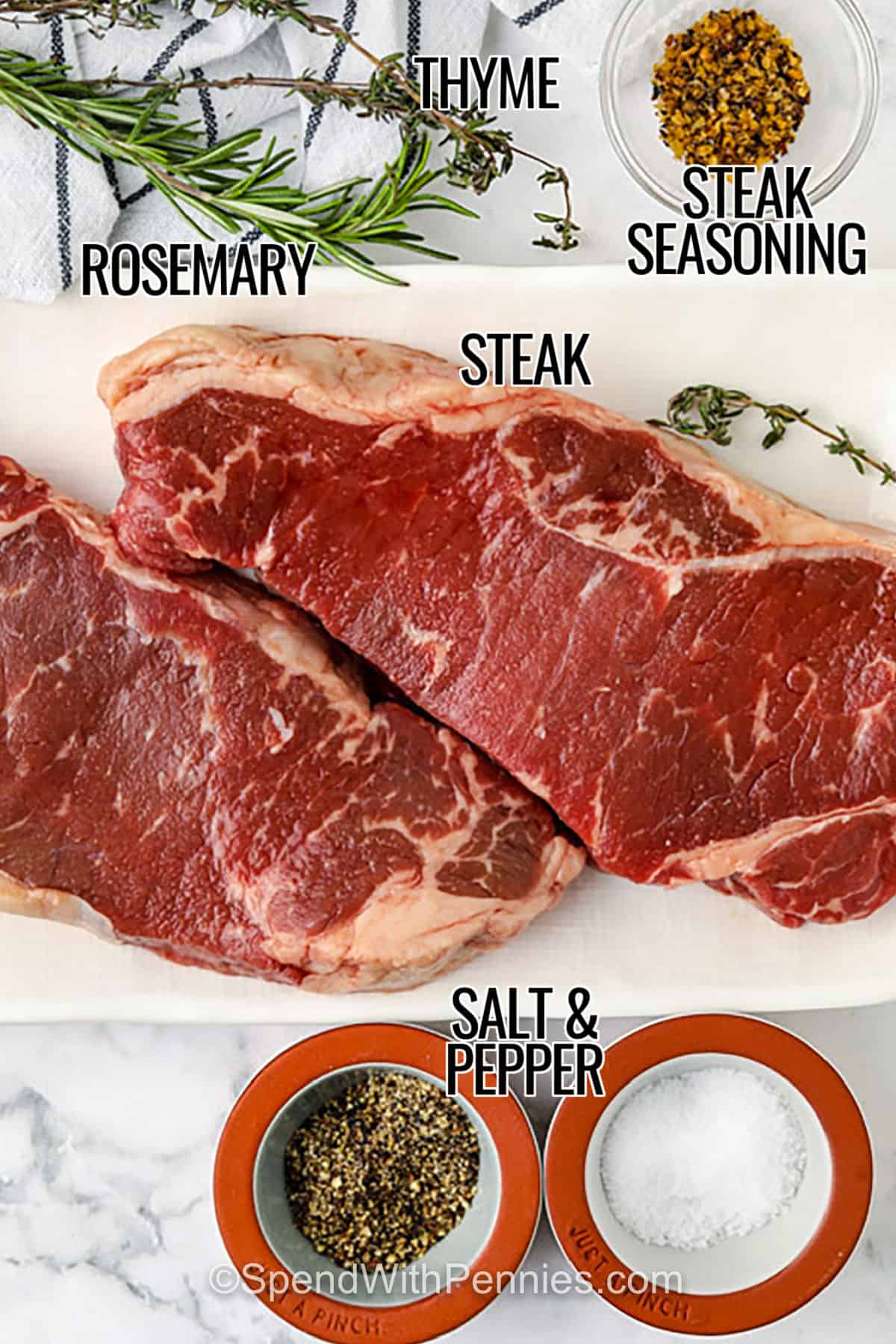
Credit: www.spendwithpennies.com
Frequently Asked Questions
How Can I Tenderize A Tough Steak Quickly?
You can tenderize tough steak by marinating it with acidic ingredients like vinegar or lemon juice. Using a meat mallet to pound the steak breaks down fibers. Also, slow cooking or braising helps soften tough cuts effectively.
What Cooking Methods Work Best For Tough Steak?
Slow cooking, braising, or sous vide are ideal for tough steaks. These methods break down connective tissues gently. Avoid high-heat quick cooking, which can make the meat chewier and less enjoyable.
Should I Use A Marinade For Tough Steak?
Yes, marinating tough steak adds flavor and helps tenderize it. Use acidic marinades with ingredients like yogurt, wine, or citrus. Marinate for at least 30 minutes or overnight for best results.
How Long Should I Rest A Tough Steak After Cooking?
Rest tough steak for 5 to 10 minutes after cooking. This allows juices to redistribute evenly. Resting improves tenderness and flavor, making the steak more enjoyable to eat.
Conclusion
Tough steak can turn tender with the right cooking steps. Use marinades, low heat, and patience to soften the meat. Cutting against the grain helps too. Rest the steak before serving to keep juices inside. Small changes make a big difference in taste and texture.
Enjoy cooking and savor every bite of your steak. Keep practicing to improve your skills each time. Cooking tough steak is easier than it seems. Try these tips and see the results yourself.

Hi, I’m Daniel Brooks—a food lover and kitchen gear enthusiast. I enjoy testing cookware, utensils, and gadgets to see what really works in everyday cooking. At PlugChef.com, I share honest reviews, comparisons, and simple guides to help you choose the best tools for a safer, smarter, and more enjoyable kitchen.
Related posts:
 What Type of Cooking Utensils are Safe: Expert Picks
 What Innovations Could Blenders Make: Unleashing Future Tech
 Smart Strategies to Organize a Small Kitchen: Maximize Space
 How to Organize a Kitchen Cabinet: Expert Tips & Tricks
 How to Organize Kitchen Drawers: Expert Tips and Tricks
 How to Organize a Corner Kitchen Cupboard: Expert Tips