

If you’ve ever wondered how to cook a chayote but felt unsure where to start, you’re not alone. This unique vegetable might look unfamiliar, but it’s surprisingly easy to prepare and packed with flavor.
Imagine turning this crunchy, mild squash into a delicious dish that can brighten up your meals and impress your family. In this guide, you’ll discover simple steps and tips that make cooking chayote a breeze. Ready to unlock the secret to this versatile ingredient?
Let’s dive in and make your next meal something special.
What Is Chayote
Chayote is a green vegetable that looks like a pear. It grows in warm places and belongs to the gourd family. People use it in many dishes because it has a mild flavor and crisp texture. It can be eaten raw or cooked, making it very versatile in the kitchen.
This vegetable is low in calories and high in water, which makes it healthy and refreshing. It also contains vitamins like vitamin C and some minerals. Chayote is popular in Latin American, Asian, and Caribbean cooking.
Appearance And Texture
Chayote has a light green color and a smooth skin. Its shape is round or pear-like. Inside, the flesh is white and firm. The texture is crunchy when raw and softens after cooking.
Taste Profile
The taste of chayote is mild and slightly sweet. It has a fresh, watery flavor. It easily absorbs the flavors of spices and sauces used in recipes.
Nutritional Benefits
- Low in calories
- High in fiber
- Rich in vitamin C
- Contains potassium and folate
Common Culinary Uses
- Salads with raw slices
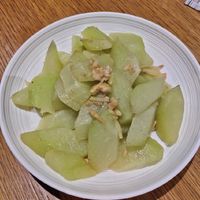
- Stir-fries with vegetables
- Boiled or steamed as a side dish
- Soups and stews
- Baked or stuffed
Credit: cookpad.com
Choosing Fresh Chayote
Choose chayotes that are firm with smooth skin and free from soft spots. Fresh chayotes have a mild scent and a bright green color. These qualities ensure better texture and flavor when cooking.
Choosing fresh chayote is the foundation for a delicious dish. This unique vegetable, often overlooked in many kitchens, is both versatile and nutritious. Picking the right chayote ensures your culinary creations are flavorful and enjoyable.Look For Firmness
When selecting a chayote, feel its texture. It should be firm to the touch, much like a ripe apple. Soft spots can indicate over-ripeness or spoilage, which can affect the taste.Check The Skin
Examine the skin for any blemishes or discolorations. A fresh chayote will have a consistent green color. Minor scratches are okay, but deep cuts or bruises may lead to faster spoilage.Size Matters
Consider the size of the chayote. Smaller ones are often more tender and flavorful. They’re perfect for salads or quick sautés, while larger ones might be better for stuffing or baking.Inspect The Stems
Take a look at the stem area. A fresh chayote will have a moist, slightly green stem. If the stem is dry or missing, it might not be the freshest choice.Smell The Chayote
Give it a gentle sniff. A fresh chayote should have a neutral scent. Any sour or off-putting smell is a red flag that it’s past its prime. Choosing the right chayote isn’t just about picking any green vegetable. It’s about ensuring that your dishes are as fresh and flavorful as possible. Have you ever noticed how a fresh ingredient can elevate a dish? The right chayote can do just that, making your meal both delightful and memorable.Preparing Chayote For Cooking
Preparing chayote for cooking is simple and quick. It requires just a few steps to make it ready for your favorite recipes. Proper preparation helps to remove any bitterness and makes the texture perfect for cooking. Follow these easy tips to get your chayote ready.
Peeling Techniques
Chayote has a thin, green skin that can be tough. Use a vegetable peeler to remove the skin smoothly. Peel from top to bottom in long strokes. You can also use a small knife for tricky spots. Removing the skin improves texture and taste.
Removing The Seed
After peeling, cut the chayote in half lengthwise. You will see a soft, white seed in the center. Use a spoon or knife to scoop out the seed. The seed is edible but can be a bit bitter. Removing it makes the chayote milder.
Cutting Styles
Cut the chayote based on your recipe needs. Here are common cutting styles:
- Slices:Thin or thick slices work well for stir-fries and sautés.
- Cubes:Perfect for soups and stews to cook evenly.
- Julienne:Thin matchstick shapes for salads or quick frying.
Choose the style that suits your dish best. Uniform cuts help cook the chayote evenly and faster.
Basic Cooking Methods
Chayote is a versatile vegetable that cooks well with simple methods. These basic cooking techniques bring out its mild, slightly sweet flavor. They also keep its texture tender yet firm. Understanding these methods helps you prepare chayote easily for many dishes.
Boiling And Steaming
Boiling and steaming soften chayote quickly. Peel and cut it into chunks before cooking. Boil in salted water for about 10 minutes. Check tenderness with a fork; it should slide in easily. Steaming takes a little longer but keeps more nutrients. Place the pieces in a steamer basket over boiling water. Cover and steam for 12 to 15 minutes. Both methods are great for salads and purees.
Sautéing
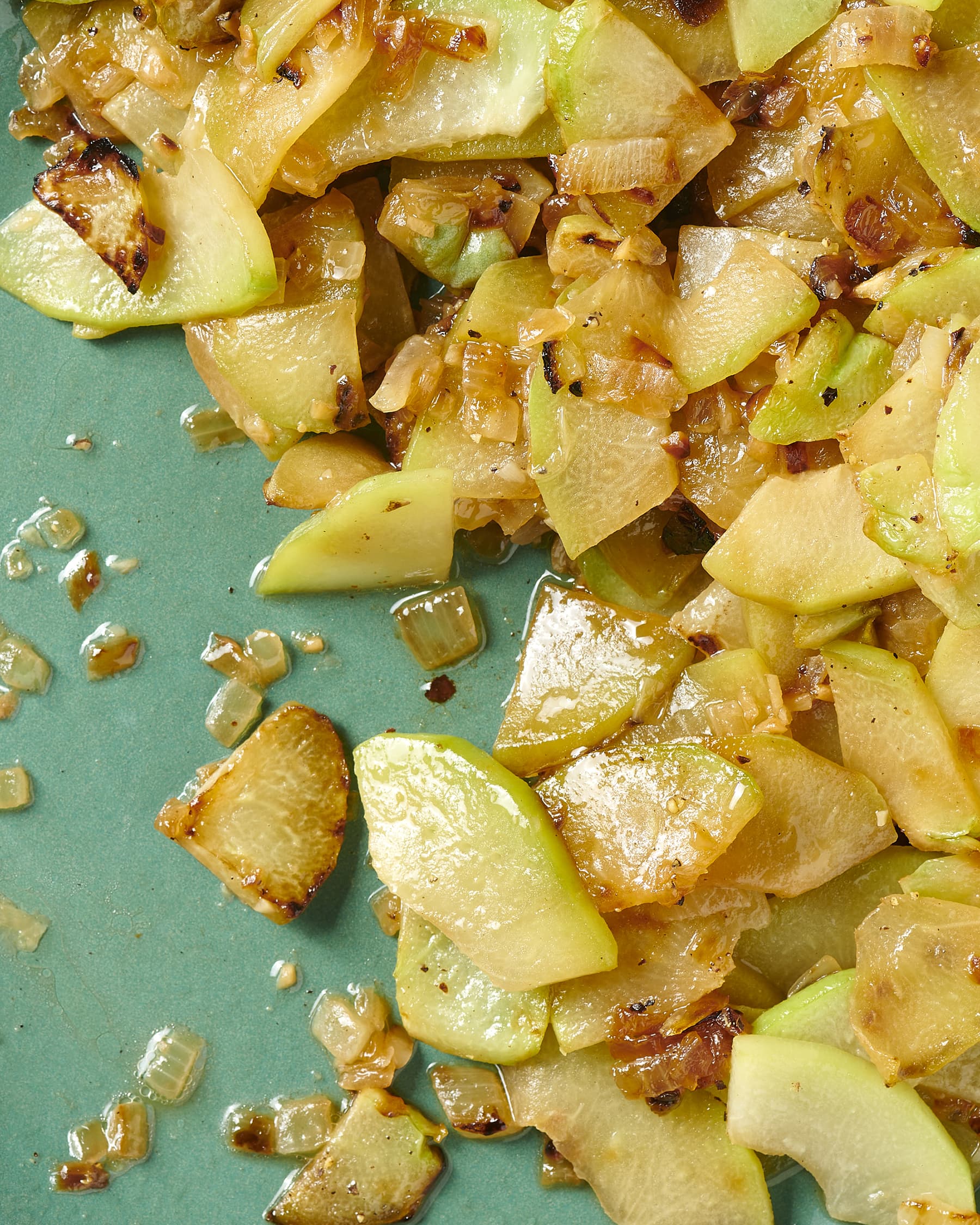
Sautéing adds a light, crisp texture to chayote. Slice it thin or into small cubes. Heat oil or butter in a pan over medium heat. Add chayote and cook for 5 to 7 minutes. Stir often to prevent sticking. Season with salt, pepper, or garlic for extra flavor. Sautéed chayote pairs well with meats and rice dishes.
Roasting
Roasting chayote gives it a rich, caramelized taste. Preheat the oven to 400°F (200°C). Cut chayote into wedges or cubes. Toss with olive oil, salt, and your favorite herbs. Spread pieces on a baking sheet in a single layer. Roast for 20 to 25 minutes, turning once. The edges should be golden brown and crisp. Roasted chayote makes a tasty side dish or snack.
Simple Chayote Recipes
Chayote is a versatile vegetable that fits well in many easy-to-make dishes. You don’t need to be a chef to enjoy its mild flavor and crisp texture. Here are some simple recipes that bring out the best in chayote, perfect for quick meals or adding a fresh twist to your menu.
Chayote Stir-fry
Stir-frying chayote is a quick way to prepare it while keeping its crunch. Slice the chayote thin, and toss it in a hot pan with garlic, onions, and your favorite protein like chicken or tofu.
Add soy sauce and a pinch of chili flakes for extra flavor. You’ll get a vibrant, healthy meal in under 15 minutes. Have you tried using chayote instead of regular zucchini in your stir-fries?
Chayote Salad
Raw chayote makes a refreshing salad ingredient. Peel and julienne the chayote, then mix it with carrots, cucumbers, and a light lemon vinaigrette.
Sprinkle with fresh herbs such as cilantro or parsley to brighten the taste. This salad is crunchy and hydrating—perfect for hot days or as a side dish to grilled meats.
Roasted Chayote With Herbs
Roasting chayote softens its texture and brings out a subtle sweetness. Cut the chayote into cubes, toss with olive oil, salt, pepper, and herbs like rosemary or thyme.
Roast in a preheated oven at 400°F (200°C) for about 25 minutes until golden. This simple dish pairs well with roasted chicken or can be enjoyed on its own as a warm snack.
Credit: www.thekitchn.com
Tips For Enhancing Flavor
Chayote has a mild taste that benefits from added flavors. Enhancing its flavor makes your dish more enjoyable. Simple tips can bring out the best in chayote. Use spices, herbs, and other vegetables to create rich, tasty meals.
Using Spices And Herbs
Spices and herbs add depth to chayote’s subtle flavor. Try these for a tasty boost:
- Cumin – adds warmth and earthiness
- Garlic powder – gives a savory punch
- Chili flakes – bring a gentle heat
- Fresh cilantro – adds a fresh, bright note
- Thyme or oregano – give an herbal touch
Mix spices into the cooking water or sauté them with chayote. Fresh herbs work well as a final garnish. This enhances aroma and taste beautifully.
Combining With Other Vegetables
Pair chayote with vegetables that complement its flavor. Combine with:
- Carrots – add sweetness and color
- Bell peppers – bring crunch and mild sweetness
- Onions – offer savory depth
- Tomatoes – add acidity and juiciness
- Green beans – give a fresh, crisp texture
Cook vegetables together for balanced flavors. This mix creates a colorful and tasty dish. The textures contrast nicely, making each bite interesting.
Common Mistakes To Avoid
Cooking chayote might seem simple, but there are common mistakes that can turn your dish bland or mushy. Avoiding these pitfalls will help you get the best texture and flavor every time. Let’s look at some key errors to watch out for and how to fix them.
Overcooking The Chayote
Chayote cooks quickly, and overcooking it makes the texture too soft and watery. You want a slight crunch to keep it interesting. Try boiling or steaming for just 5 to 7 minutes, then test with a fork before deciding to cook longer.
Not Peeling Properly
The skin of chayote can be tough and bitter if not removed well. Use a sharp vegetable peeler to remove all the skin before cooking. Leaving bits of skin can affect the flavor and mouthfeel of your dish.
Ignoring The Seed Inside
Many people forget to remove the large seed inside the chayote. It’s edible but can be tough and bland, which may ruin the texture. Cut the chayote in half and scoop out the seed to ensure a better eating experience.
Underseasoning Your Dish
Chayote has a mild flavor that needs a little help to shine. Don’t skip seasoning—it’s essential to add salt, pepper, and herbs to bring out its natural taste. Think about using garlic, lime juice, or chili flakes to boost the flavor profile.
Using The Wrong Cooking Method
Some cooking methods work better than others for chayote. Boiling too long or microwaving without enough moisture can make it rubbery. Instead, try sautéing or roasting to enhance its natural sweetness and texture.

Credit: www.thetoorawakitchen.com
Frequently Asked Questions
What Is The Best Way To Prepare Chayote For Cooking?
Peel the chayote to remove the skin, then cut it into slices or cubes. Removing the seed is optional. This method ensures even cooking and a tender texture.
How Long Does It Take To Cook Chayote?
Chayote typically takes 10-15 minutes to cook when boiled or steamed. Cooking time varies with the size and cut of the pieces.
Can Chayote Be Eaten Raw Or Only Cooked?
Chayote can be eaten raw in salads or cooked. Its mild flavor works well both ways, adding crunch or softness depending on preparation.
What Are Common Cooking Methods For Chayote?
Chayote can be boiled, steamed, sautéed, or roasted. These methods retain its delicate flavor and soft texture, making it versatile for many dishes.
Conclusion
Cooking chayote is simple and fun. You can boil, steam, or sauté it. Each method brings out a mild, fresh taste. Try adding your favorite herbs or spices for flavor. This vegetable works well in many dishes. Enjoy its crunch and subtle sweetness.
Keep practicing to find your favorite way. Cooking chayote adds variety to your meals. Give it a try and enjoy healthy, tasty food!

Hi, I’m Daniel Brooks—a food lover and kitchen gear enthusiast. I enjoy testing cookware, utensils, and gadgets to see what really works in everyday cooking. At PlugChef.com, I share honest reviews, comparisons, and simple guides to help you choose the best tools for a safer, smarter, and more enjoyable kitchen.
Related posts:
 What Type of Cooking Utensils are Safe: Expert Picks
 What Innovations Could Blenders Make: Unleashing Future Tech
 Smart Strategies to Organize a Small Kitchen: Maximize Space
 How to Organize a Kitchen Cabinet: Expert Tips & Tricks
 How to Organize Kitchen Drawers: Expert Tips and Tricks
 How to Organize a Corner Kitchen Cupboard: Expert Tips

