
If you want to impress your guests or simply treat yourself to a special meal, learning how to cook a Chateaubriand is a skill worth mastering. This tender, juicy cut of beef is known for its rich flavor and melt-in-your-mouth texture.
But getting it just right can feel tricky if you’re not sure where to start. Don’t worry – by the end of this article, you’ll know exactly how to prepare a perfect Chateaubriand that will leave everyone asking for seconds.
Ready to elevate your cooking? Let’s dive in.

Credit: www.harryanddavid.com
Choosing The Right Cut
Choosing the right cut is the foundation of cooking a perfect Chateaubriand. This cut demands attention to quality, size, and understanding what truly defines it. Picking the right piece can elevate your dish from good to unforgettable.
Selecting Quality Beef
Look for beef that is bright red with fine marbling. The fat should be white, not yellow, as this indicates freshness. Don’t hesitate to ask your butcher about the source and age of the meat; grass-fed or well-aged beef adds depth to flavor.
Remember, a high-quality cut will cook more evenly and stay tender. I once chose a cheaper cut to save money and ended up with a chewy result—lesson learned the hard way!
Understanding Chateaubriand
Chateaubriand specifically comes from the thick center portion of the beef tenderloin. This makes it lean but incredibly tender. It’s important not to confuse it with other tenderloin steaks, as Chateaubriand is usually a larger, thicker cut intended for sharing.
Knowing this helps you set expectations on cooking time and serving size. Have you noticed how some steaks shrink dramatically while cooking? The Chateaubriand’s thickness minimizes this, keeping your portions generous.
Size And Thickness Matters
Choose a cut that’s at least 2 to 3 inches thick. Thinner cuts cook too quickly and risk drying out. A thicker piece allows you to achieve a perfect sear on the outside while keeping the inside juicy and tender.
Consider the number of guests when selecting size. A 16-ounce piece might feed two, but if you’re hosting four, aim for a 32-ounce cut or two smaller ones. Have you ever tried to stretch a small steak across a large group? It rarely ends well.
Preparing The Steak
Preparing the steak is a key part of cooking a perfect Chateaubriand. This process ensures the meat cooks evenly and tastes rich. Proper preparation helps the steak keep its shape and flavor during cooking. Follow these simple steps to get your Chateaubriand ready.
Trimming And Tying
Start by trimming any excess fat or silver skin from the steak. This helps the meat cook evenly and prevents a chewy texture. Use a sharp knife for clean cuts. Next, tie the steak with kitchen twine. This keeps the shape tight and helps it cook uniformly. Tie every inch or so, but not too tight to squeeze the meat.
Seasoning Techniques
Seasoning the steak well brings out its natural flavor. Use salt and freshly ground black pepper for the best taste. Sprinkle the seasoning evenly on all sides. Press the salt gently into the meat to help it stick. Avoid heavy spices that can overpower the beef’s flavor. Let the seasoning sit for a few minutes before cooking.
Bringing To Room Temperature
Take the steak out of the fridge about 30 minutes before cooking. Letting it reach room temperature helps it cook more evenly. Cold meat can cook unevenly, with the outside overdone and the inside undercooked. Place the steak on a plate and cover loosely with foil. This step improves the steak’s texture and juiciness.
Cooking Methods
Begin by searing the Chateaubriand on all sides to lock in juices. Then roast it slowly in the oven until it reaches the desired doneness. Let the meat rest before slicing for tender, flavorful results.
Cooking a Chateaubriand is an art that combines precision and creativity. The method you choose can greatly impact the flavor and tenderness of this exquisite cut. Whether you’re a fan of pan-searing, oven roasting, or using the grill, each technique offers its own unique benefits. Let’s dive into the specifics of these cooking methods to help you perfect your Chateaubriand.Pan-searing Tips
When pan-searing, the goal is to create a beautifully caramelized crust while keeping the inside tender and juicy. Use a heavy skillet to ensure even heat distribution. Preheat it over medium-high heat until a drop of water sizzles on contact. Season the Chateaubriand generously with salt and pepper. Add a couple of tablespoons of oil with a high smoke point, like canola or vegetable oil. Gently place the meat in the pan and resist the urge to move it around. Let it sear for about 3-4 minutes on each side until a golden-brown crust forms. Consider finishing with a knob of butter and a sprig of thyme for added flavor.Oven Roasting Guide
Oven roasting is ideal for achieving an even cook throughout the Chateaubriand. Preheat your oven to 375°F (190°C). Start by searing the beef on all sides in a hot pan to lock in the juices. Place the seared Chateaubriand on a roasting rack within a baking dish. This allows heat to circulate evenly, cooking the meat more uniformly. Insert a meat thermometer into the thickest part to monitor the internal temperature. Roast until the thermometer reads 125°F (52°C) for rare, or 135°F (57°C) for medium-rare. Allow the meat to rest for at least 10 minutes before slicing. This resting period is crucial to redistribute the juices.Using A Grill
Grilling a Chateaubriand adds a smoky flavor that many find irresistible. Preheat your grill to medium-high heat. Lightly oil the grill grates to prevent sticking. Place the seasoned Chateaubriand directly over the heat source. Grill for about 5 minutes per side, creating those coveted grill marks. For indirect grilling, move the meat to a cooler part of the grill to finish cooking. Monitor the internal temperature closely. Once it reaches your desired doneness, remove from the grill and let it rest. Have you ever noticed how the aroma of grilling beef can instantly make your mouth water? Each of these methods offers a delightful way to enjoy Chateaubriand. Have you decided which technique to try first?Achieving Perfect Doneness
Achieving the perfect doneness for your Chateaubriand is the key to unlocking its full flavor and tenderness. This cut deserves careful attention, as overcooking can dry it out while undercooking might leave it tough. Mastering the right temperature and timing ensures every bite is juicy and satisfying.
Temperature Targets
Knowing the right internal temperature is essential. For a classic medium-rare Chateaubriand, aim for about 130°F (54°C). If you prefer medium, target 140°F (60°C), but avoid going higher to keep the meat tender.
Remember, the temperature will rise slightly after you take the meat off the heat. Would you rather pull it a bit earlier to let it rest or risk overcooking by waiting too long?
Using A Meat Thermometer
A reliable meat thermometer is your best friend here. Insert it into the thickest part of the Chateaubriand to get an accurate reading. Avoid touching bone or fat, as that can give a false high temperature.
Digital thermometers with instant readouts help you monitor without interrupting the cooking process. Have you ever guessed doneness by touch alone? Using a thermometer removes the guesswork and increases your confidence.
Resting The Meat
After cooking, let your Chateaubriand rest for 10 to 15 minutes. This step lets the juices redistribute, making the meat more tender and flavorful. Cutting too soon causes those precious juices to run out onto the plate.
Cover the meat loosely with foil while resting to keep it warm. This simple pause can transform your meal from good to exceptional. How often do you skip resting in a rush? Try it next time and notice the difference.
Serving Suggestions
Serving a Chateaubriand is more than just placing a perfectly cooked piece of beef on a plate. It’s about creating a balanced and memorable dining experience that highlights the meat’s richness. Thoughtful serving choices can elevate your meal and impress your guests with both flavor and style.
Classic Sauces
Chateaubriand pairs beautifully with sauces that complement its tender texture without overpowering it. A traditional Béarnaise sauce adds a tangy, herb-infused richness that cuts through the meat’s fattiness. Red wine reduction or a simple Madeira sauce also enhance the beef’s deep flavors, giving you options depending on your mood.
Think about offering a few sauce choices on the side. This allows everyone to customize their plate, making the meal interactive and personal. Have you ever noticed how a great sauce can transform a bite from good to unforgettable?
Side Dish Pairings
Choosing the right sides can balance the heaviness of Chateaubriand. Roasted or sautéed vegetables like asparagus, green beans, or mushrooms bring freshness and earthiness. Creamy mashed potatoes or a light potato gratin provide comfort without stealing the spotlight.
Consider adding a simple green salad with a vinaigrette to refresh the palate between bites. This contrast keeps the meal from feeling too heavy and adds a bright, crisp element. What sides do you think would bring your meal to life?
Plating Presentation
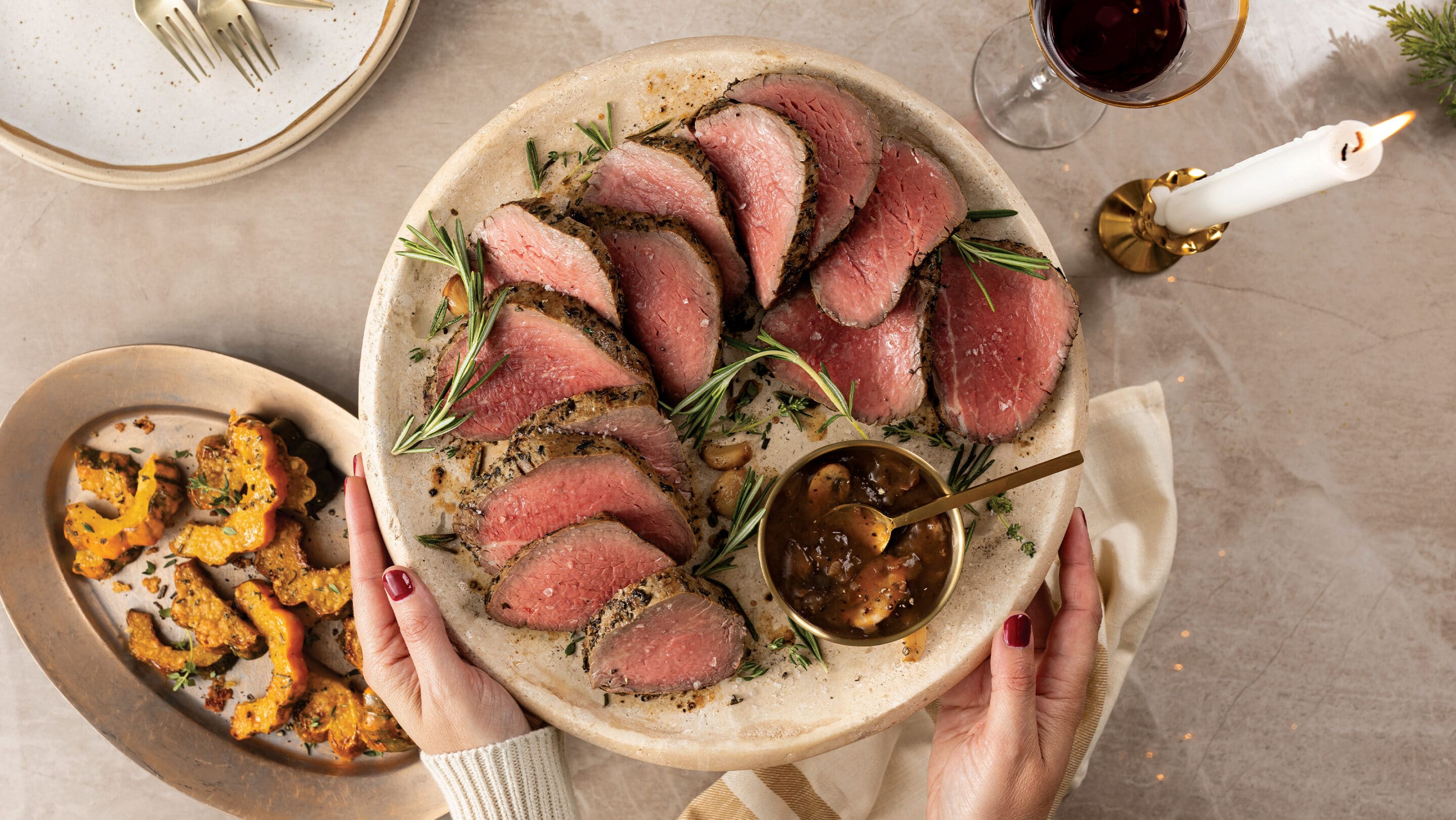
Presentation turns your meal into a feast for the eyes. Slice the Chateaubriand thick to show its juicy interior and arrange the slices fanned out on warm plates. Place sides neatly around the meat, using color contrasts to catch attention.
Drizzle sauces artistically or serve them in small ramekins to keep the plate clean and inviting. Don’t forget a sprinkle of fresh herbs or cracked black pepper for that final touch. How you plate your Chateaubriand can make your cooking effort truly stand out.
Common Mistakes To Avoid
Cooking Chateaubriand requires care and attention. Many cooks make simple mistakes that spoil this fine dish. Avoid these errors to enjoy tender, flavorful meat every time.
Overcooking Risks
Chateaubriand is best served medium rare. Overcooking makes it dry and tough. Use a meat thermometer to check the temperature. Pull it from heat at 130°F (54°C). The meat will finish cooking while resting.
Improper Seasoning
Seasoning brings out the natural flavor of the beef. Use salt and pepper generously. Apply seasoning before cooking for better taste. Avoid heavy spices that mask the meat’s flavor. Simple is best.
Skipping Rest Time
Resting lets the juices settle inside the meat. Cutting too soon causes juices to spill out. Let the Chateaubriand rest for 10 minutes. Cover it loosely with foil to keep warm. This step ensures juicy, tender slices.
Tips For Enhancing Flavor
Enhancing the flavor of Chateaubriand can turn a simple roast into a memorable meal. Small techniques make a big difference. These tips will help you bring out the best taste and aroma in the beef. Flavor is about layering tastes and adding depth without overpowering the natural meat.
Marinades And Rubs
Marinades soak into the meat, adding moisture and flavor. Use simple ingredients like olive oil, garlic, and vinegar. Let the meat rest in the marinade for at least an hour. Dry rubs create a tasty crust on the surface. Mix salt, pepper, and herbs like thyme or rosemary. Rub the mixture evenly on the meat before cooking.
Butter Basting
Basting with butter adds richness and keeps the meat juicy. Melt butter in a pan with garlic and herbs. Spoon the hot butter over the Chateaubriand while it cooks. This technique adds a glossy finish and deep flavor. Baste frequently for the best results.
Herbs And Aromatics
Fresh herbs and aromatics enhance the natural taste of the beef. Use rosemary, thyme, and sage for classic flavors. Add crushed garlic and shallots for extra aroma. Place herbs and aromatics around the meat while roasting. This infuses the meat with subtle, fragrant notes.

Credit: www.youtube.com
Credit: www.omahasteaks.com
Frequently Asked Questions
What Cut Of Beef Is Used For Chateaubriand?
Chateaubriand uses the center cut of the beef tenderloin. This cut is known for its tenderness and mild flavor. It is a thick steak, perfect for roasting or grilling to medium-rare. Choosing this cut ensures a juicy and tender result for your dish.
How Long Should I Cook Chateaubriand?
Cook Chateaubriand for about 20-30 minutes at 425°F (220°C). Roast until the internal temperature reaches 130-135°F for medium-rare. Rest the meat for 10 minutes before slicing. This timing ensures a juicy and flavorful steak every time.
What Is The Best Way To Season Chateaubriand?
Use simple seasonings like salt, black pepper, and garlic for Chateaubriand. These enhance the natural beef flavor without overpowering it. Some recipes suggest fresh herbs like thyme or rosemary. Light seasoning allows the meat’s tenderness and taste to shine.
Should I Sear Chateaubriand Before Roasting?
Yes, sear Chateaubriand in a hot pan for 2-3 minutes per side before roasting. This locks in juices and creates a flavorful crust. Searing improves texture and enhances the overall taste of the dish.
Conclusion
Cooking a Chateaubriand can seem hard, but it is simple. Start with good meat and the right heat. Watch the cooking time closely to keep it juicy. Rest the meat before cutting to keep flavors locked in. Serve with your favorite sides for a great meal.
Practice will make you more confident. Enjoy the rich taste and impress your guests. Cooking this dish brings joy and satisfaction every time. Try it soon and see the difference yourself.

Hi, I’m Daniel Brooks—a food lover and kitchen gear enthusiast. I enjoy testing cookware, utensils, and gadgets to see what really works in everyday cooking. At PlugChef.com, I share honest reviews, comparisons, and simple guides to help you choose the best tools for a safer, smarter, and more enjoyable kitchen.
Related posts:
 What Type of Cooking Utensils are Safe: Expert Picks
 What Innovations Could Blenders Make: Unleashing Future Tech
 Smart Strategies to Organize a Small Kitchen: Maximize Space
 How to Organize a Kitchen Cabinet: Expert Tips & Tricks
 How to Organize Kitchen Drawers: Expert Tips and Tricks
 How to Organize a Corner Kitchen Cupboard: Expert Tips