
When you cook, your wooden utensils are your trusty sidekicks. They stir, scoop, and serve with grace.
But, just like any superhero, they need care to stay in top shape. If you’ve ever wondered how to keep them clean and looking new, you’re in the right place. Imagine the satisfaction of using gleaming, well-maintained wooden spoons that enhance your kitchen’s charm.
You deserve tools that are hygienic and beautiful. Discover the easy steps to clean your wood cooking utensils and unlock the secret to extending their lifespan. Dive in and learn how a little care can transform your cooking experience. Your utensils are about to become your proud kitchen companions once again.
Choosing The Right Cleaning Tools
Selecting the proper cleaning tools ensures wood cooking utensils remain spotless and safe. Opt for gentle sponges and mild soap to avoid damage. Dry thoroughly to prevent warping and maintain durability.
When it comes to maintaining the longevity and beauty of your wood cooking utensils, choosing the right cleaning tools is crucial. It’s not just about keeping them clean; it’s about preserving their quality and ensuring they remain safe for use in your kitchen. Whether you’re scrubbing away stubborn food residues or gently wiping them clean, the right tools can make all the difference.1. Soft-bristle Brushes
Soft-bristle brushes are excellent for removing food particles without scratching the wood surface. They provide just the right amount of pressure to clean effectively while being gentle enough to maintain the wood’s finish. Keep one handy near your sink for easy access after each use.2. Mild Dish Soap
Mild dish soap is essential for cleaning wood utensils as it effectively removes grease and grime without causing damage. Avoid using harsh detergents, which can strip away the natural oils that keep the wood in good condition. A small drop is often enough to get the job done.3. Non-abrasive Sponges
A non-abrasive sponge is a great tool for those times when a gentle scrub is necessary. The soft texture ensures you won’t scratch or damage the wood, preserving its smooth finish. Do you have a sponge that’s too rough? Consider replacing it with a softer option to protect your utensils.4. White Vinegar Solution
White vinegar can be a surprising ally in cleaning wood utensils. It’s natural, effective, and can help in removing lingering odors. Simply dilute it with water and use it occasionally to freshen up your utensils.5. Baking Soda Paste
A baking soda paste can tackle stubborn stains without harsh chemicals. Mix baking soda with a bit of water to form a paste and gently scrub the stained area. Have you tried this method before? It’s an eco-friendly way to keep your utensils looking their best.6. Clean Towels
After washing, drying your utensils with a clean towel prevents water spots and potential warping. It’s a simple step but crucial in maintaining the shape and functionality of your wood utensils. Do you usually let them air dry? Consider using a towel to see the difference it makes. Choosing the right cleaning tools is about preserving the integrity of your wood utensils while keeping them hygienic. By using the appropriate tools and techniques, you can enjoy your favorite kitchen tools for years to come. What tools do you find most effective in your cleaning routine?:strip_icc()/BHG-how-to-clean-wooden-spoons-and-utensils-hero-01-5b0daa98a2d54f0e941495d19f9bc13d.jpg)
Credit: www.bhg.com
Daily Cleaning Techniques
Wood cooking utensils need regular care to stay hygienic. Wash them with warm water and mild soap. Dry immediately to prevent warping. Periodically, apply food-grade mineral oil to maintain their condition. Avoid soaking to protect the wood’s integrity. These steps ensure longevity and cleanliness.
Cleaning wood cooking utensils daily is crucial to maintaining their longevity and ensuring food safety. Every time you use these tools, they come into contact with various food residues that can lead to bacteria build-up if not properly cleaned. Daily cleaning doesn’t have to be a chore; with a few simple techniques, you can keep your wooden utensils in pristine condition.Rinsing After Use
After cooking, rinse your wooden utensils immediately under warm water. This prevents food particles from drying and sticking, making them difficult to remove later. Warm water is effective in dissolving food residues, while cold water might not be as efficient. Avoid soaking them as wood can absorb water, leading to warping or cracking over time.Gentle Scrubbing Methods
Use a soft sponge or brush to scrub the utensils gently. This method is effective in removing stubborn bits of food without damaging the wood surface. A little dish soap goes a long way. Use a drop or two and scrub lightly. You don’t need fancy tools or harsh chemicals; simple household items suffice. Have you ever noticed tiny grooves on your wooden spatula? Food can get trapped there. A gentle scrub ensures these areas are clean, preventing bacteria growth. Consider your routine after cooking. Are you letting utensils sit with food residue for too long? Prompt cleaning helps maintain hygiene and extends their lifespan. With these simple techniques, you can keep your wooden utensils clean and safe for everyday use. Your kitchen deserves it, and so do you!Deep Cleaning Methods
Cleaning wood cooking utensils involves using mild soap, warm water, and a soft sponge. Rinse thoroughly to avoid soap residue. Dry immediately with a towel to prevent moisture damage.
Cleaning wood cooking utensils is essential for maintaining their longevity and hygiene. While regular washing can keep them looking good, deep cleaning ensures they stay fresh and safe to use. Let’s dive into some effective methods you can easily try at home.Using Vinegar Solutions
Vinegar is a powerful natural cleaner. It’s not only great for removing stains but also for eliminating bacteria. Mix equal parts of water and white vinegar. This solution is effective for soaking your wooden spoons and spatulas. Leave them to soak for about 15 minutes. This gives the vinegar time to penetrate and clean deep-seated grime. Once soaked, rinse thoroughly with warm water. You’ll notice the freshness and a cleaner surface.Baking Soda Paste Application
Baking soda is another kitchen hero when it comes to cleaning. Create a paste using baking soda and water. It should be thick enough to spread easily. Apply the paste generously over your utensils. Use a soft brush or cloth to scrub gently. Rinse off with warm water and dry them immediately. This method helps remove stubborn stains without damaging the wood. Remember, deep cleaning your utensils isn’t just about cleanliness—it’s about preserving the quality of what you use daily. How do you ensure your utensils remain in tip-top shape?:max_bytes(150000):strip_icc()/wooden-cutlery-147730300-7a19b354f6cd46c38f17df72e7b91ea0.jpg)
Credit: www.marthastewart.com
Drying And Storage Tips
Proper drying and storing keeps wood utensils clean and safe. Wash with warm water and mild soap. After washing, dry immediately to prevent warping or bacteria growth. Store in a dry place to maintain quality.
Drying and storing your wood cooking utensils the right way is crucial for their longevity and hygiene. Neglecting this step can lead to warping, cracking, and even bacterial growth. Whether you’re a seasoned chef or just love cooking at home, taking care of your utensils ensures they remain a staple in your kitchen for years. Here’s how you can do it effectively.Air Drying Best Practices
After washing your wood utensils, avoid stacking them in a damp pile or shoving them into a drawer. Instead, place them on a clean, dry towel, allowing them to air dry naturally. Make sure to position them in a way that promotes airflow around the entire utensil. This might mean flipping them over halfway through the drying process. I once rushed and placed a damp spoon in the drawer, only to find it had warped the next day. Patience pays off, especially with wood utensils.Proper Storage Solutions
Once your utensils are fully dry, it’s time to store them properly. Consider using a utensil holder on your countertop. This keeps them upright and ensures they remain dry between uses. If drawer space is your preference, line it with a dry cloth or non-slip mat to absorb any residual moisture. Avoid tightly packed spaces, as this can trap moisture and encourage mold growth. Think about how you store your utensils. Are they easily accessible and dry? A little organization can go a long way in extending their lifespan. Remember, your wood utensils are more than just tools; they are an investment in your culinary adventures. Treat them with care, and they will serve you well.Maintaining Wood Utensils
Wood cooking utensils bring charm to any kitchen. They have a timeless appeal. To keep them in top shape, regular maintenance is crucial. Proper care ensures longevity and functionality. This guide offers tips to maintain your wood utensils effectively.
Oiling To Preserve Quality
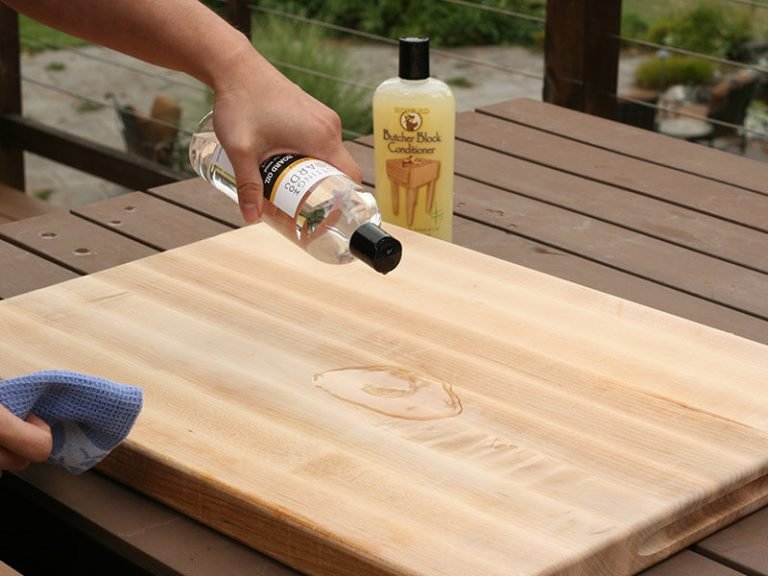
Oiling is key for wood utensils. It helps prevent drying and cracking. Use food-safe oils like mineral or coconut. Apply oil generously to the entire surface. Let it soak for several hours or overnight. Wipe off excess oil with a clean cloth. Repeat this process monthly or as needed. Oiling keeps the wood nourished and fresh.
Avoiding Common Mistakes
Some common mistakes can damage wood utensils. Avoid soaking them in water for long periods. This can cause warping. Never put them in the dishwasher. The heat and detergent are harsh. Use mild soap and warm water for cleaning. Dry them immediately with a towel. Store them in a dry place. These steps help avoid unnecessary wear.
When To Replace Utensils
Wood cooking utensils need cleaning after each use to prevent bacteria buildup. Wash them with mild soap and warm water, then dry immediately to avoid warping. Regular maintenance helps in extending their lifespan, ensuring safe and effective cooking.
When to Replace Utensils Wooden cooking utensils are durable and charming in any kitchen. They offer a natural touch that many people love. However, they do not last forever. Knowing when to replace them is essential for kitchen safety and hygiene. Damaged utensils can harbor bacteria and affect food quality. Recognizing signs of wear and tear helps maintain a clean and healthy kitchen environment.Cracks And Splinters
Inspect utensils regularly for cracks. Cracks can trap food particles and bacteria. Splinters are another warning sign. They can break off and mix with food. If you notice any cracks or splinters, it is time to replace the utensil.Discoloration And Odor
Wood utensils may develop unusual odors over time. Persistent odors indicate trapped bacteria. Discoloration is another red flag. It suggests the wood has absorbed too much moisture. If washing does not remove the odor or stains, consider replacing the utensil.Warping And Weakness
Wood can warp when exposed to moisture and heat. Warped utensils may not function properly. They can also become weak and prone to breaking. Test the strength by gently bending the wood. If it feels weak or bends easily, it is time for a new one.Rough Surface
A rough surface means the finish has worn away. This can happen from frequent use and washing. A rough surface is unsafe as it can harbor bacteria. If sanding does not smooth it out, replace the utensil.Age Of The Utensil
Consider the age of your wooden utensils. Even without visible damage, old utensils may not be safe. Over time, wood can become brittle and lose its integrity. Replace old utensils to ensure safety and hygiene in your kitchen./BHG-how-to-clean-wooden-spoons-and-utensils-hero-01-5b0daa98a2d54f0e941495d19f9bc13d.jpg)
Credit: www.bhg.com
Frequently Asked Questions
What Is The Best Way To Clean Wooden Cooking Utensils?
Clean wooden cooking utensils with warm water and mild dish soap. Rinse thoroughly and dry immediately. Avoid soaking them. Use vinegar or lemon for deodorizing. Periodically, apply mineral oil to maintain their condition.
Can You Soak Wooden Utensils In Vinegar?
Soaking wooden utensils in vinegar can cause them to absorb moisture and warp. It’s better to wipe them with a vinegar-dampened cloth for cleaning. This method avoids potential damage while still ensuring proper sanitization. Always dry thoroughly after cleaning to maintain their longevity and functionality.
Are Wooden Cooking Utensils Sanitary?
Yes, wooden cooking utensils are sanitary if properly maintained. Wash them with soap and water after use. Dry them thoroughly to prevent bacteria growth. Regularly oil them to maintain their condition. Avoid soaking in water for long periods to keep them hygienic.
What Is The Best Oil For Wooden Cooking Utensils?
Mineral oil is the best choice for wooden cooking utensils. It is food-safe and prevents drying and cracking. Regular application keeps the wood in good condition. Food-grade mineral oil can be easily found in most stores, making it a convenient option for maintaining your wooden utensils.
Conclusion
Cleaning wood utensils keeps them looking great. It also ensures they last longer. Use mild soap and warm water. Dry them completely after washing. Avoid soaking them in water. Regular oiling prevents cracks. Natural oils work best. Simple care routines make a big difference.
Your utensils deserve this attention. Happy cooking with clean tools! Enjoy the satisfaction of well-maintained utensils. They add charm to your kitchen. Follow these steps for effortless upkeep. Feel proud of your tidy kitchen essentials. Good habits create lasting value.
Embrace the joy of clean wooden tools! Keep your kitchen welcoming and fresh.

Hi, I’m Daniel Brooks—a food lover and kitchen gear enthusiast. I enjoy testing cookware, utensils, and gadgets to see what really works in everyday cooking. At PlugChef.com, I share honest reviews, comparisons, and simple guides to help you choose the best tools for a safer, smarter, and more enjoyable kitchen.
Related posts:
 What Type of Cooking Utensils are Safe: Expert Picks
 What Innovations Could Blenders Make: Unleashing Future Tech
 Smart Strategies to Organize a Small Kitchen: Maximize Space
 How to Organize a Kitchen Cabinet: Expert Tips & Tricks
 How to Organize Kitchen Drawers: Expert Tips and Tricks
 How to Organize a Corner Kitchen Cupboard: Expert Tips