
Your stove filter works hard to keep your kitchen air fresh and clean, but over time, it can get clogged with grease and grime. If you’ve noticed your stove isn’t working as well or your kitchen smells less than fresh, it’s time to give that filter some attention.
Cleaning your stove filter is easier than you might think, and doing it regularly can save you money and improve your cooking environment. Keep reading, and you’ll learn simple, effective steps to make your stove filter like new again—no special tools or harsh chemicals needed.
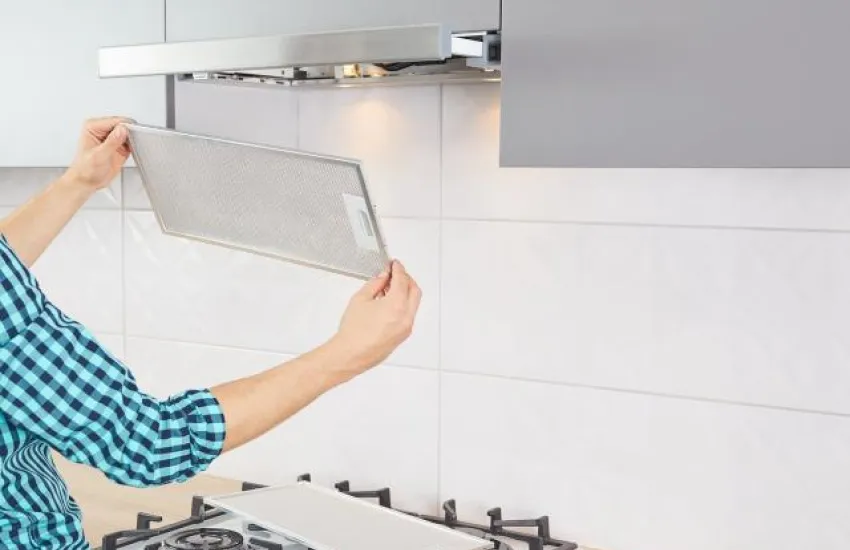
Credit: cltappliance.com
Types Of Stove Filters
Stove filters play a key role in keeping your kitchen air clean and your stove running efficiently. Different types of filters have unique designs and cleaning needs. Knowing which filter you have can save you time and effort when it’s time to clean.
Metal Mesh Filters
Metal mesh filters are usually made from aluminum or stainless steel. They trap grease and particles by catching them in tiny mesh holes. These filters are washable, which means you can soak them in hot soapy water or use a degreaser to clean off stubborn grime.
Think about how often you cook greasy meals. If your filter looks clogged quickly, metal mesh filters are great because you can clean and reuse them multiple times. Do you notice a greasy buildup on your stove hood? That’s a sign it’s time to clean your metal mesh filter.
Charcoal Filters
Charcoal filters are designed to absorb odors and smoke rather than trap grease. They use activated charcoal to neutralize smells, making your kitchen air fresher. These filters cannot be washed because water reduces their effectiveness.
Instead, replace charcoal filters every few months depending on your cooking frequency. If you love frying or grilling indoors, pay attention to any lingering smells. Replacing your charcoal filter regularly keeps your kitchen smelling clean and prevents smoke buildup.
Combination Filters
Combination filters mix both metal mesh and charcoal layers to capture grease and absorb odors simultaneously. These filters offer comprehensive protection but require a bit more care. You can clean the metal mesh part by washing, but the charcoal layer needs replacement.
Have you ever wondered why your filter smells even after cleaning? It might be time to swap out the charcoal section. Combination filters give you the best of both worlds, but staying on top of their maintenance keeps your stove and kitchen air in top shape.

Credit: www.youtube.com
Signs Your Stove Filter Needs Cleaning
Knowing when to clean your stove filter keeps your kitchen safe and fresh. Filters trap grease and smoke during cooking. Over time, they clog and lose their effectiveness. Watch for clear signs that show your stove filter needs cleaning. Acting early avoids bigger problems and keeps your stove working well.
Reduced Airflow
Notice less air moving through your stove fan? A clogged filter blocks air. This forces the fan to work harder. Cooking smells linger longer because air cannot pass freely. Reduced airflow means the filter is full of grease and dirt. Clean the filter to restore proper ventilation.
Unpleasant Odors
Bad smells coming from your stove area? A dirty filter traps grease and food particles. These build up and cause odors. The smell gets stronger after cooking. Cleaning the filter removes trapped residues. Fresh air returns, and odors disappear quickly.
Visible Grease Buildup
See thick grease or grime on your filter? This buildup means the filter is dirty. Grease looks shiny or sticky on the surface. It attracts dust and dirt, making the filter less effective. Remove the filter and check for grease layers. Regular cleaning keeps the filter clear and working well.
Tools And Supplies Needed
Gather a few basic items like dish soap, warm water, a sponge, and a soft brush. A basin or sink works well for soaking the filter. These simple tools make cleaning quick and easy.
Cleaning your stove filter is essential for maintaining kitchen hygiene. To do this task effectively, you’ll need a few key tools and supplies. These items will ensure a thorough cleaning, removing grease and grime from your stove filter.Dish Soap And Baking Soda
Dish soap is excellent for cutting through grease. Choose a strong, grease-fighting dish soap. Baking soda is a natural cleaning agent. It helps scrub away stubborn stains. Together, they make an effective cleaning duo.Scrubbing Brushes
Scrubbing brushes are necessary for deep cleaning. Use a brush with stiff bristles. This will help remove tough, baked-on grease. A smaller brush can clean tight spots.Hot Water And Gloves
Hot water helps loosen grease on the filter. Fill your sink with hot, soapy water. Use gloves to protect your hands from heat. They also keep your hands clean while scrubbing.Step-by-step Cleaning Process
Cleaning your stove filter regularly keeps your kitchen fresh and safe. Follow this simple process for a clean, grease-free filter. It takes only a few easy steps to restore your filter’s efficiency.
Removing The Filter Safely
Wait until the stove cools completely. Gently unlock or slide out the filter. Avoid using force to prevent damage. Place the filter on a flat surface for cleaning.
Soaking The Filter
Fill a sink or basin with hot water. Add a few drops of dish soap. Submerge the filter fully in the water. Let it soak for at least 15 minutes. This loosens grease and dirt effectively.
Scrubbing Away Grease
Use a soft brush or sponge for scrubbing. Focus on greasy spots and corners. Avoid abrasive scrubbers that may scratch the filter. Clean gently but thoroughly for best results.
Rinsing And Drying
Rinse the filter under warm running water. Remove all soap and loosened grease. Shake off excess water carefully. Let the filter air dry completely before reinstalling. This prevents moisture buildup inside the stove.
Tips For Maintaining A Clean Stove Filter
Keeping your stove filter clean is essential for maintaining good air quality and ensuring your kitchen stays fresh. Neglecting this small but vital part can lead to poor ventilation and even affect your stove’s performance. Here are some practical tips to help you keep your stove filter in top shape.
Regular Cleaning Schedule
Set a consistent routine for cleaning your stove filter. Depending on how often you cook, aim to clean the filter every 1 to 3 months. Sticking to a schedule prevents grease and dirt from building up, making the cleaning process easier and more effective.
Try marking your calendar or setting a reminder on your phone. This small habit saved me from dealing with a clogged filter that made my kitchen smell unpleasant for days. What cleaning routine fits best with your cooking habits?
Avoiding Excessive Grease Build-up
Grease is the main culprit behind dirty stove filters. To reduce build-up, always use lids on pots and pans when cooking greasy foods. This simple step cuts down airborne grease particles before they reach your filter.
Another tip is to wipe down your stovetop and surrounding areas immediately after cooking. Less grease on surfaces means less grease that can eventually clog your filter. Have you noticed how small changes in your cooking routine can make a big difference?
Replacing Filters When Needed
Even with regular cleaning, filters don’t last forever. Pay attention to signs like persistent odors, reduced airflow, or a visibly damaged filter. These indicate it’s time to replace your stove filter for the best performance.
Using a worn-out filter is like wearing dirty glasses—you won’t see the full picture clearly. Keep extra filters handy so you can swap them out without delay. When did you last check your filter’s condition?
Alternative Cleaning Methods
Cleaning your stove filter doesn’t have to be a chore limited to scrubbing with soap and water. Alternative cleaning methods can save you time and effort while still delivering great results. These options often use common household items or appliances you already own, making them both convenient and effective.
Using Vinegar And Baking Soda
Vinegar and baking soda form a powerful duo to break down grease and grime on your stove filter. Start by soaking the filter in hot water mixed with half a cup of vinegar for about 30 minutes. Then sprinkle baking soda on the filter and gently scrub with a brush or sponge.
This fizzing reaction loosens stubborn dirt without harsh chemicals. If you’ve never tried this before, you might be surprised how much easier the grease comes off. Have you noticed how natural cleaners often work better than you expect?
Dishwasher Cleaning
Many stove filters are dishwasher safe, which can save you serious time. Place the filter on the top rack to avoid damage and run a normal cycle. Avoid using heavy-duty detergent as it might be too harsh.
Using your dishwasher keeps the cleaning hands-free, letting you focus on other kitchen tasks. However, always check the manufacturer’s guidelines before tossing your filter in the dishwasher to prevent any damage.
Commercial Degreasers
If your filter is coated with thick, baked-on grease, commercial degreasers can provide a powerful clean. Choose a product specifically designed for kitchen use and follow the instructions carefully. Usually, you’ll spray the degreaser, let it sit for a few minutes, and then rinse thoroughly.
These products cut through grease efficiently but remember to wear gloves and ensure good ventilation. Have you ever found a degreaser that made your cleaning routine significantly easier? Trying one might be worth it if your filter needs extra attention.

Credit: www.realtor.com
Frequently Asked Questions
How Often Should I Clean My Stove Filter?
You should clean your stove filter every 1 to 3 months. Frequent cleaning prevents grease buildup and maintains efficient airflow. Regular maintenance also extends the filter’s lifespan and keeps your kitchen smelling fresh and clean.
What Materials Do I Need To Clean A Stove Filter?
To clean a stove filter, you need hot water, dish soap, baking soda, and a soft brush. These items effectively remove grease and grime without damaging the filter. Avoid harsh chemicals to maintain filter integrity.
Can I Clean A Stove Filter In The Dishwasher?
Yes, most metal stove filters are dishwasher safe. Place them on the top rack for gentle cleaning. However, check the manufacturer’s instructions to avoid damage. Filters with charcoal or non-metal parts should not go in the dishwasher.
How Do I Remove Stubborn Grease From Stove Filters?
Soak the filter in hot water mixed with dish soap and baking soda for 15-30 minutes. Then, scrub gently with a soft brush. This method breaks down tough grease without harming the filter surface.
Conclusion
Cleaning your stove filter keeps your kitchen fresh and safe. Regular care stops grease build-up and bad smells. It also helps your stove work better for longer. Use warm water and mild soap for best results. Dry the filter fully before putting it back.
Simple steps make a big difference in your cooking space. Keep your stove filter clean often to enjoy a healthier kitchen. Small effort, big benefits. Easy to do, easy to keep up.

I’m Abby Lu, a passionate home cook who loves simplifying everyday meals. At PlugChef.com, I share product reviews and cooking guides to help you find the best tools for your kitchen.
Related posts:
 What Type of Cooking Utensils are Safe: Expert Picks
 What Innovations Could Blenders Make: Unleashing Future Tech
 Smart Strategies to Organize a Small Kitchen: Maximize Space
 How to Organize a Kitchen Cabinet: Expert Tips & Tricks
 How to Organize Kitchen Drawers: Expert Tips and Tricks
 How to Organize a Corner Kitchen Cupboard: Expert Tips