

Is your sink draining slowly or not at all? A blocked sink pipe can be frustrating and messy, but you don’t have to call a plumber right away.
You can fix it yourself with simple steps that save you time and money. In this guide, you’ll discover easy and effective ways to clear your sink pipe blockage quickly. Keep reading to learn how to get your sink working like new again—no special tools or experience needed.
Your clean, flowing sink is just a few minutes away!
Common Causes Of Sink Pipe Blockages
Grease and food debrisoften clog sink pipes. Grease cools and hardens inside the pipe walls. Food scraps get stuck and block water flow. These blockages cause slow drainage and bad smells.
Hair and soap scumform sticky clumps. Hair strands wrap around pipe parts. Soap scum mixes with dirt and hair. This combo creates tough blockages that stop water.
Small foreign objectslike jewelry, bottle caps, or toys can fall into the sink. These objects get stuck and block pipes. They cause water to pool and pipes to clog.
Mineral builduphappens in areas with hard water. Minerals form a thick layer inside pipes. This layer narrows the pipe, slowing water flow. Over time, buildup blocks pipes completely.

Credit: https://www.youtube.com/watch?v=92JWwZuH_Jw
Tools And Materials Needed
A plungerhelps push blockages through pipes. It creates suction to clear clogs quickly.
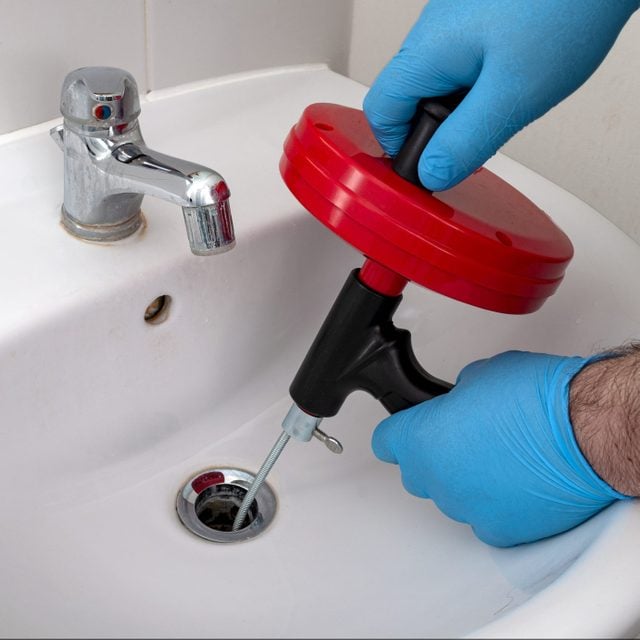
A pipe snakeis a long, flexible tool. It reaches deep into pipes to break up tough blockages.
Baking soda and vinegarwork well together. Pour baking soda, then vinegar into the drain to dissolve buildup.
| Tool | Purpose |
|---|---|
| Wrench | Loosens pipe fittings to access the blockage. |
| Bucket | Catches water and debris when pipes are opened. |
Simple Diy Methods
Pour boiling waterslowly into the sink drain. This helps melt greaseor soap build-up. Repeat the process twice for better results. Avoid boiling water if pipes are PVC; use warm water instead.
Start by pouring half a cup of baking sodainto the drain. Follow with half a cup of vinegar. Cover the drain with a plug for 15 minutes. Then, flush with hot water to clear the blockage.
- Place the plunger firmly over the drain.
- Push down and pull up quickly several times.
- Keep a tight seal around the drain.
- After plunging, run hot water to check if water flows freely.
Manual Cleaning Techniques
Remove the P-trap by unscrewing the slip nuts beneath the sink. Place a bucket under the trap to catch water. Clean out debris inside the P-trap using a brush or cloth. Reattach the trap securely after cleaning.
A pipe snake helps reach clogs deep in the pipe. Insert the snake slowly into the drain. Twist the handle to break up or pull out blockages. Pull the snake out carefully and dispose of debris.
A wire hanger can work as a simple tool for minor clogs. Straighten the hanger, leaving a small hook at one end. Gently insert the hook into the drain to catch hair or debris. Pull out the hanger and remove the clog.
When To Use Chemical Cleaners
Chemical cleanershelp dissolve tough blockages in sink pipes. They work best for clogs caused by grease, hair, or soap scum. Use them when physical tools like plungers don’t clear the blockage quickly. Avoid using chemicals on old or damaged pipes to prevent leaks.
Types Of Chemical Drain Cleaners
| Type | Description | Best For |
|---|---|---|
| Caustic Cleaners | Contain lye or sodium hydroxide; break down grease and fats | Kitchen sinks with grease blockages |
| Enzyme Cleaners | Use natural enzymes to break down organic material | Safe for all pipes and septic systems |
| Acid Cleaners | Contain sulfuric or hydrochloric acid; dissolve tough clogs | Severe blockages in metal pipes only |
Safety Precautions
- Wear gloves and eye protection before use.
- Work in a well-ventilated area to avoid fumes.
- Never mix different chemical cleaners together.
- Follow the instructions on the product label carefully.
- Keep chemicals away from children and pets.
Environmental Considerations
Chemical cleaners can harm water systems and wildlife. Choose enzyme-based cleaners for a safer option. Dispose of unused chemicals properly. Avoid using harsh acids to protect the environment. Use chemicals only when necessary and in small amounts.
Preventing Future Blockages
Throw food scraps in the trash. Avoid washing them down the sink. Pour used oil into containers. Do not pour it down the drain. Coffee grounds can clog pipes. Dispose of them in the garbage. Grease solidifies and blocks pipes. Use a jar to collect it. Keep the sink clean after every use. This prevents build-up.
Use hot water weekly. This flushes out small clogs. Mix baking soda and vinegar. Pour it down the drain monthly. This solution clears minor blockages. Clean the sink strainer often. It catches debris and prevents clogs. Use a plunger for small blockages. It helps clear the path quickly.
Fit a drain guard over the sink hole. It catches hair and food. This prevents them from going down the pipe. Clean the guard regularly. A full guard can block water flow. Buy quality guards. They last longer and work better.
Signs You Need Professional Help
Slow draining water and bad smells signal a sink pipe blockage. Persistent clogs or water backup often need professional fixing. Ignoring these signs can cause bigger plumbing problems.
Persistent Clogs
Clogsthat don’t go away can be frustrating. You may try many tricks. But the water just won’t drain. This means the problem is deep inside. It’s time to call a plumber.
Multiple Drain Issues
If more than one drain is slow, there might be a bigger issue. This can happen in the kitchen and bathroom. It is usually a sign of a blocked main line. A professional can handle it better.
Leaks And Water Damage
Wet spots under the sink can be a bad sign. This means leaksand possible water damage. Over time, this can harm your home. A plumber can find the source and fix it quickly.
Credit: www.familyhandyman.com

Credit: www.ars.com
Frequently Asked Questions
How Can I Clear A Sink Pipe Blockage Quickly?
To clear a sink pipe blockage quickly, use a plunger or a drain snake. Avoid harsh chemicals as they can damage pipes. Boiling water can help dissolve grease clogs. Regular maintenance prevents future blockages and keeps pipes flowing smoothly.
What Household Items Remove Sink Pipe Blockages?
Common household items like baking soda and vinegar effectively clear sink pipe blockages. Pour baking soda followed by vinegar into the drain, let it fizz for 15 minutes, then flush with hot water. This natural method breaks down clogs safely and cheaply.
Why Is My Sink Pipe Clogged Frequently?
Frequent sink pipe clogs often result from grease buildup, food debris, or hair. Avoid pouring grease down the drain and use strainers to catch debris. Regularly clean pipes and run hot water to reduce clog risks and maintain good drainage.
When Should I Call A Plumber For Sink Blockages?
Call a plumber if DIY methods fail or if water backs up repeatedly. Persistent blockages may indicate deep pipe issues or damage. Professional help ensures safe, effective clearing and prevents further plumbing problems or costly repairs.
Conclusion
Clearing a sink pipe blockage is easier than it seems. Using simple tools and steps saves time and money. Regular cleaning helps avoid future clogs. Always act quickly when you notice slow drainage. Keeping your pipes clean keeps your kitchen or bathroom fresh.
Try these tips to keep water flowing smoothly. A clean sink pipe means less stress and fewer repairs. Stay consistent, and your plumbing will stay in good shape.

I’m Abby Lu, a passionate home cook who loves simplifying everyday meals. At PlugChef.com, I share product reviews and cooking guides to help you find the best tools for your kitchen.
Related posts:
 What Type of Cooking Utensils are Safe: Expert Picks
 What Innovations Could Blenders Make: Unleashing Future Tech
 Smart Strategies to Organize a Small Kitchen: Maximize Space
 How to Organize a Kitchen Cabinet: Expert Tips & Tricks
 How to Organize Kitchen Drawers: Expert Tips and Tricks
 How to Organize a Corner Kitchen Cupboard: Expert Tips

