
Imagine the aroma of freshly baked cookies wafting through your kitchen. You’ve just created a masterpiece, but now it’s time to clean up.
Your baking tools and equipment deserve just as much care as your culinary creations. Keeping them spotless isn’t just about hygiene; it’s about preserving the magic of baking. When you know how to clean, sanitize, and store your tools properly, you ensure every batch is as delicious as the last.
Are you ready to discover the secrets to maintaining your baking arsenal? Dive in and let’s make your kitchen a haven for perfect pastries and delightful desserts.
Baking Tools Essentials
Baking can be a delightful experience, but the key to success lies in having the right tools and maintaining them well. “Baking Tools Essentials” is your guide to understanding and caring for these tools so they serve you well time and again. Whether you’re a seasoned baker or just starting out, knowing your tools can make all the difference.
Common Baking Tools
When you think of baking, the image of mixing bowls and spatulas might come to mind. These are indeed essential, but don’t overlook the importance of measuring cups, baking sheets, and rolling pins. Each tool plays a unique role in your baking process.
Imagine preparing a cake without a whisk or a mixer. You’d end up with a lumpy batter. Or trying to bake cookies without a good baking sheet; they might stick and break apart. Your baking tools are your best allies, helping you achieve perfect results.
Consider organizing your kitchen space to have these tools easily accessible. A clutter-free area not only boosts efficiency but also adds joy to your baking routine.
Importance Of Proper Care
Have you ever noticed your baked goods losing their charm over time? It might be a sign your tools need attention. Proper care extends the lifespan of your baking essentials and ensures consistent results.
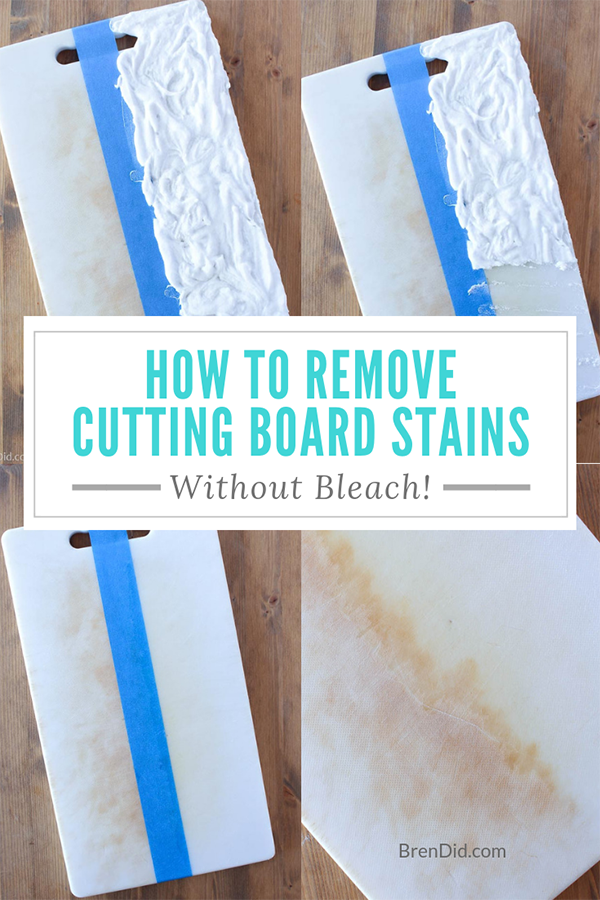
Regular cleaning and sanitizing prevent the buildup of food particles and bacteria. This not only keeps your tools in top condition but also safeguards your health. Use warm soapy water and a soft cloth to clean them after each use.
Consider storing your tools in a dry, cool place. Moisture can lead to rust, especially on metal items like measuring spoons. Proper storage not only protects your tools but also keeps your kitchen organized.
Do you remember the joy of using a brand new baking pan? Regular care can keep that feeling alive, making every baking session a pleasure. How do you care for your baking tools? Share your thoughts and tips below!

Credit: www.homeservicestoronto.com
Cleaning Techniques
Sanitizing baking tools ensures hygiene and safety. Wash thoroughly with warm soapy water. Rinse and dry completely. Store in a clean, dry place to prevent contamination. Regular maintenance keeps equipment in top condition.
Cleaning baking tools and equipment properly is essential. This ensures they remain in good condition. Proper cleaning removes bacteria and ensures food safety. Let’s explore different cleaning techniques.Removing Residue And Debris
Scrape off any leftover batter or dough first. Use a spatula or brush. It’s important to remove loose bits. Rinse the tools under warm water. This will help soften any stuck-on residue. For stubborn spots, soak the tools in warm soapy water. Let them sit for a few minutes. Use a gentle scrubber to remove remaining debris. This keeps your tools clean and ready for the next use.Using Mild Detergents
Choose a mild detergent for washing. It should be gentle on your tools. Strong chemicals can damage them. Mix the detergent with warm water. Use a soft cloth or sponge. Clean each tool thoroughly. Rinse them well under running water. This removes all soap residues. Dry them with a clean towel. This prevents water spots and rust.Handling Nonstick Surfaces
Nonstick surfaces need special care. Avoid abrasive scrubbers. They can scratch the coating. Use a soft sponge and mild detergent. Clean gently to protect the nonstick layer. Rinse with warm water. Dry immediately with a soft cloth. Never stack them wet. This helps maintain their nonstick properties.Sanitizing Methods
Sanitizing baking tools is crucial for kitchen hygiene. Wash items with warm, soapy water, then rinse thoroughly. Dry them completely before storing in a clean, dry place to prevent bacteria growth.
Cleaning and sanitizing your baking tools and equipment is crucial for maintaining a healthy kitchen environment. Germs and bacteria can easily thrive on surfaces if not properly sanitized. But what’s the best way to ensure everything is spotless and safe? Let’s dive into various sanitizing methods that can help keep your kitchen tools pristine.Using Natural Solutions
Natural solutions offer a gentle yet effective way to sanitize your baking tools. Vinegar and lemon juice are popular choices. They contain natural acids that can eliminate bacteria and germs without harsh chemicals. Simply mix equal parts of vinegar and water, or lemon juice and water, and wipe down your tools. Have you ever thought about using baking soda? It’s not just for baking. Create a paste with water and apply it to surfaces for a mild abrasive action. This eco-friendly method is great for those who prefer non-toxic options. Natural solutions are not only safe for your health but also for the environment. Plus, they leave your kitchen smelling fresh and clean!Benefits Of Hot Water
Hot water is one of the simplest and most effective sanitizers. The high temperature kills most bacteria and germs. Soak your tools in hot water for at least 15 minutes, and watch the magic happen. Consider using boiling water for items like metal baking sheets and utensils. It’s a fast way to sanitize without any additives. Just remember to handle the hot items carefully to avoid burns. Have you ever wondered why hot water feels so refreshing when you clean with it? It’s because it breaks down grime while sanitizing, leaving your tools spotless and ready for the next bake.Chemical Sanitizers
Chemical sanitizers are widely used for their efficiency and reliability. Bleach and commercial sanitizers are strong and effective at killing bacteria. Dilute bleach in water, typically a tablespoon per gallon, and use it to sanitize surfaces. Always read instructions on commercial sanitizers to ensure proper usage. They often require specific contact times to be effective. Do you sometimes worry about chemical residues? Make sure to rinse your tools thoroughly after sanitizing. This ensures no harmful residues remain, keeping your kitchen safe and healthy. Exploring different sanitizing methods can open up new ways to keep your baking tools clean. Which method suits your kitchen routine best?
Credit: www.cleanipedia.com
Drying And Maintenance
Proper drying prevents mold and bacteria in baking tools. Clean thoroughly with warm water and mild detergent. Sanitize with vinegar or baking soda. Store in a dry, cool place to ensure longevity and hygiene.
Proper drying and maintenance of your baking tools and equipment can significantly extend their lifespan and ensure they remain in top condition. After the hustle and bustle of baking, it’s crucial to handle these steps with care. Not only does it keep your tools pristine, but it also guarantees that every bake is as delicious as the last. Let’s dive into some simple yet effective methods for drying and maintaining your baking essentials.Air Drying Vs. Towel Drying
Choosing between air drying and towel drying can be confusing. Air drying is a hands-off approach, allowing your tools to dry naturally without any potential residue from towels. This method is perfect for delicate items like silicone spatulas and baking mats. On the other hand, towel drying offers speed and efficiency. Use a lint-free towel to avoid leaving fibers on your tools. It’s especially useful when you’re pressed for time or dealing with non-porous materials like metal pans and stainless steel mixing bowls. Have you ever rushed to bake only to find your tools weren’t fully dry? This common mishap can be avoided by understanding which drying method suits your tools best.Preventing Rust And Corrosion
Rust is a baker’s nightmare. It can ruin the integrity of your metal tools, making them unsafe for food. To prevent rust, ensure your tools are completely dry before storing them. Moisture trapped in tiny crevices can lead to rust over time. Corrosion can be equally damaging. Avoid storing metal tools in damp places, and consider wiping them with a bit of vegetable oil as an extra protective layer. This simple step can make a huge difference in preserving your tools. Have you ever thought about how the environment affects your tools? Humidity can be a silent enemy, so storing them in a dry, well-ventilated area is crucial. Maintaining your baking tools might seem like a chore, but it’s a small effort for lasting results. What’s your favorite tip for keeping your tools in prime condition?Efficient Storage Solutions
Sanitize baking tools by washing with hot, soapy water. Ensure thorough drying to prevent bacteria growth. Store equipment neatly in designated areas to maintain cleanliness and accessibility. Proper organization prolongs the lifespan of your baking essentials.
Efficient storage solutions are essential for any baker who wants to keep their tools organized and ready for action. A cluttered kitchen can be overwhelming, making it difficult to find the right spatula or measuring cup when you need it most. Imagine searching for your favorite rolling pin in a sea of baking gadgets, only to find it buried under a pile of mismatched cookie cutters. Does this sound familiar? Let’s dive into some practical tips for organizing and storing your baking tools effectively.Organizing Baking Tools
To keep your baking tools organized, consider grouping items by function. Keep measuring spoons and cups in a drawer close to your prep area. Store mixing bowls near your mixer for easy access. Use clear bins or baskets to separate cookie cutters, spatulas, and whisks. This way, everything is within reach, and you won’t waste time hunting for a specific tool. Labeling can also make a big difference. Invest in some sticky labels or a label maker. Mark drawers and containers clearly, so you know exactly where each item belongs. This simple step can save you precious minutes every time you bake.Space-saving Tips
Maximize your storage space by using vertical solutions. Install hooks or pegboards on kitchen walls to hang lightweight tools like measuring spoons and whisks. This keeps them off the counter and easily accessible. Consider adjustable shelving units. They can be tailored to fit your collection and can expand as your toolset grows. Shelves are perfect for storing larger items like mixing bowls and baking sheets. If you’re really short on space, look into collapsible tools or nested items. They take up less room and can be neatly stowed away in a drawer or cupboard.Maintaining Tool Longevity
Proper storage isn’t just about organization; it’s about prolonging the life of your tools. Keep knives and blades in protective covers to prevent dulling. Store wooden tools like rolling pins and cutting boards in a dry area to avoid warping and cracking. Regularly inspect your tools for damage. Replace worn-out items promptly to ensure you’re always working with safe and effective equipment. A broken whisk can ruin a batch of batter, and a warped baking sheet can affect your cookies’ texture. How do you store your baking tools? Are there any unique solutions you’ve discovered? Sharing your tips and tricks could inspire fellow bakers in their quest for a clutter-free kitchen.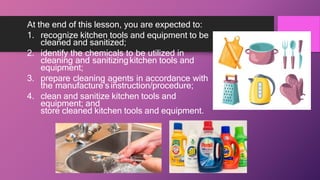
Credit: www.slideshare.net
Special Care For Delicate Tools
Proper care ensures baking tools last longer. Clean with mild soap and warm water. Sanitize using vinegar or baking soda. Store in a dry, cool place to prevent rust and damage.
Keeping your baking tools in top condition can be a rewarding experience, especially when it comes to delicate tools that require special care. These tools often need a gentle touch to maintain their quality and longevity. Handling them with extra attention ensures that they continue to serve you well in your baking adventures, providing you with perfect results each time.Handling Wooden Utensils
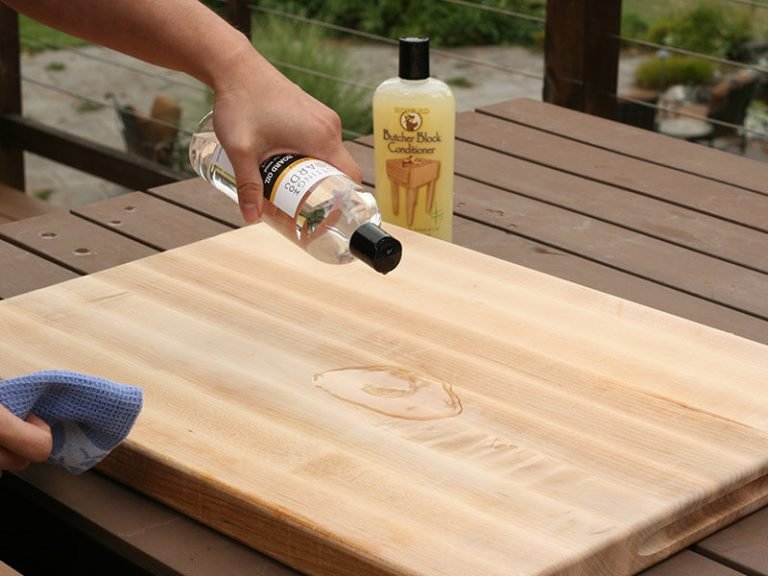
Wooden utensils add a rustic charm to your kitchen, but they demand careful handling to prevent damage. Avoid soaking them in water for extended periods, as this can lead to warping or cracking. Instead, wash them quickly with mild soap and warm water, then dry them immediately with a clean towel. To maintain their natural beauty, periodically condition your wooden tools with food-safe mineral oil. This helps prevent them from drying out and keeps them looking fresh. Have you ever noticed how a well-oiled wooden spoon feels smoother and more comfortable in your hand?Glass And Ceramic Care
Glass and ceramic tools are both elegant and functional, but they can be fragile. Always handle them with care to avoid chips and cracks. Use a soft cloth or sponge with mild detergent for cleaning, and steer clear of abrasive pads that could scratch their surfaces. If you’ve ever experienced the heartbreak of a shattered favorite mixing bowl, you know the importance of careful handling. Store glass and ceramic items with padding, like a soft towel, to prevent accidental damage. Do you have a special spot in your kitchen where delicate items are safe from bumps and knocks? Paying attention to these details can make all the difference in extending the life of your baking tools. When you treat these items with respect, they reward you with years of reliable service and help you create delicious masterpieces.Frequently Asked Questions
How To Clean And Sanitize Baking Tools?
Wash baking tools with warm, soapy water. Scrub thoroughly with a brush. Rinse well and dry completely. Sanitize with a solution of one tablespoon bleach in one gallon of water. Let them air dry. Store in a clean, dry place to prevent contamination.
What Is Clean, Sanitize, And Store Kitchen Tools And Equipment?
Clean kitchen tools by washing with soap and water. Sanitize using a disinfectant to kill bacteria. Store them in a dry, organized space to prevent contamination. Ensure tools are completely dry before storage to avoid mold growth. This process maintains hygiene and prolongs the lifespan of your equipment.
How Clean And Sanitized Equipment Can Be Stored?
Store clean and sanitized equipment in a dry, designated area. Use covered shelves or closed cabinets. Ensure proper ventilation to prevent moisture build-up. Label storage areas clearly for easy identification. Regularly inspect and maintain cleanliness of the storage area.
How To Clean, Maintain, And Store Tools And Equipment?
Clean tools with a damp cloth or mild detergent. Dry them thoroughly to prevent rust. Regularly check for damage and lubricate moving parts. Store tools in a dry, cool place, ideally in a toolbox or on a pegboard. Organize by type for easy access and prolonged life.
Conclusion
Keeping baking tools clean is essential for hygiene. Regularly sanitize them to prevent germs. Proper storage protects from damage and dirt. Dry tools completely before storing. Wet items can breed bacteria. Use airtight containers for storage. This keeps tools safe and fresh.
Organizing tools saves time during baking. Clean tools enhance performance and safety. Make cleaning a routine. It ensures long-lasting equipment. Enjoy baking with well-maintained tools. Happy baking starts with clean, sanitized tools. Your efforts will pay off with delicious results.
Keep tools ready for your next baking adventure.

I’m Abby Lu, a passionate home cook who loves simplifying everyday meals. At PlugChef.com, I share product reviews and cooking guides to help you find the best tools for your kitchen.
Related posts:
 What Type of Cooking Utensils are Safe: Expert Picks
 What Innovations Could Blenders Make: Unleashing Future Tech
 Smart Strategies to Organize a Small Kitchen: Maximize Space
 How to Organize a Kitchen Cabinet: Expert Tips & Tricks
 How to Organize Kitchen Drawers: Expert Tips and Tricks
 How to Organize a Corner Kitchen Cupboard: Expert Tips