
Have you ever reached for a trusty tool only to find it tarnished by rust? It’s frustrating, right?
Rust not only diminishes the appearance of your tools but can also affect their performance. But don’t worry—there’s a simple, effective solution right in your kitchen: vinegar and baking soda. These everyday items can revive your tools without harsh chemicals or expensive products.
Imagine restoring your tools to their former glory, with minimal effort and expense. You’ll discover a straightforward method to clean rusty tools using vinegar and baking soda, ensuring your tools stay in top shape. Keep reading to learn how you can easily transform your rusty tools back into reliable partners for your projects!

Credit: www.youtube.com
Materials Needed
Cleaning rusty tools doesn’t require expensive solutions. Simple household items work wonders. Before starting, gather all necessary materials. This ensures a smooth cleaning process. Let’s explore the essentials.
Vinegar And Baking Soda
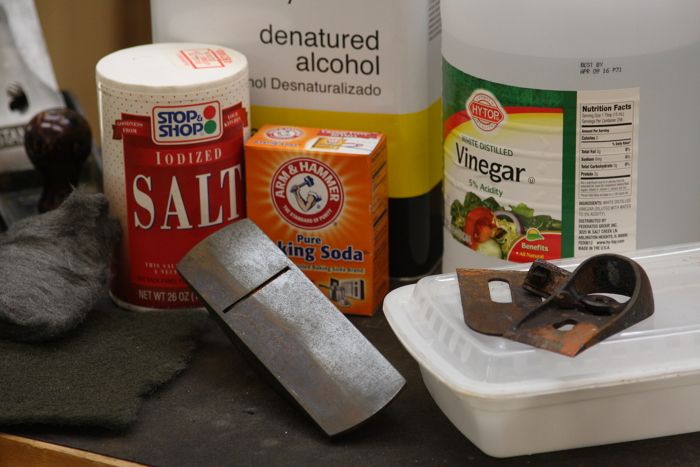
White vinegar is crucial. It has strong acidity to dissolve rust. Baking soda complements vinegar. It reacts to lift stubborn rust stains. Keep these items handy.
Cleaning Equipment
A brush is needed. It scrubs away loosened rust. Use a toothbrush for smaller areas. A rag or cloth helps with wiping. Ensure they are clean.
Protective Gear
Safety is important. Wear gloves to protect your hands. Rust and cleaning agents can harm skin. Goggles shield your eyes from splashes. Ensure a safe cleaning environment.
Credit: www.finewoodworking.com
Preparation Steps
Cleaning rusty tools with vinegar and baking soda is effective and eco-friendly. Before starting the process, preparation is crucial. Proper preparation ensures a smooth and successful cleaning experience. Below are detailed steps to help you prepare efficiently.
Gathering Supplies
To begin, gather all necessary supplies. You will need white vinegar, baking soda, a large bucket, and a scrub brush. A clean cloth and gloves are also important. Ensure the vinegar and baking soda are fresh. This guarantees the best results. Check the condition of your tools. Remove any loose dirt or debris. This makes the cleaning process easier and more effective.
Setting Up A Workspace
Choose a suitable workspace for the cleaning task. A well-ventilated area is ideal. It prevents strong vinegar fumes from accumulating. Cover your workspace with old newspapers or plastic. This protects surfaces from spills and stains. Arrange your tools and supplies nearby. This keeps everything within easy reach. Ensure good lighting in the area. It helps you see the rust clearly. This allows for more precise cleaning.
Cleaning Process
Cleaning rusty tools can be a daunting task, but the combination of vinegar and baking soda makes it surprisingly simple and effective. This process not only restores your tools to their former glory but also extends their lifespan. Let’s dive into how you can transform those rusty relics back to useful assets.
Soaking Tools In Vinegar
Start by gathering your rusty tools and placing them in a container large enough to submerge them. Pour enough vinegar to cover the tools completely. Leave them soaking overnight or for at least 8 hours. The acidity of vinegar helps dissolve the rust, making it easier to remove.
During the soaking period, you might notice bubbles forming around the tools—this means the vinegar is doing its job. For particularly stubborn rust, consider adding a splash of lemon juice for an extra boost. Have you ever tried soaking a rusty wrench only to find it shining the next day? It’s like magic, but it’s just science!
Scrubbing With Baking Soda
Once the tools have soaked sufficiently, remove them from the vinegar and rinse them briefly with water. Make a paste using baking soda and a small amount of water. Apply this paste to the rusty areas of the tools. Use a brush or old toothbrush to scrub the paste into the metal.
Baking soda acts as a mild abrasive, helping to lift the remaining rust without scratching the metal surface. Scrubbing can be surprisingly satisfying—each stroke reveals more of the original tool beneath. How many times have you thought a tool was beyond saving, only to be proven wrong with a little elbow grease?
Rinsing And Drying
After scrubbing, thoroughly rinse your tools with warm water to remove any vinegar and baking soda residue. Be sure to dry them immediately to prevent any new rust from forming. Use a clean cloth or towel to wipe them down.
If you’re feeling cautious, apply a light coat of oil or lubricant to protect the tools from future rust. This step is crucial to preserve your hard work. Have you ever wondered why some tools rust while others stay pristine? The secret often lies in how they’re cared for post-cleaning.
Cleaning rusty tools might seem like a chore, but the satisfaction of seeing them shine again is well worth the effort. With vinegar and baking soda, you’re using everyday items to tackle a common problem. Have you ever tried this method? Share your results and any tips you might have in the comments!
Removing Stubborn Rust
Rust can be tough to deal with on tools. Simple solutions can make a big difference in restoring them. Vinegar and baking soda offer a powerful combo to tackle stubborn rust. The process is easy, and it uses items from your kitchen. This method helps prolong the life of your tools without harsh chemicals.
Creating A Baking Soda Paste
Start with baking soda. Use a bowl to mix it with water. You need a paste-like consistency. Not too runny. Use a spoon or spatula to stir. This paste will help in scrubbing the rust away. It’s safe for your hands, and it’s effective.
Applying And Scrubbing
Spread the paste on the rusty areas. Cover them well. Let it sit for a while. This allows the baking soda to work on the rust. After waiting, use a brush to scrub. Firm strokes help remove the rust. Rinse with water. Check if more scrubbing is needed. Repeat if necessary. The rust should start to fade away.
Preventing Future Rust
Cleaning rusty tools with vinegar and baking soda helps prevent future rust. Soak tools in vinegar to loosen rust. Then, use baking soda to scrub away residue. This method is effective and simple for maintaining your tools.
Cleaning rusty tools with vinegar and baking soda is a fantastic way to give them a new lease on life. But what happens after you’ve restored their shine? You don’t want to find yourself battling rust again in a few months. Preventing future rust is crucial to maintaining your tools’ longevity. Let’s dive into some practical ways you can ensure your tools stay rust-free.Proper Storage Techniques
Store your tools in a dry place. Humidity is a rust magnet. Consider using a toolbox or storage cabinet that seals well against moisture. Remember that garage floors can be damp. Elevate your tools on shelves or hang them on walls.Regular Maintenance Tips
Give your tools a quick wipe after each use. This removes moisture and debris. Apply a light coat of oil to metal surfaces. This creates a barrier against air and moisture. Check for signs of rust frequently. Early detection can save you from heavy-duty cleaning later. Now, think about this: are your tools ready for a marathon or just a sprint? Taking steps to prevent rust not only saves you time but also money in the long run. Have you ever had to repurchase a tool simply because it became unusable from neglect? It’s frustrating and unnecessary. By embracing these storage and maintenance practices, you’re not just protecting your tools; you’re investing in your projects and passions. What small changes can you make today to extend the life of your tools?Safety Tips
Cleaning rusty tools with vinegar and baking soda can be effective. Yet, it’s crucial to prioritize safety during the process. Mishandling household chemicals, even mild ones, can lead to accidents or injuries. Proper precautions protect both you and your tools. Follow these safety tips to ensure a safe cleaning experience.
Handling Chemicals Safely
Start by reading the labels on the vinegar and baking soda. While these are common items, they still need respect. Use them in a well-ventilated area to avoid inhaling fumes. Keep the vinegar and baking soda away from your eyes and mouth. In case of contact, rinse immediately with water. Store them safely after use, away from children and pets.
Using Protective Gear
Always wear protective gear while cleaning. Gloves protect your skin from irritation. Safety goggles shield your eyes from splashes. Wear old clothes or an apron to avoid stains. Closed-toe shoes keep your feet safe from spills. These simple steps prevent unnecessary mishaps.
Environmental Considerations
Using vinegar and baking soda to clean rusty tools is eco-friendly. These ingredients break down rust without harmful chemicals. Simple and effective, this method respects environmental health while restoring your tools.
Cleaning rusty tools with vinegar and baking soda is not just effective; it’s also an eco-friendly choice. However, as you embark on this green cleaning journey, it’s important to consider the environmental impact of your actions. From disposing of your cleaning solutions to exploring eco-friendly alternatives, every step you take can contribute to a healthier planet.Disposing Of Cleaning Solutions
Once you’ve soaked your tools in vinegar and scrubbed them with baking soda, you might wonder what to do with the leftover mixture. Pouring it down the drain can harm aquatic life and disrupt the balance of natural water systems. Instead, consider using it to clean other household items or neutralize it with more baking soda before disposal. Are you curious about other disposal options? You can also dilute the solution with water and use it to fertilize your garden, as vinegar can help in weed control. Just make sure the concentration is low to avoid harming your plants.Eco-friendly Alternatives
While vinegar and baking soda are already greener choices, there are other eco-friendly cleaning agents you can try. Lemon juice, for instance, is a powerful natural acid that can effectively remove rust. It also leaves a fresh scent, adding a pleasant touch to your cleaning routine. Have you ever thought about using salt? It’s an abrasive that can work wonders on stubborn rust, especially when combined with lime juice. By exploring these alternatives, you not only protect the environment but also discover new ways to maintain your tools without harsh chemicals. In making these environmentally conscious choices, you play a part in preserving nature for future generations. Wouldn’t you feel better knowing your actions contribute positively to the world around you?:max_bytes(150000):strip_icc()/homemade-rust-remover-recipes-1387936_FINAL-6c6543826627420ba5152b7ad0ea67c7.png)
Credit: www.thespruce.com
Frequently Asked Questions
Does Baking Soda And Vinegar Remove Rust From Tools?
Yes, baking soda and vinegar can remove rust from tools. Mix them to create a paste and apply. Let it sit, scrub with a brush, and rinse for best results. This method is eco-friendly and cost-effective. Regular maintenance helps prevent rust buildup.
How Long To Soak Tools In Vinegar To Remove Rust?
Soak tools in vinegar for 12 to 24 hours to effectively remove rust. Check periodically for progress. For stubborn rust, scrub with a brush and soak again if needed. After soaking, rinse and dry tools thoroughly to prevent further rusting.
How Long Do You Let Vinegar And Baking Soda Sit?
Let vinegar and baking soda sit for 5 to 10 minutes. This time helps the mixture clean effectively. Adjust the duration based on the surface or cleaning requirement. Always rinse thoroughly afterwards to avoid residue. Use this method for tasks like unclogging drains or cleaning surfaces.
Does White Vinegar Actually Remove Rust?
Yes, white vinegar effectively removes rust. Soak the rusty item in vinegar for a few hours. Scrub the area with a brush to remove remaining rust. Rinse and dry thoroughly. Vinegar’s acetic acid dissolves rust, making it an affordable and natural solution for rust removal.
Conclusion
Cleaning rusty tools is simple with vinegar and baking soda. These household items work wonders. Scrub tools gently, and watch rust disappear. It’s affordable and eco-friendly. No need for harsh chemicals. Just soak, scrub, and rinse. Tools look new again.
Maintain them regularly to prevent rust. Store tools in dry places. Keep them clean after use. Your tools will last longer. This method is easy and effective. Try it on your rusty tools today. Enjoy clean, shiny tools without much hassle.

I’m Abby Lu, a passionate home cook who loves simplifying everyday meals. At PlugChef.com, I share product reviews and cooking guides to help you find the best tools for your kitchen.
Related posts:
 What Type of Cooking Utensils are Safe: Expert Picks
 What Innovations Could Blenders Make: Unleashing Future Tech
 Smart Strategies to Organize a Small Kitchen: Maximize Space
 How to Organize a Kitchen Cabinet: Expert Tips & Tricks
 How to Organize Kitchen Drawers: Expert Tips and Tricks
 How to Organize a Corner Kitchen Cupboard: Expert Tips