

Rusty tools can be a real headache, can’t they? You might have tried various methods to restore them, but it’s easy to feel overwhelmed or disappointed with the results.
Imagine if there was a simple, cost-effective solution sitting right in your kitchen pantry. Yes, we’re talking about baking soda! This humble household ingredient holds the secret to transforming your rusty tools back to their former glory. You might be wondering how something so ordinary could be so powerful.
Stick with us, and you’ll discover how this DIY method not only saves you money but also brings your tools back to life. Curious to see this magic in action? Let’s dive into the step-by-step process that will have you reaching for your baking soda with excitement!
Why Rust Forms On Tools
Rust forms on tools due to moisture exposure and oxygen interaction. Baking soda offers an effective method for cleaning rusty tools, as its mild abrasive properties help scrub away rust. Mix baking soda with water to create a paste, apply to the rust, and scrub gently for best results.
Rust is a common problem that can significantly affect the lifespan of your tools. It’s frustrating to see your trusty hammer or favorite wrench develop those unsightly reddish-brown spots. Understanding why rust forms on tools is the first step in preventing and dealing with it.Understanding Rust: The Basics
Rust is a type of corrosion that occurs when iron or steel comes into contact with water and oxygen. This combination leads to a chemical reaction, forming iron oxide, commonly known as rust. It’s a process that happens gradually, but once it starts, it can spread quickly if left untreated.The Role Of Moisture And Oxygen
Moisture is the primary culprit behind rust formation. Whether it’s from rain, humidity, or just water left on the surface, any contact with moisture can initiate rust. Oxygen in the air then reacts with the iron in your tools to create iron oxide. Even the slightest exposure to moisture, such as sweat from your hands, can start this process.Temperature And Environmental Factors
Environmental factors play a significant role in rust formation. Tools stored in humid environments or exposed to temperature fluctuations are more prone to rust. Consider how your garage feels during a rainy day; that dampness can affect your tools, leading to rust over time.The Impact Of Tool Usage
Frequent use can also contribute to rust. Tools that are regularly used are more likely to have scratches or wear that expose bare metal. This exposed metal is susceptible to rust if it’s not properly maintained or stored.Preventative Measures
So, what can you do to protect your tools from rust? Regular maintenance is key. Dry your tools thoroughly after use, and store them in a dry place. Consider using a protective oil or rust-preventative spray. Ask yourself, how often do you check the condition of your tools? A quick inspection can save you time and money in the long run. Understanding why rust forms on tools equips you with the knowledge to prevent it. By taking a few simple steps, you can keep your tools in top condition and ready for action.Benefits Of Using Baking Soda
Baking soda effectively cleans rusty tools without harsh chemicals. Mix with water to form a paste. Apply to rusted areas. Scrub gently, rinse, and dry. Simple and eco-friendly.
Cleaning rusty tools can be a daunting task, but baking soda offers an easy and effective solution. It’s a household staple that’s gentle on your tools and the environment. Plus, it’s cost-effective and readily available. Let’s delve into the benefits of using baking soda for cleaning your rusty tools.1. Cost-effective Solution
Baking soda is inexpensive and can be found in almost any grocery store. Unlike specialized rust removers, it doesn’t require a hefty investment. A small box can last through multiple cleaning sessions, saving you money in the long run.2. Environmentally Friendly
Baking soda is a natural substance that doesn’t harm the environment. You can use it without worrying about toxic runoff or harmful chemicals. It’s safe to rinse down the drain, making it a guilt-free choice for cleaning.3. Gentle On Tools
Unlike abrasive cleaners, baking soda is gentle on metal surfaces. It effectively removes rust without scratching or damaging your tools. This ensures your tools remain in good condition and have a longer lifespan.4. Easy To Use
No special skills are required to use baking soda for rust removal. Simply mix it with water to form a paste and apply it to the rusted areas. After some time, scrub and rinse—the rust comes off effortlessly.5. Versatile Cleaning Agent
Baking soda isn’t just for rust—it can clean a variety of surfaces. From kitchen appliances to bathroom tiles, it’s a versatile cleaner. This flexibility makes it a valuable addition to your cleaning arsenal. Have you ever considered how a simple kitchen ingredient could revive your old tools? Baking soda not only cleans but also offers peace of mind with its safety and effectiveness. Give it a try, and you might find it becomes your go-to solution for stubborn rust.Gathering Necessary Materials
Start by gathering baking soda, a small bowl, water, an old toothbrush, and a clean cloth. These materials will help you effectively clean rusty tools. Ensure you have everything handy before starting to save time and effort.
Cleaning rusty tools with baking soda is a simple and effective method that you can easily do at home. Before you start, you need to gather a few essential materials to ensure the process goes smoothly. This step is crucial because having everything ready can save time and make the task less daunting. Imagine finding out halfway through that you’re missing a key item. It’s frustrating, right? So, let’s dive into what you need.Baking Soda
Baking soda is the star of the show when it comes to cleaning rusty tools. It’s affordable, safe, and most likely already sitting in your pantry. The gentle abrasiveness of baking soda helps scrub away rust without damaging your tools. Think of it as your eco-friendly cleaning agent. Have you ever tried using baking soda for cleaning? If not, this might be the perfect opportunity to test its power.Water
Water is essential for creating a paste with baking soda. You don’t need anything fancy; tap water will do the trick. The water activates the baking soda, turning it into a paste that you’ll apply to the rusty areas. Remember, you just need enough water to make a thick, spreadable mixture. Have you ever wondered why water is such a universal solvent? It’s because it helps carry substances like baking soda to the surface of the rust.Scrubbing Brush
A scrubbing brush is your best friend when it comes to removing rust. Opt for a brush with stiff bristles, which can effectively tackle stubborn rust spots. It’s like having a magic wand that helps restore your tools to their former glory. Have you ever felt the satisfaction of seeing rust disappear under your brush strokes? It’s a rewarding experience that makes all the effort worthwhile.Container Or Bowl
You’ll need a container or bowl to mix your baking soda paste. Choose something that’s easy to clean and can hold enough paste for your tools. A simple kitchen bowl will work perfectly. Have you ever thought about repurposing old containers for cleaning tasks? It’s a great way to reduce waste while getting the job done efficiently. By gathering these materials, you’re setting yourself up for a successful cleaning session. Each item plays a crucial role in the process. So, are you ready to tackle those rusty tools? With these materials in hand, you’re well-equipped to bring your tools back to life.
Credit: www.youtube.com
Preparing The Baking Soda Paste
Creating a paste with baking soda requires mixing water and baking soda until thick. This paste helps in scrubbing away rust effectively. Apply the mixture to the rusty areas, ensuring thorough coverage for optimal results.
Cleaning rusty tools with baking soda is simple and effective. The first step involves making a paste. This paste helps in breaking down the rust. Baking soda is gentle yet powerful. It works wonders on old and rusty tools. Follow these steps for a perfect paste.Mixing Baking Soda And Water
Start by gathering your materials. You need baking soda and water. Use a small bowl for mixing. Add two tablespoons of baking soda to the bowl. Then, slowly pour water into the bowl. Add little by little. Stir the mixture well. Use a spoon or spatula. The mixture should be smooth. Mixing evenly is key.Achieving The Right Consistency
The paste should be thick. Not too watery or runny. It should stick to the tools easily. Adjust the water if needed. Too much water? Add more baking soda. Too thick? Add a splash of water. Aim for a creamy texture. It should hold its shape. This ensures effective rust removal. Proper consistency enhances the cleaning process.Applying The Paste To Rusty Tools
To clean rusty tools, apply a paste made from baking soda and water. Cover the rusted areas and let it sit. This method helps remove rust, restoring your tools effectively.
Applying the paste to rusty tools is a straightforward process. It transforms dull, corroded surfaces into cleaner, more functional pieces. Baking soda acts as a gentle abrasive, breaking down rust without harming the metal underneath. This method is ideal for those seeking an eco-friendly solution. It requires minimal effort but delivers noticeable results.Coating The Tool Surfaces
Start by mixing baking soda with water. Create a thick paste. Apply the mixture generously onto the rusty areas of your tools. Use a small brush for precise application. Ensure the paste covers all rusty surfaces. This step is crucial for effective rust removal. The paste will work to loosen the rust particles. Allow it to sit for a few minutes before scrubbing.Ensuring Even Coverage
Spread the paste evenly over each tool surface. This ensures comprehensive cleaning. Uneven application might leave rust spots untreated. Use a brush or cloth to smooth out the paste. Focus on any heavily rusted sections. Make sure every part is covered. This maximizes the paste’s effectiveness. Even coverage leads to better cleaning results. Check that no area is overlooked.Scrubbing And Cleaning The Tools
Cleaning rusty tools can feel like a daunting task, but with the right approach, it becomes a straightforward process. After you’ve prepared your baking soda paste, the next crucial step is scrubbing and cleaning the tools. This stage determines how effectively you can restore your tools to their former glory. So, how can you make this step easy and efficient?
Using The Scrubbing Brush
Choose a stiff-bristled scrubbing brush for the best results. The bristles should be tough enough to handle rust but gentle enough not to damage the metal. A simple scrubbing motion works wonders—apply steady pressure as you scrub the baking soda paste across the tool’s surface.
Scrubbing in circular motions can help dislodge the rust particles more effectively. Remember to rinse the brush occasionally to remove accumulated rust and paste. Have you considered using an old toothbrush for tighter spaces? It can reach nooks and crannies that a larger brush might miss.
Removing Stubborn Rust Spots
Some rust spots seem determined to stick around. For these stubborn areas, apply a bit more paste and let it sit for an additional 10-15 minutes. This extra time allows the baking soda to penetrate and loosen the rust further.
Revisit the spots with your scrubbing brush, applying extra elbow grease as needed. Sometimes a second round of scrubbing might be necessary. Is there a particularly resistant spot? Try using a piece of aluminum foil dipped in the paste for added abrasion without scratching the metal.
Once you’re satisfied with the rust removal, rinse the tools thoroughly with water to wash away any residual baking soda. Pat them dry with a clean cloth to prevent new rust from forming. Have you ever noticed how a little attention to detail during cleaning can extend the life of your tools?
Reflect on your cleaned tools—do they sparkle like new? Share your cleaning success with fellow DIY enthusiasts. After all, every tool deserves a chance to shine in your workshop.
Rinsing And Drying The Tools
Rinsing tools thoroughly after scrubbing with baking soda helps remove residue. Dry them completely to prevent further rust. A soft cloth or towel works best for drying.
Once you’ve scrubbed away the rust from your tools using baking soda, the next crucial step is rinsing and drying. These steps might seem straightforward, but doing them right ensures your tools remain rust-free and in top condition. Skipping proper rinsing and drying can lead to unwanted residue or even more rust. So, let’s dive into the details of how to execute these steps effectively.Thoroughly Rinsing With Water
It’s essential to rinse your tools thoroughly with water after scrubbing with baking soda. This process removes any leftover baking soda and rust particles. Use a garden hose or a bucket of clean water to wash off the residue. Ensure you rinse every crevice, especially if your tools have intricate parts. Leaving any baking soda residue can attract moisture, leading to more rust in the future. Consider using a soft brush to assist in rinsing off stubborn areas. This ensures that no baking soda remains trapped in tight spots.Proper Drying Techniques
After rinsing, promptly dry your tools to prevent rust from forming again. Use a clean, dry cloth to wipe down each tool thoroughly. Pay attention to joints and hinges, as these areas can retain moisture. You can also use a hairdryer for more effective drying, especially for tools with complex parts. The warm air helps to evaporate any lingering moisture quickly. Ensure the tools are completely dry before storing them. Any leftover moisture can lead to rust, undoing all your hard work. Reflecting on the process, have you ever noticed how often you neglect drying your tools thoroughly? Taking that extra minute can save you from future headaches. By carefully rinsing and drying, you’re not just cleaning your tools; you’re extending their life and enhancing their performance. So, next time you clean your tools, pay attention to these steps. How much better will your tools serve you when they’re perfectly cared for?:max_bytes(150000):strip_icc()/homemade-rust-remover-recipes-1387936_FINAL-6c6543826627420ba5152b7ad0ea67c7.png)
Credit: www.thespruce.com
Preventing Future Rusting
After investing time in cleaning your rusty tools with baking soda, the last thing you want is for them to rust again. Preventing future rust is crucial to prolonging the life of your tools and ensuring they remain functional. It’s not just about storing them properly; it’s also about regular maintenance. Are you ready to keep your tools rust-free?
Storing Tools Properly
Proper storage is your first line of defense against rust. Keep your tools in a dry place. Humidity is rust’s best friend, and you don’t want them hanging out together.
A toolbox or a tool chest can help. But if these aren’t available, a simple shelf in a dry room works wonders. Don’t underestimate the power of silica gel packets; they absorb moisture and can be a game-changer.
Have you considered hanging your tools? By keeping them off the ground, you reduce exposure to damp surfaces. This simple trick can make all the difference.
Regular Maintenance Tips
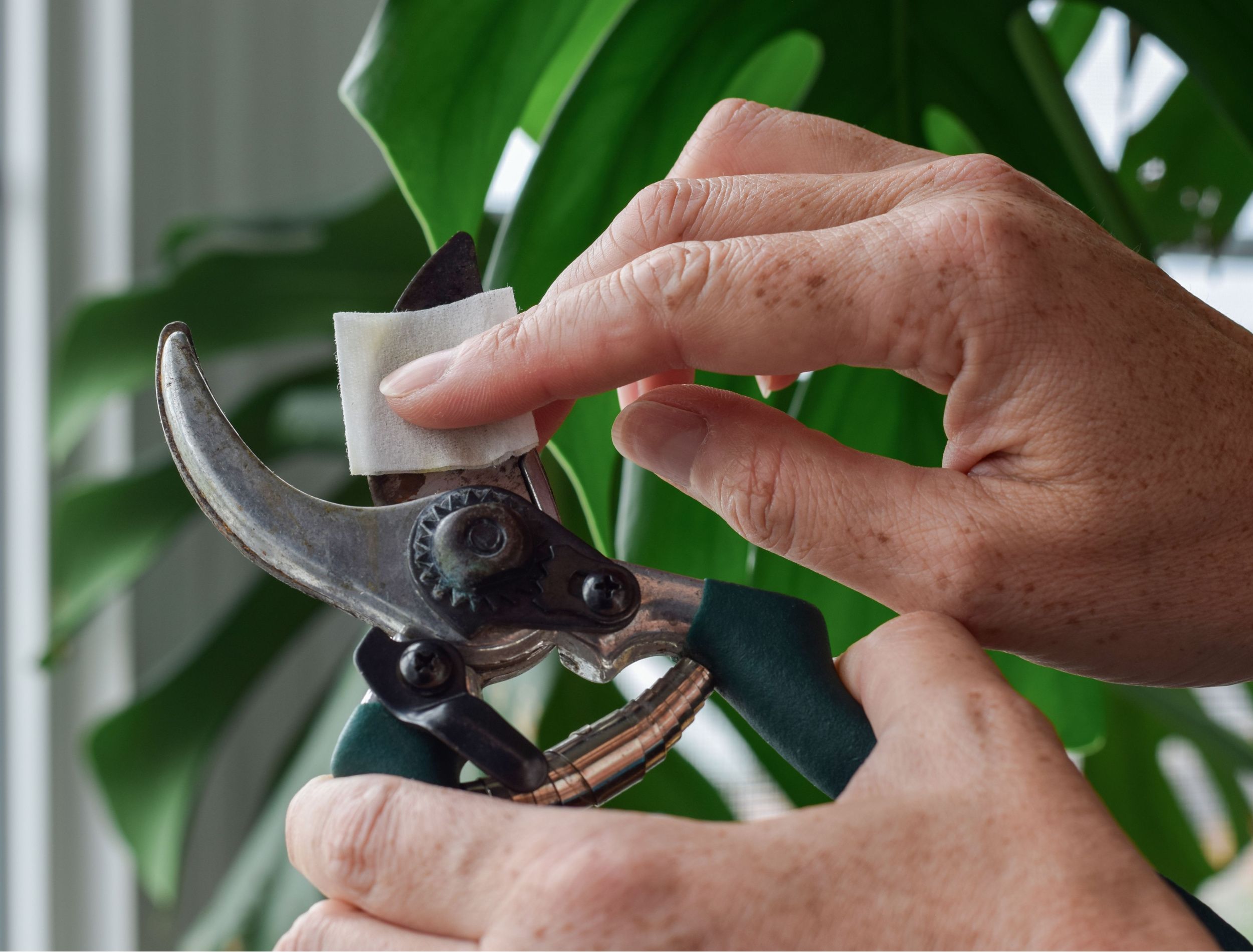
Regular maintenance is key. After using your tools, wipe them clean. This removes dirt and moisture that might lead to rust.
Applying a thin layer of oil to your tools can prevent rust. It’s a small step that adds a protective barrier. Think of it like sunscreen for your tools!
Set a reminder to check your tools periodically. Catching rust early can save time and effort later. Plus, it ensures your tools are always ready for the next task.
Do you ever find yourself ignoring maintenance until it’s too late? Taking proactive steps now can save you from frustration down the road. Let’s keep those tools in tip-top shape!
Credit: www.backyardboss.net
Frequently Asked Questions
Does Baking Soda Remove Rust From Tools?
Yes, baking soda can remove rust from tools. Make a paste with baking soda and water. Apply it to rusted areas, let it sit, then scrub with a brush. Rinse and dry the tools thoroughly to prevent further rusting. This method is eco-friendly and cost-effective.
What Is The Best Way To Clean Old Rusty Tools?
Use white vinegar to soak rusty tools for several hours. Scrub with a brush to remove rust. Rinse and dry thoroughly. Apply oil to prevent future rust.
Is Vinegar Or Baking Soda Better For Removing Rust?
Vinegar is better for removing rust due to its acidic nature. It effectively dissolves rust from metal surfaces. Baking soda can be used for mild rust removal, but vinegar provides quicker results. Soak the rusty item in vinegar for best results.
What Is The Best Homemade Rust Remover?
Mix white vinegar and baking soda for an effective homemade rust remover. Apply the paste to rusty areas. Let it sit for 30 minutes, then scrub off the rust with a brush. This natural solution is affordable, easy to make, and works well on most metal surfaces.
Conclusion
Cleaning rusty tools with baking soda is simple and effective. It saves time and money. The process uses items from your kitchen. No need for harsh chemicals. Your tools will be clean and ready to use. Start with basic tools first.
Experience the ease of cleaning with baking soda. See the results for yourself. It is practical and easy to follow. Try it and keep your tools in good shape. Regular care keeps rust away. Enjoy working with clean tools. Your efforts will pay off.
Maintain your tools well. Happy cleaning!

I’m Abby Lu, a passionate home cook who loves simplifying everyday meals. At PlugChef.com, I share product reviews and cooking guides to help you find the best tools for your kitchen.
Related posts:
 What Type of Cooking Utensils are Safe: Expert Picks
 What Innovations Could Blenders Make: Unleashing Future Tech
 Smart Strategies to Organize a Small Kitchen: Maximize Space
 How to Organize a Kitchen Cabinet: Expert Tips & Tricks
 How to Organize Kitchen Drawers: Expert Tips and Tricks
 How to Organize a Corner Kitchen Cupboard: Expert Tips

