
Imagine slicing your favorite fruits or chopping vibrant veggies on a plastic cutting board that sparkles with cleanliness. It sounds ideal, right?
Yet, over time, your trusty kitchen companion can harbor stains, odors, and even harmful bacteria. Keeping your plastic cutting board spotless isn’t just about aesthetics—it’s crucial for your health and the flavor of your meals. You might wonder, “Am I cleaning it correctly?
” Or “What’s the best way to ensure it’s truly clean? ” In this guide, you’ll discover simple, effective methods to restore your cutting board to its pristine state, making your kitchen safer and your food tastier. Dive in and learn how easy it can be to maintain the cleanliness of your cutting board—you’ll be surprised at how straightforward it is!
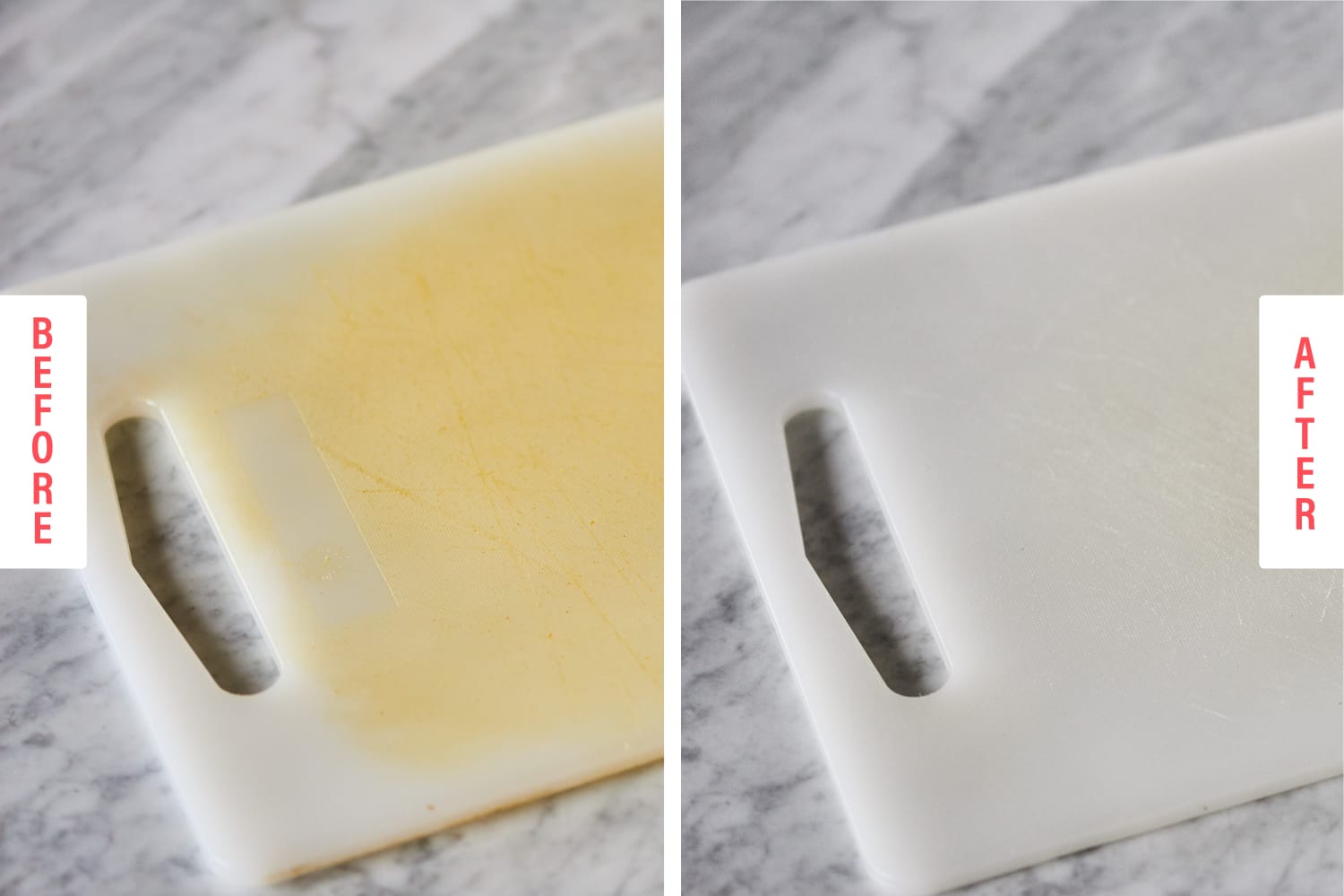
Credit: www.thekitchn.com
Choosing The Right Cleaning Materials
Cleaning a plastic cutting board requires the right materials. The right choice ensures your board stays safe and lasts longer. Using incorrect materials can damage the board surface.
Some materials clean effectively while others may leave residue. This residue can affect the taste of food. Choosing wisely will help maintain hygiene.
Choosing Mild Detergents
Mild detergents are gentle on plastic surfaces. They remove grease and food particles without harming the board. Always opt for unscented versions to avoid lingering smells.
Using White Vinegar
White vinegar is a natural cleaning agent. It disinfects and removes odors from the board. Mix equal parts of water and vinegar for an effective solution.
Considering Baking Soda
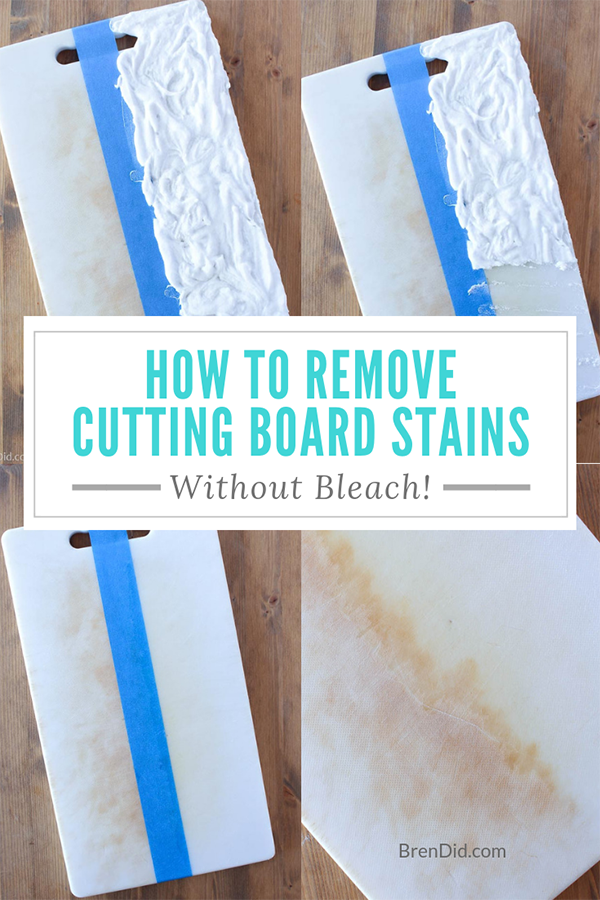
Baking soda acts as a mild abrasive. It helps scrub away stubborn stains. Mix it with water to form a paste for cleaning tough spots.
Opting For Lemon Juice
Lemon juice is great for eliminating smells. Its natural acids clean the board surface effectively. Rub lemon halves directly on the board for fresh scent.
Daily Cleaning Routine
Keeping your plastic cutting board clean is essential for maintaining a healthy kitchen. A daily cleaning routine ensures that you’re not just removing visible food particles but also eliminating potential bacteria. Let’s dive into the simple steps you can follow to keep your cutting board fresh and safe every day.
Warm Water And Dish Soap
Start your daily cleaning routine with warm water and dish soap. This combination is effective in removing food residues and grease. Warm water softens stuck-on food, making it easier to scrub away.
Fill your sink with warm water and add a few drops of your favorite dish soap. Mix it until you see some bubbles. This soapy solution is your first line of defense against germs.
Using A Sponge Or Soft Brush
Next, grab a sponge or a soft brush. A sponge works well for regular maintenance, while a soft brush can reach into deeper grooves. Choose whichever feels more comfortable for you.
I once tried using a hard brush, thinking it would clean better. Instead, it scratched my board. Soft bristles do the job without damaging the surface.
Gently scrub the cutting board with your sponge or brush. Pay attention to any stains or marks. This step takes just a few minutes but makes a big difference in cleanliness.
Have you ever noticed that even after a light meal, your cutting board looks worn out? A quick scrub can restore its shine and reassure you of its cleanliness.
By making these small efforts each day, you can avoid the buildup of bacteria and stains. Isn’t it worth it to spend a few minutes ensuring your kitchen tools are in top shape?
Deep Cleaning Techniques
Deep cleaning plastic cutting boards ensures hygiene. Start by sprinkling baking soda over the surface. Scrub with a damp brush. Rinse thoroughly with hot water. Finish by wiping with white vinegar for extra sanitation. Dry completely to prevent bacteria growth.
Regular cleaning helps maintain a safe cooking environment.
Cleaning your plastic cutting board effectively is essential for maintaining kitchen hygiene. Over time, even the most diligent cleaning can leave your board stained or smelling unpleasant. Deep cleaning techniques can help restore your cutting board to its pristine condition, making it safe for food preparation. These methods don’t require fancy products, just everyday household items.White Vinegar Solution
A white vinegar solution is a simple yet powerful way to deep clean your cutting board. Mix equal parts of white vinegar and water in a spray bottle. Spray the solution generously over the board’s surface. Let it sit for five to ten minutes. This gives the vinegar time to kill bacteria and eliminate odors. After the wait, rinse your board thoroughly with warm water. You’ll notice a fresher smell and cleaner appearance. Have you ever noticed how vinegar is a staple cleaner in many households? It’s because it works wonders.Baking Soda Paste Method
Baking soda is another fantastic cleaning agent. To create a paste, combine baking soda with a little water until you achieve a thick consistency. Spread this paste over the cutting board using a sponge. Scrub gently, focusing on any stained areas. Baking soda’s abrasive nature helps lift stubborn stains without scratching the board. Once the stains are gone, rinse the board with warm water. Dry it with a clean towel. Did you know baking soda is gentle enough for skin but tough on grime? These deep cleaning techniques are practical and easy. Have you tried them before? If not, why not give your cutting board a thorough cleanse today?
Credit: southgeorgiastyle.com
Removing Stains And Odors
Plastic cutting boards are a kitchen staple. Yet, they can easily absorb stains and odors. These stains and smells can make your board unhygienic. Cleaning them properly is essential. Let’s explore effective methods for removing stains and odors.
Lemon And Salt Scrub
Lemon is a natural cleaner. It works wonders on stains and odors. Start by sprinkling coarse salt on the cutting board. Then cut a lemon in half. Use it to scrub the board. Apply pressure as you scrub. This helps lift stains and neutralize smells. Rinse the board with warm water. Dry thoroughly before storing.
Hydrogen Peroxide Soak
Hydrogen peroxide is a powerful disinfectant. It also helps remove tough stains. Pour a small amount over the stained areas. Let it sit for a few minutes. This soak breaks down stains and kills bacteria. After soaking, rinse the board with warm water. Ensure it’s dry before putting it away. This method keeps your board fresh and clean.
Sanitizing For Safety
Plastic cutting boards are kitchen essentials. They serve every chopping need. Keeping them clean ensures safety from harmful germs. Regular sanitization prevents bacteria buildup. It keeps your meals safe. Let’s explore how to sanitize for safety.
Bleach Solution Tips
Bleach is effective for killing germs. Use one tablespoon of bleach per gallon of water. This solution disinfects your cutting board. After mixing, apply it to the board. Let it sit for two minutes. Rinse thoroughly with hot water. Ensure no bleach residue remains. Air dry the board completely before using.
Using A Dishwasher
Dishwashers sanitize with high heat. Place the plastic cutting board on the top rack. Avoid overcrowding. Choose a high-temperature setting for optimal cleaning. The dishwasher eliminates bacteria effectively. Ensure the board is dishwasher-safe. Check manufacturer instructions to confirm. Let it dry completely before storing.

Credit: www.thekitchn.com
Maintenance Tips
Maintaining a clean plastic cutting board ensures safety and longevity. Regular cleaning keeps bacteria away and prevents odors. Simple practices can make your cutting board last longer. Follow these maintenance tips for best results.
Avoiding Knife Marks
Knife marks can harbor bacteria if not addressed. Use a softer touch when cutting. This reduces deep cuts and extends the board’s life. Rotate the board for even use. This prevents one area from wearing out too quickly.
Proper Storage Practices
Store your cutting board in a dry, upright position. This allows air circulation and prevents moisture buildup. Moisture can lead to mold or warping. Make sure the board is completely dry before storing. Wet boards can become a breeding ground for germs.
When To Replace Your Cutting Board
Plastic cutting boards need replacement when deep scratches or grooves appear. These can trap bacteria, even with regular cleaning. A clean board ensures safe food preparation.
When it comes to maintaining kitchen hygiene, keeping your cutting board clean is crucial. But even with the best care, there comes a time when replacing your cutting board is necessary. Knowing when to let go of your old board can save you from potential health risks. Let’s dive into the signs that it’s time to replace your plastic cutting board.Visible Deep Cuts And Grooves
Plastic cutting boards naturally develop cuts and grooves from regular use. If these marks become deep, they can harbor bacteria. No amount of cleaning can make it safe again. If you notice that your board has more cuts than you can count, it might be time to shop for a new one.Persistent Stains And Odors
Have you ever scrubbed your board only to find that the smell of last night’s garlic lingers? Persistent stains and odors can indicate that your board has absorbed bacteria. This is especially true if regular cleaning doesn’t remove them. Consider replacing your board to maintain a fresh and safe food prep area.Warping Or Distortion
A warped cutting board can wobble, making it unsafe to use. It can also lead to uneven cuts, which can be frustrating. If you notice your board isn’t lying flat anymore, it’s not just annoying; it’s a sign it’s time for a replacement.Frequent Dishwashing
If your cutting board frequently goes through the dishwasher, it might wear out faster. The heat and water pressure can cause warping and degradation. If you notice these effects, it might be time to rethink your cleaning strategy or replace the board.Age Of The Board
How long have you had your cutting board? If you can’t remember when you bought it, it might be too old. Plastic cutting boards do not have an indefinite lifespan. Regular inspection can help you decide when it’s time to invest in a new one.Consider Your Usage
Think about how often you use your cutting board. Is it your go-to for everything from chopping vegetables to slicing meat? High usage means it will wear out faster. If your board is your kitchen workhorse, it might need replacing more often than you think. Remember, a good cutting board is essential for safe and efficient cooking. Don’t wait until it’s too late to make a switch. How does your cutting board measure up?Frequently Asked Questions
What Is The Best Way To Clean A Plastic Cutting Board?
Clean a plastic cutting board with hot soapy water and a scrub brush. Rinse thoroughly and air dry. For deeper cleaning, use a mixture of baking soda, vinegar, and lemon juice. Scrub the board, rinse, and dry. Avoid using harsh chemicals or dishwasher to prevent warping.
Does Vinegar Disinfect Plastic Cutting Boards?
Vinegar can disinfect plastic cutting boards by killing some bacteria. It is less effective than commercial disinfectants. For thorough cleaning, use hot soapy water first, then apply vinegar. Rinse well after use to ensure hygiene. Regular maintenance keeps cutting boards safe and clean.
How To Refresh A Plastic Cutting Board?
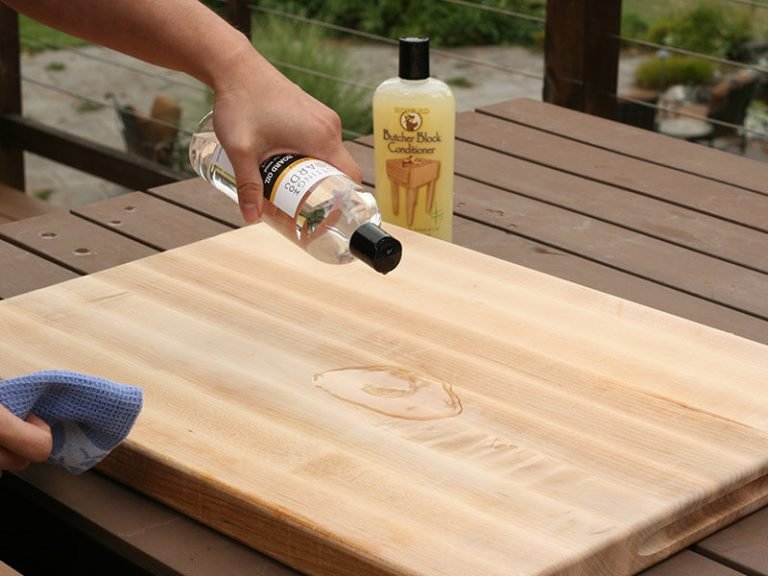
Clean your plastic cutting board with hot soapy water. Scrub using coarse salt and lemon juice. Rinse thoroughly and dry. Apply mineral oil to maintain its condition. Avoid harsh chemicals to prevent damage. Regular cleaning ensures hygiene and extends its lifespan.
How To Get Cut Marks Out Of Plastic Cutting Board?
To remove cut marks from a plastic cutting board, use a mixture of baking soda and water. Scrub gently with a sponge to smooth the surface. Rinse thoroughly with water and dry. Regular maintenance helps keep the board in good condition.
Conclusion
A clean plastic cutting board keeps your kitchen safe. Regular washing removes bacteria and food stains. Use warm water and soap for daily cleaning. For tough stains, try baking soda or vinegar. Dry it completely to prevent mold. Store in a dry place to avoid moisture.
A clean board helps with healthier cooking. Keep it spotless for better meal preparation. These steps ensure your cutting board lasts longer. Enjoy the benefits of a tidy kitchen space. Simple habits lead to safer food handling every day.

I’m Abby Lu, a passionate home cook who loves simplifying everyday meals. At PlugChef.com, I share product reviews and cooking guides to help you find the best tools for your kitchen.
Related posts:
 What Type of Cooking Utensils are Safe: Expert Picks
 What Innovations Could Blenders Make: Unleashing Future Tech
 Smart Strategies to Organize a Small Kitchen: Maximize Space
 How to Organize a Kitchen Cabinet: Expert Tips & Tricks
 How to Organize Kitchen Drawers: Expert Tips and Tricks
 How to Organize a Corner Kitchen Cupboard: Expert Tips