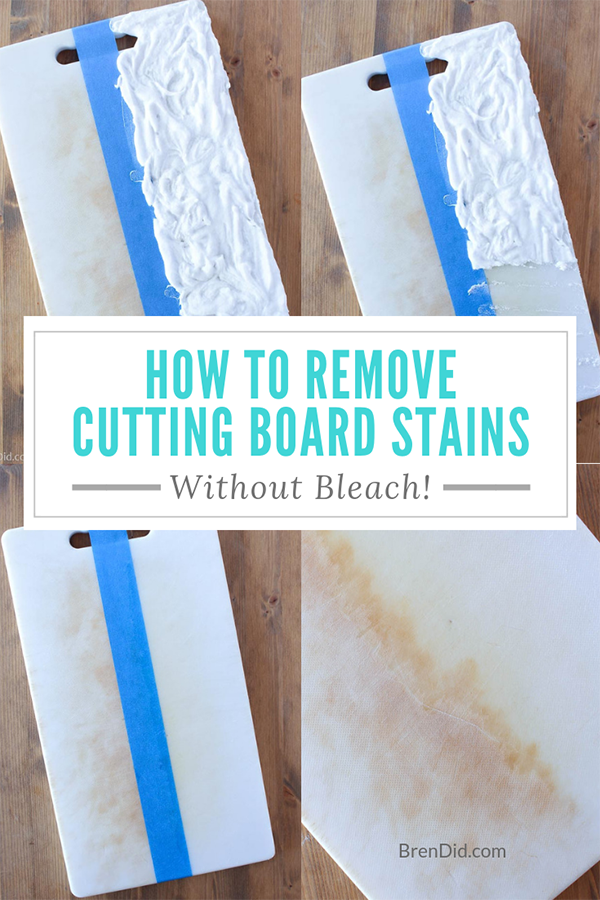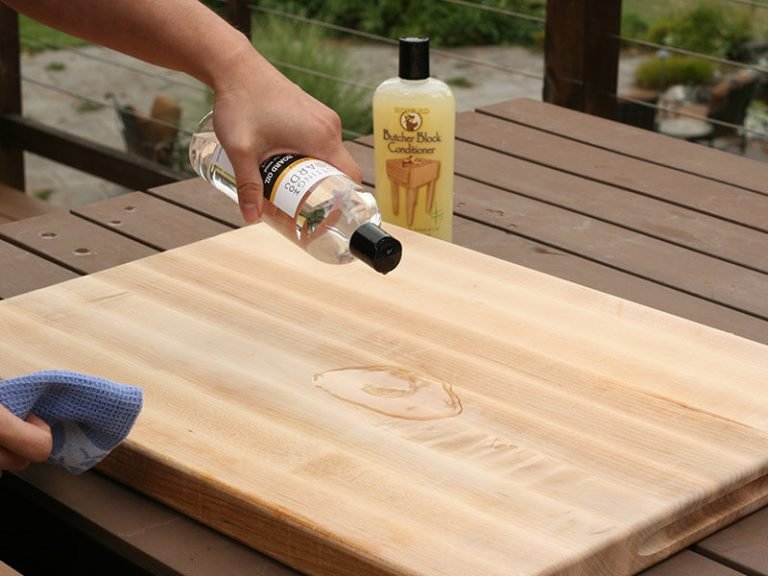

Are you tired of scrubbing your glass pan only to see stubborn stains and residue still stuck? Cleaning a glass pan doesn’t have to be a frustrating chore.
With the right tips and tricks, you can make your glass pan sparkle like new without wasting time or effort. You’ll discover simple, effective methods that anyone can use to get your glass cookware spotless and shining. Keep reading to learn how to save your glass pan from tough stains and enjoy cooking with a clean, clear surface every time.
Choosing The Right Cleaning Tools
Choosing the right cleaning tools makes a big difference when cleaning glass pans. The wrong tools can scratch or damage the glass. Use gentle tools that clean well without harming the surface. This helps keep your glass pans clear and shiny for a long time.
Soft Cloths And Sponges
Soft cloths and sponges are perfect for wiping and washing glass pans. They remove dirt without scratching the surface. Microfiber cloths work best because they trap dirt and grease easily. Use a soft sponge with a smooth side to avoid scratches.
Non-abrasive Scrubbers
Non-abrasive scrubbers clean tough spots without damaging glass. These scrubbers are gentle but effective on stuck-on food. Avoid steel wool or rough scrub pads. They can leave permanent marks on your glass pans.
Suitable Cleaning Solutions
Choose cleaning solutions made for glass or gentle kitchen use. Mild dish soap mixed with warm water is safe and effective. Avoid harsh chemicals or bleach, which can damage the glass. Natural options like vinegar and baking soda work well for stains.
Credit: www.searspartsdirect.com
Preparing Your Glass Pan For Cleaning
Begin by removing any food scraps or grease from the glass pan. Soak it in warm, soapy water to loosen stuck-on residue before cleaning. This makes the cleaning process easier and more effective.
Preparing your glass pan for cleaning is essential. This step ensures effective removal of all residues. Proper preparation reduces cleaning time and effort. Let’s explore how to get your glass pan ready.Removing Loose Debris
Start by clearing loose food particles. Use a soft spatula or a similar tool. Gently scrape away debris without scratching the glass. This prevents further complications during cleaning. Dispose of the debris properly to keep your sink clean.Soaking To Loosen Stubborn Residue
Soak the glass pan in warm, soapy water. Fill the sink or a large basin with water. Add a few drops of mild dish soap. Place the pan in the water for at least 15 minutes. This helps soften tough residues. After soaking, residues become easier to scrub away. For extra stubborn spots, let it soak longer.Effective Cleaning Methods
Cleaning a glass pan effectively doesn’t have to be a chore. Choosing the right method can save you time and prevent damage to your cookware. Let’s look at some reliable ways to get your glass pan sparkling clean using simple ingredients and safe products you might already have at home.
Using Baking Soda And Vinegar
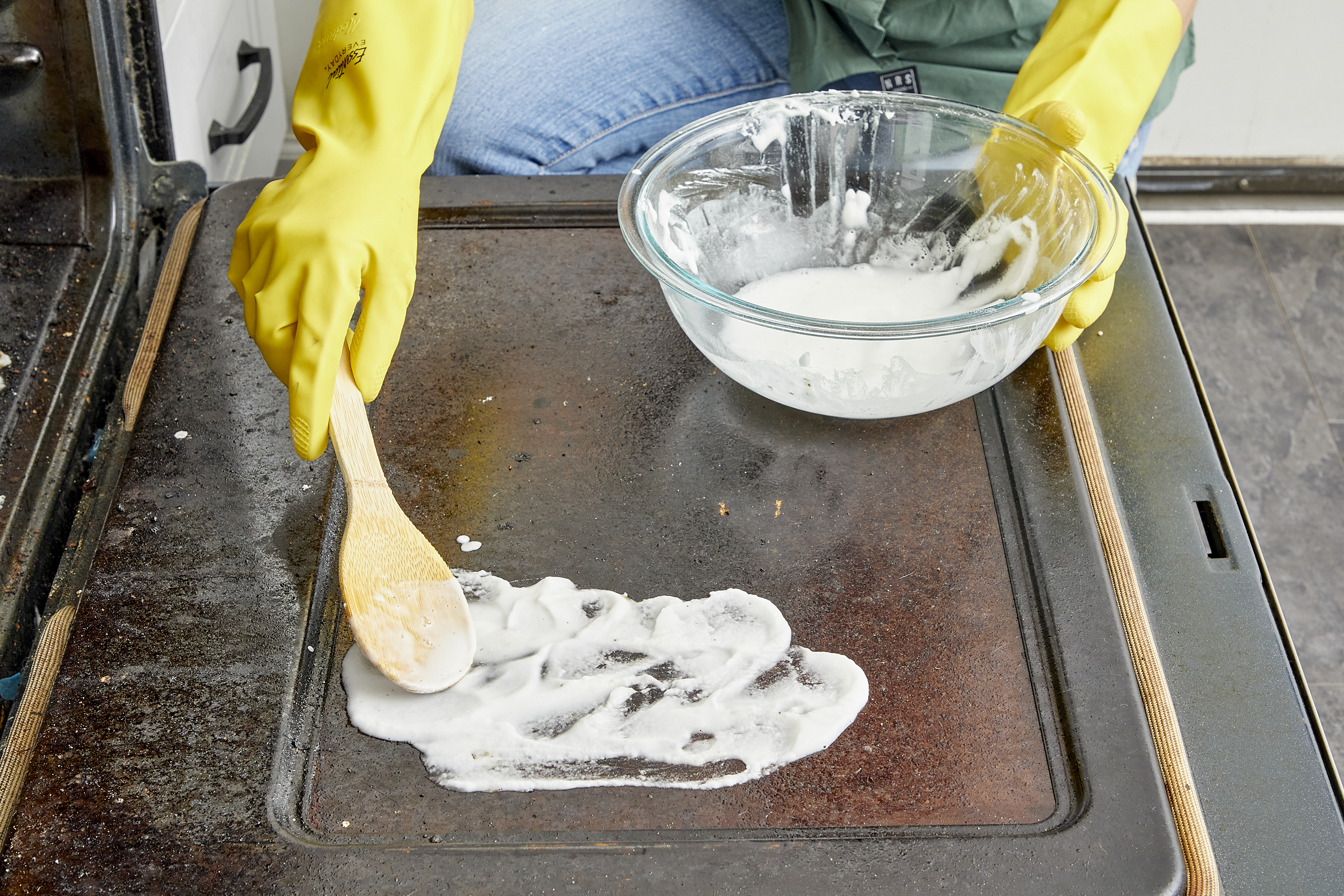
Baking soda and vinegar create a natural fizzing reaction that helps lift stubborn stains and burnt-on food. Sprinkle a generous amount of baking soda over the pan’s surface, then slowly pour vinegar on top. The bubbling action will loosen grime, making it easier to scrub away.
Let the mixture sit for 10–15 minutes before scrubbing with a soft sponge. This combination is gentle enough to protect your glass but tough on residue. Have you tried this with your toughest pans yet?
Applying Dish Soap And Warm Water
Sometimes, a simple soak is all your glass pan needs. Fill the pan with warm water and add a few drops of dish soap. Let it soak for 20–30 minutes to soften any stuck-on food.
After soaking, use a non-abrasive sponge to wipe away residue. This method is quick, requires minimal effort, and is perfect for regular maintenance. Could this be your go-to routine to avoid buildup?
Leveraging Commercial Cleaners Safely
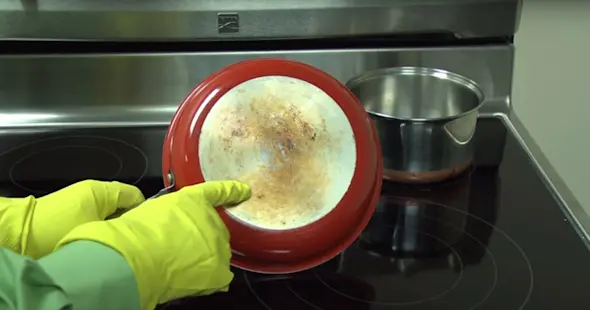
Commercial glass cleaners or oven cleaners can be effective but require caution. Always read the label to ensure the product is safe for glass cookware. Use gloves and ventilate your kitchen to avoid irritation.
Apply the cleaner as directed, usually letting it sit for a few minutes before rinsing thoroughly. These products can tackle very tough stains but should be a last resort to preserve your pan’s longevity. Have you found a commercial cleaner that works without harsh side effects?
Handling Tough Stains And Burnt Residue
Tough stains and burnt residue on glass pans can be frustrating. These stubborn marks need special care to avoid damage. Cleaning requires gentle yet effective techniques. Using harsh tools or chemicals can scratch or weaken the glass. The goal is to restore shine without harm.
Scraping Gently Without Scratching
Use a plastic scraper or a wooden spatula. Avoid metal tools that can scratch the surface. Hold the scraper at a low angle. Apply gentle pressure to lift burnt bits. Work slowly and patiently on the tough spots. If residue resists, soak the pan in warm water first. This softens the burnt food and makes scraping easier.
Using Hydrogen Peroxide For Stubborn Spots
Hydrogen peroxide breaks down tough stains safely. Pour a small amount on the stained area. Let it sit for 10 to 15 minutes. The solution loosens burnt residue and lightens discoloration. After soaking, scrub gently with a soft sponge. Rinse the pan well with warm water. Repeat if necessary for deep stains.
Drying And Maintaining Your Glass Pan
Drying and maintaining your glass pan is key to keeping it clear and durable. Proper care after washing helps avoid water spots and damage. Clean and dry pans last longer and perform better in the kitchen.
Proper Drying Techniques
Use a soft, clean towel to dry your glass pan immediately after washing. Avoid air drying because water spots can form on the surface. Pat the pan gently to remove all moisture without scratching.
Place the pan upside down on a drying rack for a few minutes. This lets any leftover water drain out completely. Make sure your towel or drying rack is clean to prevent dirt from sticking to the pan.
Tips To Prevent Future Stains
- Rinse your pan quickly after use to stop food residue from hardening.
- Use mild dish soap and soft sponges to avoid scratching the glass.
- Avoid sudden temperature changes which can cause cracks or stains.
- Store your glass pan in a dry, cool place to keep it spotless.
- Occasionally wipe with a vinegar solution to remove mineral buildup.
Credit: www.bobvila.com
Credit: www.kitchenaid.com
Frequently Asked Questions
How Do I Remove Burnt Residue From A Glass Pan?
Soak the pan in warm, soapy water for 30 minutes. Use a non-abrasive scrubber to gently remove residue. Baking soda paste can help lift stubborn burnt spots effectively.
Can I Use Vinegar To Clean A Glass Pan?
Yes, vinegar is excellent for cleaning glass pans. It breaks down grease and removes stains. Mix equal parts vinegar and water, soak the pan, then scrub gently.
What Household Items Clean Glass Pans Safely?
Baking soda, white vinegar, and mild dish soap clean glass pans safely. Avoid abrasive cleaners that can scratch the surface. These items remove stains and grease effectively without damage.
How Often Should I Clean My Glass Pan?
Clean your glass pan after every use to prevent buildup. Regular cleaning keeps it looking clear and extends its lifespan. Prompt washing avoids tough stains and burnt residue.
Conclusion
Cleaning your glass pan does not have to be hard. Use gentle scrubbing and simple ingredients. Regular care keeps your pan clear and shiny. Avoid harsh chemicals that can damage the glass. Rinse well after cleaning to remove all residue.
Dry your pan with a soft cloth to prevent spots. Clean pans make cooking safer and more enjoyable. Try these tips for easy and fast cleaning. Your glass pan will look great every time. Simple steps lead to great results.

Hi, I’m Daniel Brooks—a food lover and kitchen gear enthusiast. I enjoy testing cookware, utensils, and gadgets to see what really works in everyday cooking. At PlugChef.com, I share honest reviews, comparisons, and simple guides to help you choose the best tools for a safer, smarter, and more enjoyable kitchen.
Related posts:
 What Type of Cooking Utensils are Safe: Expert Picks
 What Innovations Could Blenders Make: Unleashing Future Tech
 Smart Strategies to Organize a Small Kitchen: Maximize Space
 How to Organize a Kitchen Cabinet: Expert Tips & Tricks
 How to Organize Kitchen Drawers: Expert Tips and Tricks
 How to Organize a Corner Kitchen Cupboard: Expert Tips