
Glass cookware can brighten up your kitchen and make cooking a joy. But when it comes to cleaning, it can feel tricky and time-consuming.
You might worry about stubborn stains, grease, or cloudy residue ruining your favorite dishes. What if you could make your glass cookware sparkle like new without much effort? You’ll discover simple, effective ways to clean your glass cookware so it looks clear and shines every time you use it.
Keep reading, and you’ll learn easy tips that save you time and keep your kitchen sparkling clean.
Credit: www.searspartsdirect.com
Choosing The Right Cleaner
Choosing the right cleaner for your glass cookware can make all the difference in maintaining its shine and durability. Not every cleaner is safe or effective for glass, so understanding your options helps you avoid damage and keep your cookware looking new. Let’s break down the pros and cons of commercial cleaners versus homemade solutions, and highlight ingredients you should trust.
Commercial Cleaners Vs Homemade Solutions
Commercial cleaners offer convenience and often promise quick results. They usually contain strong chemicals designed to cut through grease and stains fast. However, some can be too harsh, leading to scratches or cloudiness on your glass cookware over time.
Homemade solutions use simple ingredients you probably already have at home. They are gentle, cost-effective, and environmentally friendly. For example, a mix of baking soda and vinegar can lift stubborn stains without risking damage.
Think about how much time you spend scrubbing. Would a natural cleaner save you effort without sacrificing cleanliness? Testing a small area of your cookware first can help you decide which approach works best for you.
Safe Ingredients For Glass Cookware
- Baking Soda:Mildly abrasive and effective at removing stuck-on food without scratching.
- White Vinegar:Cuts through grease and mineral deposits, leaving glass crystal clear.
- Lemon Juice:Natural acid that brightens and deodorizes your cookware.
- Dish Soap:Gentle enough for daily cleaning but powerful against grease.
Avoid cleaners containing ammonia or bleach, as they can damage the glass surface or leave harmful residues. Have you checked the label of your current cleaner? It might be time to switch to something safer.
Credit: blog.blueapron.com
Daily Cleaning Routine
Keeping your glass cookware spotless doesn’t have to be a chore. A consistent daily cleaning routine can save you time and effort later. Small habits like rinsing and gentle scrubbing right after cooking can prevent stubborn stains and buildup.
Rinsing Immediately After Use
Rinse your glass cookware as soon as you finish cooking. This quick step removes loose food particles before they dry and harden. You’ll find that rinsing with warm water makes washing much easier and faster.
Have you noticed how waiting even an hour can make a difference? Food residue sticks more, requiring stronger scrubbing. So, try to get into the habit of rinsing immediately—it changes the whole cleaning experience.
Gentle Scrubbing Techniques
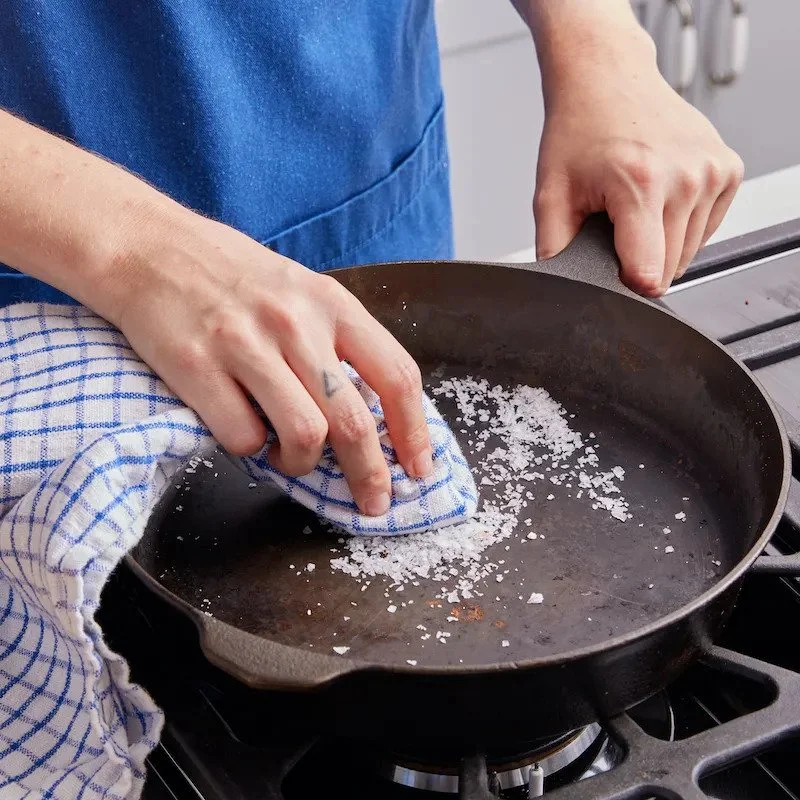
Use a soft sponge or cloth to clean your glass cookware. Avoid abrasive scrubbers that can scratch the surface. Instead, apply a little dish soap and gently scrub in circular motions.
For tougher spots, soak the cookware in warm soapy water for 10-15 minutes before scrubbing. This softens residue without damaging the glass. Do you prefer using natural cleaners like baking soda? It’s a mild abrasive that’s safe and effective for glass.
Removing Tough Stains
Glass cookware is a staple in many kitchens. It looks great but can be tricky to clean. Tough stains can form over time, making your cookware look dull. Don’t worry! You can remove these stubborn stains with a few simple methods.
Baking Soda And Vinegar Method
Baking soda and vinegar can tackle tough stains effectively. Start by sprinkling baking soda over the stained area. Next, pour vinegar over the baking soda. This will create a fizzy reaction. Let it sit for 15 minutes. Then scrub the area with a soft sponge. Rinse with warm water. The stains should fade away. Repeat if necessary.
Using Lemon For Stubborn Spots
Lemon is a natural cleaner. It can work wonders on glass cookware. Cut a lemon in half. Rub it directly onto the stained area. The citric acid helps break down tough stains. Let the lemon juice sit for 10 minutes. Use a soft cloth to scrub the area. Rinse with water to see the shine return.
Dealing With Burnt Residue
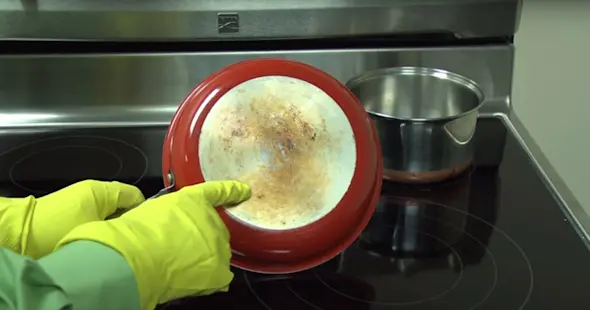
Burnt residue on glass cookware can be stubborn and frustrating. It often looks like a tough, blackened mess that regular washing won’t touch. But don’t worry—tackling this problem is easier than you might think with the right approach and a bit of patience.
Soaking Strategies
Soaking is your first defense against burnt-on food. Fill the cookware with hot water and add a few drops of dish soap. Let it sit for at least 30 minutes to soften the burnt residue.
If the residue is really tough, try adding a tablespoon of baking soda or white vinegar to the water. These natural cleaners help break down the burnt bits without damaging your glass.
Have you ever left your pan soaking overnight and found the residue practically sliding off the next day? That’s the magic of soaking—it saves you scrubbing time and effort.
Scraping Without Scratching
After soaking, you’ll want to remove the residue gently. Use a plastic scraper or a nylon scrubber instead of metal utensils, which can scratch the glass.
Apply light pressure and work at an angle to lift the burnt pieces. If the residue resists, soak the cookware again rather than forcing it.
Keep a spray bottle of vinegar nearby; spraying it on stuck spots can help loosen them during scraping. Have you noticed how small, careful movements protect your cookware better than aggressive scrubbing?
Drying And Polishing Tips
Drying and polishing glass cookware properly keeps it clear and shiny. It also stops water spots from forming. Using the right tools and methods makes cleaning easier. Here are simple tips to dry and polish glass cookware well.
Avoiding Water Spots
Water spots can ruin the look of glass cookware. They happen when minerals in water dry on the surface. To avoid spots, dry the cookware right after washing.
- Use a clean towel to wipe off water immediately.
- Try drying in a warm place to speed up evaporation.
- Avoid air drying, which often leaves spots behind.
- Use distilled water for the final rinse if your tap water is hard.
Using Microfiber Cloths
Microfiber cloths work great for drying and polishing glass cookware. They absorb water quickly and leave no lint.
- Choose a soft, clean microfiber cloth for best results.
- Gently wipe the surface in circular motions.
- Polish with a dry section of the cloth to remove streaks.
- Wash cloths regularly to keep them free of dirt.
Maintenance For Longevity
Maintaining your glass cookware properly extends its life and keeps it looking clear and new. Simple habits can prevent scratches, chips, and cloudiness that often come with frequent use. Taking care of your glass cookware isn’t just about cleaning—it’s about handling and storing it wisely to avoid damage before it happens.
Avoiding Abrasive Tools
Using abrasive scrubbers or harsh cleaning tools can leave tiny scratches on your glass cookware. These scratches build up over time, making your dishes look dull and worn out.
Instead, choose soft sponges or microfiber cloths for cleaning. If you encounter stuck-on food, soak the cookware in warm, soapy water first. This softens the residue and lets you clean gently without scrubbing hard.
Have you noticed how your glass pans look cloudy after using steel wool or rough scrubbers? That’s a clear sign to switch to gentler options.
Proper Storage Practices
Stacking glass cookware without protection can cause chips and cracks, which weaken the glass and shorten its lifespan. Placing paper towels or cloths between stacked pieces cushions them and prevents direct contact.
Store glass cookware in a stable, secure spot where it won’t get knocked over or bumped. Avoid overcrowded cabinets where heavy items press against the glass.
Think about how you store your glassware—could a simple change save you from replacing broken pieces? Small adjustments in storage habits go a long way in keeping your cookware safe.
Credit: www.kitchenaid.com
Frequently Asked Questions
How Do I Remove Stains From Glass Cookware?
To remove stains, soak the cookware in warm soapy water for 15 minutes. Use a non-abrasive sponge and baking soda to scrub gently. Avoid harsh chemicals to prevent damage. Rinse thoroughly and dry with a soft cloth for a spotless finish.
Can I Use Vinegar To Clean Glass Cookware?
Yes, vinegar is effective for cleaning glass cookware. Mix equal parts vinegar and water, then soak the cookware for 20 minutes. It helps dissolve mineral deposits and grease. Rinse well and dry to restore shine without scratching the surface.
What Is The Best Way To Clean Burnt Glass Cookware?
For burnt cookware, fill it with water and add a few tablespoons of baking soda. Boil the mixture for 10-15 minutes, then let it cool. Scrub gently with a sponge to remove burnt residue. Rinse and dry thoroughly afterward.
Is It Safe To Use Abrasive Cleaners On Glass Cookware?
No, abrasive cleaners can scratch and damage glass cookware. Use mild detergents, baking soda, or vinegar instead. These options clean effectively without harming the surface. Always opt for non-abrasive sponges or cloths to maintain the cookware’s clarity and durability.
Conclusion
Cleaning glass cookware is simple with the right steps. Use gentle cleaners and avoid harsh scrubbing. Warm water helps remove stuck-on food easily. Regular cleaning keeps your glass clear and shiny. Taking care of your cookware saves money and time.
Enjoy cooking with clean, safe glass pots and pans. Keep these tips in mind for lasting results. Clean glass cookware looks good and lasts longer. Try these easy methods and see the difference.

I’m Abby Lu, a passionate home cook who loves simplifying everyday meals. At PlugChef.com, I share product reviews and cooking guides to help you find the best tools for your kitchen.
Related posts:
 What Type of Cooking Utensils are Safe: Expert Picks
 What Innovations Could Blenders Make: Unleashing Future Tech
 Smart Strategies to Organize a Small Kitchen: Maximize Space
 How to Organize a Kitchen Cabinet: Expert Tips & Tricks
 How to Organize Kitchen Drawers: Expert Tips and Tricks
 How to Organize a Corner Kitchen Cupboard: Expert Tips