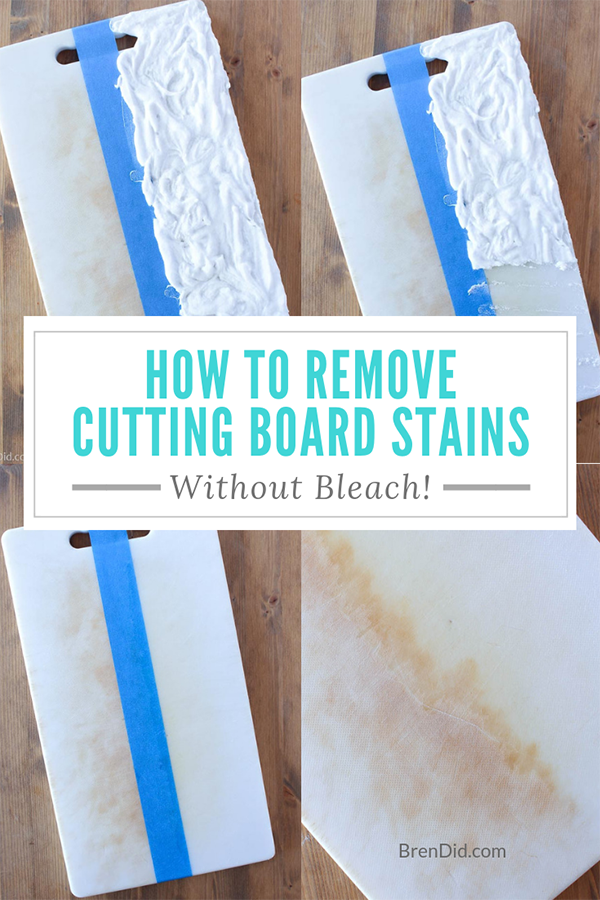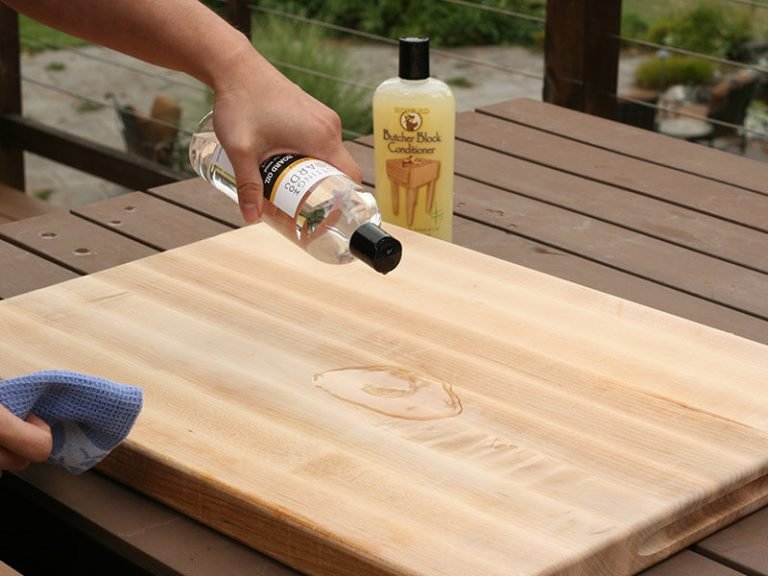

Are your enamel pans looking dull or stained? You might think they’re tricky to clean, but with the right steps, you can make them shine like new.
Imagine cooking with a pan that not only performs well but also looks great every time you use it. In this guide, you’ll discover simple and effective ways to clean your enamel pans without damaging them. Keep reading, and you’ll learn easy tips that save you time and keep your cookware in perfect shape.
Your kitchen deserves it!

Credit: food52.com
Choosing The Right Cleaning Tools
Choosing the right cleaning tools for your enamel pans is crucial to keep them looking great and performing well. Using the wrong items can scratch or damage the enamel surface, ruining your investment. You want tools that are effective but gentle enough to preserve the pan’s finish.
Soft Sponges And Brushes
Soft sponges are your best friends when cleaning enamel pans. They remove food residue without scratching the surface. I used to scrub stubborn stains with a rough sponge until I noticed tiny scratches on my pan—soft sponges saved me from further damage.
Brushes with soft bristles also work wonders, especially for reaching corners and edges. Look for nylon or silicone bristle brushes rather than metal ones. These materials clean well without compromising the enamel.
Avoiding Abrasive Materials
Abrasive tools like steel wool, rough scouring pads, or harsh scrubbers can quickly wear down enamel. Even though they might seem effective at first, they cause micro-scratches that dull the finish over time.
Think about how many meals your pan will cook—do you want to risk chipping or scratching it just to get a quick clean? Avoid abrasive cleaners and opt for gentle alternatives to maintain your pan’s lifespan and appearance.
Daily Cleaning Routine
Keeping your enamel pans spotless doesn’t have to be a chore. A simple daily cleaning routine can preserve their shine and extend their life. By treating your pans right after cooking, you avoid tough stains and build-up that are harder to remove later.
Washing Immediately After Use
Once you finish cooking, don’t wait to clean your enamel pan. Rinsing it right away prevents food from sticking and hardening on the surface. If you let residue sit, you’ll have to scrub harder, which can damage the enamel coating over time.
I learned this the hard way when I left a tomato sauce pan soaking overnight. The next day, the stains barely came off, and I worried I had ruined the finish. Since then, I make it a habit to wash immediately, saving time and keeping my pans looking new.
Using Mild Dish Soap
Choose a gentle dish soap for cleaning your enamel pans. Harsh detergents can wear down the enamel layer and dull its glossy look. Mild soap effectively removes grease and food without aggressive scrubbing.
Use warm water and a soft sponge or cloth to clean. Avoid steel wool or abrasive scrubbers that can scratch the surface. Your pans will thank you by staying smooth and shiny through many meals.
Removing Stubborn Stains
Enamel pans add a touch of elegance to any kitchen. Over time, they can gather stubborn stains that seem impossible to remove. But don’t worry. With a few simple techniques, you can restore your enamel pans to their former glory.
Baking Soda Paste Method
Baking soda is a natural cleaner. It’s effective for removing tough stains. To start, mix baking soda with a little water. Aim for a thick paste. Apply the paste to the stained areas of your enamel pan. Let it sit for about 15 minutes. This allows the baking soda to work its magic. Afterward, scrub gently with a soft sponge. Rinse well with water. Repeat if needed. This method is gentle and safe for enamel.
Vinegar Soak Technique
Vinegar is a versatile cleaning agent. It’s great for dissolving stains. Pour enough vinegar to cover the stains in your pan. Let the pan soak for 30 minutes. The acid in vinegar breaks down the stains. After soaking, use a sponge to scrub the stains. Rinse the pan thoroughly with water. If stains persist, repeat the process. Vinegar leaves your enamel looking fresh and clean.

Credit: dwellingonthepast.ca
Dealing With Burnt Residue
Burnt residue on enamel pans can be stubborn and frustrating. It often feels like no amount of scrubbing will make the pan look clean again. However, with the right approach, you can restore your pan without damaging its delicate surface.
Boiling Water And Soap
Start by filling your enamel pan with enough water to cover the burnt areas. Add a few drops of dish soap to the water and bring it to a gentle boil on the stove.
Let the soapy water simmer for about 10 to 15 minutes. This helps to loosen the burnt bits without harsh scrubbing. After cooling slightly, use a soft sponge to wipe away the residue easily.
Have you ever noticed how boiling water lifts grime better than scrubbing alone? This simple trick saves time and spares your pan’s finish.
Using Cream Of Tartar
Cream of tartar is a gentle, natural cleaner that works wonders on burnt enamel. Sprinkle about 1 to 2 tablespoons directly onto the stubborn spots of your pan.
Add a small amount of water to make a paste, then let it sit for 30 minutes. The mild acidity helps break down burnt food without scratching the surface.
After the wait, scrub gently with a soft cloth or sponge. Rinse thoroughly to reveal a cleaner pan. This method is especially useful if the burnt residue is old and tough to remove.
Preventing Damage To Enamel
Enamel pans are a beautiful and durable addition to your kitchen, but they require careful handling to keep their surface intact. Preventing damage to the enamel coating is key to extending the life of your pan and maintaining its smooth, glossy finish. Small habits in how you use and store your pans can make a big difference in avoiding chips, cracks, and discoloration.
Avoiding High Heat
Enamel pans are designed to distribute heat evenly, but extreme temperatures can cause the enamel to crack or discolor. Avoid using high heat settings, especially when the pan is empty. Instead, use medium or low heat to protect the enamel surface and prevent thermal shock.
Have you noticed how quickly some pans lose their shine after frequent high-heat cooking? That’s the enamel breaking down. Heating the pan gradually allows it to warm safely and keeps the coating intact longer.
Proper Storage Tips
How you store your enamel pans can affect their condition just as much as cooking habits. Avoid stacking heavy pots or pans directly on top of enamel surfaces. This can cause scratches or chips that are difficult to repair.
- Use pan protectors or soft cloths between stacked pans.
- Hang pans by their handles if possible to prevent contact damage.
- Store in a dry place to avoid rust forming on exposed metal rims.
Taking a few extra seconds to store your pans carefully pays off with years of use and a surface that looks almost new. What’s your current storage routine, and could a small change help protect your pans better?
Maintaining Shine Over Time
Maintaining the shine of enamel pans keeps them looking new and lasts longer. Regular care prevents dullness and stains. Bright pans make cooking more enjoyable and safe.
Regular Polishing Tips
Polish enamel pans gently to keep their shine. Use a soft cloth or sponge for cleaning. Avoid abrasive scrubbers that can scratch the surface. Dry the pan fully after washing. A light rub with a small amount of vegetable oil restores gloss. Store pans in a dry place to prevent moisture damage.
Using Natural Cleaning Agents
Natural agents clean enamel without harm. Baking soda removes stains and brightens the surface. Make a paste with water and apply it to the pan. Let it sit for 15 minutes, then wipe gently. White vinegar helps dissolve mineral deposits. Soak a cloth in vinegar and wipe the pan. Lemon juice works well for light stains and adds shine. These agents are safe and eco-friendly for regular use.

Credit: food52.com
Frequently Asked Questions
How Do You Remove Burnt Food From Enamel Pans?
To remove burnt food, soak the pan in warm soapy water for 30 minutes. Use a soft sponge or nylon scrubber to gently scrub the residue. Avoid metal scrubbers to prevent scratching the enamel surface.
Can Baking Soda Clean Enamel Pans Effectively?
Yes, baking soda is a gentle abrasive perfect for cleaning enamel pans. Sprinkle baking soda on the pan, add water to form a paste, and scrub softly. This removes stains without damaging the enamel coating.
Is It Safe To Use Vinegar On Enamel Pans?
Vinegar is safe for enamel pans and helps dissolve mineral deposits. Mix equal parts vinegar and water, soak the pan for 10 minutes, then rinse thoroughly. Avoid prolonged exposure to prevent enamel damage.
How Do You Prevent Enamel Pans From Chipping?
Avoid sudden temperature changes and never use metal utensils on enamel pans. Hand wash gently with non-abrasive sponges. Proper care reduces the risk of chipping and prolongs the pan’s lifespan.
Conclusion
Cleaning enamel pans does not need to be hard or take long. Use gentle scrubbing and mild cleaners to keep them safe. Avoid strong chemicals and metal tools to prevent damage. Dry your pans well to stop rust and stains.
Regular care helps your pans last longer and look nice. Keep these tips in mind for easy cleaning every time. Enjoy cooking with clean, shiny enamel pans without stress. Simple steps make a big difference in your kitchen routine.

Hi, I’m Daniel Brooks—a food lover and kitchen gear enthusiast. I enjoy testing cookware, utensils, and gadgets to see what really works in everyday cooking. At PlugChef.com, I share honest reviews, comparisons, and simple guides to help you choose the best tools for a safer, smarter, and more enjoyable kitchen.
Related posts:
 What Type of Cooking Utensils are Safe: Expert Picks
 What Innovations Could Blenders Make: Unleashing Future Tech
 Smart Strategies to Organize a Small Kitchen: Maximize Space
 How to Organize a Kitchen Cabinet: Expert Tips & Tricks
 How to Organize Kitchen Drawers: Expert Tips and Tricks
 How to Organize a Corner Kitchen Cupboard: Expert Tips