

Have you ever wondered if you’re cleaning your eggshells the right way? Whether you want to use them for cooking, gardening, or crafts, knowing how to clean eggshells properly is key.
If you don’t clean them well, you risk bacteria and unpleasant smells. But don’t worry—this guide will show you simple, effective steps to get your eggshells spotless and safe. By the end, you’ll feel confident handling eggshells like a pro.
Ready to unlock the secrets of perfectly clean eggshells? Let’s dive in!
Why Clean Egg Shells Matter
Cleaning egg shells is an important step before using them in the kitchen. Dirty shells can carry bacteria and dirt that may cause health problems. Proper cleaning helps ensure safety and improves the quality of your cooking. Understanding why clean egg shells matter helps you keep your family safe and enjoy better meals.
Health Risks From Dirty Shells
Egg shells can have bacteria like salmonella on their surface. These germs can transfer to the egg white or yolk when cracked. Eating contaminated eggs may cause food poisoning, with symptoms like stomach pain, diarrhea, and fever. Dirt and debris on shells may also contain harmful substances. Cleaning shells reduces the chance of illness and keeps your food safe.
Benefits Of Clean Shells In Cooking
Clean egg shells improve the taste and appearance of your dishes. Dirt or stains can affect the color and texture of eggs in recipes. Clean shells prevent unwanted flavors or odors from entering the food. They also make handling eggs easier and more pleasant. Using clean shells supports a healthier and more enjoyable cooking experience.

Credit: lisalapaso.com
Best Tools For Cleaning
Cleaning eggshells requires careful handling and the right tools. Choosing proper tools helps remove dirt without breaking the shell. It also ensures the shell stays safe for later use, such as in gardening or crafts. Using the best tools makes the process quick and effective.
Choosing The Right Brush Or Cloth
Soft brushes work well to clean eggshells gently. Look for brushes with fine, natural bristles. They remove dirt without scratching the shell surface. A soft cloth can also wipe eggshells clean. Microfiber cloths are excellent because they trap dirt easily. Avoid rough sponges or abrasive materials that can damage the shell.
Safe Cleaning Agents To Use
Use mild cleaning agents to protect eggshells. Plain water is often enough for light dirt. For tougher stains, mix a small amount of white vinegar with water. Vinegar helps dissolve dirt without harming the shell. Avoid harsh chemicals like bleach or strong detergents. They can weaken or discolor the eggshell.
Step-by-step Cleaning Methods
Begin by rinsing eggshells under cold water to remove dirt and debris. Gently scrub with a soft brush to clean the surface. Finally, dry the shells completely before storing or using them.
Cleaning eggshells might seem like a simple task, but doing it right can make all the difference, especially if you’re planning to use them for crafts, gardening, or even culinary purposes. Let’s dive into some practical and effective methods to clean eggshells. Whether you’re aiming for a spotless finish or a quick rinse, these step-by-step cleaning methods will guide you through the process.Washing With Warm Water
Begin by gently cracking the egg and removing its contents. Rinse the inside and outside of the shell under warm running water. Use your fingers to remove any remaining egg white or yolk. If you’re worried about bacteria, consider using a soft brush to scrub the shell lightly. It’s surprising how a gentle rub can make a difference. Remember, the goal is to clean without damaging the delicate shell.Using Vinegar Or Baking Soda
Vinegar and baking soda are excellent for removing stubborn residues. Soak the eggshells in a mixture of water and vinegar or baking soda for about 10 minutes. This not only helps in cleaning but also neutralizes any odors. You’ll notice the shells looking brighter and feeling smoother to the touch. It’s an easy and effective way to ensure cleanliness.Drying Techniques For Egg Shells
Once cleaned, drying the eggshells thoroughly is crucial. Lay them out on a clean towel and let them air dry naturally. Alternatively, you can place them in a low-temperature oven (around 200°F or 93°C) for about 10 minutes. Ensure they are completely dry before storing or using them to prevent mold growth. Each method offers a unique advantage, so consider what works best for your needs. How do you usually clean your eggshells? Do you have a favorite method or a tip that works wonders? Let’s keep the conversation going in the comments!Credit: www.lemon8-app.com
Avoiding Common Mistakes
Cleaning egg shells seems simple but many make common mistakes. These errors can ruin the shells or cause health risks. Avoiding these pitfalls ensures clean, intact egg shells ready for use or crafting. Keep these key points in mind to protect the shells and stay safe.
Over-soaking Risks
Soaking egg shells too long weakens their structure. The shells become soft and break easily. Water can seep inside, causing bacterial growth. Limit soaking time to a few minutes only. Rinse quickly and dry thoroughly to keep shells strong.
Avoiding Harsh Chemicals
Strong chemicals can damage the shell’s surface and pores. Avoid bleach or industrial cleaners. These substances leave harmful residues that are hard to remove. Use mild soap or vinegar instead. Gentle cleaning keeps shells safe and natural.
Preventing Shell Damage
Egg shells are fragile and crack easily. Handle them with care during cleaning. Use soft brushes or cloths, not abrasive scrubbers. Avoid dropping or squeezing the shells. Dry them on soft towels to prevent cracks or breaks.
Storing Cleaned Egg Shells
Storing cleaned egg shells properly keeps them fresh and ready to use. Clean egg shells dry quickly and can last longer without bad smells or mold. Knowing the right way to store them helps keep their benefits intact for gardening or crafts.
Proper Storage Conditions
Store egg shells in a dry place to avoid moisture buildup. Moisture causes mold and bad odor. Use a container with a tight lid to keep air out. Glass jars, plastic containers, or resealable bags work well.
Keep the container in a cool, dark spot. Avoid direct sunlight or heat sources. Sunlight can weaken the shells and reduce their quality. Let shells dry completely before storing for best results.
Using Egg Shells For Compost Or Crafts
Egg shells add calcium and nutrients to compost piles. Crush them into small pieces before adding. This helps them break down faster and mix well with other materials.
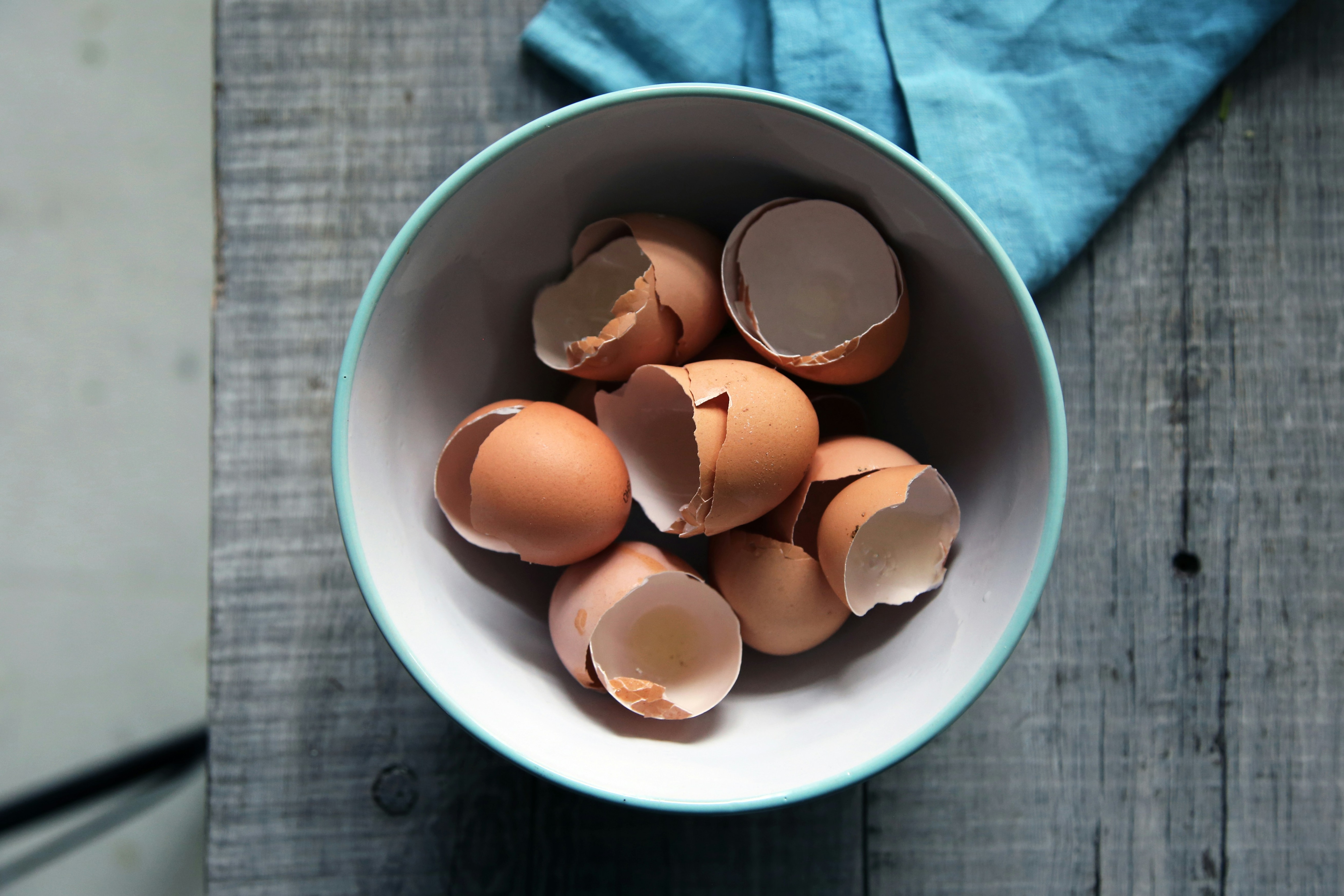
For crafts, store shells whole or in large pieces. Keep them in a clean, dry container. Use shells for decoration, mosaics, or garden markers. Proper storage prevents damage and keeps shells ready for creative projects.
Credit: www.ndtv.com
Frequently Asked Questions
How Do You Clean Eggshells Safely?
To clean eggshells safely, rinse them under warm water without soap. Avoid soaking to prevent bacteria. Gently scrub with a soft brush if needed. Dry thoroughly before use or storage.
Can I Use Vinegar To Clean Eggshells?
Yes, vinegar is effective for cleaning eggshells. Soak shells briefly in diluted vinegar to remove dirt and bacteria. Rinse well afterward and dry completely to prevent moisture damage.
Why Should Eggshells Be Cleaned Before Use?
Cleaning eggshells removes dirt, bacteria, and contaminants. This ensures food safety, especially if using shells for cooking or gardening. Clean shells reduce the risk of salmonella and improve hygiene.
What Is The Best Way To Dry Cleaned Eggshells?
Air drying is best for cleaned eggshells. Spread them on a clean towel in a warm, dry place. Avoid direct sunlight to prevent brittleness. Drying prevents mold and preserves eggshell quality.
Conclusion
Cleaning eggshells is simple and helps keep your kitchen safe. Use water and mild soap, then rinse well. Avoid harsh chemicals to protect the shell and yourself. Dry eggshells fully before using or storing them. Clean shells can be used for compost or crafts.
Small steps make a big difference in hygiene. Try these tips to keep eggshells clean every time. Safe cooking starts with clean ingredients.

Hi, I’m Daniel Brooks—a food lover and kitchen gear enthusiast. I enjoy testing cookware, utensils, and gadgets to see what really works in everyday cooking. At PlugChef.com, I share honest reviews, comparisons, and simple guides to help you choose the best tools for a safer, smarter, and more enjoyable kitchen.
Related posts:
 What Type of Cooking Utensils are Safe: Expert Picks
 What Innovations Could Blenders Make: Unleashing Future Tech
 Smart Strategies to Organize a Small Kitchen: Maximize Space
 How to Organize a Kitchen Cabinet: Expert Tips & Tricks
 How to Organize Kitchen Drawers: Expert Tips and Tricks
 How to Organize a Corner Kitchen Cupboard: Expert Tips

