

Cleaning your cutting board after handling raw chicken is crucial for your health. You might not realize it, but harmful bacteria can linger on surfaces long after you’ve finished cooking.
These invisible germs can lead to foodborne illnesses, putting you and your loved ones at risk. But don’t worry, keeping your cutting board clean doesn’t have to be a daunting task. Imagine the peace of mind you’ll have knowing your kitchen is a safe place.
By following a few simple steps, you can ensure your cutting board is free from harmful bacteria every time you use it. You’ll discover easy and effective methods to clean your cutting board after prepping raw chicken, so you can focus on creating delicious meals without any worry. Get ready to transform the way you approach kitchen hygiene, making it second nature in your culinary routine.

Credit: housewifehowtos.com
Choosing The Right Cleaning Supplies
Choose mild dish soap and hot water for cleaning cutting boards after raw chicken. Scrub thoroughly to remove bacteria. Rinse with hot water and let it air dry completely.
Cleaning your cutting board after handling raw chicken is not just about maintaining cleanliness; it’s about ensuring your kitchen stays safe from harmful bacteria. Choosing the right cleaning supplies is crucial in achieving this goal. You might wonder if your regular dish soap and sponge are enough or if you need something extra. Let’s dive into the essentials you should have at hand to make your cutting board spotless and safe.Essential Tools For Cleaning
Start with a dedicated scrub brush or sponge. This ensures that you don’t transfer bacteria to other kitchen items. A brush with stiff bristles works wonders in removing food particles stuck in the grooves of your cutting board. Consider using a separate brush specifically for raw meat. This keeps cross-contamination at bay. It’s a simple step that can make a big difference in your kitchen hygiene. A good set of microfiber cloths can also be handy. They are absorbent and can help wipe away any remaining cleaning agents after you’ve washed the board.Recommended Cleaning Agents
Bleach is a powerful disinfectant that can kill bacteria effectively. Mix a solution of one tablespoon of bleach in a gallon of water and use it to soak your board for a few minutes. But remember, bleach can be harsh on your board, so use it sparingly. White vinegar is a great alternative for those who prefer a natural option. Its acidity helps kill bacteria. You can spray it directly onto the board and let it sit for a few minutes before rinsing. Hydrogen peroxide is another effective agent. Pour a small amount on the board, let it fizz away bacteria, and then rinse thoroughly. It’s gentle yet effective. Do you have a preferred method for cleaning your cutting board? Share your thoughts in the comments below.
Credit: www.instagram.com
Pre-cleaning Preparation
Ensure safety by gathering cleaning supplies before tackling the cutting board. Use dish soap, hot water, and a scrub brush. Prepare white vinegar and baking soda for stubborn stains.
Cleaning a cutting board after handling raw chicken is crucial for kitchen safety. Before you dive into scrubbing, it’s essential to prepare your cutting board for a thorough cleaning. Without proper preparation, you might miss vital steps that ensure all bacteria are removed. Let’s break down the pre-cleaning steps so you can protect yourself and your loved ones from potential risks.Removing Food Residue
Start by removing any leftover food bits from the cutting board. Use a spatula or the back of a knife to scrape off any remaining chicken pieces. Food residue can harbor bacteria, so eliminating it is your first defense. Think about the last time you cooked a delicious meal—did you notice how bits and pieces tend to stick to your cutting board? Removing them now will save you a lot of hassle later.Initial Rinse Techniques
Once you’ve cleared the food residue, it’s time for an initial rinse. Use warm water to rinse the cutting board thoroughly. Warm water helps loosen any stuck-on bits and prepares the surface for a deeper clean. Consider the water temperature as your secret weapon; it’s not just about rinsing, but also about making the next cleaning steps more effective. Have you ever noticed how warm water seems to dissolve grime faster? It’s because warmth accelerates the cleaning process. By asking yourself if your preparation steps are effective, you’re already on your way to mastering cutting board hygiene. Would you risk skipping these steps and leaving bacteria behind? Taking these precautions can make all the difference.Effective Cleaning Methods
Cleaning a cutting board after using it for raw chicken is crucial. Effective cleaning methods help maintain hygiene and prevent foodborne illnesses. Different techniques can ensure your cutting board is safe for future use. Let’s explore some practical ways to clean your cutting board.
Using Soap And Water
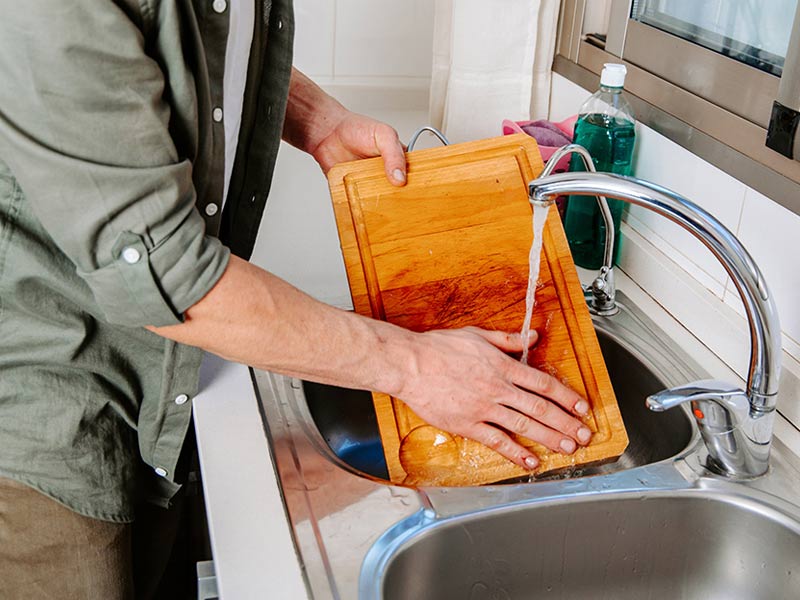
Soap and water are your first line of defense. Begin by rinsing the cutting board under hot water. This helps remove any chicken residue. Apply a generous amount of dish soap. Scrub the board with a brush or sponge. Make sure you cover all areas. Rinse thoroughly with hot water again. Finally, dry the board with a clean towel. This method removes most bacteria.
Applying Vinegar Solution
Vinegar is a natural disinfectant. Mix equal parts of vinegar and water. Pour the solution over the cutting board. Let it sit for five to ten minutes. The vinegar works to kill germs. Scrub the board with a sponge. Rinse with warm water and dry. This method is great for non-porous surfaces.
Utilizing Baking Soda Paste
Baking soda acts as a gentle scrubber. Combine baking soda with water to form a paste. Spread the paste across the cutting board. Scrub with a brush to remove stubborn stains. Rinse with warm water after scrubbing. Dry the board completely before storing. Baking soda also helps neutralize odors.
Credit: en.chefstudio.vn
Disinfecting The Surface
Cleaning a cutting board after raw chicken is essential. First, wash with hot, soapy water. Then, sanitize using a solution of one tablespoon of bleach in a gallon of water. Rinse well and air dry to ensure all bacteria are eliminated.
Disinfecting the surface of a cutting board after handling raw chicken is crucial. Raw chicken can harbor harmful bacteria like Salmonella. This bacteria can cause foodborne illnesses. Proper disinfection ensures a safe cooking environment. This process not only protects your health but also maintains kitchen hygiene. Let’s explore effective methods for disinfecting your cutting board.Using Bleach Solution
A bleach solution is a powerful disinfectant. Mix one tablespoon of bleach with a gallon of water. Ensure the bleach is unscented and suitable for kitchen use. Apply the solution to the cutting board surface. Let it sit for a few minutes to kill bacteria. Afterward, rinse thoroughly with warm water. Dry with a clean towel to prevent moisture buildup.Alternative Natural Disinfectants
Some prefer natural disinfectants over bleach. Vinegar is a popular choice. Spray undiluted white vinegar on the cutting board. Allow it to sit for a few minutes. Rinse with warm water and dry. Another option is hydrogen peroxide. Pour some on the board and spread evenly. Leave it for a few minutes, then rinse and dry. Both options are effective and gentle on surfaces.Drying And Storing The Cutting Board
Drying and storing the cutting board properly is crucial after cleaning raw chicken residue. Ensure thorough drying to prevent bacteria. Store in a clean, dry area to maintain hygiene and longevity.
Cleaning a cutting board after handling raw chicken is crucial to prevent harmful bacteria from spreading. However, drying and storing your cutting board correctly is just as important. These steps ensure that the board remains in top condition, ready for your next culinary adventure. Let’s dive into proper drying techniques and safe storage tips.Proper Drying Techniques
Ensuring your cutting board is thoroughly dried helps prevent warping and bacterial growth. After washing, stand the board upright or prop it on its side. This allows air to circulate and dry all surfaces evenly. Using a clean towel, gently pat the board dry. Avoid aggressive rubbing, which can damage the surface. If you’re short on time, consider a quick air-dry near a fan or open window. Do you ever notice unpleasant odors on your board? Proper drying can help prevent these. Moisture trapped in wood or plastic can cause smells, so it’s crucial to allow full drying before storing.Safe Storage Tips
Once your cutting board is dry, storing it correctly will maintain its quality and hygiene. Store the board in a vertical position, which keeps it dry and ready for use. Horizontal stacking can trap moisture and lead to mold growth. If space is limited, hanging the board on a hook can be a smart alternative. This keeps the board off surfaces, reducing contact with bacteria or unwanted splashes. Ensure the storage area is away from direct sunlight and heat sources. These can cause the board to warp or crack over time. A cool, dry cupboard or shelf is ideal for maintaining your board’s longevity. How do you store your cutting board? Reflecting on your habits can reveal simple changes to improve hygiene and extend the life of your kitchen tools.Maintaining Cutting Board Hygiene
Cleaning a cutting board after raw chicken ensures hygiene. Scrub with hot, soapy water immediately to remove bacteria. Rinse thoroughly, then sanitize with a vinegar solution or diluted bleach. Dry completely to prevent moisture buildup.
Maintaining cutting board hygiene is crucial for kitchen safety. Raw chicken carries harmful bacteria. Proper cleaning prevents foodborne illnesses. A well-cleaned board keeps your meals safe. Follow these steps to ensure cleanliness.Regular Maintenance Practices
Rinse the board with hot water immediately after use. Use soap and a scrub brush to remove residues. Disinfect with a mix of vinegar and water. Let it air dry completely. Avoid soaking in water to prevent warping. Consider using separate boards for meats and vegetables. This prevents cross-contamination.Signs Of Wear And Replacement
Inspect your board regularly for signs of wear. Deep grooves harbor bacteria. They make cleaning difficult. If the board feels rough, it may need replacing. Warped boards can be unsafe. They may not sit flat on the counter. Replace boards with visible cracks or stains. Investing in a new board ensures kitchen safety. `Frequently Asked Questions
What Do You Do After Cutting Raw Chicken On A Cutting Board?
After cutting raw chicken, wash the cutting board with hot, soapy water. Sanitize it using a bleach solution or vinegar. Dry it thoroughly to prevent bacteria growth. Always clean knives and hands to ensure food safety in the kitchen.
How To Clean Dishes After Cutting Raw Chicken?
Clean dishes with hot, soapy water immediately after cutting raw chicken. Use a scrub brush for thorough cleaning. Rinse with hot water and sanitize with a mixture of one tablespoon bleach per gallon of water. Air dry or use a clean towel.
This prevents cross-contamination and ensures safety.
Is It Safe To Put Raw Chicken On A Cutting Board?
Yes, it’s safe to put raw chicken on a cutting board. Use a separate board for raw meats. Clean it thoroughly with hot soapy water afterward. This prevents cross-contamination with other foods. Always prioritize hygiene to ensure food safety in your kitchen.
What Do People Spray On Cutting Boards After Cutting Chicken?
People often spray cutting boards with a vinegar and water solution after cutting chicken. This helps disinfect the surface. Using a diluted bleach solution is also effective for sanitizing. Proper cleaning prevents cross-contamination and ensures food safety. Always wash with hot, soapy water after spraying.
Conclusion
Keeping your cutting board clean is essential for safety. Raw chicken can leave harmful bacteria. Quick cleaning steps prevent contamination. Use hot water and soap first. Scrub thoroughly to remove residues. Then rinse again with hot water. Consider a vinegar rinse for extra cleanliness.
Dry completely to avoid bacteria growth. Regular cleaning keeps your kitchen safe. Plus, it helps your cutting board last longer. Proper care protects your health and your tools. Make cleaning part of your routine. Simple steps. Big impact on hygiene and longevity.
Stay safe. Cook confidently.

I’m Abby Lu, a passionate home cook who loves simplifying everyday meals. At PlugChef.com, I share product reviews and cooking guides to help you find the best tools for your kitchen.
Related posts:
 What Type of Cooking Utensils are Safe: Expert Picks
 What Innovations Could Blenders Make: Unleashing Future Tech
 Smart Strategies to Organize a Small Kitchen: Maximize Space
 How to Organize a Kitchen Cabinet: Expert Tips & Tricks
 How to Organize Kitchen Drawers: Expert Tips and Tricks
 How to Organize a Corner Kitchen Cupboard: Expert Tips

