

Are you tired of that stale, bitter taste in your morning coffee? It might be time to give your coffee maker a good cleaning.
But what if you could do it in a way that’s gentle on the environment? Imagine sipping your favorite brew, knowing you’ve made a choice that’s kind to our planet. In this guide, you’ll discover simple, eco-friendly techniques to clean your coffee maker, ensuring every cup is fresh and delicious.
Plus, you’ll learn how these green methods benefit your health and save you money in the long run. Ready to transform your coffee routine? Let’s dive in and uncover the secrets to a cleaner, greener coffee experience!
Importance Of Eco-friendly Cleaning
Cleaning your coffee maker with eco-friendly methods is vital. Traditional cleaners can harm the environment and our health. Eco-friendly cleaning helps preserve nature and ensures safe coffee consumption. Let’s explore the importance of cleaning your coffee maker in an eco-friendly way.
Environmental Benefits
Using eco-friendly cleaning methods reduces chemical waste. Many conventional cleaners contain harmful substances. These chemicals can enter water systems, harming aquatic life. Eco-friendly alternatives use natural ingredients. They break down easily without causing damage. This keeps our water and soil clean.
Eco-friendly cleaning also reduces plastic waste. Many cleaning products come in plastic bottles. By choosing natural options, you cut down on plastic use. This helps reduce pollution and protects wildlife.
Health Considerations
Eco-friendly cleaning protects your health. Chemical cleaners can leave residues in your coffee maker. These residues might mix with your coffee. Over time, they can affect your health.
Natural cleaning agents are safer. They use ingredients like vinegar and baking soda. These are gentle on your coffee maker and safe for you. They clean effectively without leaving harmful residues.
Choosing eco-friendly options means a healthier home environment. It reduces exposure to harsh chemicals. This is especially important for families with children or pets. They are more sensitive to chemical exposure.
Eco-friendly cleaning can also improve your coffee’s taste. Residual chemicals can alter flavors. Natural cleaners ensure your coffee tastes pure and fresh.

Credit: www.flowcheer.life
Essential Eco-friendly Cleaning Supplies
Cleaning your coffee maker doesn’t have to harm the planet. Using eco-friendly supplies can reduce waste and toxins. These supplies are gentle on your machine and the environment. Let’s explore some essential eco-friendly cleaning supplies.
Natural Ingredients
Natural ingredients are safe for your coffee maker. White vinegar is a popular choice. It removes scale and freshens your machine. Baking soda is another great option. It cleans without scratching surfaces. Lemon juice is powerful too. It fights against stubborn stains and odors.
Reusable Tools
Reusable tools help reduce waste. Microfiber cloths are ideal for wiping surfaces. They trap dirt and can be washed for reuse. Cotton towels are also effective. They dry quickly and are durable. Use a soft brush to clean hard-to-reach spots. It removes residue without damaging your machine.
Preparing The Coffee Maker
Keeping your coffee maker clean can be done naturally. Use vinegar and water to remove stains and odors. Rinse thoroughly with clean water. This method ensures a fresh cup every time without harming the environment. Eco-friendly cleaning is simple and effective.
Preparing your coffee maker for a thorough eco-friendly clean is not just a routine task; it’s a mindful practice that can transform your daily brew into a guilt-free pleasure. Imagine sipping your coffee, knowing that you’ve taken steps to reduce waste and avoid harsh chemicals. It’s easier than you might think. By breaking down the process into simple steps, you can ensure your machine is primed for a more sustainable clean. Let’s dive into how you can start this process effectively.Disassembling Components
Begin by unplugging your coffee maker. Safety first is always a good motto. Remove the carafe, filter basket, and any detachable parts. This is usually straightforward, but if you’re unsure, consult your user manual. Taking apart these components allows you to clean each piece thoroughly. Consider how this simple step can enhance your coffee’s flavor and protect your machine from wear.Initial Rinse
Rinse each component under warm running water. This step removes surface residues and prepares them for deeper cleaning. This is a great time to appreciate the simplicity of using water. It’s effective and eco-friendly. Why use harsh chemicals when water can do the trick? Think about the impact on both your health and the planet. Consider using a gentle brush to scrub hard-to-reach areas. This ensures that every nook and cranny is free from old coffee grounds. By preparing your coffee maker this way, you’re setting the stage for a cleaner, greener brewing experience. Wouldn’t it be rewarding to know you’re contributing positively to the environment with each sip?
Credit: www.amazon.com
Cleaning The Carafe And Filter Basket
Cleaning the carafe and filter basket can be eco-friendly with natural ingredients. Use vinegar and water to dissolve residue and stains. Scrub gently with a soft brush to maintain cleanliness without harming the environment.
Cleaning your coffee maker in an eco-friendly way is not just beneficial for the planet, but it can also improve the taste of your coffee. The carafe and filter basket are two critical components that often get overlooked. They gather grime, oils, and old coffee residue, affecting the flavor of your brew. Let’s explore easy and green ways to keep these parts sparkling clean.Using Vinegar Solution
Vinegar is a wonderful natural cleaner. You might already have it in your pantry. To clean your carafe, mix equal parts of white vinegar and warm water. Pour it into the carafe and let it sit for about 15 minutes. This will help break down any stubborn coffee stains and mineral deposits. For the filter basket, remove it and soak it in the same vinegar solution. Rinse thoroughly with warm water. Remember to wipe the basket with a clean cloth to remove any lingering vinegar smell. The next time you brew, your coffee will taste fresher. Have you noticed a difference in taste after cleaning?Baking Soda Scrub
Baking soda is another eco-friendly powerhouse. It’s great for scrubbing away tough stains without scratching your coffee maker. Sprinkle a tablespoon of baking soda into the carafe. Add a little water to form a paste. Use a soft brush or sponge to scrub the inside, focusing on stubborn stains. Rinse thoroughly with warm water. For the filter basket, make a paste with baking soda and water. Apply it with an old toothbrush, giving extra attention to corners. Rinse well to ensure no residue is left behind. Have you tried using baking soda for cleaning before? Its effectiveness might surprise you. Keeping your coffee maker clean can not only enhance your coffee but also extend the life of your machine. What other eco-friendly tips do you have for cleaning kitchen appliances?Descaling The Coffee Maker
Keeping your coffee maker clean is essential for great-tasting coffee. Descaling is a key step in this process. It removes mineral buildup inside your machine. This buildup affects your coffee’s flavor and machine’s performance. Cleaning your coffee maker can be eco-friendly too. You can use natural ingredients like lemon juice and vinegar. Below are two effective methods to descale your coffee maker naturally.
Lemon Juice Method
Lemon juice is a natural descaler. It is acidic and breaks down mineral deposits. Begin by mixing one cup of lemon juice with one cup of water. Pour this mixture into your coffee maker’s water reservoir. Run a brewing cycle without coffee grounds. This lets the lemon solution clean the system. Once complete, rinse with fresh water. Run another cycle with water to remove lemon residue.
Vinegar And Water Mixture
Vinegar is a common household cleaner. It’s effective for descaling coffee makers. Mix equal parts vinegar and water. Pour the mixture into the water reservoir. Start a brewing cycle to let the solution work. Pause halfway through to let it sit for 30 minutes. This breaks down stubborn deposits. Resume the cycle and complete the process. Rinse by running two fresh water cycles. This removes any vinegar smell or taste.
Cleaning The Exterior
Eco-friendly cleaning of coffee makers involves using natural solutions like vinegar and baking soda. These ingredients remove stains and odors effectively without harming the environment. Regular cleaning keeps your coffee maker running smoothly and ensures great-tasting coffee.
Cleaning the exterior of your coffee maker is just as important as maintaining its interior. This not only ensures your appliance looks great on your kitchen counter, but it also prevents the accumulation of grime and bacteria. Using eco-friendly methods, you can keep your coffee maker sparkling clean without harming the environment. Let’s dive into some simple yet effective ways to achieve this.Natural Wipes
Consider using natural wipes made from biodegradable materials. These wipes are infused with gentle cleaning agents like lemon or vinegar. They effectively remove dirt and stains from the coffee maker’s surface without leaving harmful residues. You might find it surprising how well these wipes can tackle stubborn spots. I once thought a coffee stain would never come off, but a natural wipe did the trick effortlessly. Plus, they’re safe for your skin and leave a fresh, natural scent.Drying And Polishing
After cleaning, it’s essential to dry and polish your coffee maker to prevent water spots and streaks. Use a soft, dry cloth for this task. Microfiber cloths are particularly effective as they absorb moisture quickly and leave a glossy finish. Have you ever noticed how a quick polish can make your coffee maker look brand new? It’s like giving your kitchen a mini makeover. You might even find yourself smiling every time you reach for that morning brew. Remember, a clean exterior not only enhances the look of your coffee maker but also extends its life. Have you considered how these simple practices could elevate your daily coffee ritual? Embrace these eco-friendly steps to enjoy a cleaner, greener kitchen.Maintaining An Eco-friendly Routine
Cleaning your coffee maker eco-friendly involves using natural ingredients like vinegar and baking soda. These gentle cleansers effectively remove buildup without harming the environment. Regular upkeep with these simple solutions ensures your coffee maker stays clean and lasts longer.
Maintaining an eco-friendly routine in your daily life is more than just a trend—it’s a commitment to sustainability that can start in your kitchen. Cleaning your coffee maker in an eco-friendly way is a small but significant step toward reducing your environmental footprint. Let’s explore how you can make this part of your routine while keeping your caffeine fix guilt-free.Regular Cleaning Schedule
A regular cleaning schedule is essential for both your coffee maker’s longevity and maintaining a sustainable lifestyle. Set a reminder on your phone or calendar to clean your coffee maker weekly. This habit ensures that mineral buildup doesn’t become a problem, and it also keeps your coffee tasting fresh and delicious. Commit to using natural cleaning agents like white vinegar and baking soda. These are effective and safe alternatives to harsh chemical cleaners. By doing so, you protect the environment from harmful residues and support a healthier home.Sustainable Practices
Adopting sustainable practices for cleaning your coffee maker can be quite simple. Use reusable filters instead of disposable ones to minimize waste. Not only does this save money over time, but it also reduces the amount of paper waste you produce. Consider your water usage as well. Use only the necessary amount of water for cleaning, and if possible, repurpose the rinse water for your plants. It’s a small change, but it can significantly impact water conservation efforts. Have you ever thought about the energy consumption of your coffee maker? Unplug it when not in use or switch to a model with an energy-saving mode. These small tweaks can lead to a more sustainable kitchen routine, one cup of coffee at a time. Taking these steps not only helps the environment but also enhances your coffee experience. What sustainable changes will you make to your routine?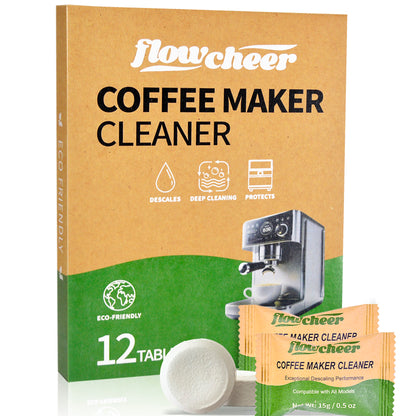
Credit: www.flowcheer.life
Troubleshooting Common Issues
Even with regular cleaning, coffee makers can face some issues. Some problems persist despite using eco-friendly methods. These issues can affect the taste and quality of your coffee. Understanding these common issues can help you solve them effectively. Let’s discuss some of these common issues.
Persistent Stains
Stains can be stubborn. Even with natural cleaners, some stains refuse to go. Vinegar and baking soda are your best friends here. Mix equal parts of vinegar and water. Run this solution through a brewing cycle. It helps remove mineral deposits and stains. You can also make a paste with baking soda and water. Scrub the stained areas gently. Rinse thoroughly with clean water.
Unpleasant Odors
Odors can linger in your coffee maker. They affect the flavor of your coffee. Lemon juice is an effective natural deodorizer. Mix lemon juice with water. Run this mixture through your coffee maker. It eliminates odors and leaves a fresh scent. Another option is to use vinegar. Fill the reservoir with a vinegar-water mix. Brew it through the machine. This helps in neutralizing bad smells.
Frequently Asked Questions
Is It Better To Clean A Coffee Maker With Vinegar Or Baking Soda?
Cleaning a coffee maker with vinegar effectively removes mineral deposits. Baking soda helps eliminate odors. For thorough cleaning, use vinegar for descaling and baking soda for odor removal. Always rinse well after use.
What Is The Best Natural Cleaner For Coffee Maker?
Vinegar is the best natural cleaner for coffee makers. It effectively removes mineral buildup and bacteria. Mix equal parts of white vinegar and water, run a brew cycle, and rinse with water. This method ensures a clean and fresh coffee maker.
Does Running Vinegar Through A Coffee Maker Clean It?
Yes, using vinegar can effectively clean a coffee maker. It removes mineral deposits and kills bacteria. Mix equal parts vinegar and water, then run a brewing cycle. Rinse with fresh water to remove the vinegar taste. Regular cleaning improves coffee flavor and extends your coffee maker’s lifespan.
What Is The Best Way To Clean The Inside Of A Coffee Maker?
Clean your coffee maker by mixing equal parts water and white vinegar. Run a brewing cycle, then rinse with water. Repeat the rinse cycle until no vinegar smell remains. Regular cleaning prevents buildup and enhances flavor. Always check the manufacturer’s instructions for specific cleaning recommendations.
Conclusion
Cleaning your coffee maker eco-friendly is simple and rewarding. Use natural ingredients like vinegar and baking soda. They are safe and effective. Regular cleaning keeps your coffee tasting fresh. It also extends the machine’s life. You contribute to a healthier planet.
No harsh chemicals mean safer for you. Start today with these easy steps. Enjoy great coffee while being kind to the earth. Small changes make a big impact. Transform your routine into a green practice. Your coffee maker will thank you.
So will the environment. Clean smart, live green. Make every cup count.

I’m Abby Lu, a passionate home cook who loves simplifying everyday meals. At PlugChef.com, I share product reviews and cooking guides to help you find the best tools for your kitchen.
Related posts:
 What Type of Cooking Utensils are Safe: Expert Picks
 What Innovations Could Blenders Make: Unleashing Future Tech
 Smart Strategies to Organize a Small Kitchen: Maximize Space
 How to Organize a Kitchen Cabinet: Expert Tips & Tricks
 How to Organize Kitchen Drawers: Expert Tips and Tricks
 How to Organize a Corner Kitchen Cupboard: Expert Tips