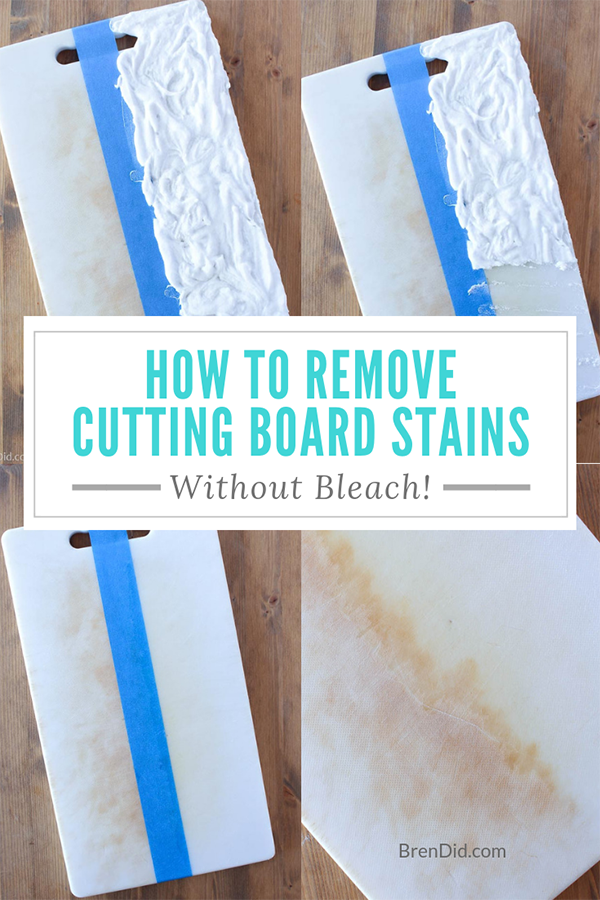

Are you tired of stubborn stains and lingering odors on your plastic cutting board? You’re not alone.
Many people struggle to keep their cutting boards as clean and fresh as they want them to be. The good news is that with the right techniques, you can make your cutting board spotless in no time. Imagine the satisfaction of chopping your favorite vegetables on a surface that is not only clean but also safe for your family.
This guide will show you how to transform your plastic cutting board from grimy to gleaming, ensuring your kitchen remains a haven of hygiene. Stick with us, and you’ll discover simple steps that will make cleaning your cutting board a breeze.
Types Of Plastic Cutting Boards
Plastic cutting boards are popular in kitchens. They come in different types. Each type has unique features. Knowing these types helps you choose the right one.
Polyethylene Cutting Boards
Polyethylene boards are durable. They resist stains well. These boards are easy to clean. They are also affordable.
Polypropylene Cutting Boards
Polypropylene boards are lightweight. They resist bacteria. This type is also dishwasher safe. It is ideal for busy kitchens.
Acrylic Cutting Boards
Acrylic boards are clear and stylish. They are scratch-resistant. These boards are less prone to wear. Perfect for modern kitchens.
High-density Plastic Cutting Boards
High-density boards are tough. They withstand heavy use. These boards are great for chopping meat. They provide a solid surface.
Recycled Plastic Cutting Boards
Recycled plastic boards are eco-friendly. They are made from recycled materials. These boards help reduce waste. They are also very durable.

Credit: southgeorgiastyle.com
Why Cleaning Is Crucial
Cleaning a plastic cutting board is vital for health. These boards often come into contact with raw meat, vegetables, and fruits. They can quickly become a breeding ground for bacteria if not properly cleaned. Regular cleaning ensures your food preparation area is safe. It reduces the risk of foodborne illnesses. A clean cutting board also prevents cross-contamination. This is especially important when preparing different types of food.
Why Cleaning Matters For Safety
A clean cutting board keeps germs at bay. Bacteria can linger on surfaces if not removed. This poses a risk of transferring harmful bacteria to other foods. Cleaning removes these dangerous microbes. It helps maintain a safe kitchen environment.
Preventing Odors And Stains
Plastic cutting boards can absorb smells from foods. Onion, garlic, and fish are notorious for this. Regular cleaning helps prevent odors from becoming permanent. Stains are another concern. Foods like beets and turmeric can leave lasting marks. Proper cleaning minimizes these stains, keeping your board looking fresh.
Extending The Life Of Your Cutting Board
Cleaning extends the life of your cutting board. Dirt and grime can wear down the material over time. Regular maintenance keeps your board in good condition. This prolongs its usability. It also saves you money by reducing the need for replacements.
Enhancing Food Taste
A clean cutting board contributes to better food taste. Residual flavors from previous meals can affect new dishes. Thorough cleaning removes old tastes and residues. This ensures each meal tastes as it should.
Essential Cleaning Supplies
Cleaning a plastic cutting board is crucial for food safety. Using the right supplies makes the process effective and simple. Essential cleaning supplies ensure your cutting board remains hygienic and ready for use. Let’s explore the must-have items for cleaning your plastic cutting board.
Soap
Liquid dish soap is essential. It removes grease and food particles. Choose a mild soap that won’t damage your board.
Warm Water
Warm water helps break down residue. It’s gentle and effective. Use it with soap for best results.
Bristle Brush
A bristle brush tackles stubborn stains. It reaches grooves and cuts. Choose a brush that won’t scratch the surface.
Vinegar
Vinegar disinfects and deodorizes. It’s natural and safe. Mix it with water for a cleaning solution.
Baking Soda
Baking soda removes tough stains. It’s gentle on plastic. Use it for a deeper clean.
Bleach
Bleach kills bacteria. It’s potent and effective. Use it sparingly to avoid damage.
With these supplies, cleaning your cutting board is easy and effective. Keep them handy in your kitchen for quick access. Protect your food with a clean and safe cutting board.

Credit: www.thekitchn.com
Daily Cleaning Routine
Keeping your plastic cutting board clean on a daily basis is essential for maintaining hygiene in your kitchen. With a simple daily cleaning routine, you can easily ensure that your cutting board remains free from harmful bacteria and lingering odors. This routine doesn’t require a lot of time or effort, but it does demand consistency. Let’s dive into how you can make this a seamless part of your kitchen habits.
Rinsing And Scrubbing
Start by rinsing your plastic cutting board under warm water immediately after use. This initial rinse helps remove any food particles and prevents stains from setting in.
Next, grab a sponge or brush with a bit of dish soap. Scrub the board thoroughly, paying extra attention to any grooves or knife marks where residue might hide.
Wondering if you need special tools? A simple kitchen sponge often does the trick, but a brush can be more effective for deep cleaning. Do you have a favorite tool for scrubbing?
Drying Techniques
After rinsing, shake off excess water and stand the board upright to air dry. This prevents moisture from getting trapped, which can lead to bacterial growth.
Alternatively, you can use a clean dish towel to pat the board dry. This method is quicker if you need the board for immediate reuse.
Have you noticed how some boards warp over time? Ensuring your board dries completely helps maintain its shape and extends its lifespan.
Incorporate these steps into your daily routine, and you’ll keep your cutting board in top condition. Consistency is key, and soon enough, this routine will become second nature. How will you adapt these tips to fit your kitchen habits?
Deep Cleaning Methods
Efficient cleaning keeps plastic cutting boards hygienic. Scrub with baking soda and vinegar to eliminate stains and odors. Rinse thoroughly with hot water to ensure all residue is removed, ensuring a safe surface for food preparation.
Cleaning your plastic cutting board might seem straightforward, but sometimes it requires more than a quick rinse. Deep cleaning methods can help you tackle lingering stains and odors that regular cleaning can’t. Whether you’re dealing with stubborn tomato stains or a faint fishy smell, you need strategies that get right to the heart of the problem. Let’s dive into some effective deep cleaning methods you can use to restore your cutting board to its pristine state.Using Vinegar And Baking Soda
Vinegar and baking soda are your go-to duo for natural deep cleaning. They work wonders on cutting boards with grime that just won’t go away. Start by sprinkling a generous amount of baking soda on the board. Then, pour vinegar over it. You’ll see a fizzing reaction as they combine. This bubbly action helps lift stains and odors from the surface. Scrub the board gently with a brush or sponge. Rinse thoroughly with warm water. You might be surprised at how effective these common kitchen items are. Have you ever thought about how simple ingredients can make such a difference?Bleach Solutions For Stubborn Stains
For those times when your cutting board seems impossible to clean, bleach can be your ally. Mix one tablespoon of bleach with a gallon of water for a potent solution. This is particularly useful for boards stained with vibrant colors like beet juice. Ensure your kitchen is well-ventilated before applying the bleach solution. Let the board soak for a few minutes, then rinse thoroughly. Be cautious not to use bleach too frequently, as it can damage the board over time. How often do you find yourself reaching for bleach? It’s powerful, but best used sparingly.Removing Odors
Eliminate stubborn odors from plastic cutting boards with a mix of baking soda and water. Scrub the surface gently, rinse, and dry thoroughly. For tougher smells, apply white vinegar, let it sit, then wash with warm soapy water.
Removing odors from plastic cutting boards can be challenging. Stubborn smells tend to linger even after washing. But don’t worry. You can use simple, natural methods to freshen your board. These methods are effective and easy to follow.Lemon And Salt Treatment
Lemon and salt are a perfect duo for odor removal. Start by cutting a lemon in half. Sprinkle coarse salt on the cutting board. Use the lemon half to scrub the board. Squeeze as you scrub to release lemon juice. The salt acts as an abrasive. The lemon juice neutralizes odors. Rinse the board with warm water. Dry it with a clean towel. This treatment leaves your board fresh and clean.Charcoal Absorption
Charcoal is great at absorbing odors. Choose activated charcoal for best results. Place a small bag of charcoal on the board. Let it sit overnight. The charcoal will absorb unwanted smells. In the morning, remove the charcoal. Rinse your cutting board with water. Dry it thoroughly before using it again. This method is simple and effective.Disinfecting The Board
Keeping a plastic cutting board clean is crucial for food safety. Disinfecting removes harmful bacteria and stains, ensuring a hygienic surface. Regular cleaning isn’t enough. Disinfection is key to maintaining your cutting board’s cleanliness. Different methods can help achieve this goal effectively.
Hydrogen Peroxide Use
Hydrogen peroxide is an effective disinfectant. It’s safe for food surfaces. First, pour hydrogen peroxide directly onto the board. Let it sit for a few minutes. This kills bacteria and germs. Rinse thoroughly with water. Dry the board with a clean towel. Your board will be free from harmful microorganisms.
Commercial Disinfectants
Commercial disinfectants offer convenience and efficiency. Many are designed specifically for kitchen surfaces. Read the label carefully before use. Spray the disinfectant evenly on the board. Allow it to sit as per instructions. Rinse well with water afterward. This ensures no residue remains. Dry the board completely before storing. This method keeps your board safe and clean.
Preventing Stains And Damage
Keeping a plastic cutting board clean prevents stains and damage. Use warm soapy water and scrub thoroughly after each use. Regular cleaning helps maintain its condition and keeps your food safe.
Preventing stains and damage on your plastic cutting board is crucial. Regular cleaning helps maintain its appearance and functionality. Stains can be unsightly and affect food safety. Damage may lead to costly replacements. Use effective techniques to extend the life of your cutting board. Keep it looking new and safe for food preparation.Avoiding Abrasive Cleaners
Abrasive cleaners can scratch your cutting board. Scratches make stains harder to remove. They can harbor bacteria, affecting food safety. Use gentle dish soap instead. Mix it with warm water. This cleans without damaging the surface. Choose a soft sponge or cloth for scrubbing. This prevents scratches and keeps the board smooth. Regular cleaning with mild soap keeps the board safe and clean.Using Cutting Board Mats
Cutting board mats offer extra protection. They prevent direct contact with the board. This reduces the risk of stains and cuts. Mats are easy to clean. Just rinse them with soap and water. They can prolong the life of your cutting board. Choose a mat that fits your board. This ensures complete coverage. Mats are a smart way to keep your cutting board pristine.Maintaining A Hygienic Kitchen
Keeping a plastic cutting board clean is essential for kitchen hygiene. Scrub it with hot soapy water after every use. For deeper cleaning, use a mix of baking soda and vinegar. Rinse thoroughly and let it air dry to prevent bacteria growth.
Maintaining a hygienic kitchen is essential for ensuring the health and safety of your meals. A clean kitchen reduces the risk of foodborne illnesses and enhances the overall cooking experience. But how often do you check the cleanliness of your plastic cutting board? This essential tool can harbor bacteria if not properly maintained. Let’s explore some practical tips to keep your kitchen hygienic and your cutting board in top condition.Storage Tips
Proper storage of your plastic cutting board can significantly impact its cleanliness. Store your cutting board in a vertical position to allow air to circulate around it. This prevents moisture buildup, which can lead to bacterial growth. Consider designating a specific spot in your kitchen cabinet where it can stand securely without tipping over. Use a dish rack or a cutting board organizer. These tools keep your cutting boards separated and upright. This simple step can make a difference in maintaining their hygiene.Regular Inspections
Regular inspections of your cutting board are a must. Take a few moments each week to check for any deep cuts or grooves on the surface. These areas can trap bacteria, making it harder to clean the board thoroughly. If you notice deep grooves, it might be time to replace the board. A small investment in a new cutting board can save you from potential health risks. Inspecting your cutting board doesn’t take long but can prevent unwanted bacterial growth. Ask yourself, when was the last time you checked your cutting board closely? Taking this small step can make your kitchen a safer place to cook.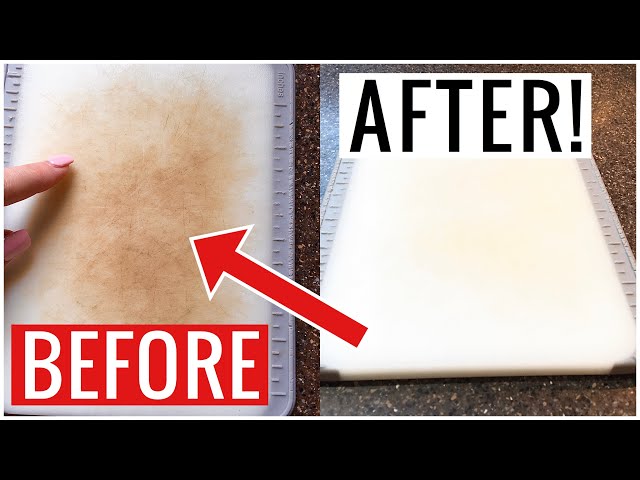
Credit: www.youtube.com
Frequently Asked Questions
What Can I Use To Clean A Plastic Cutting Board?
Use hot soapy water to clean a plastic cutting board. Scrub with a brush for stubborn stains. For deep cleaning, mix white vinegar and water or use baking soda paste. Rinse thoroughly. Let it air dry completely. Regular cleaning prevents bacteria buildup.
Can Bacteria Live On A Plastic Chopping Board?
Yes, bacteria can live on a plastic chopping board. Regular cleaning and sanitizing are essential to prevent bacterial growth. Use hot, soapy water and a disinfectant to clean the board. Replace deeply scratched boards, as bacteria can hide in grooves.
Keep your kitchen safe by maintaining proper hygiene practices.
How Do You Disinfect A Plastic Cutting Board With Vinegar?
Disinfect a plastic cutting board by spraying it with white vinegar. Let it sit for 10 minutes. Rinse with hot water and dry thoroughly. Vinegar’s acidic nature kills bacteria and removes odors effectively. Repeat regularly for best results.
Can You Use Hydrogen Peroxide On Plastic Cutting Boards?
Yes, hydrogen peroxide is safe for disinfecting plastic cutting boards. It removes bacteria and stains effectively. Rinse thoroughly after use to ensure no residue remains. Regular cleaning with hydrogen peroxide can help maintain hygiene and prolong the lifespan of your cutting board.
Conclusion
Cleaning plastic cutting boards is easy with the right steps. Start with hot, soapy water. Scrub both sides thoroughly. Rinse with clean water. Use vinegar or baking soda for tough stains. Dry the board completely. Store it in a dry place.
Regular cleaning prevents germs and keeps your kitchen safe. Follow these tips for a fresh and hygienic cutting board. Simple care gives your board a longer life. Enjoy cooking with confidence! Keep your kitchen clean and your meals safe. Happy cooking!

Hi, I’m Daniel Brooks—a food lover and kitchen gear enthusiast. I enjoy testing cookware, utensils, and gadgets to see what really works in everyday cooking. At PlugChef.com, I share honest reviews, comparisons, and simple guides to help you choose the best tools for a safer, smarter, and more enjoyable kitchen.
Related posts:
 What Type of Cooking Utensils are Safe: Expert Picks
 What Innovations Could Blenders Make: Unleashing Future Tech
 Smart Strategies to Organize a Small Kitchen: Maximize Space
 How to Organize a Kitchen Cabinet: Expert Tips & Tricks
 How to Organize Kitchen Drawers: Expert Tips and Tricks
 How to Organize a Corner Kitchen Cupboard: Expert Tips