

Choosing the best blue crabs can make all the difference between a good meal and an unforgettable feast. But how do you pick the freshest, tastiest crabs every time?
If you’ve ever felt unsure at the market or struggled to tell a lively crab from a less-than-fresh one, this guide is made just for you. By the end of this article, you’ll know exactly what to look for, so you can enjoy the sweetest, most flavorful blue crabs with confidence.
Ready to become a crab-picking pro? Let’s dive in.
Identifying Fresh Blue Crabs
Knowing how to identify fresh blue crabs can make a big difference in your dining experience. Fresh crabs not only taste better but also ensure safety and quality. Let’s look at simple ways you can check if the blue crabs you pick are truly fresh.
Checking Shell Condition
The shell of a fresh blue crab should look clean and moist, not dry or cracked. A dull or damaged shell often means the crab is old or has been handled roughly. Look for vibrant colors—bright blue claws and a rich, greenish-brown shell are good signs.
I once bought crabs with dull shells, and the flavor was disappointing. Since then, I never ignore the shell’s appearance—it tells you a lot about the crab’s freshness.
Assessing Crab Movement
Fresh blue crabs are active and responsive. If you gently touch the crab, it should move its legs or claws. A crab that doesn’t react or feels limp is likely not fresh.
When I visited a seafood market, I noticed the vendor tapping the crab’s shell to show its liveliness. That small test helped me pick the freshest ones every time.
Smelling For Freshness
Fresh blue crabs have a clean, ocean-like smell. Avoid any crab that smells fishy, sour, or ammonia-like. A strong off-putting odor is a red flag and means the crab is no longer fresh.
Trust your nose. If the smell makes you hesitate, don’t buy it. Fresh seafood should smell like the sea, not like something that’s been left out.
Selecting The Right Size
Choosing the right size of blue crabs affects taste and cooking time. Size impacts texture and the amount of meat inside. Picking the best size helps to enjoy your meal fully.
Small Vs Large Crabs
Small crabs are usually sweeter and easier to eat. They cook quickly but have less meat. Large crabs have more meat but take longer to cook. Their flavor can be stronger and firmer. Consider your recipe and personal taste when choosing size.
Optimal Size For Cooking
Crabs weighing between 4 to 6 ounces are perfect for most recipes. They offer a good balance of meat and flavor. Medium-sized crabs cook evenly and are easier to handle. Avoid very small or overly large crabs for best results.
Seasonal Availability
Understanding the seasonal availability of blue crabs is essential for anyone keen on savoring the freshest catch. The timing can significantly influence the taste, size, and price of these crustaceans. Knowing when to buy can enhance your culinary experience and ensure you’re getting the best value for your money.
Peak Crab Seasons
Blue crabs are at their prime during the warmer months. Typically, the peak season runs from late spring to early fall. During this time, crabs are more abundant and easier to catch, which often leads to lower prices and fresher options at your local markets.
In my own experience, buying blue crabs in July offered the best selection. The crabs were larger and packed with sweet, tender meat. Have you ever noticed how the taste and texture can differ with the seasons?
Off-season Considerations
During the off-season, which spans the colder months, blue crabs become scarce. The availability drops and prices tend to rise, reflecting their rarity. However, if you’re flexible with your menu, you might find pre-cooked or frozen options that still deliver great flavor.
Consider trying alternative crab dishes during these months. Opt for crab cakes or soups that make the most of every bit of meat. How do you adjust your seafood choices when fresh blue crabs aren’t in season?
Choosing Between Live And Cooked
Choosing between live and cooked blue crabs can affect your dining experience. Each option offers distinct qualities. Understanding these differences helps you pick the best crab for your meal. Consider freshness, convenience, and flavor before deciding.
Benefits Of Live Crabs
Live crabs guarantee maximum freshness. They offer a sweet and natural flavor. You control how they are cooked. This allows you to customize taste and texture. Live crabs also last longer when stored properly. They are ideal for special occasions or crab feasts.
- Freshness ensures better taste and quality
- Customize cooking methods and seasoning
- Longer shelf life if kept cool
- Perfect for authentic crab recipes
When To Opt For Cooked Crabs
Cooked crabs save time and effort. They arrive ready to eat or reheat. This option suits quick meals or casual dining. Cooked crabs are easier to store for short periods. Ideal for those new to crab preparation or busy schedules.
- Convenient and ready to eat
- Less preparation and cleanup
- Good for quick meals or snacks
- Safe choice if unsure about freshness
Where To Buy Quality Blue Crabs
Knowing where to buy quality blue crabs makes all the difference. Freshness and taste depend on the source. Choosing the right place ensures you get crabs that are lively and flavorful.
Local Markets And Seafood Shops
Local markets often offer fresh blue crabs caught nearby. You can see the crabs before buying. This helps check their liveliness and size. Seafood shops usually store crabs in tanks to keep them alive. Staff can guide you to select the best crabs. Buying locally supports fishermen and ensures quick delivery from catch to table.
Reputable Online Sources
Online seafood sellers provide convenience and variety. Many ship blue crabs overnight to keep them fresh. Choose websites with good reviews and clear return policies. Look for sellers that show harvesting dates. Proper packaging with ice packs maintains crab quality during shipping. Buying online expands your options beyond local availability.
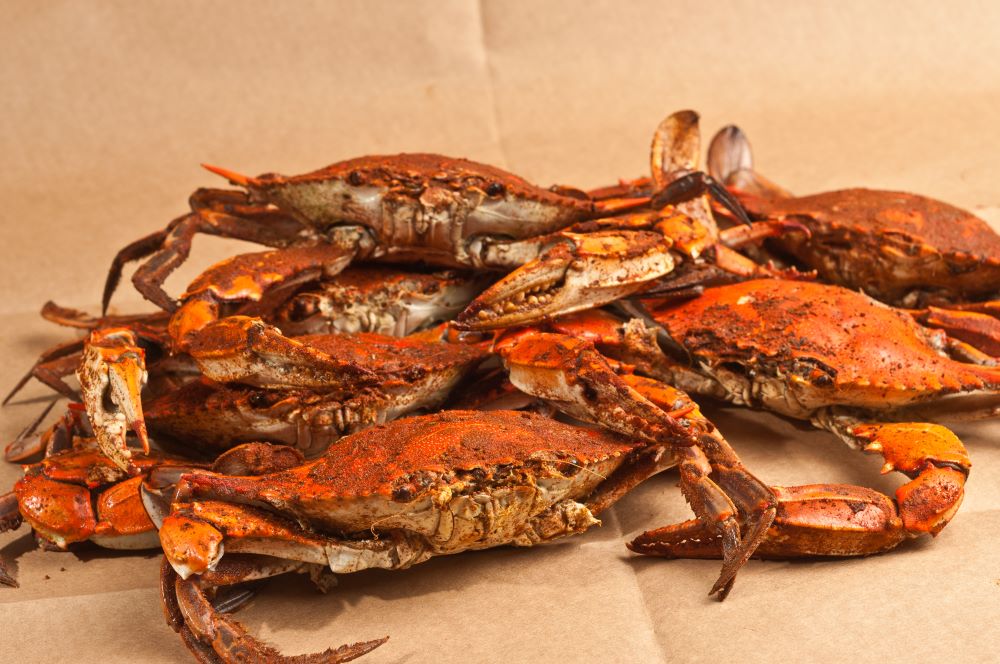
Credit: www.arlingtonmagazine.com
Storing Blue Crabs Before Cooking
Storing blue crabs properly keeps them fresh and tasty. Fresh crabs can spoil quickly without the right care. Proper storage slows down their decay and keeps their meat firm. Follow simple steps to keep crabs alive or fresh until cooking time.
Short-term Storage Tips
Keep blue crabs cool and moist before cooking. Store them in a breathable container like a cooler with a wet cloth on top. Avoid sealing crabs in plastic bags or airtight containers. Crabs need air to stay alive.
- Place crabs in a cooler with ice packs underneath.
- Cover crabs with damp burlap or seaweed to keep moisture.
- Check the cooler often to keep ice fresh and replace melted water.
- Store crabs in the refrigerator only if dead and cleaned.
Use live crabs within 24 hours for best taste and safety.
Avoiding Common Storage Mistakes
Do not store crabs in fresh water; it kills them quickly. Avoid stacking crabs too high; it causes injury and stress. Never freeze live crabs; it leads to poor texture and flavor. Do not leave crabs in direct sunlight or warm places.
- Avoid airtight containers that trap heat and moisture.
- Do not keep dead crabs too long; they spoil fast.
- Never store crabs with fish or seafood that have strong odors.
Preparing Blue Crabs For Cooking
Preparing blue crabs for cooking is an essential step to ensure a delicious and mess-free meal. Proper preparation not only improves the taste but also makes handling the crabs easier. Let’s dive into some practical cleaning techniques and how to prep your crabs for various recipes.
Cleaning Techniques
Start by rinsing the crabs under cold running water to remove any dirt or debris on the shell. Use a stiff brush to scrub the shells gently, especially around the legs and claws.
Next, flip the crab onto its back and lift the apron (the small, triangular flap on the belly). Remove the apron by pulling it away from the body.
Lift the top shell off carefully and discard the gills — these look like spongy fingers on each side of the crab’s body. Rinse the crab’s interior thoroughly to wash away any remaining guts or sand.
Washing the crabs properly can prevent a gritty texture in your dish. Have you ever bitten into a crab only to find a grainy surprise?
Prepping For Different Recipes
Your preparation depends on the recipe you plan to make. For steaming or boiling, you can keep the crabs whole after cleaning. This preserves their natural juices and flavor.
If you want to make crab cakes or stir-fry, you’ll need to pick the meat from the shell. Use kitchen shears to cut through the shell and extract the meat carefully.
For dishes like crab boils or seafood stews, breaking the crabs into halves or quarters helps the seasoning penetrate better. It also makes serving easier.
Think about how you want to enjoy your crab. Do you prefer the rustic feel of cracking shells yourself, or a quick, ready-to-eat crab meat experience?
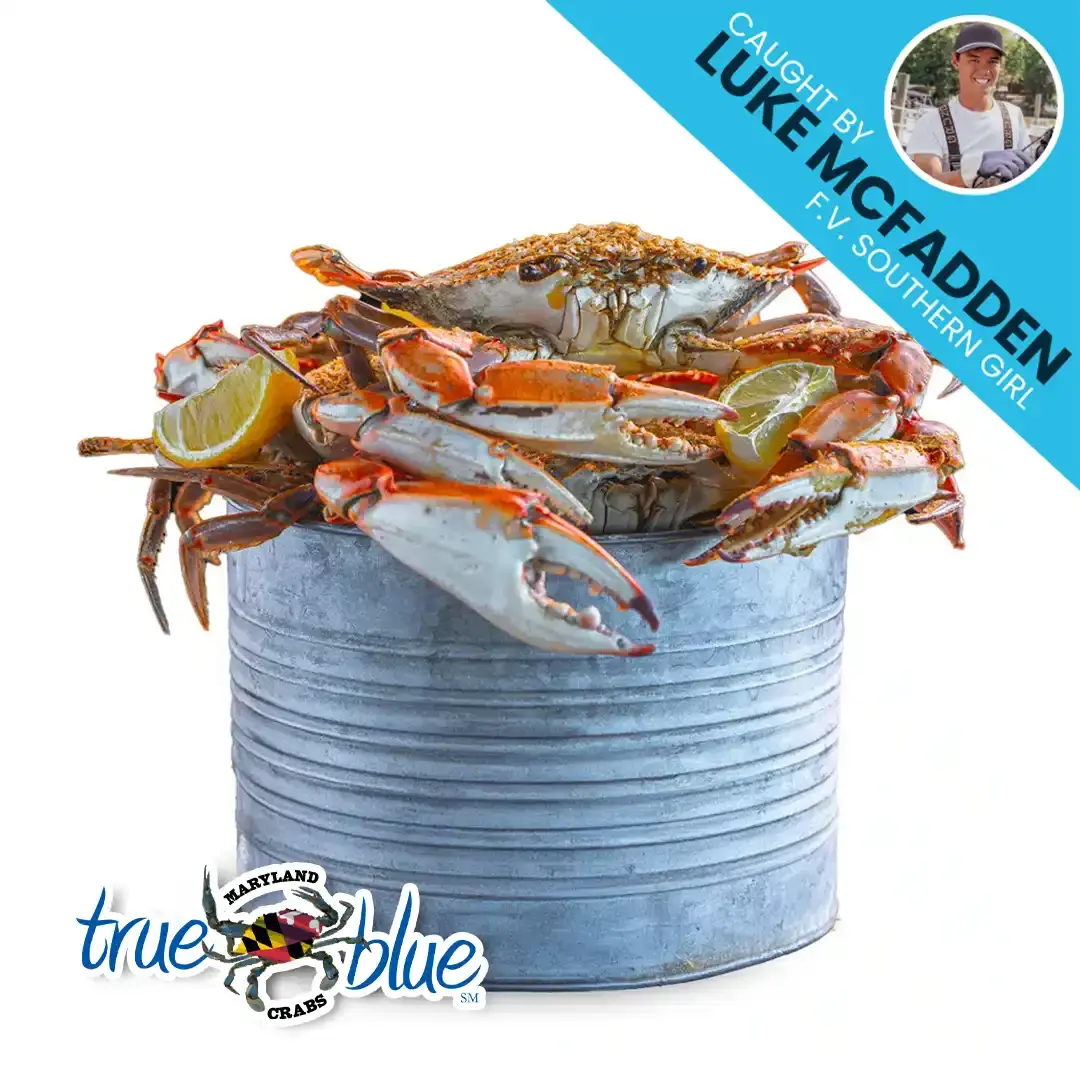
Credit: jimmysfamousseafood.com
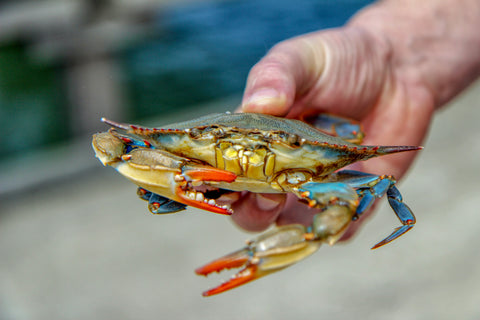
Credit: crabdepot.com
Frequently Asked Questions
How To Identify Fresh Blue Crabs?
Look for lively crabs with a firm shell and intact claws. Fresh crabs have a sweet, briny smell and vibrant colors. Avoid crabs that smell fishy or have soft shells, as these indicate age or poor quality.
What Size Blue Crabs Are Best For Cooking?
Medium-sized crabs (around 4-5 inches across the shell) are ideal. They offer a good balance of meat and flavor. Larger crabs may have more meat but can be tougher, while smaller ones have less meat.
When Is The Best Season To Buy Blue Crabs?
The peak season is late spring through early fall. During these months, blue crabs are more abundant and flavorful. Buying in season ensures freshness and better prices.
Should I Choose Live Or Cooked Blue Crabs?
Live crabs are best for freshness and flavor. Cook them soon after purchase to maintain quality. Pre-cooked crabs are convenient but may lack the same freshness and texture.
Conclusion
Choosing the right blue crabs can make your meal better. Freshness matters most; look for lively, hard-shelled crabs. Size depends on your recipe and taste. Check for a clean smell and no cracks. Buying from trusted sellers helps ensure quality.
Keep crabs cool and cook them soon. Enjoy your delicious blue crabs with confidence and ease. Simple steps lead to a great seafood experience. Now, you are ready to pick the best crabs.

Hi, I’m Daniel Brooks—a food lover and kitchen gear enthusiast. I enjoy testing cookware, utensils, and gadgets to see what really works in everyday cooking. At PlugChef.com, I share honest reviews, comparisons, and simple guides to help you choose the best tools for a safer, smarter, and more enjoyable kitchen.
Related posts:
 What Type of Cooking Utensils are Safe: Expert Picks
 What Innovations Could Blenders Make: Unleashing Future Tech
 Smart Strategies to Organize a Small Kitchen: Maximize Space
 How to Organize a Kitchen Cabinet: Expert Tips & Tricks
 How to Organize Kitchen Drawers: Expert Tips and Tricks
 How to Organize a Corner Kitchen Cupboard: Expert Tips

