
Are buzzing flies invading your indoor space and driving you crazy? You’re not alone.
Those tiny pests can quickly turn your home into a frustrating battlefield. But what if you could stop them fast, without harmful chemicals or endless swatting? You’ll discover simple, effective ways to catch indoor flies and reclaim your comfort. Keep reading, and say goodbye to those pesky visitors for good.

Credit: www.amazon.ca
Why Indoor Flies Are A Problem
Indoor flies are more than just a nuisance. They can affect your health and comfort inside your home. These small pests multiply quickly and spread bacteria. Their presence can make your living space unpleasant and unsanitary.
Flies breed in trash, food scraps, and damp areas. They carry germs from these places into your kitchen and other rooms. This can lead to food contamination and illnesses. It is important to understand why indoor flies are a problem to keep your home safe.
Health Risks From Flies
Flies can carry harmful bacteria and viruses. They land on food and surfaces, spreading germs easily. This increases the chance of food poisoning and infections. Children and elderly people are especially at risk.
Food Contamination
Flies often land on uncovered food. Their legs and bodies can transfer dirt and germs. This contaminates your meals and snacks. It can cause stomach upset and other health issues.
Unhygienic Environment
Flies are attracted to waste and dirty areas. Their presence shows poor cleanliness. This makes your home feel dirty and uncomfortable. It also lowers the quality of your living space.
Rapid Reproduction
Flies reproduce quickly indoors. A few flies can become hundreds in days. This makes the problem worse fast. Controlling flies early is necessary to stop infestations.

Credit: www.wowcatch.com
Common Types Of Indoor Flies
Indoor flies often include houseflies, fruit flies, and drain flies. Catching them requires simple traps and careful observation of their favorite spots. Understanding their habits helps in choosing the best way to trap them effectively.
Indoor flies can be a real nuisance. They buzz around and disrupt our peace. Understanding the common types of indoor flies helps in dealing with them effectively. Each type has unique characteristics and behavior. Knowing these can guide you in choosing the right control method.House Flies
House flies are the most common indoor pests. They are gray and have four dark stripes on their back. They breed in garbage, manure, and decaying matter. They spread diseases by contaminating food and surfaces.Fruit Flies
Fruit flies are tiny and often hover around ripe fruits. They have red eyes and are tan in color. They breed in fermenting fruits, vegetables, and damp areas. Controlling them involves removing overripe produce and cleaning spills.Drain Flies
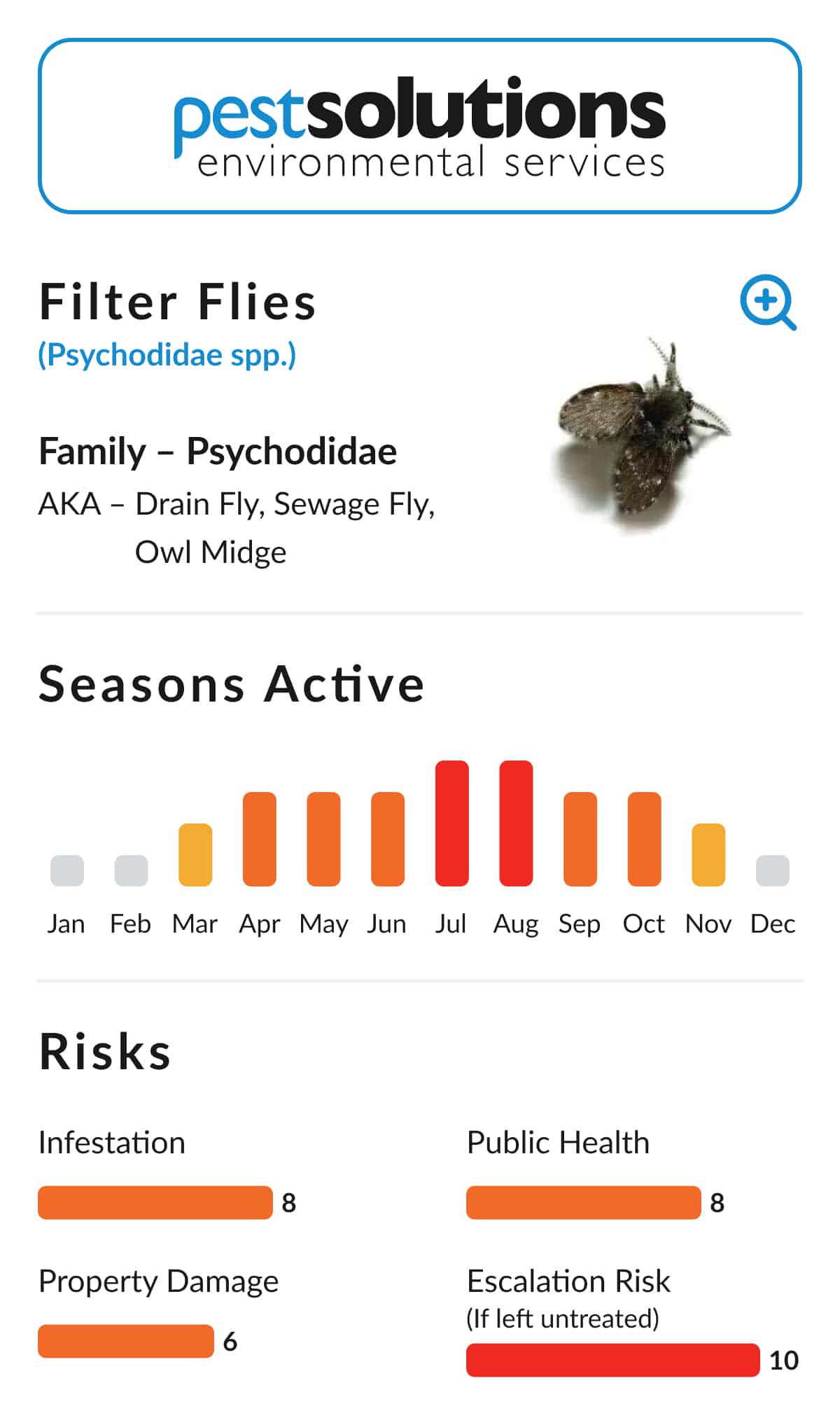
Drain flies are small and fuzzy. They are often found near sinks and drains. They breed in the organic matter inside pipes. Regular cleaning of drains can prevent their infestation.Fungus Gnats
Fungus gnats are small and resemble mosquitoes. They are often found near houseplants. They thrive in moist soil and feed on fungi. Allowing the soil to dry between watering can help reduce their numbers.Cluster Flies
Cluster flies are slightly larger than house flies. They are sluggish and often found near windows. They enter homes to hibernate during colder months. Sealing entry points can prevent them from coming inside.Diy Fly Traps Using Household Items
Creating fly traps at home is a smart way to deal with indoor flies without using harsh chemicals. You probably have everything you need right in your kitchen or pantry. These simple traps attract flies by appealing to their natural instincts and can help reduce their numbers quickly.
Sugar And Vinegar Trap
This trap uses the sweet smell of sugar combined with the sharpness of vinegar to lure flies. Mix equal parts of water, sugar, and apple cider vinegar in a bowl. Cover the bowl with plastic wrap and poke a few small holes in it.
Flies enter through the holes, attracted by the scent, but they have trouble escaping. I once placed this trap near my kitchen window, and within hours, it caught more flies than I expected. Would you believe that a few simple ingredients can replace expensive bug sprays?
Fruit Bait Trap
Flies love rotting or ripe fruit, making this trap very effective. Place a piece of overripe fruit in a jar or container. Then, create a funnel from paper and place it in the jar’s opening, narrow side down.
Flies fly in to reach the fruit but struggle to find their way out. This trap is great if you want a chemical-free solution that uses the flies’ own preferences against them. Have you ever noticed flies hovering around your fruit bowl? This trap targets exactly that behavior.
Soap And Water Trap
This trap uses water and a bit of dish soap to catch flies. Fill a shallow dish with water and add a few drops of liquid soap. The soap breaks the water’s surface tension so flies that land on the water sink and can’t escape.
You can place this dish near areas where flies gather, like near trash bins or sinks. I found this trap especially handy when I needed a quick, low-maintenance way to reduce flies during a summer barbecue. Why not give it a try the next time flies become a nuisance?
Credit: www.pestsolutions.co.uk
Using Natural Repellents To Catch Flies
Using natural repellents offers a safe and eco-friendly way to catch indoor flies. These repellents use scents and plants that flies dislike or are attracted to. They help reduce fly presence without harmful chemicals.
Natural repellents also improve indoor air quality. Many essential oils and herbs have pleasant aromas that freshen your home. They work by either repelling flies or luring them to traps.
Essential Oils That Work
Essential oils contain strong scents that flies avoid. Use these oils in sprays or diffusers to keep flies away.
- Lavender oil: Its floral smell repels flies and calms the room.
- Eucalyptus oil: Strong and fresh, it deters flies effectively.
- Peppermint oil: A sharp scent that flies dislike.
- Lemon oil: Citrus oils confuse and repel flies.
- Tea tree oil: Antimicrobial and unpleasant to flies.
Mix a few drops of essential oil with water in a spray bottle. Spray near windows and doors where flies enter. Change the mixture every few days for best results.
Herbs And Plants To Attract Flies
Some herbs attract flies, making them easy to catch. Use these plants near fly traps or windows.
- Basil: Its scent draws flies close but repels mosquitoes.
- Mint: Attracts flies and can be placed in pots indoors.
- Marigold: Bright flowers attract flies and other insects.
- Bay leaves: Often used in cooking, they also attract flies.
- Dill: A natural attractant for many types of flies.
Place these plants in small pots around your home. This strategy lures flies to a central spot. Combine with traps for better control.
Setting Up Sticky Fly Strips
Sticky fly strips are a simple yet effective way to catch indoor flies without using sprays or chemicals. Setting them up correctly can make a big difference in how well they work. You’ll want to place them where flies frequent but also where they won’t bother your daily activities.
Choosing The Right Location
Flies tend to gather near windows, doors, and light sources. Placing sticky strips in these areas increases your chances of trapping them. Avoid putting strips near food preparation areas to keep your kitchen clean and safe.
Think about where you’ve seen flies resting or buzzing most. Sometimes, a spot behind a plant or near a trash bin can be ideal. Have you noticed where flies tend to land in your home?
Proper Height And Placement
Hang the sticky strips at about eye level or slightly higher. This height matches the usual flying zone of most indoor flies. Make sure the strip hangs freely and isn’t touching walls or furniture.
If you have pets or children, place the strips out of their reach to avoid accidental contact. Also, avoid placing strips in very windy or drafty spots, as this can reduce their stickiness.
Using Multiple Strips For Better Coverage
One sticky strip might not be enough if you have a large room or multiple fly entry points. Spreading several strips around can catch flies more efficiently. Position them near windows, doorways, and other fly hotspots.
Try using different sizes or types of strips to see what works best in your space. Sometimes a smaller strip near a plant and a larger one near a window can cover more ground.
Regular Maintenance And Replacement
Sticky strips lose effectiveness once covered with flies or dust. Check them regularly and replace as soon as they look full. Keeping fresh strips ensures you don’t miss catching new flies.
Have you noticed that old strips attract fewer flies? This is because their adhesive dries out. Setting a schedule to replace strips weekly or biweekly keeps your fly-catching game strong.
Preventing Flies From Entering Your Home
Preventing flies from entering your home is the first and most effective step in managing indoor flies. Stopping them at the door saves you from dealing with constant buzzing and potential contamination inside your living space. It’s about making your home less inviting and harder for flies to get in.
Sealing Entry Points
Flies enter through tiny cracks and gaps you might not even notice. Check around windows, doors, vents, and any openings in walls or screens. Use weather stripping or caulk to close these gaps tightly.
Don’t forget to repair or replace torn window screens. Even a small hole is an open invitation for flies. Have you ever left a door ajar for just a moment and noticed how quickly flies swarm in? That’s because they’re always looking for easy access.
Maintaining Cleanliness
Flies are attracted to food scraps, spills, and garbage. Keep your kitchen counters wiped clean and store food in sealed containers. Empty trash bins regularly, especially those containing food waste.
Pay special attention to pet areas and compost bins if you have them. Flies love moist, organic matter, so clean up pet food dishes and dispose of compost properly. How often do you check under furniture or behind appliances for hidden crumbs? These spots can become unexpected fly magnets.
When To Use Electronic Fly Catchers
Electronic fly catchers can be a game-changer in your fight against indoor flies. But knowing the right moments to use them makes all the difference. Using these devices at the wrong time or place might reduce their effectiveness and waste your effort.
When Flies Are Most Active Indoors
Flies tend to be more active during the warmer parts of the day. If you notice a sudden increase in fly activity around late morning or early afternoon, it’s a good time to turn on your electronic fly catcher.
These devices attract flies using light and electric grids, which work best when flies are buzzing around. Keeping the catcher on during peak activity hours maximizes your chances of catching more flies.
In Areas With Poor Ventilation
Rooms without good airflow often trap flies inside, making them a hotspot for fly activity. An electronic fly catcher can help clear the air in such spaces effectively.
Think about your kitchen or storage rooms where windows don’t open often. Using an electronic fly catcher there can reduce the fly population quickly and keep the space more comfortable.
When You Want A Chemical-free Solution
If you prefer avoiding sprays and chemicals, electronic fly catchers offer a clean alternative. They don’t release any harmful substances, making them safe for kitchens, dining areas, and homes with kids or pets.
Consider this device if you want to maintain hygiene without compromising safety. It’s a silent helper working in the background while you focus on other chores.
During Fly Infestations That Persist Despite Cleaning
Sometimes, even after cleaning thoroughly, flies keep coming back. This might mean you have hidden breeding spots or entry points.
Using an electronic fly catcher can help manage the fly population while you investigate and fix the root cause. It acts as a powerful backup when hygiene alone isn’t enough.
At Night Or In Dimly Lit Rooms
Electronic fly catchers rely on light to attract flies. They are particularly effective in dark or dimly lit rooms.
Switch it on at night or in rooms where natural light is minimal to lure flies away from your living areas. This strategy can help you sleep better without the constant buzz.
Frequently Asked Questions
How Can I Prevent Flies From Entering Indoors?
Seal cracks and doors to block fly entry. Keep windows closed or use screens. Remove food waste promptly to avoid attracting flies indoors.
What Are The Best Natural Fly Repellents At Home?
Use essential oils like lavender, eucalyptus, or peppermint. Place basil and mint plants near doors. These natural scents effectively repel indoor flies.
How Do Fly Traps Work To Catch Indoor Flies?
Fly traps lure flies using bait or light. Once inside, flies cannot escape. This method is non-toxic and effective for indoor fly control.
Can Homemade Fly Swatters Effectively Catch Flies?
Yes, homemade swatters can kill flies quickly. Use a paper towel or folded cardboard. Swatting is a simple, immediate way to reduce fly numbers indoors.
Conclusion
Catching indoor flies can be simple with the right steps. Use traps, clean surfaces, and close entry points. Stay patient and consistent to see results fast. Keep your home tidy to avoid more flies. Small actions make a big difference.
Enjoy a fly-free space with these easy tips.

Hi, I’m Daniel Brooks—a food lover and kitchen gear enthusiast. I enjoy testing cookware, utensils, and gadgets to see what really works in everyday cooking. At PlugChef.com, I share honest reviews, comparisons, and simple guides to help you choose the best tools for a safer, smarter, and more enjoyable kitchen.
Related posts:
 What Type of Cooking Utensils are Safe: Expert Picks
 What Innovations Could Blenders Make: Unleashing Future Tech
 Smart Strategies to Organize a Small Kitchen: Maximize Space
 How to Organize a Kitchen Cabinet: Expert Tips & Tricks
 How to Organize Kitchen Drawers: Expert Tips and Tricks
 How to Organize a Corner Kitchen Cupboard: Expert Tips