
Imagine slicing through fresh vegetables or carving a perfectly cooked roast on a beautiful wooden cutting board. It feels good, right?
Wooden cutting boards are not just practical kitchen tools; they’re a piece of art that can elevate your cooking experience. But just like any prized possession, they need proper care to maintain their charm and functionality. If you’re wondering how to keep your wooden cutting board looking pristine and lasting longer, you’ve come to the right place.
By following a few simple steps, you can ensure your cutting board stays in top shape, helping you create delicious meals for years to come. Dive into this guide to discover how to give your wooden cutting board the care it deserves. Your kitchen will thank you!
Choosing The Right Wood
Choosing the right wood for your cutting board is essential. It impacts durability, maintenance, and the board’s lifespan. The wood type determines how well it can withstand daily use. Some woods are softer, others more durable. Your choice affects the board’s performance in the kitchen.
Types Of Wood
Several wood types are popular for cutting boards. Maple is a common choice. It’s hard and has a fine grain. Walnut offers a rich color and is also hard. Bamboo is sustainable and naturally resistant to bacteria. Cherry is softer but offers a warm tone. Each wood type has unique characteristics.
Durability Factors
Wood hardness influences cutting board durability. Hardwoods like maple and walnut resist knife marks. They last longer in busy kitchens. Grain type also matters. End grain boards are more durable. They heal knife cuts better than edge grain boards. Moisture resistance is key too. Some woods handle water exposure better.
Credit: xtrema.co.uk
Initial Preparation
Wooden cutting boards are kitchen essentials. Proper care ensures they last longer. Initial preparation is crucial for maintaining their quality. This process involves seasoning the board and using food-safe oil. These steps protect the board from damage and enhance its performance.
Seasoning The Board
Seasoning creates a protective layer on the board. It prevents moisture absorption, reducing the risk of warping. This process keeps the board looking fresh and new. Start by cleaning the board with warm water. Dry it thoroughly with a clean towel.
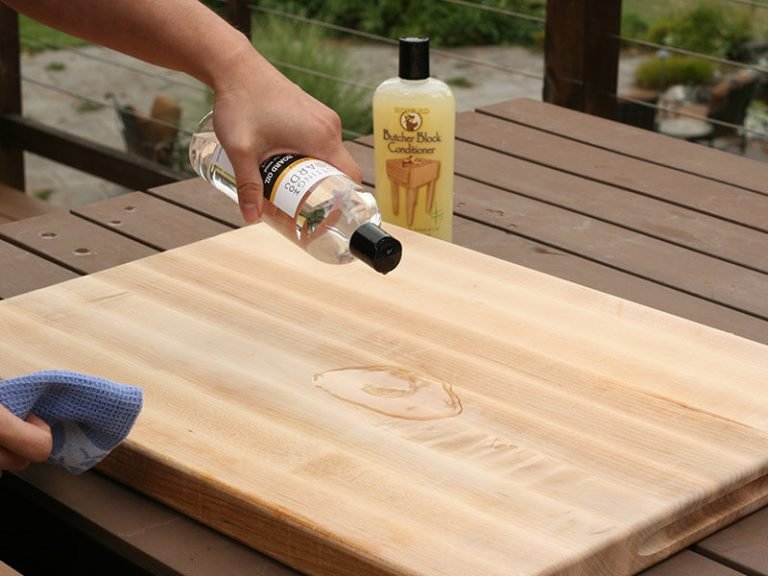
Next, apply a generous amount of food-safe mineral oil. Spread it evenly across the surface. Allow the oil to soak overnight. This gives the board time to absorb the oil completely. Wipe off any excess oil the next day.
Using Food-safe Oil
Food-safe oil is essential for wooden cutting boards. It nourishes the wood, preventing cracks and splits. Mineral oil is a popular choice. It is odorless and tasteless, ideal for kitchen use.
Apply oil regularly to maintain the board’s condition. Monthly applications keep the board in top shape. Pour a small amount on the surface. Use a soft cloth to rub it in evenly. This simple routine extends the board’s life and maintains its beauty.
Daily Maintenance
Maintaining a wooden cutting board involves regular cleaning with warm water and mild soap. Dry it immediately to prevent warping. Occasionally, apply mineral oil to keep it moisturized and prevent cracks.
Caring for your wooden cutting board daily ensures its longevity and keeps it safe for food preparation. A little effort each day can prevent bacteria buildup and damage from moisture. Let’s dive into the practical steps you can take to maintain your board effectively.Proper Cleaning Techniques
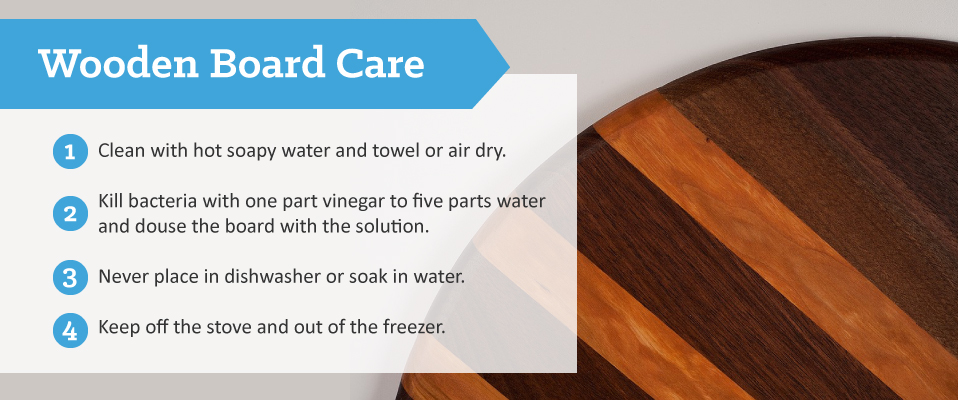
Cleaning your wooden cutting board doesn’t require fancy products. Use hot water and mild dish soap to scrub the surface after each use. Avoid soaking the board in water as it can cause warping. A natural, non-toxic cleaning option is a mixture of vinegar and water. Simply spray the solution on the board, let it sit for a few minutes, then rinse off. This not only cleans but also helps disinfect your board. Consider using a soft-bristled brush for tougher spots. This can gently remove food particles without scratching the wood.Drying And Storing
Always dry your board thoroughly after cleaning. Leaving it wet can lead to mold growth and unpleasant odors. You can pat it dry with a clean towel and then let it air dry standing upright. Never leave your cutting board lying flat while wet. This practice ensures both sides dry evenly, preventing any potential warping. Store your wooden cutting board in a cool, dry place. Keeping it away from direct sunlight and heat sources maintains its quality and appearance. Does your board have a specific spot in your kitchen? Think about how you can make it accessible yet safe from elements that might damage it. With these daily habits, you’ll find your wooden cutting board remains a reliable kitchen companion for years.Deep Cleaning Methods
Wooden cutting boards need deep cleaning to stay hygienic. Regular washing may not remove all residues. Deep cleaning ensures bacteria and odors are eliminated. It also extends the board’s life. Use the right techniques to maintain your board effectively.
Removing Stains
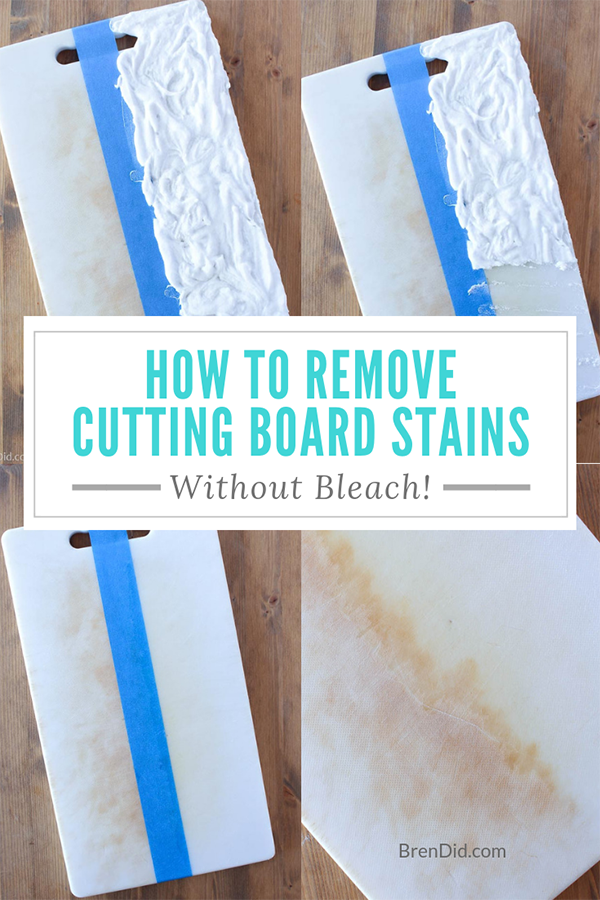
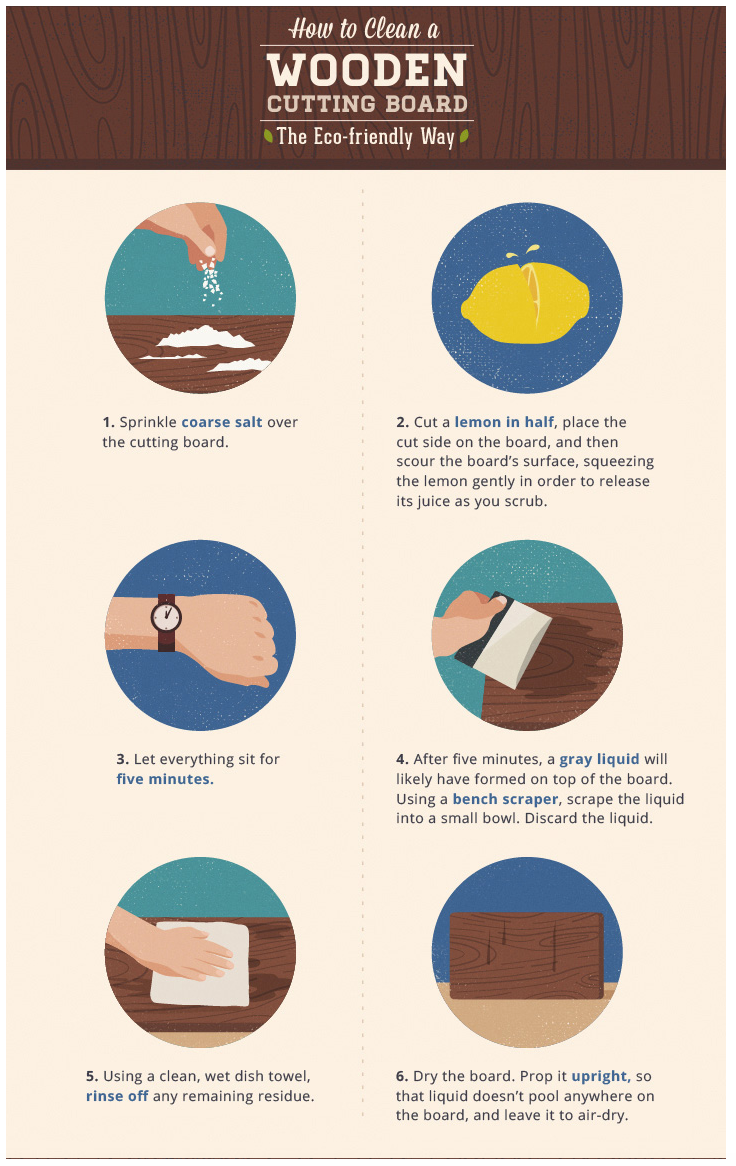
Stains can make a cutting board look worn out. To remove them, sprinkle coarse salt over the stain. Use a lemon half to scrub the salt into the board. The acid in the lemon helps lift stains. Rinse the board with warm water afterward. Dry it thoroughly with a clean towel.
Eliminating Odors
Odors can linger on wooden boards from foods like onions and garlic. Baking soda is effective for odor removal. Sprinkle baking soda over the board. Scrub gently with a damp cloth. Leave it for a few minutes to absorb odors. Rinse with warm water and dry completely. This method keeps your board smelling fresh.
Regular Conditioning
Wooden cutting boards offer durability and aesthetic appeal. Regular conditioning is crucial for their upkeep. It ensures the board remains water-resistant and free from cracks. Conditioning also helps retain its natural beauty and prolongs its lifespan. Below are essential tips for choosing the right oil and the application process.
Choosing The Right Oil
Select food-safe oils for conditioning. Mineral oil is a popular choice. It is odorless and safe for kitchen use. Avoid vegetable oils as they can turn rancid. Beeswax mixed with mineral oil also works well. Ensure any oil you choose is labeled as food-grade.
Application Process
Start with a clean cutting board. Wash with warm water and mild soap. Dry thoroughly before applying oil. Pour a small amount of oil on the board. Use a cloth to spread it evenly. Cover all surfaces, including the edges. Let the board sit overnight. Wipe off excess oil with a clean cloth. Regular application keeps the board in top shape.
Credit: www.adirondackkitchen.com
Repairing Damage
A wooden cutting board needs regular care to prevent damage. Always dry it immediately after washing to avoid warping. Use mineral oil monthly to keep the wood healthy and prevent cracks.
Repairing a wooden cutting board keeps it functional and beautiful. Over time, small damages can occur. These minor issues can be fixed with simple techniques. Here, we discuss repairing cracks and sanding the surface.Fixing Cracks
Cracks can develop due to moisture and use. First, clean the board with warm water and mild soap. Let it dry completely. Apply food-safe wood glue to the crack. Use a clamp to hold the crack closed. Leave it to dry for several hours or overnight. Once dry, remove any excess glue with a damp cloth. Regular maintenance prevents future cracks.Sanding The Surface
A smooth surface is key for hygiene and aesthetics. Start with coarse sandpaper to remove deep cuts or stains. Sand in the direction of the wood grain. Move to finer sandpaper for a smooth finish. Wipe the board with a damp cloth to remove dust. Apply mineral oil to nourish the wood. Let the oil soak in for a few hours. Buff with a clean cloth for a polished look. Regular sanding extends the board’s life.Preventive Measures
Ensure your wooden cutting board lasts by oiling it regularly to prevent drying and cracking. Clean it with mild soap and water after each use. Keep it dry to avoid mold and bacteria growth.
Caring for your wooden cutting board involves more than just cleaning it after use. Preventive measures play a crucial role in extending its lifespan and maintaining its quality. You might wonder why your cutting board looks worn out after just a few months. The secret lies in how well you protect it from the elements that can cause damage. Here, we’ll discuss simple preventive strategies to keep your board in top shape.Avoiding Excess Moisture
Wood and water are not the best of friends. Excess moisture can cause your wooden cutting board to warp, crack, or even harbor bacteria. Always dry your board thoroughly after washing. Have you ever left your board soaking in the sink by accident? If so, you’re not alone. Instead, try wiping it down immediately with a dry cloth after a quick wash. Consider placing it upright to air dry completely. This simple habit prevents water from lingering on the surface. A dry board is a happy board.Protecting From Heat
Heat can be just as damaging as water. Placing a hot pot or pan on your wooden cutting board can cause burns and weaken the wood. Keep your board away from direct heat sources. Think about where you store your cutting board. Is it too close to the stove? Reposition it to a cooler spot in your kitchen to avoid accidental heat exposure. Using trivets or heat pads is another excellent practice. They act as a barrier, protecting your board when you’re in a hurry to put down a hot dish. Preventive care doesn’t have to be complicated. With a few mindful changes, you can preserve the beauty and functionality of your wooden cutting board. How will you start implementing these tips today?When To Replace
Wooden cutting boards need replacement when deep grooves form, harboring bacteria. Cracks or warping are signs too. Regular maintenance extends their life, but a board with splinters or persistent odors should be replaced for safety.
Caring for your wooden cutting board is crucial to ensure its longevity and functionality. Knowing when to replace it can be a bit tricky. It’s not just about aesthetics; it’s about maintaining hygiene and ensuring your kitchen tools are in top condition. Let’s dive into the signs you should look for and the hygiene aspects you need to consider.Signs Of Wear
Your wooden cutting board is a workhorse in the kitchen. Over time, you’ll notice it develops deep grooves and cracks. These aren’t just unsightly; they can harbor bacteria and make cleaning difficult. Have you ever sliced into a juicy tomato only to find bits of the board stuck to your knife? That’s a sign it’s time to consider a replacement. If the board feels uneven or wobbly, it may be past its prime. Sometimes, a board may start to splinter. This can be dangerous, as tiny wood fragments can end up in your food. If your board feels rough to the touch, it might be time to say goodbye.Hygiene Considerations
Maintaining hygiene is non-negotiable. A wooden cutting board that’s too worn can be a breeding ground for germs. When cleaning becomes a chore because of stubborn stains or lingering odors, it’s worth evaluating whether a replacement is due. You might notice an unpleasant smell even after washing. This could indicate bacteria have settled deep into the wood. Ever wondered if sanitizing alone is enough? If your board shows signs of mold or dark spots that won’t budge, it’s better to err on the side of caution. Replacing a cutting board isn’t just about replacing an item; it’s about ensuring your food safety. Would you risk your family’s health for a piece of wood? Keep these considerations in mind, and you’ll know when it’s time to make the switch.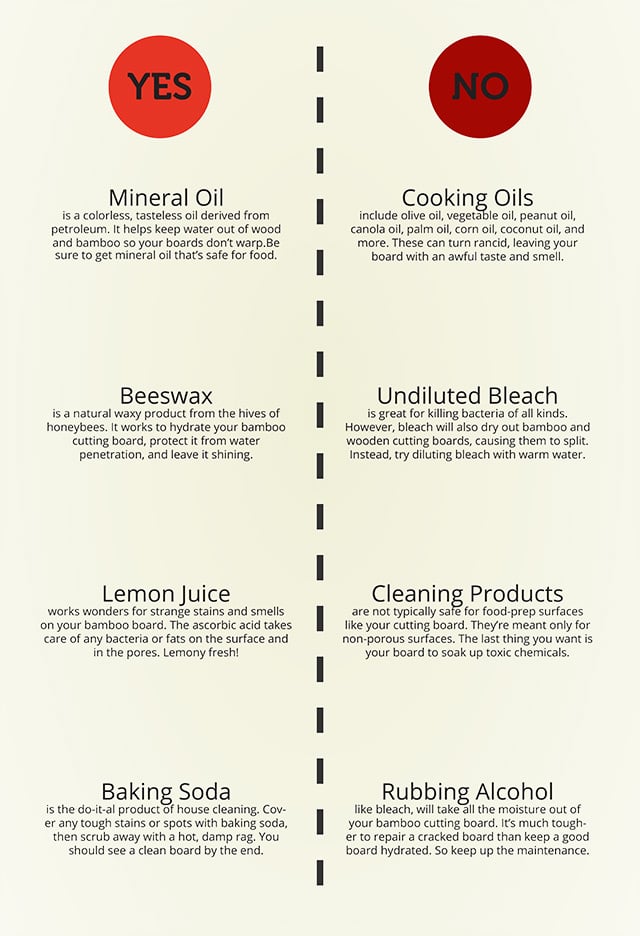
Credit: www.campchef.com
Frequently Asked Questions
Do Wooden Cutting Boards Need To Be Oiled?
Yes, wooden cutting boards should be oiled regularly. Oiling helps prevent cracking and warping. Use food-safe mineral oil for best results. Ensure the board is clean and dry before application. Apply oil evenly and let it soak overnight. Regular maintenance keeps the board in good condition.
Is Olive Oil Good For Wood Cutting Board?
Olive oil is not ideal for wood cutting boards. It can become rancid over time. Use mineral oil instead. Mineral oil is food-safe, prevents drying, and maintains the board’s condition. Regular maintenance ensures longevity and a smooth surface for safe food preparation.
Always choose oils specifically designed for cutting board care.
How Do You Protect A Wooden Cutting Board?
To protect a wooden cutting board, regularly apply mineral oil or beeswax. Avoid soaking it in water. Hand wash with mild soap and dry immediately. Store in a dry place to prevent warping. Keep it sanitized by using vinegar or lemon juice occasionally.
How To Keep A Wooden Cutting Board Sanitary?
Clean the wooden cutting board with hot, soapy water after each use. Dry it immediately to prevent bacteria growth. Rub with coarse salt and lemon to sanitize deeply. Apply food-grade mineral oil regularly to maintain its condition. Avoid soaking it in water to prevent warping and cracking.
Conclusion
Caring for your wooden cutting board is simple and rewarding. Regular cleaning keeps it safe for food use. Oiling prevents cracks and warping. Dry it completely to avoid mold. Don’t forget to sand it if the surface becomes rough. These steps ensure your board lasts long and looks good.
A well-maintained board enhances your cooking experience. Enjoy preparing meals with a clean, sturdy board. Following these tips makes kitchen tasks easier. Your wooden board deserves attention and care. Keep it in top shape, and it will serve you well.

Hi, I’m Daniel Brooks—a food lover and kitchen gear enthusiast. I enjoy testing cookware, utensils, and gadgets to see what really works in everyday cooking. At PlugChef.com, I share honest reviews, comparisons, and simple guides to help you choose the best tools for a safer, smarter, and more enjoyable kitchen.
Related posts:
 What Type of Cooking Utensils are Safe: Expert Picks
 What Innovations Could Blenders Make: Unleashing Future Tech
 Smart Strategies to Organize a Small Kitchen: Maximize Space
 How to Organize a Kitchen Cabinet: Expert Tips & Tricks
 How to Organize Kitchen Drawers: Expert Tips and Tricks
 How to Organize a Corner Kitchen Cupboard: Expert Tips