
Are you ready to take your hot wings to the next level? The secret lies in the breading.
Perfectly breaded hot wings are crispy on the outside, juicy on the inside, and packed with flavor. But how do you get that golden, crunchy coating every time? In this guide, you’ll learn simple steps to bread your hot wings like a pro.
Whether you’re cooking for game day, a party, or just a tasty snack, mastering this technique will make your wings unforgettable. Keep reading, and soon your wings will be the star of the table!
Choosing The Right Wings
Choosing the right wings is important for perfect hot wings. The texture and flavor depend on the type and quality of wings you select. Knowing the differences helps you pick wings that cook well and taste great. This section explains the types of chicken wings and the choice between fresh and frozen.
Types Of Chicken Wings
Chicken wings come in three main parts:
- Drumettes:These look like small drumsticks. They have more meat and are easy to hold.
- Flats:Also called wingettes, these have two thin bones and less meat. They get crispier when fried.
- Tips:Small and bony, usually removed before cooking.
Some stores sell whole wings, others sell separated parts. Choose based on your preference for meatiness or crispiness.
Fresh Vs Frozen Wings
Fresh wings have a better texture and taste. They cook evenly and absorb flavors well. Fresh wings are best if you plan to cook soon.
Frozen wings are convenient and last longer. They need proper thawing before breading. Thaw wings in the fridge overnight for best results. Avoid microwaving to thaw as it can affect texture.
Both fresh and frozen wings can be delicious if handled correctly. Clean, dry wings hold breading better and fry nicely.
Preparing Wings For Breading
Preparing wings for breading is an important step to get crispy, tasty hot wings. Clean wings help the breading stick better. Proper trimming removes unwanted parts, making wings look neat and cook evenly. These simple steps make a big difference in your final dish.
Cleaning And Drying
Start by rinsing wings under cold water. This removes any dirt or leftover feathers. Pat wings dry with paper towels. Dry wings help the breading stick and fry crispier. Avoid soaking wings in water for too long. Excess moisture can make breading soggy.
Trimming Tips
Use a sharp knife or kitchen scissors to trim wings. Cut off the wing tips if you prefer. Wing tips can be tough and do not have much meat. Separate drumettes and flat sections for even cooking. Remove any visible fat or loose skin. Clean wings look better and cook more evenly.
Selecting Breading Ingredients
Choosing the right breading ingredients is key for crispy hot wings. Use flour, cornstarch, and spices for a crunchy texture. Adjust spices for desired heat level, and ensure even coating for best results.
Selecting the right breading ingredients for your hot wings can be the key to achieving that perfect crunch and flavor. Whether you’re aiming for a classic wing or want to try something new, the ingredients you choose can make all the difference. Let’s dive into some popular options for creating the ultimate breaded hot wings.
Flour And Seasoning Mixes
A simple flour and seasoning mix is a timeless choice for breading hot wings. This method allows you to control the flavor profile and spice level. Start with all-purpose flour as the base. Enhance it with your choice of spices like paprika, garlic powder, salt, and pepper. For a spicier kick, add cayenne pepper or chili powder. The beauty of this mix is in its versatility. You can adjust the seasonings to suit your taste or even experiment with different flour types like whole wheat for a heartier texture.
Alternative Coatings
Looking for something different? Alternative coatings can offer unique textures and flavors. Consider using crushed cornflakes or panko breadcrumbs for an extra crispy finish. These options not only add a satisfying crunch but also create a distinct flavor profile. Another popular choice is crushed pretzels, which provide a salty and savory twist. If you prefer a gluten-free option, try using almond flour or crushed rice crackers. These alternatives cater to dietary needs without compromising on taste or texture. What’s your go-to breading mix? Don’t be afraid to experiment and find your perfect combination. Your taste buds will thank you!
Creating The Breading Station
Creating the breading station is key to making crispy, flavorful hot wings. Organizing your ingredients and tools before starting saves time and keeps the process smooth. A well-set breading station helps you coat each wing evenly and quickly.
This setup includes separate areas for wet and dry ingredients. It also ensures easy access to everything needed for breading. A neat station reduces mess and makes cleanup faster.
Wet And Dry Components
Separate bowls for wet and dry ingredients prevent clumping. The wet bowl usually holds buttermilk, beaten eggs, or hot sauce. These help the dry mix stick to the wings. The dry bowl contains flour, spices, and breadcrumbs or cornmeal. Mixing these ingredients well creates a crunchy coating.
Use shallow bowls wide enough to dip wings easily. Label each bowl to avoid confusion. This helps keep flavors consistent and the process fast.
Setting Up For Efficiency
Arrange bowls side by side for smooth workflow. Place the wet bowl first, followed by the dry bowl. Use a wire rack or tray to hold coated wings. This lets excess flour fall off and wings stay crisp.
- Keep paper towels or a clean cloth nearby for quick hand drying.
- Use tongs or gloves to keep hands clean and safe.
- Prepare all ingredients before starting to avoid interruptions.
A tidy and efficient breading station makes coating hot wings simple. It helps maintain flavor and texture in every bite.
Step-by-step Breading Process
Breading hot wings is key for crispy, flavorful results. This process adds texture and locks in moisture. Follow each step carefully to get wings that are crunchy outside and tender inside. The breading involves a wet mixture and dry mix for the perfect coating.
Dipping In Wet Mixture
Start by preparing a wet mixture. Common choices include beaten eggs, buttermilk, or a blend of milk and spices. Dip each wing into this mixture fully. This step helps the dry coating stick well. Make sure the wing is evenly coated but not dripping.
Coating With Dry Mix
Next, prepare a dry mix with flour, salt, pepper, and your favorite spices. Place the wing into the dry mix. Press gently to cover every part of the wing. Shake off extra flour to avoid clumps. This layer creates the crispy crust.
Double Breading Technique
For extra crunch, repeat the dipping and coating process. Dip the wing again in the wet mixture. Then coat it once more in the dry mix. This double breading adds thickness and crunch. It also helps the breading stay on during frying or baking.

Credit: espressoandlime.com
Tips For Crispy Wings
Crispy hot wings are a game-changer in any meal, but achieving that perfect crunch can be tricky. The right technique makes all the difference between wings that are delightfully crispy and those that end up soggy or limp. Here are some tips that can help you get that satisfying crunch every time you bread your wings.
Resting Before Cooking
After breading your wings, let them rest on a wire rack for at least 15 minutes before cooking. This step allows the coating to set and stick firmly to the wings, reducing the chance of it falling off during cooking.
I once skipped this step and noticed my coating slipping off in the pan. When I started resting them, the breading stayed intact and became much crispier. Have you tried letting your wings rest before frying or baking?
Avoiding Soggy Coating
Moisture is the enemy of crispy wings. Pat your wings dry with paper towels before breading to remove excess water. Also, avoid stacking wings on top of each other once breaded to keep airflow around each piece.
Using a light dusting of cornstarch along with flour can help absorb moisture and create a crunchier crust. Additionally, cooking at the right temperature—usually between 350°F to 375°F—ensures the coating crisps quickly without soaking up oil.
Cooking Methods For Battered Wings
Battered wings need the right cooking method for a crispy outside and juicy inside. Choosing the best way affects the flavor and texture. Each method changes how the batter cooks and sticks to the wings. Understanding these methods helps get the perfect hot wings every time.
Deep Frying Basics
Deep frying cooks wings quickly in hot oil. The oil temperature stays between 350°F and 375°F. This high heat seals the batter fast, making it crisp and golden. Wings cook evenly and remain juicy inside. Use a deep pot or fryer with enough oil to cover the wings fully. Drain wings on paper towels to remove extra oil.
Oven Baking Options
Baking battered wings is a healthier way to cook. Preheat the oven to 400°F for best results. Place wings on a wire rack over a baking sheet. This lets hot air circulate around the wings. Spray wings lightly with oil to help crisp the batter. Bake for 35 to 45 minutes until golden and cooked through. Turn wings halfway for even cooking.
Air Fryer Techniques
Air frying uses hot air and little oil for crispy wings. Preheat the air fryer to 380°F. Arrange wings in a single layer for good airflow. Spray wings with oil to make the batter crunchy. Cook for 20 to 25 minutes, shaking the basket halfway. This method reduces fat but keeps wings crispy and tasty.
Adding Flavor After Breading
Adding flavor after breading hot wings brings extra taste and texture. It makes each bite exciting and rich. You can use sauces, dry rubs, or glazes to create layers of flavor. These options help customize your wings to suit any palate.
Choosing The Right Sauces
Sauces add moisture and bold flavor to breaded wings. Classic choices include buffalo, barbecue, and honey mustard. Each sauce offers a different taste profile.
- Buffalo sauce gives a spicy, tangy kick.
- Barbecue sauce delivers sweet and smoky notes.
- Honey mustard balances sweetness with slight tartness.
Coat the wings evenly by tossing them gently in the sauce. Avoid soaking to keep the breading crisp. Serve extra sauce on the side for dipping.
Dry Rubs And Glazes
Dry rubs and glazes add flavor without making wings soggy. Rubs are spice blends applied after cooking. They create a flavorful crust on the breading.
- Try paprika, garlic powder, and cayenne for heat.
- Brown sugar and cinnamon add sweetness and warmth.
- Salt and pepper enhance natural chicken taste.
Glazes are sticky coatings brushed on wings. They caramelize under heat, adding shine and taste. Use ingredients like honey, soy sauce, or balsamic vinegar for rich glazes.
Serving Suggestions
Serving breaded hot wings is about more than just the wings themselves. The right dips and sides can elevate your meal and bring out the best in those crispy, flavorful bites. Think about what textures and flavors will complement your wings and surprise your guests with a spread that’s both satisfying and memorable.
Dips And Sides
Dips add a creamy or tangy contrast to your crispy wings. Classic options like ranch and blue cheese never disappoint, but have you tried mixing Greek yogurt with a bit of garlic and lemon for a fresher, lighter dip? It adds a zing that pairs perfectly with spicy wings.
Sides should balance the heat and crunch. Celery sticks and carrot sticks are traditional for a reason—they bring a refreshing crunch and coolness. You could also serve a simple cucumber salad or coleslaw to add a crisp, cool counterpoint to the breading.
- Honey mustard dip for a sweet twist
- Spicy sriracha mayo for those who want extra heat
- Garlic parmesan fries or sweet potato fries as hearty sides
- Pickled vegetables for a tangy bite
Presentation Ideas
How you present your wings can turn a casual snack into a feast. Arrange them on a wooden board or a large platter with colorful garnishes like chopped parsley or sliced green onions. The visual appeal invites people to dig in.
Using small bowls for dips scattered around the platter makes it easy for everyone to reach and try different flavors. Consider wrapping the wings in parchment paper cones for a fun, street-food vibe that makes eating less messy.
Have you ever noticed how a simple sprinkle of sesame seeds or a drizzle of hot sauce can make wings look irresistible? Little details make a big difference.
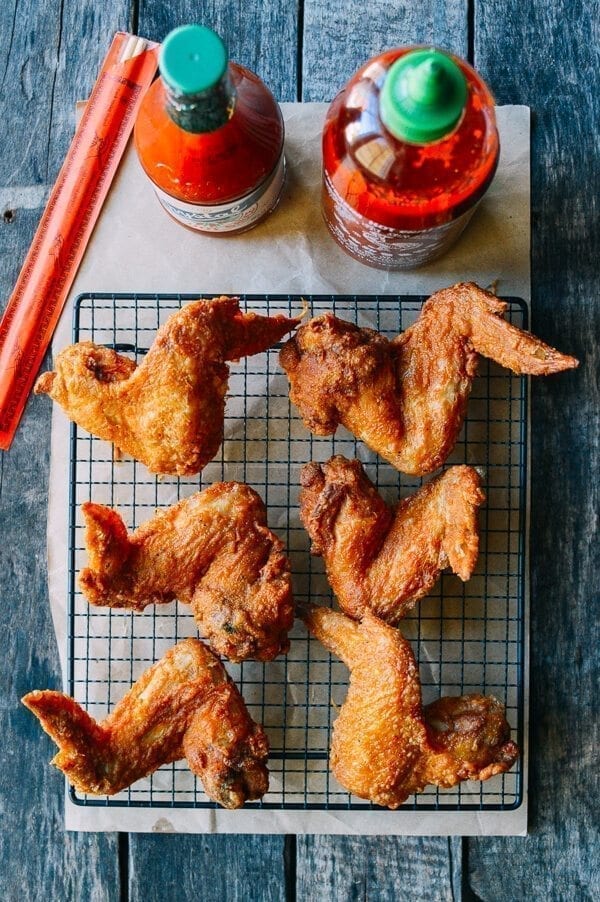
Credit: thewoksoflife.com
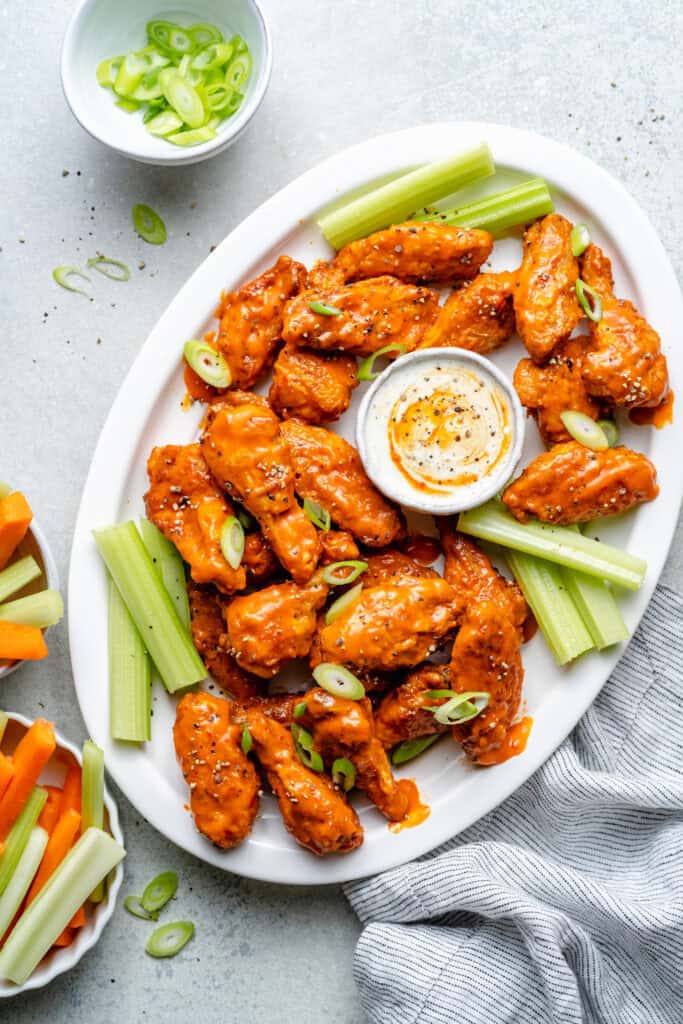
Credit: allthehealthythings.com
Frequently Asked Questions
What Ingredients Are Needed To Bread Hot Wings?
You need flour, cornstarch, salt, pepper, and spices for breading hot wings. These create a crispy coating. Eggs or buttermilk help the breading stick to the wings. Adjust spices to your taste for extra flavor.
How Do You Prepare Hot Wings For Breading?
Pat wings dry with paper towels to remove moisture. This helps the breading stick better. Dip wings in beaten eggs or buttermilk. Then coat evenly with the flour mixture for a crispy, flavorful crust.
Can I Use Alternative Flours For Breading Hot Wings?
Yes, you can use almond flour or gluten-free flour blends. These options work well for gluten-free diets. They still provide a crunchy texture. Adjust seasoning as needed since alternative flours may differ in flavor.
Should Hot Wings Be Fried Or Baked After Breading?
Both methods work well. Frying creates a crispier crust quickly. Baking is healthier and easier, with less oil. Bake wings at 400°F for 40-45 minutes, flipping halfway for even crispiness.
Conclusion
Breading hot wings adds a crispy, tasty layer to enjoy. Use simple steps for best results every time. Fresh ingredients make a big difference in flavor. Experiment with spices to find your favorite taste. Serve wings hot for the best eating experience.
Share your delicious wings with friends or family. Cooking at home saves money and brings fun. Try this easy method and enjoy crispy hot wings soon!

I’m Abby Lu, a passionate home cook who loves simplifying everyday meals. At PlugChef.com, I share product reviews and cooking guides to help you find the best tools for your kitchen.
Related posts:
 What Type of Cooking Utensils are Safe: Expert Picks
 What Innovations Could Blenders Make: Unleashing Future Tech
 Smart Strategies to Organize a Small Kitchen: Maximize Space
 How to Organize a Kitchen Cabinet: Expert Tips & Tricks
 How to Organize Kitchen Drawers: Expert Tips and Tricks
 How to Organize a Corner Kitchen Cupboard: Expert Tips