

Have you ever wondered why some cutting boards seem to last forever while others wear down quickly? The secret often lies in the thickness of the board.
You might not realize it, but choosing the right thickness can make a huge difference in your cooking experience. It can impact everything from the ease of cutting to the lifespan of your knives. Imagine having a board that’s perfectly suited to your needs, making every chop and slice effortless.
By understanding how thick your cutting board should be, you’ll not only enhance your kitchen efficiency but also protect your tools and improve your culinary skills. Ready to discover the ideal thickness for your cutting board? Let’s dive in!
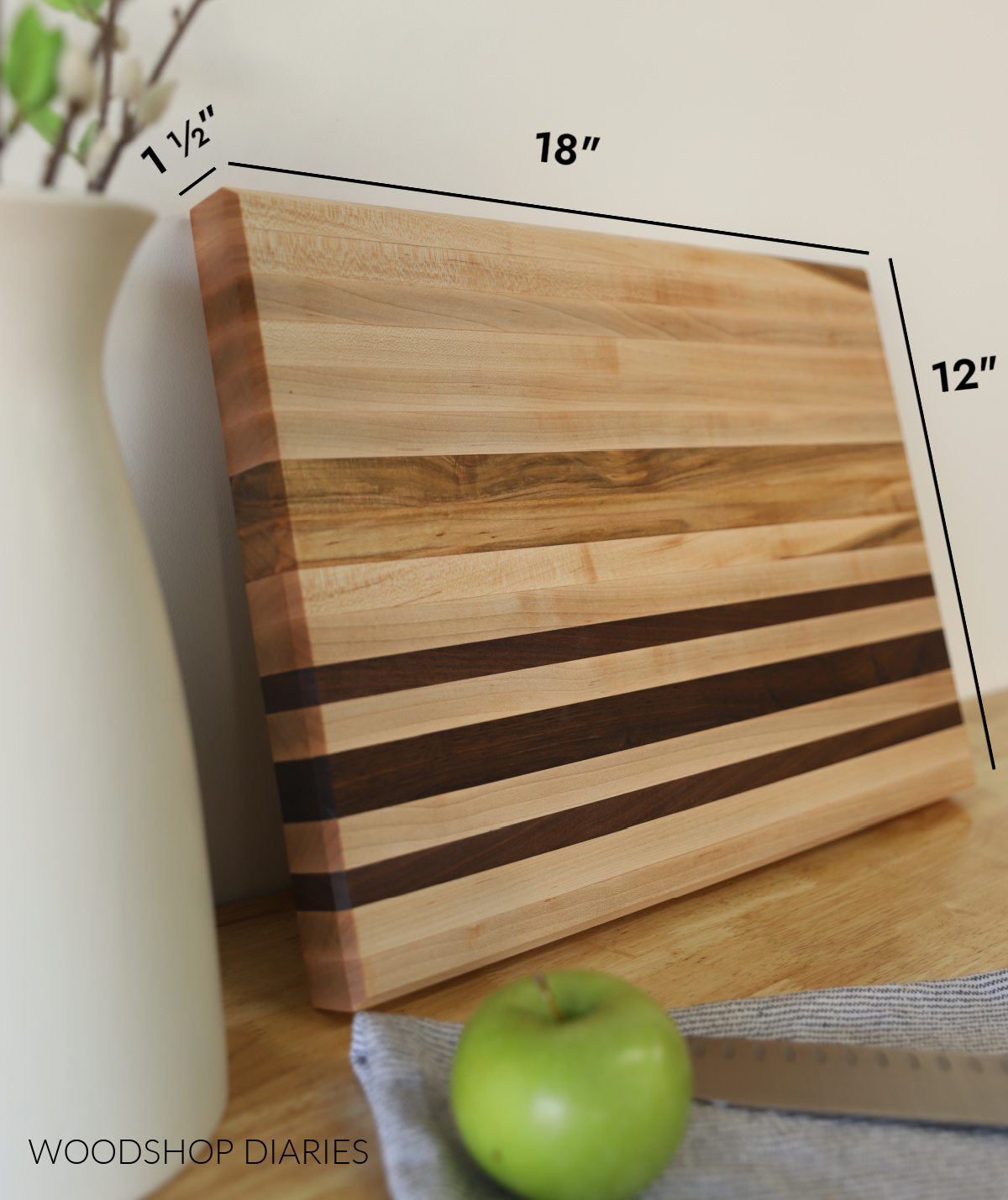
Credit: www.woodshopdiaries.com
Importance Of Cutting Board Thickness
The thickness of a cutting board can affect your cooking experience. A well-sized board ensures stability and durability. It also protects your knives and countertops. Thicker boards offer advantages that thinner ones might lack. Let’s explore why thickness matters.
Why Thickness Matters
Thickness influences how stable the cutting board is. Thicker boards stay in place better. They don’t slide around easily. This stability helps you chop safely and efficiently. It also reduces the risk of accidents in the kitchen.
Durability And Longevity
Thicker cutting boards are often more durable. They can withstand heavy use without warping or cracking. Thin boards may wear out quickly. Investing in a thicker board means less frequent replacements. This saves money and time in the long run.
Knife Protection
Thicker boards are gentler on knives. They provide a solid surface that reduces wear on blades. This helps keep knives sharper for longer. Sharp knives improve precision and make cooking easier. A thick board can be a smart choice for knife care.
Countertop Safety
A thick cutting board protects your countertops. It absorbs the impact of chopping and cutting. This minimizes scratches and dents on your kitchen surfaces. Keeping countertops safe is crucial for maintaining their appearance.
Versatility In Use
Thicker boards offer versatility. They can be used for heavy-duty tasks like chopping meat. They also suit lighter tasks like slicing vegetables. A thick board adapts to different cooking needs. This versatility adds value to your kitchen tools.
Types Of Cutting Boards
Choosing the right thickness for a cutting board is crucial for both functionality and durability. But before you decide on how thick it should be, it’s important to understand the different types of cutting boards available. Each type has its own characteristics that can influence your decision. Let’s dive into the details of wooden, plastic, and composite boards.
Wooden Boards
Wooden cutting boards are a favorite among chefs and home cooks alike. They offer a natural, aesthetically pleasing look that complements any kitchen. Their thickness can vary, but typically ranges from 1 to 2 inches. A thicker wooden board provides stability and reduces the risk of warping. Have you ever tried chopping vegetables on a thin board, only for it to slide all over the counter? Annoying, right? Thicker boards stay put.
Wood is gentle on knives, preserving their sharpness for longer. However, wooden boards require regular maintenance to prevent bacteria build-up. Regular oiling keeps the board in good condition. While it may sound tedious, remember: a well-cared-for board lasts longer and keeps your food safe.
Plastic Boards
Plastic boards are known for their affordability and practicality. They are usually lighter and thinner, often around half an inch thick. This makes them easy to store and handle. A thinner plastic board can be convenient for quick meal preps. Think about those hectic mornings when you need to slice fruits swiftly—plastic boards are your go-to.
While they are easier to clean and generally dishwasher safe, they can wear down quickly with aggressive chopping. Deep cuts can harbor bacteria, so consider replacing them regularly. Would you trust an old, scratched-up board with your fresh produce?
Composite Boards
Composite boards are crafted from a blend of materials, often providing the best of both worlds. They can range from three-quarters to 1 inch in thickness, offering a solid cutting surface. This type of board often feels heavy and stable, much like a wooden board but without the constant upkeep. If you’re someone who wants durability without the fuss, composite boards might appeal to you.
These boards are resistant to scratches and can withstand high temperatures, making them versatile. Have you ever placed a hot pan on a board and worried about damage? With a composite board, you can rest easy. They’re durable, but keep in mind that not all are knife-friendly, so check the specifications before purchasing.
When selecting the right cutting board thickness, consider the type that best suits your cooking style and maintenance preferences. What’s your priority—ease of cleaning, knife preservation, or aesthetic appeal?
Factors Influencing Thickness Choice
Choosing the right thickness for your cutting board is more than just a matter of preference. The thickness affects the board’s durability, how well it protects your knives, and its stability during use. Understanding these factors can help you make an informed decision that enhances your cooking experience.
Durability Considerations
Thicker cutting boards typically offer more durability. A board that is at least 1.5 inches thick can withstand heavy chopping and regular use without warping or cracking. If you’ve ever had a cutting board split in the middle of meal prep, you know the frustration it can cause. A thicker board can save you from this hassle.
Knife Protection
Your knives are an investment, and the thickness of your cutting board can affect their lifespan. Thicker boards provide a cushioned surface that absorbs the impact of chopping, reducing wear on your knife edges. This means less frequent sharpening and a longer life for your knives.
Stability During Use
Stability is crucial when you’re chopping ingredients. A thicker board usually stays in place better, especially if it’s made from a dense wood like maple or walnut. Have you ever had a cutting board slide around while you’re trying to chop? Choosing a thicker board can help prevent that, making your cooking safer and more efficient.
As you consider these factors, think about your cooking habits. Do you often prepare large meals or use heavy knives? A thicker board might be your best bet. On the other hand, if space and weight are concerns, a slightly thinner option could still meet your needs effectively. What will work best for you and your kitchen?
Standard Thickness Recommendations
Choosing the right thickness for a cutting board is crucial. It affects durability, functionality, and safety. Whether for home or professional kitchens, understanding standard thickness recommendations helps optimize culinary tasks. Thickness varies based on usage, material, and personal preference.
Home Kitchen Boards
For home kitchens, cutting boards often range from 1/2 to 1 inch thick. Thinner boards are lighter and easier to store. They suit everyday tasks like chopping vegetables or slicing bread. Thicker boards offer more stability and durability. Ideal for cutting meats or heavy-duty tasks.
Wood and plastic are popular choices. Wood provides a sturdy surface. Plastic is lightweight and easy to clean. Consider your kitchen space and storage needs. A balance between thickness and usability enhances your cooking experience.
Professional Kitchen Boards
Professional kitchens demand thicker cutting boards. Typically, boards range from 1 to 2 inches thick. Thicker boards withstand heavy use and frequent cleaning. They provide stability for professional chefs. Essential for chopping large quantities and rigorous tasks.
Wood is often favored for its durability and knife-friendly surface. End grain wood boards are particularly robust. They resist wear and tear. In professional settings, thickness ensures long-lasting reliability. A thicker board supports efficiency and safety during food preparation.
Pros And Cons Of Thick Boards
When choosing the perfect cutting board, thickness is a key factor. Thick boards offer distinct advantages and disadvantages. Understanding these can guide your choice for a kitchen essential.
Pros Of Thick Boards
Thick boards provide stability while cutting. They are less likely to move or slide. This reduces the risk of accidents during food preparation.
They offer durability. Thick boards can withstand heavy use over time. They do not warp or crack easily.
Thick boards can be versatile. Some have juice grooves or built-in compartments. These features enhance functionality.
Aesthetic appeal is another advantage. Thick boards often look impressive and add style to the kitchen.
Cons Of Thick Boards
Weight is a major drawback. Thick boards can be heavy to lift and move.
Storage can be challenging. They require more space compared to thinner boards.
Cleaning might take more effort. Thick boards need thorough washing to remove food particles.
Price is a consideration. Thick boards tend to be more expensive. This can be a disadvantage for budget-conscious buyers.
Maintenance And Care
Proper maintenance of your cutting board extends its lifespan. It keeps your kitchen hygienic. A well-maintained board also enhances your cooking experience. Consistent care prevents damage and keeps your board looking new. Let’s explore effective maintenance and care methods.
Cleaning Techniques
Clean your cutting board after each use. Use warm, soapy water and a soft sponge. Rinse thoroughly to remove soap residue. Avoid using the dishwasher for wooden boards. It can cause cracking and warping. For stubborn stains, use a paste of baking soda and water. Gently scrub the area, then rinse well.
Dry the board immediately with a clean towel. Air drying can lead to moisture retention. This might cause bacteria growth. For a deeper clean, use a vinegar solution. Mix equal parts of water and vinegar. Spray and wipe with a soft cloth.
Preventing Warping
Warping is a common issue for wooden boards. Keep your board away from direct heat. Avoid placing it near stoves or radiators. Moisture is another enemy. Never soak your cutting board in water. Always dry it thoroughly after cleaning. Use mineral oil monthly to maintain moisture balance.
Apply oil with a soft cloth. Let it absorb overnight. This keeps the wood from drying out. Proper storage is crucial. Store the board upright to promote air circulation. Avoid stacking heavy items on top. This prevents unnecessary pressure that can lead to warping.
Expert Opinions
Experts suggest a cutting board should be at least 1. 5 inches thick. This thickness ensures durability and stability during use. Thicker boards can withstand heavy chopping and last longer.
When choosing a cutting board, understanding its ideal thickness can greatly enhance your kitchen experience. While aesthetics matter, functionality and durability should be your guiding stars. Expert opinions shed light on how thick a cutting board should be to meet various needs. Let’s dive into insights from chefs and cutting board manufacturers to help you make an informed decision.Chef Perspectives
Chefs often emphasize the importance of a sturdy cutting board. A thicker board, usually around 1.5 to 2 inches, provides stability during intense chopping sessions. Thicker boards also tend to absorb less moisture, minimizing the risk of warping and enhancing longevity. Renowned chefs often share anecdotes of how their thicker boards provide a reliable surface, even when tackling tough ingredients. Imagine slicing through a dense squash with ease because your board remains steady. Wouldn’t you prefer a board that doesn’t wobble during your culinary adventures?Cutting Board Manufacturer Views
Manufacturers often recommend a thickness that balances durability with ease of use. Many suggest a range between 1 and 1.5 inches for home cooks. This thickness is considered optimal for everyday tasks, offering both resilience and maneuverability. Manufacturers also highlight the importance of material in conjunction with thickness. A high-quality wood, like maple or walnut, paired with the right thickness, ensures a lasting product. Picture a board that not only withstands the test of time but also adds a touch of elegance to your kitchen. Isn’t it reassuring to know that your investment is both practical and aesthetically pleasing? In your quest for the perfect cutting board, consider these expert insights. They might just be the key to elevating your cooking experience.
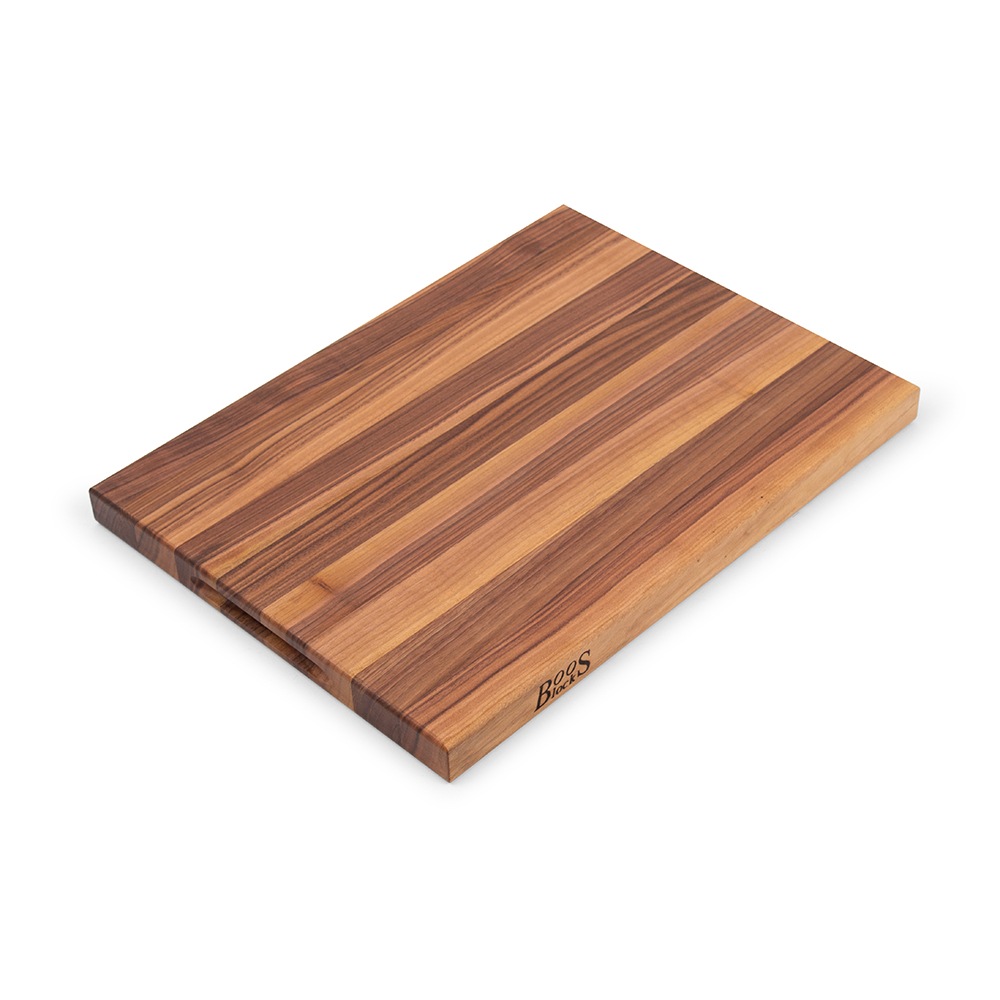
Credit: www.woodcuttingboardstore.com
Credit: goodkinsmen.com
Frequently Asked Questions
Is A Thicker Cutting Board Better?
A thicker cutting board provides stability and durability. It resists warping and offers better protection for knives. Thicker boards are ideal for heavy chopping tasks and last longer. Choose a thickness that suits your kitchen needs and storage space.
What Do Professional Chefs Use For Cutting Boards?
Professional chefs often use wooden or bamboo cutting boards for their durability and knife-friendly surfaces. These materials prevent excessive wear on knife blades. Chefs also appreciate their natural antimicrobial properties, which help maintain hygiene in the kitchen. End-grain wood boards are especially favored for their self-healing characteristics.
What Type Of Wood Is Best For A Cutting Board?
Hardwoods like maple, walnut, and cherry are best for cutting boards. They are durable and resist knife marks. These woods have tight grains that prevent bacteria growth. Opt for end-grain construction for added longevity. Always choose food-safe finishes to protect the wood and maintain hygiene.
What Is The Best Thickness For An End-grain Cutting Board?
The ideal thickness for an end-grain cutting board is 1. 5 to 2 inches. This thickness provides durability and stability while cutting. A thicker board minimizes warping and ensures a longer lifespan. Choose high-quality wood for the best performance.
Conclusion
Choosing the right thickness for a cutting board matters. It affects stability and durability. Thicker boards offer more support for heavy chopping. Thin boards are easier to store. Consider the type of food you prepare. Different tasks require different board thickness.
For meats, a thicker board is ideal. Vegetables can be chopped on a thinner board. Always balance durability with convenience. Think about how often you use your board. Frequent use might need a sturdier option. Make your choice based on your needs.
Enjoy safe and efficient cooking with the perfect cutting board thickness.

Hi, I’m Daniel Brooks—a food lover and kitchen gear enthusiast. I enjoy testing cookware, utensils, and gadgets to see what really works in everyday cooking. At PlugChef.com, I share honest reviews, comparisons, and simple guides to help you choose the best tools for a safer, smarter, and more enjoyable kitchen.
Related posts:
 What Type of Cooking Utensils are Safe: Expert Picks
 What Innovations Could Blenders Make: Unleashing Future Tech
 Smart Strategies to Organize a Small Kitchen: Maximize Space
 How to Organize a Kitchen Cabinet: Expert Tips & Tricks
 How to Organize Kitchen Drawers: Expert Tips and Tricks
 How to Organize a Corner Kitchen Cupboard: Expert Tips

