
Imagine opening your kitchen pantry and finding exactly what you need without the usual search party. You can have this magical experience with just a little bit of organization.
Your kitchen pantry is more than just a storage space; it’s the heart of your cooking activities. When it’s cluttered, it not only steals your time but also drains your energy. Luckily, transforming your pantry into a well-organized haven is easier than you think.
This article will guide you through simple, effective strategies to organize your kitchen pantry, making it both functional and pleasing to the eye. You’ll discover how to maximize space, maintain order, and turn your pantry into a source of inspiration for your culinary creations. Ready to unlock the secret to a stress-free kitchen experience? Let’s dive in and transform your pantry into a masterpiece of organization.

Credit: www.styleanddwell.com
How To Organize A Kitchen Pantry
Organize a kitchen pantry by grouping similar items together for easy access. Use clear containers to see contents quickly. Label shelves to keep everything in its place and reduce clutter.
A well-organized kitchen pantry can transform your cooking experience. Imagine finding everything you need without a scavenger hunt. Let’s dive into the secrets of pantry organization. Categorize Your Items Grouping similar items can make a huge difference. Here’s how to do it effectively: – Canned goods: Arrange them together for easy access.
– Baking essentials: Keep flour, sugar, and baking powder in one spot. – Snacks: Store chips, crackers, and nuts in a dedicated section. – Spices: Organize by frequency of use or alphabetically. Use Clear Containers Clear containers are a game-changer for visibility.
They help you see what you have at a glance. Choose airtight options to keep food fresh. They’re perfect for grains, cereals, and snacks. Label Everything Labels are your best friends in a pantry. They eliminate guesswork. Use a label maker or sticky notes.
Clearly mark what’s inside each container. It saves time and prevents confusion. Maximize Vertical Space Think beyond shelves. Vertical space is often overlooked. Consider adding stackable bins or tiered racks. This creates extra room for storage. Even small pantries can benefit from this trick.
Rotate Stock Regularly Rotating stock prevents food waste. Place newer items at the back. This way, older items get used first. It’s a simple habit that ensures freshness. Keep Frequently Used Items Accessible Make sure essentials are easy to reach.
Place them at eye level or near the front. This includes oils, spices, and daily snacks. It makes cooking more efficient and enjoyable. Invest in Adjustable Shelves Adjustable shelves offer flexibility. They adapt to different-sized items. This means you can customize your pantry.
Taller bottles or containers fit without a hitch. Maintain a Regular Cleaning Schedule Clean your pantry regularly. It keeps pests away and food fresh. Wipe down surfaces and check expiration dates. This habit maintains order and hygiene.
How Do I Organize My Kitchen Pantry
Arrange items by category for easier access and visibility. Use clear containers to prevent clutter and maintain order. Label everything to quickly find ingredients without searching through piles.
A well-organized pantry can transform your daily cooking routine. It saves time, reduces stress, and makes meal preparation a breeze. Let’s dive into some practical tips and tricks to organize your kitchen pantry efficiently. Categorize Your Pantry Items Grouping similar items together is a great starting point.
This method ensures that everything has its place and is easy to find. – Canned Goods: Store all canned items together. It makes it easy to see what you have. – Dry Goods: Keep pasta, rice, and grains in one section.
Use clear containers for visibility. – Snacks: Dedicate a shelf or bin for snacks. It helps in managing portions and access. – Baking Supplies: Gather flour, sugar, and baking powder in one spot. Label jars to avoid confusion. Use Clear Containers and Labels Clear containers provide a uniform look and make contents visible.
Labels are essential for identifying ingredients quickly. Utilize Vertical Space Maximizing vertical space can create more room. Consider installing adjustable shelves or adding stackable bins. – Shelf Risers: These create extra levels in your pantry. Perfect for stacking dishes or cans.
– Door Racks: Hang racks on doors for spices or small items. Utilize every inch of space. – Stackable Bins: These are ideal for bulkier items. They prevent clutter and make access easy. Implement a FIFO System First In, First Out (FIFO) is a method to use older items first.
It reduces waste and keeps your pantry fresh. Regularly Declutter and Rearrange Periodically go through your pantry. Remove expired items and rearrange as needed. Keeping it tidy is key to efficiency. – Set a Schedule: Check your pantry monthly. It ensures nothing is forgotten.
– Donate Unused Items: If you have excess, consider donating. It helps others and frees up space. – Reorganize Seasonally: Adjust items based on seasonal needs. It optimizes your pantry’s function. Maintain a Shopping List A running shopping list keeps you aware of pantry needs.
It prevents over-purchasing and ensures you have essentials. With these strategies, your kitchen pantry will become a model of efficiency. Enjoy the ease of cooking with a system that works for you.
How Should I Organize My Kitchen Pantry
Sort items by type for easy access. Place frequently used goods at eye level. Use clear containers for visibility and label them.
A kitchen pantry is more than just storage. It’s the heart of your culinary space. With a well-organized pantry, cooking becomes a breeze. Let’s explore some practical tips to transform your pantry into a neat, efficient haven. Assessing Your Pantry Space Start by evaluating your pantry’s dimensions.
This will help in planning. – Size matters: Determine the height, width, and depth of shelves. – Accessibility: Check how easy it is to reach items on different shelves. – Lighting: Ensure there’s enough light to see all corners. Categorizing Pantry Items Think about grouping similar items together.
This aids in quick access. – Dry goods: Group cereals, grains, and pasta in one section. – Canned items: Place all canned foods together for easy location. – Baking supplies: Keep flour, sugar, and baking soda in one area. Choosing the Right Storage Containers Select containers that match your needs.
– Transparent bins: These let you see contents at a glance. – Air-tight jars: Perfect for keeping dry goods fresh. – Stackable boxes: Save space by stacking similar-sized containers. Labeling for Easy Identification Labels help in identifying items quickly. – Clear labels: Use large, readable fonts for easy reading.
– Color-coded: Assign colors for different categories. – Consistent style: Maintain uniformity for a neat appearance. Regularly Reviewing and Rotating Stock Keep your pantry items fresh and up-to-date. – Check expiry dates: Regularly inspect products for freshness. – Rotate items: Place newer items at the back, older ones in front.
– Seasonal review: Adjust contents based on seasonal cooking needs. By organizing your kitchen pantry, you create a functional and inviting space. Every meal prep becomes enjoyable and efficient.
How To Best Organize A Kitchen Pantry
Maximize pantry space by using clear containers and labels. Group similar items together for easy access. Regularly check for expired goods to keep things fresh and organized.
A cluttered pantry can be a real headache. Imagine reaching for your favorite spice and knocking over a stack of cans. You can avoid this chaos with some simple organization tips. A well-organized pantry not only saves time but also makes cooking more enjoyable.
Let’s dive into some practical ways to keep your kitchen pantry in top shape. Assess Your Pantry Items Begin by taking stock of what you have. This step helps you understand what you need and what can be discarded. – Group items: Put similar items together, like canned goods or baking supplies.
– Check expiration dates: Toss expired items to make space for fresh products. – Make a list: Note items you use often and need replenishing. Use Clear Containers See-through containers help you quickly spot what you need. They also keep items fresh and tidy.
Choose containers of various sizes. Store pasta, grains, and snacks in them. Label each container clearly. This makes it easy to find things and keeps the pantry looking neat. Optimize Shelf Space Maximize your shelf space with smart strategies. – Adjustable shelves: Customize shelf heights to fit your items perfectly.
– Use risers: Create more space by stacking items vertically. – Lazy Susans: Place one in a corner for easy access to jars and bottles. Keep Frequently Used Items Accessible Store everyday items within easy reach. This saves time during meal prep.
Place these items on the lower shelves. Use baskets or bins for quick access. Keep things like oils, spices, and cereals close at hand. Maintain Regular Cleanups Regular tidying keeps your pantry orderly. – Schedule cleanups: Plan monthly checks to keep everything in place.
– Wipe shelves: Clean spills immediately to prevent sticky surfaces. – Rotate stock: Move older items forward to ensure they are used first. Organizing your pantry doesn’t have to be overwhelming. With these tips, your kitchen will become a more efficient space.
Enjoy the simplicity and ease of cooking with an organized pantry.
How To Do Anything Organize Your Kitchen Pantry
Organize your kitchen pantry by sorting items into categories like grains, canned goods, and snacks. Use clear containers for easy visibility, and label each for quick access. Arrange frequently used items at eye level to make cooking more efficient. Keep similar items together for a neat and tidy space.
A kitchen pantry can quickly become cluttered. Items get lost, expired, or forgotten. Organizing your pantry efficiently is crucial for easy access and reducing waste. Let’s explore some practical methods to tidy up your kitchen pantry. Assess Your Pantry Inventory Start by examining what you already have.
This step helps identify expired items and duplicates. – Check expiration dates: Remove any expired products. – Group similar items: Place them together for easy access. – Note duplicates: Decide if you need multiple of the same item. Sort and Categorize Items Sorting items makes finding them faster.
Use categories that suit your needs. – Dry goods: Group grains, pasta, and cereals. – Canned goods: Keep all canned items in one area. – Baking supplies: Organize flour, sugar, and baking powder together. Maximize Space with Containers Containers help utilize space effectively.
They keep items visible and organized. – Clear bins: Use them to see contents easily. – Stackable containers: Save space by stacking vertically. – Label containers: Identify contents quickly with labels. Implement a Rotating System A rotating system ensures you use items before they expire.
It reduces waste and keeps your pantry fresh. – First in, first out: Place new items behind older ones. – Regular checks: Assess pantry monthly to prevent expired goods. – List essentials: Maintain a list of items to replace regularly.
Maintain Your Organized Pantry Keeping your pantry tidy is an ongoing process. Regular maintenance helps sustain order. – Schedule clean-ups: Plan monthly reviews to keep order. – Update inventory: Adjust lists as you use and purchase items. – Encourage family participation: Involve everyone in maintaining the pantry.
Following these steps can transform your kitchen pantry into a well-organized space. Enjoy the ease of finding ingredients and reducing food waste.
How Organize A Small Kitchen Pantry
Organize a small kitchen pantry by grouping similar items together. Use clear containers for easy identification. Label shelves to maintain order.
A small kitchen pantry can quickly become cluttered and chaotic. Yet, with a few smart strategies, you can maximize the space. Discover how to transform your pantry into an organized, functional area that meets your needs. Declutter and Categorize Begin by sorting through your pantry items.
A clean slate makes organizing easier. – Remove expired items: Check dates and toss anything that’s past its prime. – Group similar items: Keep pasta with pasta, snacks with snacks. This helps find things faster. – Decide what to keep: Only store what you use regularly.
Donate or discard the rest. Use Clear Storage Containers Storing items in clear containers helps you see what you have. It also keeps food fresh longer. – Choose uniform sizes: This saves space and looks tidy. – Label containers: Clearly mark what’s inside.
This prevents confusion and makes restocking easier. – Stack for efficiency: Stackable containers maximize vertical space in your pantry. Utilize Vertical Space Think beyond shelves. Vertical space can be a game changer for small pantries. A few ideas to consider: – Install hooks: Hang pots, pans, or mugs.
– Add a door rack: Store spices or small items on the back of the door. – Use tiered shelves: Create layers for canned goods or jars. Implement a Rotation System Keep your pantry organized by using a rotation system.
This ensures nothing gets forgotten. Here’s how to do it: – First in, first out: Place new items behind older ones. This helps reduce waste. – Regularly check inventory: See what you have before shopping. – Update your system: Adjust as needed to fit your family’s habits.
Maximize Shelf Space with Baskets Baskets can help manage smaller items. They’re especially useful for snacks or packets. – Assign a basket for each category: Keep snacks separate from baking supplies. – Choose stackable baskets: These save space and keep things tidy.
– Opt for breathable materials: This prevents moisture buildup and keeps items fresh. Keep Essentials Accessible Put frequently used items within easy reach. This saves time and effort during meal prep. – Store daily items at eye level: Make them easy to grab.
– Use a lazy Susan: Perfect for spices or small jars. – Consider a pull-out shelf: Ideal for heavy or bulky items. With these simple strategies, organizing a small kitchen pantry becomes manageable. Enjoy a more efficient and stress-free kitchen environment.
How To Organize Kitchen Pantry
Organizing a kitchen pantry can be simple. Group similar items together for easy access. Label shelves and containers to quickly find what you need. Regularly check for expired products to maintain freshness.
A well-organized kitchen pantry can make cooking a breeze. Imagine finding every ingredient you need without the usual rummage. It’s all about efficiency and accessibility. With a few tips and tricks, your pantry can be neat and user-friendly. Let’s dive into how you can achieve this.
Categorize Your Items Start by sorting your pantry goods: – Baking supplies: Flour, sugar, and baking powder belong together. – Canned goods: Group all canned vegetables, fruits, and soups. – Snacks: Keep chips, nuts, and bars in a dedicated section.
– Breakfast items: Place cereals, oats, and spreads in one spot. Use Clear Containers Keep items visible and fresh with clear containers. These containers help you see when supplies are low. They also keep food safe from pests. Label Everything Labels help in identifying what’s inside: – Use a label maker: It provides a neat and professional look.
– Chalkboard labels: Great for items that change often. – Handwritten labels: Quick and personal touch. Implement a First-In, First-Out System This method prevents expired food. Place new items behind older ones. This way, you use up older products first.
It’s efficient and reduces waste. Utilize Vertical Space Maximize your storage by thinking vertical: – Install shelves: Add extra storage layers. – Use stackable bins: Save space and keep things organized. – Hooks for bags: Hang reusable shopping bags or produce bags.
Regularly Declutter Make it a habit to clean out your pantry: – Check expiration dates: Remove any expired items. – Donate unused goods: If you won’t use it, someone else might. – Reorganize: Adjust based on current needs and usage patterns.
By following these steps, your kitchen pantry can become an organized haven. Happy cooking!
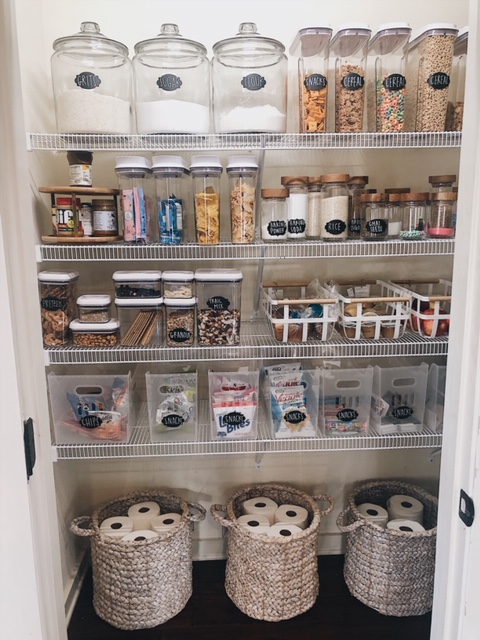
Credit: shegaveitago.com
Frequently Asked Questions
How To Organize A Small Kitchen Pantry?
Start by decluttering and removing expired items. Use clear containers for visibility and group similar items together. Utilize vertical space with stackable shelves or baskets. Label everything for easy access and maintain organization by regularly reassessing and tidying up your pantry.
What Are The Best Containers For Pantry Organization?
Clear, airtight containers are ideal for pantry organization. They keep food fresh and allow you to see contents easily. Stackable containers maximize space, and uniform sizes create a neat look. Opt for BPA-free plastic or glass options for safety and durability.
How Do I Maximize Pantry Space?
Use vertical space by installing additional shelves or using stackable bins. Rotate pantry items regularly to avoid expired goods. Add door organizers for spices or smaller items. Group similar products together and use clear containers for easy identification.
Why Is Labeling Important In Pantry Organization?
Labeling helps quickly identify items, especially in similar containers. It reduces food waste by preventing duplicates and expired products. Labels also assist in maintaining organization, making it easy for everyone in the household to find and return items to their correct place.
Conclusion
Organizing your kitchen pantry is a simple yet rewarding task. Start with clearing out old items. Use containers to group similar foods. Labels help you find things quickly. Arrange items by frequency of use. Keep snacks within easy reach. Store heavier items on lower shelves.
Regularly check and tidy up your pantry. A neat pantry saves time and reduces stress. Enjoy the ease of cooking with a well-organized space. Remember, small steps make a big difference. Your pantry can be both functional and inviting. Dive into organizing today and transform your kitchen experience!

I’m Abby Lu, a passionate home cook who loves simplifying everyday meals. At PlugChef.com, I share product reviews and cooking guides to help you find the best tools for your kitchen.
Related posts:
 What Type of Cooking Utensils are Safe: Expert Picks
 What Innovations Could Blenders Make: Unleashing Future Tech
 Smart Strategies to Organize a Small Kitchen: Maximize Space
 How to Organize a Kitchen Cabinet: Expert Tips & Tricks
 How to Organize Kitchen Drawers: Expert Tips and Tricks
 How to Organize a Corner Kitchen Cupboard: Expert Tips