
Have you ever wondered if your first aid kit is truly ready for an emergency? Knowing how many classes of first aid kits there are can make all the difference when it comes to safety.
Understanding these classes helps you choose the right kit for your home, car, or workplace. You’ll discover the key differences between each class and learn exactly what your kit should contain. Keep reading, because being prepared might just save a life—maybe even yours.
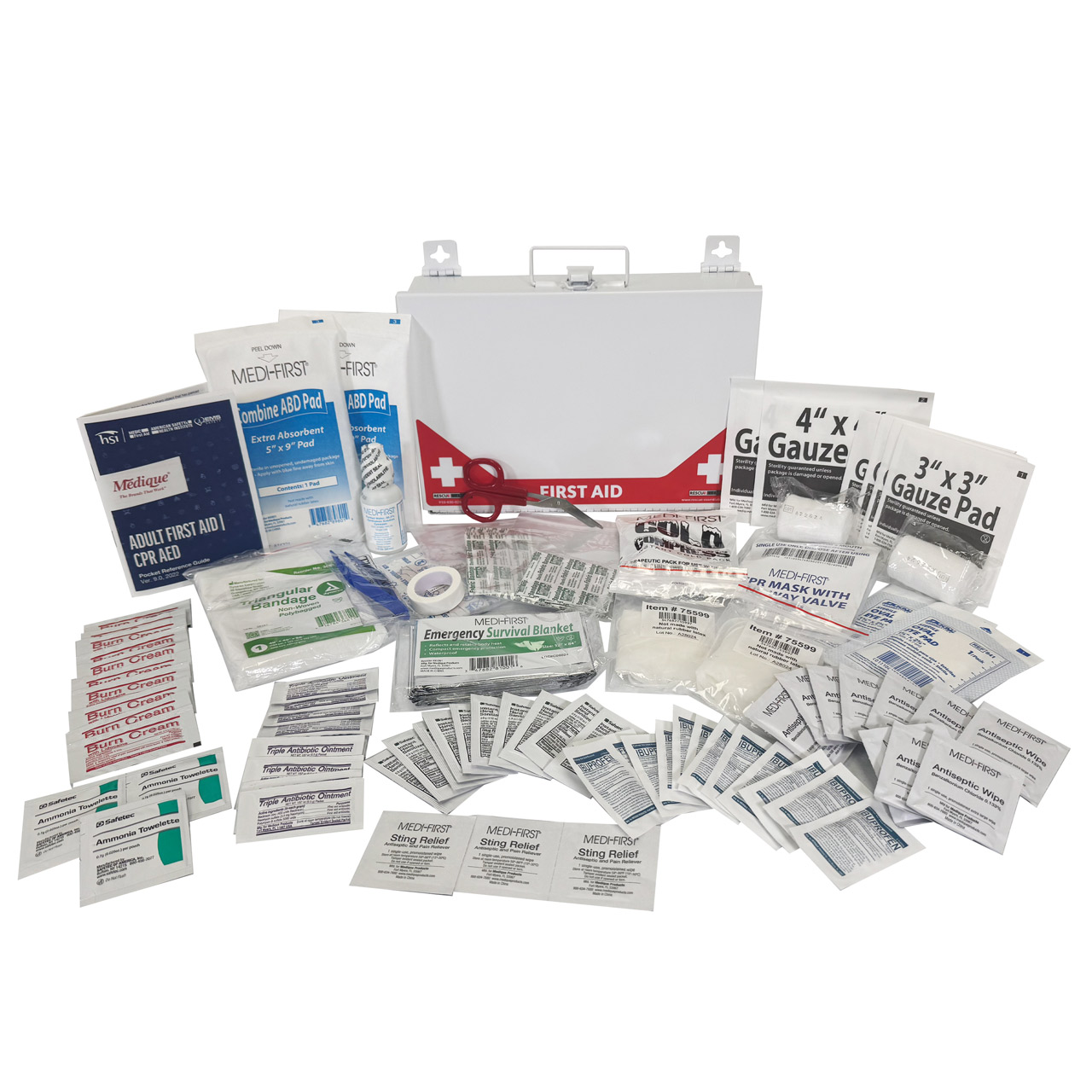
Credit: rescue-essentials.com
Types Of First Aid Kits
First aid kits come in different types. Each type serves a specific need. Knowing these types helps you choose the right kit for the situation. Some kits focus on general emergencies. Others are designed for workplaces or sports. Travel and home kits also have unique features. Below are the main types of first aid kits.
General Purpose Kits
General purpose kits are good for everyday use. They include basic supplies like bandages, antiseptic wipes, and scissors. These kits handle minor cuts, scrapes, and burns. They are compact and easy to carry. Perfect for cars, backpacks, or offices.
Workplace Kits
Workplace kits meet safety rules for businesses. They contain items to treat common work injuries. Examples are burn dressings and eye wash solutions. These kits vary by job type and risk level. They help companies stay safe and prepared.
Sports Kits
Sports kits focus on injuries from physical activities. They include ice packs, elastic bandages, and pain relief sprays. These kits treat sprains, bruises, and muscle strains. They are lightweight and easy to carry to games or practice.
Travel Kits
Travel kits are small and portable. They suit trips, camping, or hiking. These kits have essentials like insect bite cream and motion sickness tablets. They prepare travelers for minor health issues on the go.
Home Kits
Home kits cover a wide range of emergencies. They include supplies for cuts, burns, and allergic reactions. These kits often have more items than other types. Families keep them in accessible places for quick use.

Credit: www.prostatfa.com
Regulatory Standards
Regulatory standards play a key role in defining the types and contents of first aid kits. These rules ensure kits meet safety and health requirements. Compliance with these standards guarantees readiness for workplace emergencies. They guide employers in choosing the right first aid supplies and kits.
Osha Requirements
The Occupational Safety and Health Administration (OSHA) sets clear rules for first aid kits. OSHA requires employers to provide adequate first aid supplies. Kits must be easily accessible and stocked according to workplace hazards. OSHA does not specify exact kit classes but refers to the American National Standards Institute (ANSI) standards. Employers must assess their work environment to decide the proper kit type.
Ansi Standards
The American National Standards Institute (ANSI) defines specific classes of first aid kits. These classes are based on the number of employees and the risk level of the workplace. ANSI classifies kits into Class A, Class B, and sometimes Class C. Class A kits suit low-risk workplaces with fewer employees. Class B kits contain more supplies for higher-risk or larger workplaces. ANSI standards detail the exact items each kit must contain, ensuring proper preparedness.
Components Of First Aid Kits
First aid kits contain items to help treat injuries quickly. The components differ based on the kit’s class and purpose. Knowing what each kit holds helps you prepare for emergencies effectively.
These kits usually include basic supplies for minor injuries and advanced tools for serious cases. Understanding these components can guide you in choosing the right kit.
Basic Supplies
- Adhesive bandages in various sizes
- Sterile gauze pads and adhesive tape
- Antiseptic wipes and antibiotic ointment
- Scissors and tweezers
- Disposable gloves for hygiene
- Elastic bandages for sprains
- Instant cold packs to reduce swelling
- CPR face shield or mask
Basic supplies handle cuts, scrapes, bruises, and minor burns. They are essential for homes, schools, and workplaces.
Advanced Medical Equipment
- Emergency airway tools like oropharyngeal airways
- Tourniquets to control severe bleeding
- Burn dressings and sterile burn sheets
- Splints for immobilizing broken bones
- Pulse oximeters to monitor oxygen levels
- CPR masks with valves for safer resuscitation
- Medications such as pain relievers and antihistamines
- Instruction manuals for medical procedures
Advanced equipment suits professionals and high-risk environments. These tools help manage serious injuries until expert help arrives.

Credit: certifiedsafetymfg.com
Specialized Kits
Specialized first aid kits are designed to meet specific needs beyond general emergency care. These kits contain items tailored for unique environments or situations where typical first aid supplies might fall short. Understanding these can help you choose the right kit for your activities or profession.
Military Kits
Military first aid kits are built to handle severe injuries often encountered in combat or tactical scenarios. They include advanced supplies like tourniquets, hemostatic agents, and chest seals. If you’ve ever wondered how soldiers manage serious wounds in the field, these kits provide the tools needed to stabilize injuries until professional help arrives.
Marine Kits
Marine first aid kits focus on injuries and emergencies common on boats and near water. They often contain waterproof bandages, seasickness remedies, and items to treat hypothermia. If you spend time on the water, having a kit designed for marine conditions can make a big difference in a crisis.
Automotive Kits
Automotive first aid kits are compact and designed for car-related emergencies. These kits usually include items like burn dressings, emergency blankets, and tools to manage cuts or bruises from accidents. Keeping one in your vehicle can give you peace of mind during unexpected roadside incidents.
Choosing The Right Kit
Choosing the right first aid kit is key to handling emergencies well. The kit must fit your specific needs and surroundings. A properly chosen kit provides quick access to essential supplies. It makes treatment simpler and faster. Understanding how to select the best kit helps you stay prepared.
Assessing Needs
Think about who will use the kit. Adults, children, or both? Consider any special medical conditions like allergies or asthma. The kit should include items for these conditions. Also, think about the number of people the kit must serve. More people mean more supplies are needed.
Consider the types of injuries likely in your situation. Minor cuts, burns, or sprains require basic supplies. More serious risks need advanced items. This helps you pick the right class of first aid kit. It ensures the kit matches your emergency needs.
Environment Considerations
The environment where the kit will be used matters. Outdoor areas may need insect bite cream or sunburn relief. Workplaces might require burn dressings or eye wash. Vehicles need compact kits for quick access. Home kits can be larger and more comprehensive.
Think about the climate too. Hot, cold, or humid places affect what supplies last. Some items need special storage to stay effective. Choose a kit designed for your environment to keep supplies safe and usable.
Maintaining Your First Aid Kit
Maintaining your first aid kit ensures it works well in emergencies. A well-kept kit saves time and protects health. Regular care keeps supplies ready and useful.
Regular Updates
Check your first aid kit every few months. Replace expired medicines and used items. Look for broken packaging or wet materials. Add new supplies based on your needs. Keep a list of items to track changes.
Proper Storage
Store your first aid kit in a dry, cool place. Avoid direct sunlight or damp areas. Use a sturdy, easy-to-open container. Keep it where everyone can find it fast. Label the kit clearly for quick access.
Frequently Asked Questions
How Many Classes Of First Aid Kits Exist?
There are typically three main classes of first aid kits: Class A, Class B, and Class C. Each class is designed for different risk levels and environments, ranging from basic office settings to high-risk industrial sites.
What Distinguishes Each Class Of First Aid Kit?
Class A kits cover common workplace injuries, Class B suits more complex injuries in high-risk areas, and Class C is for specialized industrial environments. The contents increase in quantity and variety based on the class.
Which Class Of First Aid Kit Suits Office Environments?
Class A first aid kits are ideal for office environments. They contain basic supplies for minor injuries like cuts, scrapes, and burns commonly encountered in offices.
Are There Legal Requirements For First Aid Kit Classes?
Yes, many regions have regulations specifying which class of first aid kit is required based on workplace risk. Compliance ensures safety and legal adherence.
Conclusion
Knowing the different classes of first aid kits helps you prepare better. Each class serves a unique need and situation. Choose the right kit for your home, car, or workplace. Keep your kit stocked and easy to reach. Being ready can make a big difference during emergencies.
Stay safe and keep your first aid kit updated. Simple steps can protect you and your loved ones. First aid knowledge is a valuable skill for everyone.

I’m Abby Lu, a passionate home cook who loves simplifying everyday meals. At PlugChef.com, I share product reviews and cooking guides to help you find the best tools for your kitchen.
Related posts:
 What Type of Cooking Utensils are Safe: Expert Picks
 What Innovations Could Blenders Make: Unleashing Future Tech
 Smart Strategies to Organize a Small Kitchen: Maximize Space
 How to Organize a Kitchen Cabinet: Expert Tips & Tricks
 How to Organize Kitchen Drawers: Expert Tips and Tricks
 How to Organize a Corner Kitchen Cupboard: Expert Tips