
Are you wondering how long to cook mahi to get that perfect, flaky texture every time? Cooking mahi can be tricky—too little time and it’s undercooked; too long and it becomes dry and tough.
You want your mahi to be tender, juicy, and full of flavor. You’ll discover simple tips and exact cooking times that will help you nail it every time. Keep reading to make your mahi dishes delicious and impress everyone at your table.

Credit: manmeetsoven.com
Choosing Fresh Mahi
Choosing fresh mahi is the first step to cooking a delicious meal. The quality of your fish directly affects the flavor and texture after cooking. Knowing how to spot fresh mahi ensures you get the best results every time.
Identifying Quality Fish
Look for mahi with bright, clear eyes. Cloudy or sunken eyes usually mean the fish isn’t fresh.
Check the skin—it should be shiny and moist, not dull or dry. Fresh mahi has firm flesh that springs back when pressed gently.
A strong, fishy smell is a red flag. Fresh mahi should smell clean, almost like the ocean, not sour or ammonia-like.
Fresh Vs Frozen Mahi
Fresh mahi can offer a better texture, but frozen mahi is often flash-frozen right after being caught, locking in freshness.
If you choose frozen, thaw it slowly in the refrigerator to keep the texture firm. Avoid thawing at room temperature, which can cause uneven thawing and spoilage.
Frozen mahi is a practical option if you want to keep fish on hand without worrying about spoilage. However, always check the packaging date and look for any ice crystals, which indicate freezer burn and lower quality.
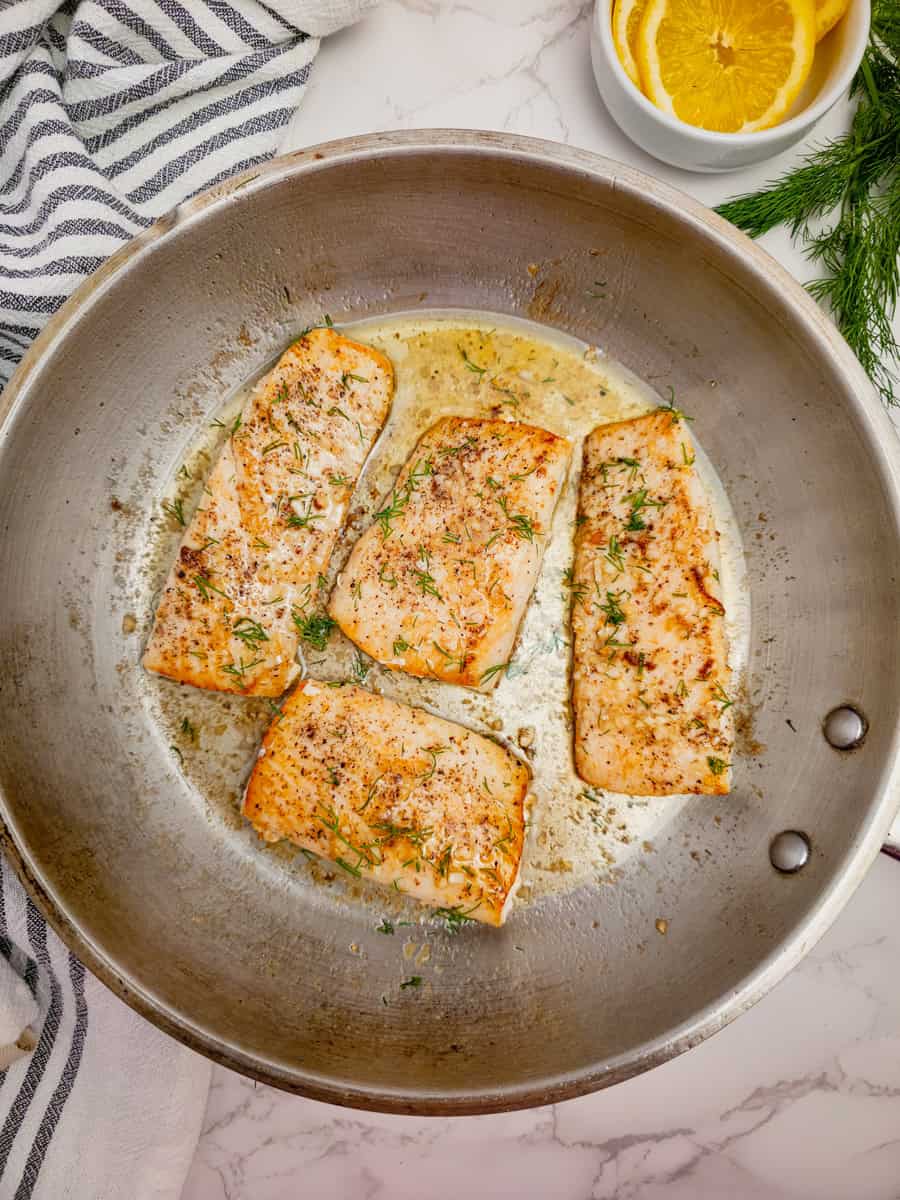
Credit: simplyscratchmade.com
Factors Affecting Cooking Time
Cooking mahi mahi perfectly depends on several factors. Each factor changes how fast or slow the fish cooks. Knowing these helps achieve tender, juicy results every time. Pay attention to the fillet size, cooking style, and heat level. These details make a big difference in cooking time.
Thickness Of The Fillet
Thicker fillets take longer to cook through. Thin slices may only need a few minutes per side. Thick cuts can require extra time to reach the center. Measure the thickness to estimate cooking time better. A general rule: cook about 10 minutes per inch of thickness.
Cooking Method Variations
Different cooking methods use heat in unique ways. Grilling exposes fish to direct high heat. Baking cooks the fish more evenly but slower. Pan-searing gives a crispy crust quickly. Each method changes how heat moves through the mahi. Choose the method that fits your time and texture preference.
Temperature Considerations
Heat level controls how fast the fish cooks. High heat cooks faster but risks drying out the fish. Medium heat offers more control and even cooking. Oven temperature also matters for baked mahi mahi. Aim for a balance that cooks the fish fully but keeps it moist.
Grilling Mahi
Grill mahi for about 3 to 4 minutes on each side until it flakes easily with a fork. Avoid overcooking to keep it moist and tender. Use medium-high heat for best results.
Grilling mahi-mahi brings out its natural flavors, creating a delightful meal. This fish is perfect for grilling, thanks to its firm texture. With the right technique, you can enjoy a savory and satisfying dish. Below are essential tips to ensure your grilled mahi turns out perfectly.Preparation Tips
Before grilling, pat the mahi dry with paper towels. This helps achieve a good sear. Season with salt, pepper, and your favorite herbs. Some prefer a squeeze of lemon for added freshness. Lightly oil the grill grates to prevent sticking. Preheat your grill to medium-high heat for best results.Ideal Grill Time
Grill mahi for about 4-5 minutes per side. This timing works well for fillets around an inch thick. Thicker pieces may need a minute or two longer. Flip the fish gently to avoid breaking it apart. Keep a close eye to prevent overcooking.Signs Of Doneness
Mahi is done when it turns opaque and flakes easily. Use a fork to check for flakiness. The internal temperature should reach 137°F for safety. Overcooked mahi becomes dry, so remove it from heat promptly. Let it rest for a few minutes before serving. Enjoy the rich, grilled flavor with your favorite sides.Baking Mahi
Baking mahi mahi is a straightforward way to enjoy this firm, flavorful fish. It locks in moisture and allows you to add your favorite seasonings easily. Getting the oven settings and cooking duration right ensures a perfectly tender and flaky result every time.
Oven Settings
Set your oven to 375°F (190°C) for even cooking. This temperature balances between cooking the fish through without drying it out. If you prefer a slightly crispier texture on top, you can broil for the last 1-2 minutes, but watch it closely to avoid burning.
Cooking Duration
The general rule is to bake mahi mahi for about 10 minutes per inch of thickness. A typical fillet takes around 12-15 minutes in the oven. Use a fork to check if the fish flakes easily; that’s your sign it’s done.
Overcooking can make the fish tough, so keep a close eye during the last few minutes. Have you ever ruined a perfectly good fillet by leaving it in too long? It’s a common kitchen mishap, but timing will save your dinner.
Flavor Enhancements
Before baking, brush the mahi with olive oil or melted butter to add richness and help the seasonings stick. Try sprinkling with garlic powder, smoked paprika, or lemon zest to boost flavor without overpowering the fish.
Adding fresh herbs like thyme or parsley right before serving brightens the dish. Don’t underestimate the power of a squeeze of fresh lemon juice after baking—it wakes up all the flavors instantly.
Pan-seared Mahi
Pan-searing mahi is a fantastic way to enjoy this mild, flaky fish with a crisp, golden exterior. The technique locks in flavor and moisture, giving you a deliciously tender bite every time. But the key to perfect pan-seared mahi lies in understanding your tools, timing, and moisture control.
Choosing The Right Pan
Pick a heavy-bottomed skillet or cast iron pan for even heat distribution. Non-stick pans can work, but they often don’t develop the same crust that makes seared mahi special.
Make sure your pan is large enough to hold the fillets without crowding. Crowding traps steam and prevents that sought-after sear.
Searing Time
Heat the pan over medium-high heat until it’s hot but not smoking. Add a small amount of oil with a high smoke point, like avocado or grapeseed oil.
Place the mahi fillets skin-side down (if skin-on) and cook for about 3-4 minutes per side. The exact time depends on thickness—thicker pieces might need an extra minute.
Look for a golden-brown crust before flipping. Resist the urge to move the fish around; patience pays off here.
Maintaining Moisture
Overcooking dries out mahi quickly, so watch the clock and use a thermometer if you can. Aim for an internal temperature around 130°F (54°C) for a juicy finish.
Rest the fish for a few minutes after cooking; this lets the juices redistribute. Adding a squeeze of fresh lemon or a pat of herb butter at the end can enhance moisture and flavor.
Have you ever had mahi that turned tough or dry? Controlling searing time and heat is your best defense against that common pitfall.
Broiling Mahi
Broiling mahi is a fast and flavorful way to cook this firm fish. The high heat of the broiler cooks the fish quickly, giving it a slightly crispy outside while keeping the inside moist. This method is perfect for those who want a simple yet tasty meal without much fuss.
Broiler Setup
Place the oven rack about 4 to 6 inches from the broiler element. Preheat the broiler for 5 minutes to get it hot. Use a broiler pan or a baking sheet lined with foil. Lightly oil the pan or brush the mahi with oil to prevent sticking.
Timing For Flakiness
Broil mahi for about 4 to 6 minutes per side. The cooking time depends on the thickness of the fillet. Look for the fish to turn opaque and flake easily with a fork. Thinner pieces may cook faster, so check often.
Avoiding Overcooking
Overcooked mahi becomes dry and tough. Remove the fish from the heat as soon as it flakes easily. Let it rest for a minute; carryover heat will finish cooking. Keep a close eye on the fish during broiling to prevent this.
Using A Thermometer
Using a thermometer takes the guesswork out of cooking mahi. It helps ensure the fish is perfectly cooked, moist, and safe to eat. This tool gives a quick and clear reading of the fish’s internal temperature. It is the best way to avoid overcooking or undercooking mahi.
Target Internal Temperature
The ideal internal temperature for mahi is 145°F (63°C). At this temperature, the fish is opaque and flakes easily with a fork. Cooking mahi to this temperature kills harmful bacteria. It also keeps the texture tender and juicy. Avoid going much higher to prevent dry, tough fish.
How To Measure Accurately
- Insert the thermometer into the thickest part of the fish.
- Avoid touching bones or the pan for an accurate reading.
- Wait a few seconds until the temperature stabilizes on the display.
- Check the temperature before removing the fish from heat.
- Clean the thermometer probe between uses to keep it hygienic.
Credit: www.thekitchn.com
Resting And Serving
Resting and serving mahi mahi properly enhances its flavor and texture. Allow the fish to rest after cooking. This step helps the juices settle inside, making each bite juicy and tender. Serving mahi mahi with the right presentation and sides elevates the meal experience.
Allowing Fish To Rest
Rest mahi mahi for about 3 to 5 minutes. Place it on a warm plate and cover loosely with foil. This pause stops the cooking process and keeps the fish moist. Avoid cutting or moving the fish too soon. Let the natural juices redistribute for better taste.
Presentation Tips
Use a clean white plate to highlight the fish’s color. Arrange the mahi mahi neatly in the center. Garnish with fresh herbs like parsley or cilantro. Add a lemon wedge for a splash of brightness. Keep the presentation simple and inviting.
Complementary Side Dishes
Pair mahi mahi with light, fresh sides. Consider steamed vegetables such as asparagus or green beans. A small serving of rice or quinoa adds texture and balance. Fresh salads with citrus dressing brighten the plate. These sides complement the fish without overpowering it.
Frequently Asked Questions
How Long Does It Take To Cook Mahi Mahi Fillets?
Mahi mahi fillets typically cook in 8 to 10 minutes. Cook over medium heat until the fish flakes easily with a fork. Avoid overcooking to keep the meat moist and tender.
What Is The Ideal Internal Temperature For Cooked Mahi?
The ideal internal temperature for mahi mahi is 145°F (63°C). Use a food thermometer to check doneness. This ensures the fish is safe to eat and perfectly cooked.
Can I Grill Mahi Mahi, And How Long Does It Take?
Yes, grilling mahi mahi takes about 4 to 5 minutes per side. Preheat the grill to medium-high heat. Cook until the fish develops grill marks and flakes easily.
How Long Should Frozen Mahi Mahi Cook Compared To Fresh?
Frozen mahi mahi requires about 1 to 2 minutes longer cooking time. Thaw it completely before cooking for even heat distribution. Adjust timing to avoid undercooked or dry fish.
Conclusion
Cooking mahi takes just a few minutes for perfect results. Overcooking can make it dry and tough. Keep an eye on the time and use a thermometer if you can. Aim for an internal temperature of 140°F to 145°F. This keeps the fish moist and tender.
Simple tips help you enjoy mahi every time. Now, you can cook mahi confidently and enjoy a delicious meal.

Hi, I’m Daniel Brooks—a food lover and kitchen gear enthusiast. I enjoy testing cookware, utensils, and gadgets to see what really works in everyday cooking. At PlugChef.com, I share honest reviews, comparisons, and simple guides to help you choose the best tools for a safer, smarter, and more enjoyable kitchen.
Related posts:
 What Type of Cooking Utensils are Safe: Expert Picks
 What Innovations Could Blenders Make: Unleashing Future Tech
 Smart Strategies to Organize a Small Kitchen: Maximize Space
 How to Organize a Kitchen Cabinet: Expert Tips & Tricks
 How to Organize Kitchen Drawers: Expert Tips and Tricks
 How to Organize a Corner Kitchen Cupboard: Expert Tips