

Have you ever opened your fridge to find grapes that look less fresh than you hoped? You’re not alone.
Knowing exactly how long grapes last can save you from wasting food and money. You’ll discover simple tips to keep your grapes fresh longer and learn the signs that tell you when it’s time to toss them. Stick with me, and you’ll never have to guess if your grapes are still good again.

Credit: www.express.co.uk
Shelf Life Of Grapes
Knowing how long grapes last can save you money and reduce waste. Grapes are delicate fruits that spoil quickly if not stored properly. Understanding their shelf life under different conditions helps you enjoy them at their best.
Fresh Grapes At Room Temperature
Fresh grapes left out at room temperature usually last about 1 to 2 days. They can quickly become soft and lose their flavor if kept out longer. If you want to keep them fresh, avoid washing grapes before storing at room temperature because moisture speeds up spoilage.
Refrigerated Grapes
Refrigerating grapes can extend their freshness to about 5 to 7 days. Keep them in a breathable container or a perforated plastic bag to prevent moisture buildup. I once kept grapes in the fridge for a full week, and they stayed crisp and juicy, proving refrigeration really works.
Frozen Grapes Duration
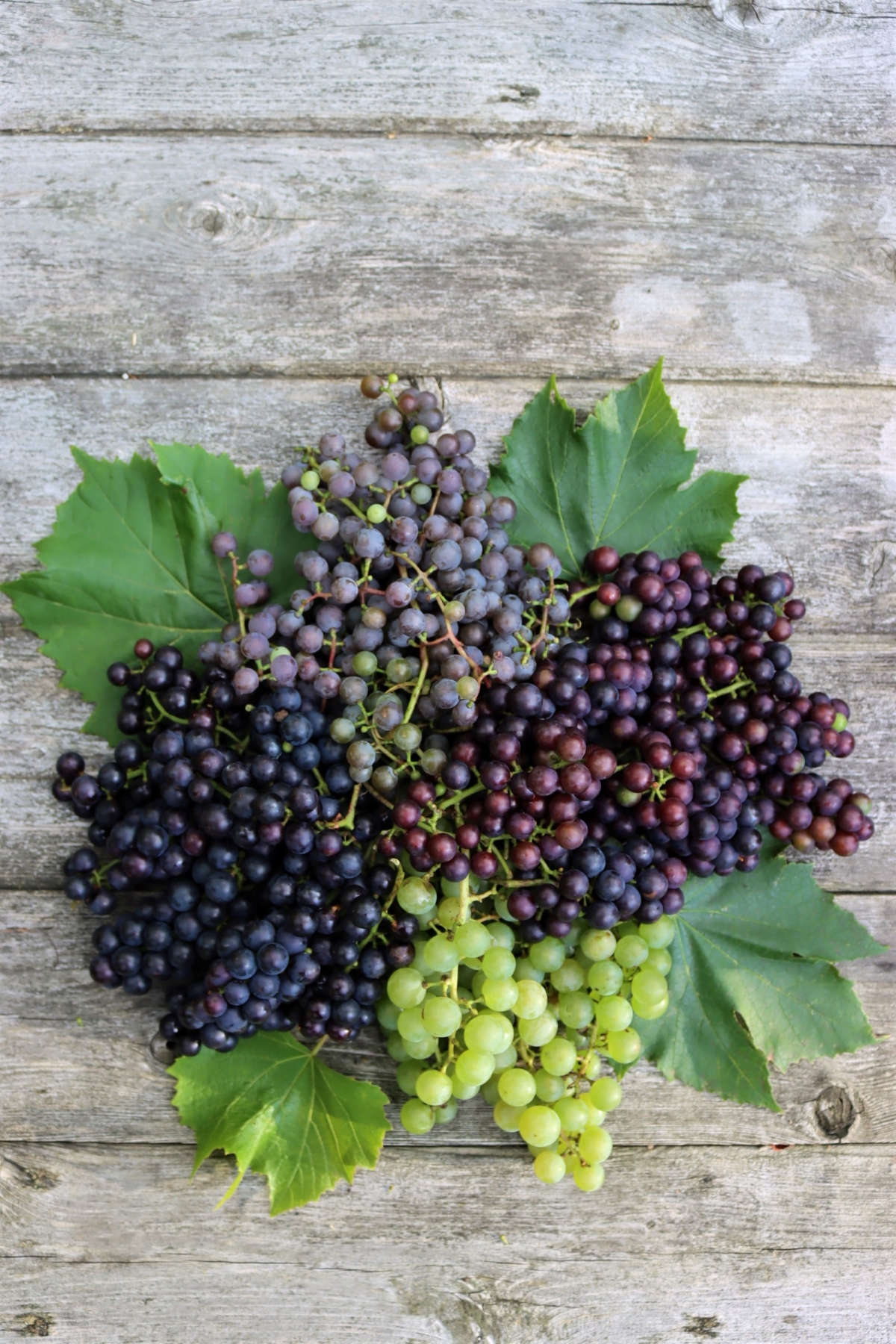
Frozen grapes can last up to 12 months without losing quality. They make a great cold snack or smoothie ingredient. Just wash and dry them completely before freezing to avoid clumping, and store them in an airtight container or freezer bag for best results.
Credit: practicalselfreliance.com
Factors Affecting Grape Freshness
Understanding what affects grape freshness can help you enjoy them longer and reduce waste. Several factors play a role in how long grapes stay fresh, from how you store them to their natural characteristics. Knowing these details lets you make smarter choices in buying and caring for your grapes.
Storage Conditions
The way you store grapes has a big impact on their lifespan. Grapes last longer when kept cool, ideally in the refrigerator at around 32°F to 40°F (0°C to 4°C). Avoid washing grapes before storing because moisture speeds up spoilage. Instead, wash them right before eating.
Air circulation matters too. Keep grapes in a breathable container or perforated bag to prevent mold growth. Have you ever noticed grapes turning mushy when left out on the counter? That’s because warmth and humidity make them spoil faster.
Grape Variety
Different grape types have different shelf lives. For example, firm varieties like Thompson Seedless tend to last longer than softer types like Red Globe. The skin thickness also affects freshness; thicker-skinned grapes resist damage and dehydration better.
Next time you pick grapes, think about how long you need them to last. If you want grapes for a week or more, choosing a sturdy variety can save you from disappointment. Have you tried different kinds and noticed how some stay fresh longer?
Handling And Packaging
How grapes are handled from the store to your home plays a huge role in keeping them fresh. Rough handling can bruise grapes, leading to quick spoilage. Always check for damaged or moldy grapes before buying, as they can affect the rest.
Packaging that cushions grapes and prevents crushing helps maintain freshness. Clamshell containers with ventilation holes are common and effective. When you bring grapes home, transferring them carefully to similar packaging or a breathable container can extend their life.
Signs Of Spoiled Grapes
Grapes that look shriveled or have soft spots are often spoiled. A sour smell or sticky texture also signals they are no longer good to eat.
Noticing when your grapes have gone bad can save you from a less-than-pleasant experience. Grapes may seem sturdy, but they have a limited shelf life. Understanding the signs of spoiled grapes can help you enjoy them at their freshest. Let’s explore how you can tell if your grapes have turned from a sweet delight into a spoiled mess.Visual Indicators
One of the first things you’ll notice is a change in appearance. Fresh grapes have a vibrant color, whether they are red, green, or black. Watch out for grapes that have turned brown or have developed unusual spots. Mold is another visual sign. It often appears as a white or gray fuzz, particularly around the stem area. If you spot mold, it’s best to discard the entire bunch.Texture Changes
Texture is a crucial factor in determining grape freshness. Fresh grapes should be firm and plump. If you pick one up and it feels soft or mushy, it’s likely past its prime. Shriveled or wrinkled skin is another indicator that your grapes are on their way out. While they might still be edible, the taste and texture won’t be as enjoyable.Off Smell Detection
Trust your nose. Fresh grapes have a mild, sweet aroma. If you detect a sour or fermented smell, it’s a sign your grapes have spoiled. Sometimes, the smell can be subtle. So, take a moment to sniff them if you’re unsure. This simple step can prevent you from biting into a spoiled grape and save your taste buds from an unpleasant surprise. Have you ever bitten into a grape expecting sweetness, only to be greeted by an off taste? Share your grape experiences in the comments below. What signs do you look for when checking the freshness of your grapes?Best Storage Practices
Proper storage helps grapes stay fresh longer. Keeping grapes in the right conditions preserves their taste and texture. Simple steps can prevent spoilage and waste. Follow these storage practices to enjoy grapes at their best.
Optimal Temperature And Humidity
Grapes last longest when stored at cool temperatures. The ideal range is between 30°F and 32°F (-1°C to 0°C). High humidity, around 90-95%, keeps grapes plump and juicy. Avoid storing grapes near fruits that produce ethylene gas. This gas speeds up ripening and spoilage.
Proper Packaging Tips
Use breathable containers to store grapes. Plastic bags with small holes or perforated containers work well. Avoid tightly sealed bags that trap moisture. Keep grapes in their original packaging if it has ventilation. Place a paper towel inside to absorb excess moisture. Handle grapes gently to avoid bruising.
Avoiding Moisture And Mold
Moisture causes mold growth on grapes. Always dry grapes before storing. Wash grapes only before eating, not before storage. Check grapes daily and remove any spoiled ones. Store grapes away from wet areas in the fridge. Proper air circulation reduces the risk of mold.
Extending Grape Freshness
Keeping grapes fresh can be a challenge, especially when you want to enjoy them over several days. Extending their freshness not only prevents waste but also ensures you always have that sweet, juicy snack ready. Small changes in how you handle and store grapes can make a big difference.
Freezing Techniques
Freezing grapes is a simple way to preserve them for months. Rinse and dry the grapes thoroughly to avoid ice crystals forming. Spread them out on a baking sheet and freeze individually before transferring to a sealed bag or container.
Frozen grapes make a refreshing treat on hot days and can be added to smoothies without thawing. Have you tried this? It’s a great way to enjoy grapes beyond their usual shelf life.
Using Vinegar Wash
To kill bacteria and mold spores, soak your grapes in a vinegar wash. Mix one part vinegar with three parts water and soak the grapes for 5 minutes. Rinse them well under cold water and dry completely before storing.
This simple step can significantly slow down spoilage. It’s a trick I started using after noticing grapes would go bad too fast in my fridge.
Storing Grapes In Containers
How you store grapes matters a lot. Use breathable containers or perforated plastic bags to allow air circulation. Avoid airtight containers, which trap moisture and speed up spoilage.
Keep grapes in the coldest part of your fridge but away from strong-smelling foods to maintain their flavor. Have you checked if your container choice is helping or hurting your grapes’ freshness?

Credit: parade.com
Using Grapes Beyond Fresh Consumption
Grapes do not have to be eaten only fresh. You can extend their life by turning them into other tasty forms. Using grapes beyond fresh eating helps reduce waste and enjoy their flavor longer. Several simple methods can preserve grapes and keep their sweet taste.
Making Jams And Jellies
Grapes make delicious jams and jellies. Cooking them with sugar and pectin creates a spreadable treat. These preserves last much longer than fresh grapes.
- Wash grapes and remove stems.
- Crush grapes to release juice.
- Cook with sugar until thickened.
- Pour into sterilized jars and seal.
Store jams in a cool, dark place. They make great toppings for bread and desserts.
Dehydrating For Raisins
Drying grapes turns them into raisins. This process concentrates their sweetness and preserves them for months. Use a food dehydrator or oven at low heat.
- Wash grapes and pat dry.
- Place grapes on dehydrator trays or baking sheets.
- Dry at 135°F (57°C) for 24 to 48 hours.
- Check for chewy texture and no moisture.
Store raisins in airtight containers. Use in snacks or baking recipes.
Incorporating Into Recipes
Grapes add a fresh, juicy touch to many dishes. Use them in salads, sauces, and desserts. Their sweetness balances savory flavors well.
- Add halved grapes to green or chicken salads.
- Cook grapes down for sauces with meats like pork or chicken.
- Mix grapes into yogurt or cottage cheese for breakfast.
Using grapes in recipes lets you enjoy their flavor beyond snacking.
Frequently Asked Questions
How Long Do Grapes Last In The Refrigerator?
Grapes typically last 1 to 2 weeks in the refrigerator. Store them unwashed in a breathable container to maintain freshness. Keep grapes dry to prevent mold and spoilage.
Can Grapes Last Longer If Frozen?
Yes, grapes can last up to 6 months when frozen. Wash and dry grapes thoroughly, then freeze in a single layer. Frozen grapes make a healthy snack and last much longer.
How Can I Tell If Grapes Have Gone Bad?
Spoiled grapes appear shriveled, soft, or moldy with an off smell. Discard any grapes with these signs to avoid consuming spoiled fruit.
Do Grapes Spoil Faster At Room Temperature?
Yes, grapes spoil faster at room temperature, lasting only 1 to 2 days. Refrigeration significantly extends their freshness and shelf life. Always store grapes in a cool place.
Conclusion
Grapes stay fresh longer when stored properly. Keep them in the fridge to slow spoilage. Wash grapes just before eating to avoid mold. Check grapes often and remove any soft ones. Fresh grapes taste better and last longer this way.
Enjoy grapes within a week for best flavor. Knowing how long grapes last helps reduce waste. Simple care keeps grapes delicious and ready to eat. Store smart and enjoy sweet, juicy grapes anytime.

Hi, I’m Daniel Brooks—a food lover and kitchen gear enthusiast. I enjoy testing cookware, utensils, and gadgets to see what really works in everyday cooking. At PlugChef.com, I share honest reviews, comparisons, and simple guides to help you choose the best tools for a safer, smarter, and more enjoyable kitchen.
Related posts:
 What Type of Cooking Utensils are Safe: Expert Picks
 What Innovations Could Blenders Make: Unleashing Future Tech
 Smart Strategies to Organize a Small Kitchen: Maximize Space
 How to Organize a Kitchen Cabinet: Expert Tips & Tricks
 How to Organize Kitchen Drawers: Expert Tips and Tricks
 How to Organize a Corner Kitchen Cupboard: Expert Tips

