
Picture this: you’ve uncorked a bottle of your favorite wine, savored a glass or two, and then carefully re-corked it for another day. But now, you’re wondering how long that bottle will stay fresh.
You’re not alone. Many wine lovers like you grapple with this question. The answer can affect the taste of your next sip and the enjoyment of your wine experience. As you delve into the world of opened bottles, you’ll uncover not just the timeline but also the secrets to preserving the flavors you adore.
Don’t let your wine go to waste—discover how you can maximize its lifespan and savor every drop. Stay with us as we reveal tips and tricks that will transform your wine nights into perfect moments.
Credit: www.decanterchina.com
Factors Affecting Wine Longevity
Opening a bottle of wine is a delightful experience, but once the cork is out, a clock starts ticking on its freshness. How long can you keep an open bottle of wine? The answer depends on several factors that significantly affect its longevity. Let’s dive into these factors to help you enjoy your wine at its best.
Wine Type And Varietal
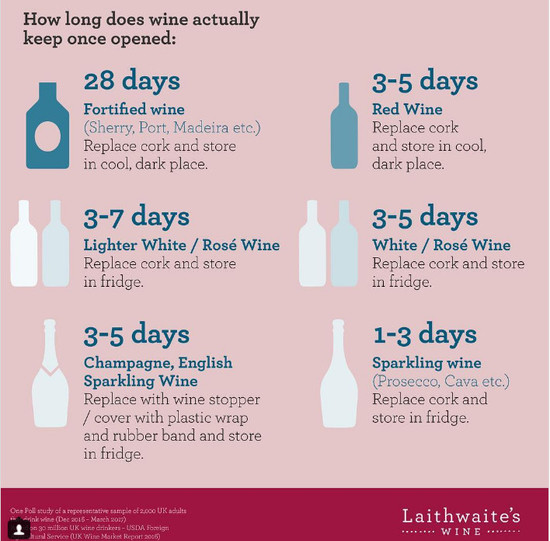
Different types of wine have varying shelf lives once opened. For instance, red wines generally last longer than white wines because of their tannin content, which acts as a natural preservative. If you love sparkling wines, be ready to finish them sooner as they lose their fizz rapidly, often within one to three days.
Your wine’s varietal also matters. A robust Cabernet Sauvignon might hold up for a few days longer than a delicate Pinot Noir. Consider what type of wine you prefer and plan accordingly for those nights when you want just one glass.
Storage Conditions
How you store your opened wine plays a crucial role in its longevity. Keeping it in a cool, dark place is essential, as heat and light accelerate oxidation. Refrigeration can extend the life of both red and white wines, even if you’re not used to chilling reds.
Using a wine stopper or vacuum pump to remove air from the bottle can also help preserve the wine. Do you have a spot in your fridge or a wine cooler for your opened bottles? If not, consider making room; it can make a noticeable difference.
Wine Quality And Age
High-quality wines often age well and can maintain their taste for a more extended period once opened. If you’ve splurged on a vintage bottle, it might reward you with a couple of extra days of enjoyment. However, lower-quality wines may deteriorate quickly, sometimes in just a day or two.
Age matters too. Older wines, especially reds, may already be approaching their peak flavor, making them more sensitive to oxidation. Have you ever noticed how a wine that tasted fine yesterday seems off today? It might be due to its age and quality.
Balancing these factors can help you make the most of your open bottles. Whether you’re savoring a special occasion wine or enjoying a casual glass, understanding wine longevity can enhance your experience. So, next time you open a bottle, ask yourself: What can I do to make this wine last longer?
Signs Of Spoiled Wine
Wine is a timeless beverage, but it’s not immune to the ravages of time once the bottle is opened. Understanding the signs of spoiled wine can save you from an unpleasant tasting experience. Let’s explore how you can identify when your wine has gone bad.
Changes In Aroma
One of the first signs that your wine might be spoiled is a change in its aroma. Fresh wine typically has a pleasant and inviting scent, but if it’s past its prime, you may notice an off-putting smell. If you catch a whiff of vinegar or a musty odor, it’s a clear indicator that the wine is no longer suitable for drinking. Have you ever opened a bottle that smelled more like wet cardboard than grapes? That’s spoilage at work.
Alterations In Taste
Your taste buds are excellent detectives when it comes to spoiled wine. If the wine tastes flat or sour, it has likely been compromised. A spoiled bottle might also have a bitter or sharp taste, unlike the smooth flavors you expect. Imagine sipping what was once your favorite Chardonnay, only to find it tastes more like an unpleasant concoction. It’s a sure sign to pour it down the sink.
Visual Indicators
Sometimes, your eyes can spot spoilage before your nose or tongue. Look out for changes in color. Red wines might turn brown, while white wines could take on a murky hue. Additionally, sediments or cloudy appearance can signal that the wine is no longer fresh. Have you ever poured a glass and noticed unexpected particles floating around? That’s a clue your wine is past its best.
When you open a bottle, pay attention to these signs. They can save you from disappointment and help you make the most of your wine collection. Next time you reach for that bottle, ask yourself: is it time to savor or time to say goodbye?
Proper Storage Techniques
Proper storage techniques can significantly extend the life of your open bottle of wine. You might be surprised at how a few simple methods can preserve its flavor and aroma. Imagine sipping a glass that tastes as fresh as the day you opened it, even after a few days!
Refrigeration Tips
Keeping your wine chilled is crucial. The cool temperature slows down the oxidation process. Always place your open bottle in the fridge, even if it’s red wine. Yes, reds can handle a bit of chill, and you’ll enjoy them better for it. I’ve found that storing them upright prevents spills and keeps the cork from drying out.
Using Wine Preservers
Wine preservers are game-changers. They can be simple vacuum pumps or more advanced systems with argon gas. These tools remove air from the bottle, reducing oxygen exposure. Have you ever tried one? It’s fascinating to see how they maintain the wine’s quality. If you entertain often, investing in a good wine preserver can be a wise choice.
Optimal Container Choice
Choosing the right container is essential. If you can’t finish the bottle, transfer the remaining wine to a smaller bottle. This reduces the air inside, slowing down the spoilage. A clean, airtight container works wonders. Have you noticed how some restaurants use smaller bottles for leftover wine? It helps keep the flavor intact for their next pour.
These techniques can save you from pouring money down the drain. Which method will you try first? Your next glass of wine could be as delightful as the first sip!
Credit: www.coravin.com
Expert Advice On Consumption Timeframes
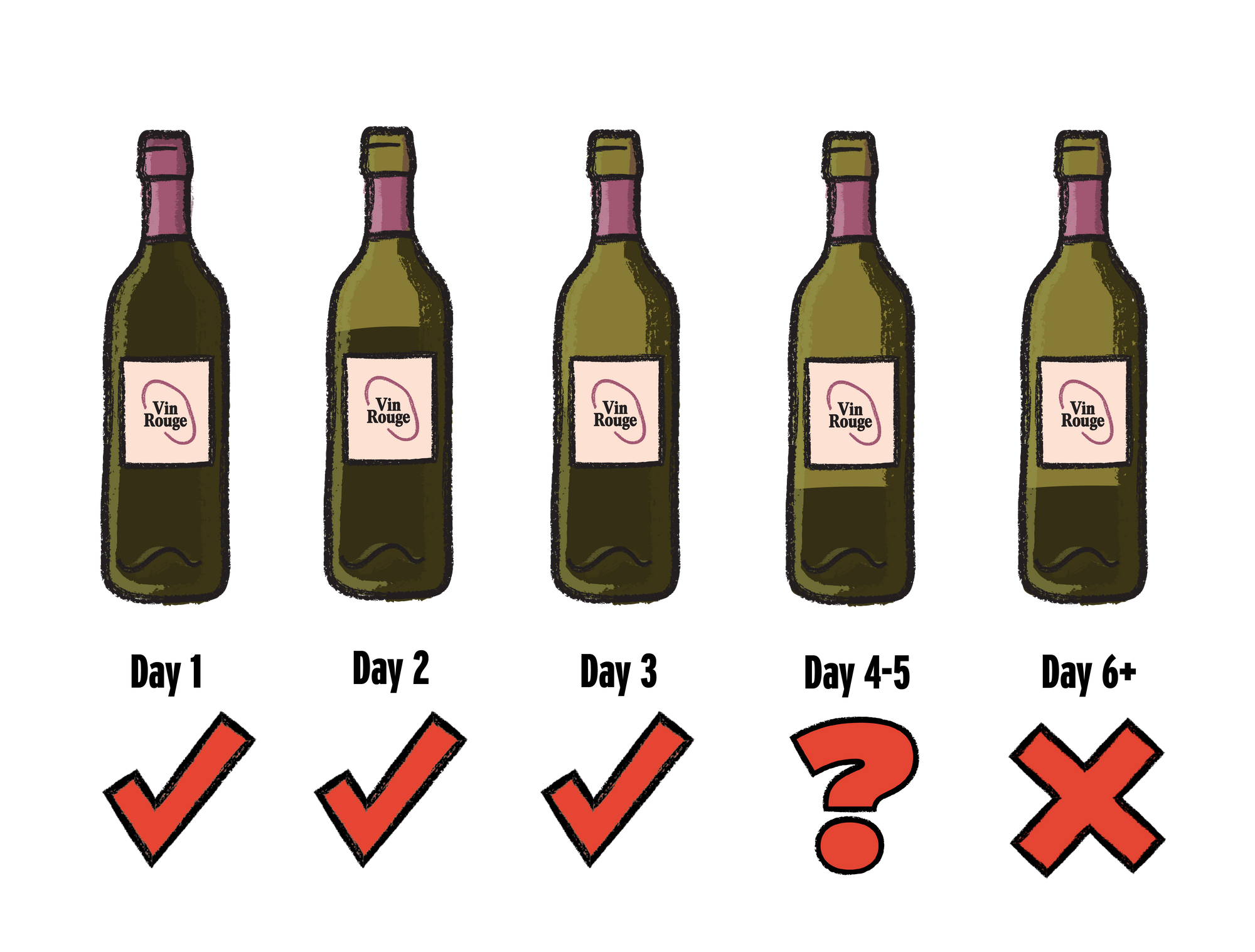
Wondering how long an open wine bottle lasts? Red wine stays fresh for 3-5 days, while white wine lasts 3 days in the fridge. Keep the cork tightly sealed to maintain freshness and flavor.
Opening a bottle of wine is an experience that often brings joy, but how long can that joy last once the cork is popped? Understanding the consumption timeframes for different types of wine can save you from a less-than-pleasant sip. Experts offer insights into how long you should keep an open bottle of wine before it loses its quality. Let’s dive into the specifics.Red Wines
Red wines, with their bold flavors, can last a bit longer than their lighter counterparts. Typically, you can enjoy an open bottle of red wine for about 3 to 5 days. To extend its life, store it in a cool, dark place with the cork tightly sealed. Ever left a bottle of Merlot out overnight, only to find it flat and unappealing the next day? That’s a common mistake, and it’s a good reminder to refrigerate your reds after opening. It may sound strange, but it helps preserve the taste.White Wines
White wines are more sensitive and usually start to degrade in flavor sooner. After opening, aim to consume them within 3 days for optimal taste. Always keep them refrigerated with a stopper to maintain freshness. Have you noticed how your Sauvignon Blanc seems to lose its crispness by day four? That’s your cue to finish up or repurpose it for cooking. White wines are great for adding depth to sauces!Sparkling Wines
Sparkling wines are particularly tricky. Once opened, they can lose their effervescence quickly. You should drink them within 1 to 3 days for best results. Use a specialized sparkling wine stopper to keep the bubbles intact for as long as possible. Ever hosted a celebration and been left with a half-full bottle of Champagne? It might be tempting to save it for later, but remember, the fizz fades fast. Invite a friend over to finish it, or use it in a festive brunch cocktail. By understanding how long you can keep an open bottle of wine, you can better plan your consumption and avoid waste. How do you ensure your wine stays delightful after opening? Share your strategies in the comments!Innovative Wine Preservation Solutions
Opening a bottle of wine is a delightful experience, but preserving its taste after opening can be a challenge. Have you ever found yourself pouring out the remnants of a once-tasty wine? You’re not alone. Fortunately, there are innovative wine preservation solutions that can help keep your wine fresh longer. Let’s dive into some of these groundbreaking methods that could transform your wine-drinking experience.
Vacuum Sealers
Vacuum sealers are one of the simplest yet effective tools for wine preservation. They work by removing air from the bottle, slowing down oxidation. Imagine sealing in the flavors and aromas as if you just opened the bottle. Many wine enthusiasts swear by their effectiveness for keeping wine fresh for several days. Have you tried vacuum sealing your wine yet?
Inert Gas Systems
Inert gas systems introduce gases like argon or nitrogen into the bottle. These gases form a protective layer over the wine, preventing oxygen from spoiling it. It’s like giving your wine a shield against aging. This method is popular among wine bars and restaurants. Ever wondered how they keep their wines tasting fresh? Now you know their secret!
Coravin Technology
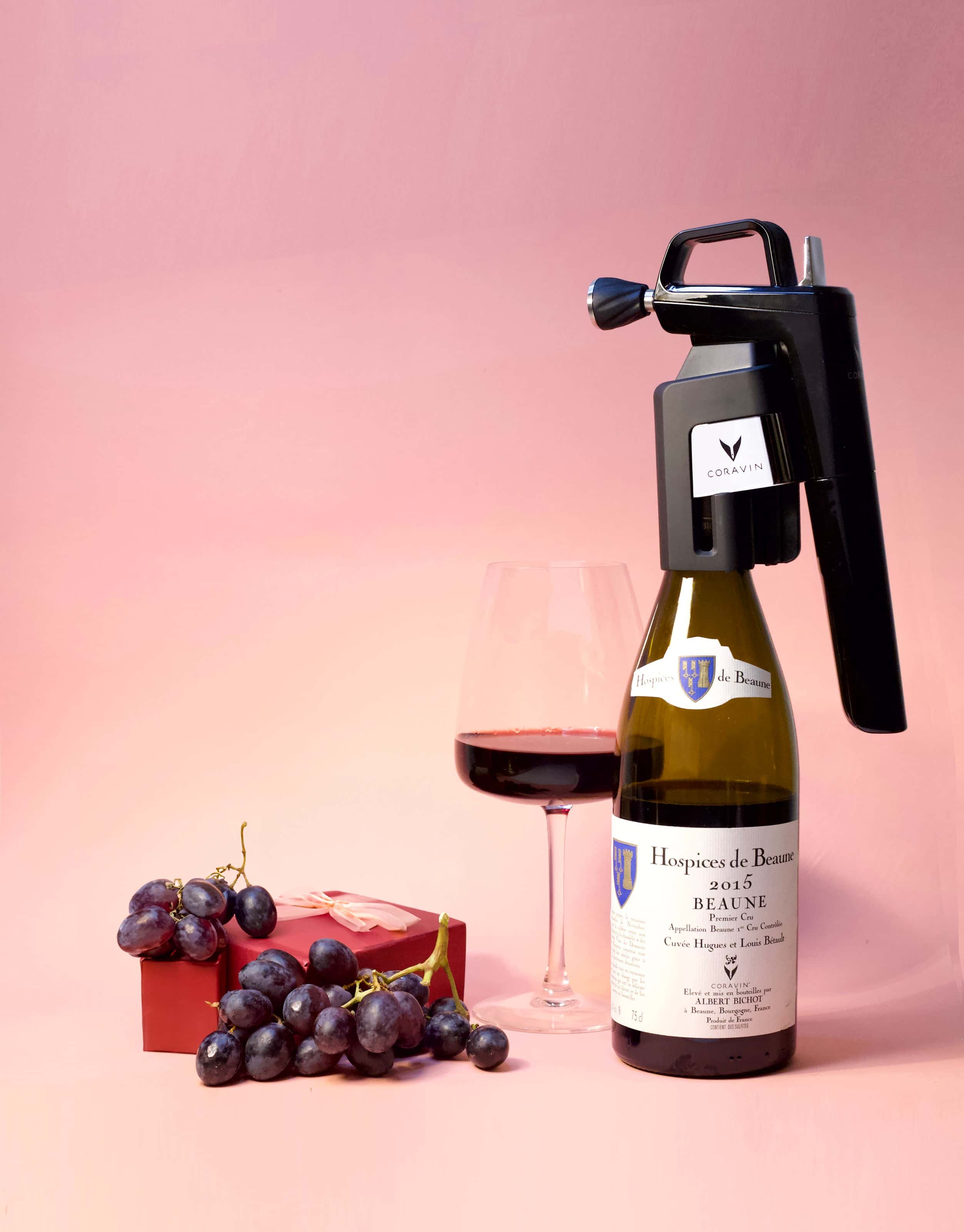
Coravin technology is a game-changer for wine lovers. It allows you to pour wine without removing the cork, preserving the rest of the bottle for weeks or even months. Picture enjoying a glass today and another next month, with the same vibrant taste. Coravin is ideal for those who love exploring different wines without committing to finishing the bottle. Is it time to rethink how you savor your favorite vintages?
These innovative solutions offer practical ways to extend the life of your wine, ensuring each sip is as delightful as the first. Have you experimented with any of these methods? Which one aligns best with your wine habits? Your next bottle could taste better than ever with the right preservation technique!
Credit: www.goodpairdays.com
Common Misconceptions
Many believe open wine lasts forever, but flavors change after a few days. Red wine typically stays fresh for 3-5 days, while white wine lasts about 3 days. Proper storage can help maintain taste longer.
Opening a bottle of wine often comes with a sense of celebration. Yet, many of us are left puzzled about how long an open bottle can truly last. You might have heard various myths and misconceptions that can lead you astray. Let’s dive into some common misunderstandings and set the record straight, so you can enjoy your wine without worry.Myths About Wine Oxidation
Many believe that a wine starts losing its charm the moment it’s exposed to air. While oxidation is a real concern, it doesn’t mean you have to finish the bottle immediately. Red wines, for instance, can often improve in flavor after breathing for a bit. A personal experience taught me this lesson. After leaving a bottle of Cabernet Sauvignon open overnight, I found it tasted even richer the next day. However, leave it too long, and the wine will start to deteriorate. So, the key is balance. How do you know when it’s too late? Keep track of the days and taste a small amount to check for any off flavors.Misunderstandings On Wine Freshness
Another common misconception is that all wines have the same shelf life once opened. This isn’t true. Red wines generally last longer than whites or sparkling wines. A simple rule is to consume whites and rosés within three to five days, while reds can last up to a week. Do you think your fridge is just for food? Think again. Storing an open bottle in the fridge can prolong its freshness, even reds. Yes, you read that right. You can let it sit out for a bit to warm up before enjoying it again. Also, consider using a wine stopper. These handy tools can prevent air from spoiling your wine too quickly. Have you used one yet? If not, it might be time to try it out. By understanding these myths and misconceptions, you can make better choices about your wine’s longevity. Remember, the real goal is to enjoy every sip, not to let it go to waste.Frequently Asked Questions
Can You Drink Opened Wine After 2 Weeks?
Opened wine can last up to a week if stored properly. After two weeks, its taste and quality may decline. It’s best to smell and taste it first to decide. Always store opened wine in the fridge with a cork or wine stopper to extend freshness.
Does Wine Go Bad After Opened?
Yes, wine can go bad after opening. It typically lasts 3-5 days in the fridge. Oxidation affects taste and aroma, causing spoilage. Store it properly to extend its lifespan. Use a vacuum pump or wine stopper to minimize air exposure.
Enjoy promptly for best flavor.
Can I Drink Wine 3 Months After Opening?
Drinking wine 3 months after opening is risky. Wine typically oxidizes and loses flavor after one week. Refrigeration can extend freshness for a few days. Use your senses to check for spoilage before drinking. Always store wine properly to maintain quality and taste.
How Long Can I Leave Wine Once Opened?
Red wine lasts 3-5 days in the fridge once opened. White wine and rosé last 5-7 days. Sparkling wine lasts 1-3 days. Store wine with a cork or airtight stopper to maintain freshness. Use a wine preservation system for extended shelf life.
Conclusion
Enjoying wine is a delightful experience. Knowing its shelf life helps. Open bottles last different times. Red wines stay fresh for three to five days. Whites can last up to a week. Store wine properly to extend its lifespan. Use airtight stoppers or wine pumps.
Keep wine in the fridge for better preservation. Always check for changes in taste or smell. Wine is best consumed fresh. Enjoy it responsibly and savor the flavor. Understanding wine storage adds to the enjoyment. Wine is a treat worth savoring.
Share your wine experience with friends and family.

I’m Abby Lu, a passionate home cook who loves simplifying everyday meals. At PlugChef.com, I share product reviews and cooking guides to help you find the best tools for your kitchen.
Related posts:
 What Type of Cooking Utensils are Safe: Expert Picks
 What Innovations Could Blenders Make: Unleashing Future Tech
 Smart Strategies to Organize a Small Kitchen: Maximize Space
 How to Organize a Kitchen Cabinet: Expert Tips & Tricks
 How to Organize Kitchen Drawers: Expert Tips and Tricks
 How to Organize a Corner Kitchen Cupboard: Expert Tips