
Picture this: you’ve opened a delightful bottle of red wine, enjoyed a glass, and now you’re wondering how long the remaining wine will last. It’s a common question that often leaves wine enthusiasts scratching their heads.
You may have heard various opinions, but how do you know what’s really true? Understanding the longevity of an opened bottle of red wine can save you from pouring money down the drain and help you savor every drop. You’re about to discover the secrets to maximizing your wine’s shelf life.
Imagine never having to waste a bottle again or being able to confidently offer a glass to a friend without worrying about the taste. This information is not just about preserving wine; it’s about enhancing your wine experience, ensuring every sip is as delightful as the first. Get ready to unlock the potential of your favorite red wine and enjoy it to the fullest.
Factors Affecting Wine Longevity
Opening a bottle of red wine can feel like an occasion, but how long will that open bottle last? The answer isn’t one-size-fits-all. Several factors can influence the lifespan of your opened red wine. By understanding these factors, you can make the most of every glass and reduce waste.
Type Of Red Wine
The type of red wine plays a crucial role in its longevity once opened. Wines with higher tannin levels, like Cabernet Sauvignon or Syrah, tend to last longer. These tannins act as natural preservatives, keeping the wine fresh for several days. On the other hand, lighter reds like Pinot Noir may lose their charm more quickly. Have you noticed how some wines taste better the next day, while others don’t? This is often due to their tannin content and structure.
Storage Conditions
Storage is everything when it comes to preserving your wine. A cool, dark place is ideal. Light and heat can spoil your wine faster than you might think. If you’ve ever left a bottle on the kitchen counter and noticed a sour note the next day, you’ve experienced this firsthand. Consider using a wine stopper and refrigerating the bottle to extend its life by a few more days. Do you have a designated spot in your home for storing opened wine?
Quality Of The Wine
Quality matters. Higher-quality wines often have more complex structures and better aging potential. This means they can endure a bit longer once opened. However, even the finest wine can only maintain its quality for so long. If you’ve invested in a premium bottle, savor it over a few days rather than stretching it over a week. It’s a balancing act—enjoy now or save for later. What’s your preference?
Incorporating these tips can help you enjoy every drop of your favorite red wine, minimizing waste and maximizing enjoyment. With a little knowledge, you can ensure that every glass is as delightful as the first. So, the next time you open a bottle, think about these factors and enjoy your wine to the fullest. What’s your favorite way to make a bottle last longer?
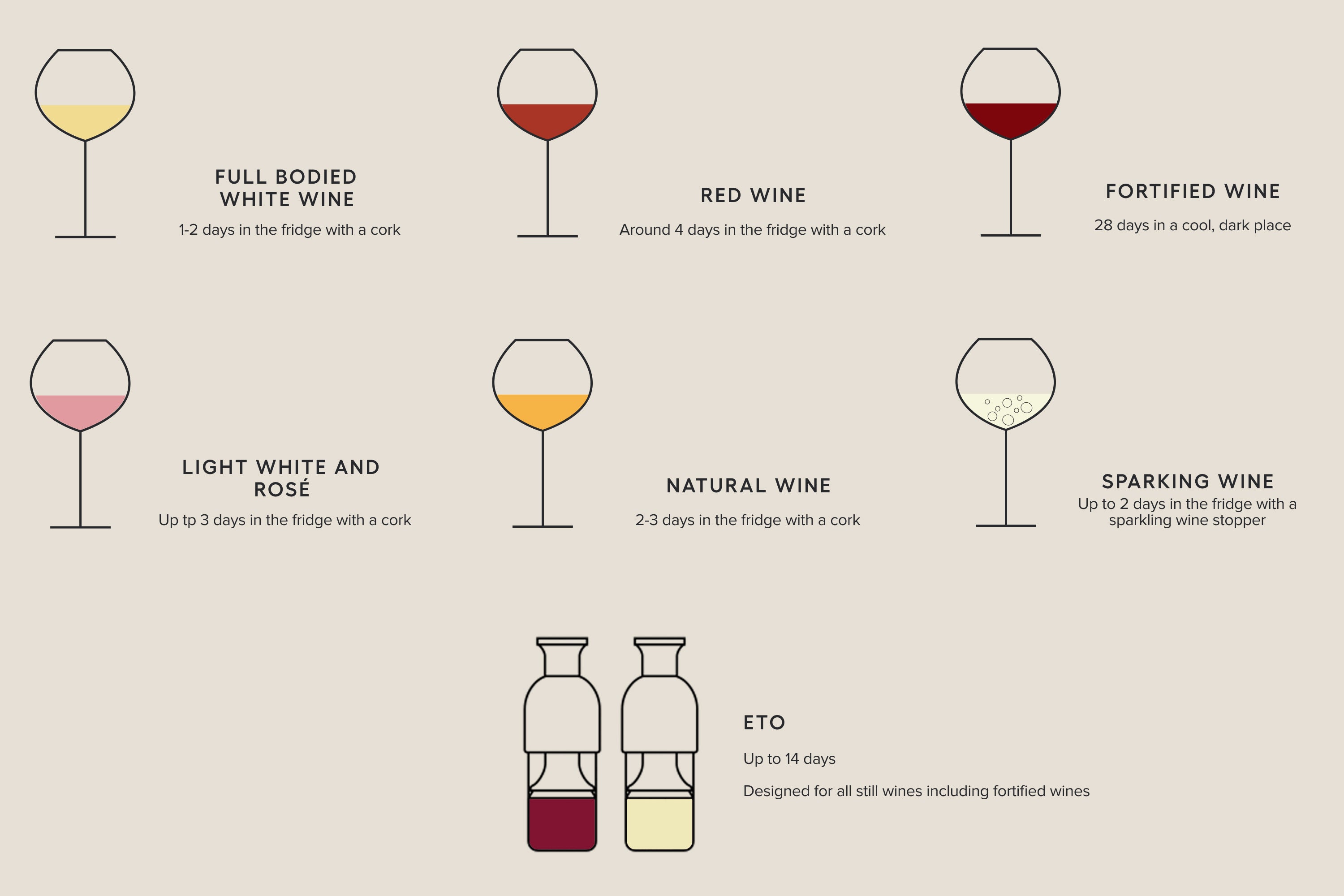
Credit: www.etowine.com
Signs Of Wine Spoilage
Red wine can spoil after being opened. Recognizing spoilage signs helps avoid unpleasant experiences. These signs can be detected through aroma changes, taste alterations, and visual indicators.
Changes In Aroma
The aroma is the first clue. Spoiled wine often smells off. It might have a vinegar-like scent. Sometimes, it smells moldy or damp. These smells mean the wine is no longer good. A fresh bottle should smell fruity and inviting.
Altered Taste
Taste is another key indicator. Spoiled wine can taste sour or sharp. It might have a metallic flavor. Fresh wine tastes balanced and smooth. If the taste is unpleasant, the wine is likely spoiled.
Visual Indicators
Visual signs are easy to spot. Look at the wine’s color. Spoiled wine may appear brownish. It might have cloudiness or sediment. A good bottle should be clear and vibrant. Check the cork as well. If it’s pushed out, spoilage is likely.
Proper Storage Techniques
Proper storage techniques can extend the life of an opened bottle of red wine. Keeping your wine fresh involves careful handling and storage. The right methods preserve taste and prevent spoilage.
Refrigeration Benefits
Refrigeration slows the oxidation process in wine. Cold temperatures reduce chemical reactions that spoil wine. Keeping wine chilled helps maintain its flavor profile longer. A fridge offers a cool environment, preserving your wine’s quality.
Using Wine Preservers
Wine preservers minimize air exposure to your opened bottle. They create a protective barrier, slowing oxidation. Some systems remove air from the bottle, keeping wine fresh. Others use gas to seal and protect the wine. Effective preservation can extend the wine’s lifespan.
Optimal Temperature Settings
Store red wine at a consistent temperature. Ideal settings range from 45°F to 65°F. Avoid temperature fluctuations, which can spoil the wine. Too warm, and wine ages quickly. Too cold, and flavors can dull. Proper temperature keeps your wine tasting its best.

Credit: www.vinha.co.uk
Expert Tips For Extending Shelf Life
An opened bottle of red wine can last 3-5 days if stored properly. Keep it sealed tightly and store in a cool, dark place to extend freshness. Always use a wine stopper to minimize oxidation and preserve taste.
When you open a bottle of red wine, its lifespan reduces. But with a few expert tips, you can enjoy its flavors for longer. With careful handling, your wine remains delightful. Learn the secrets to prolong your wine’s life below.Decanting Advice
Decanting aerates wine, enhancing its aroma and flavor. But too much air can spoil it. Limit decanting time to 30 minutes. Use a clean decanter to avoid unwanted flavors. Serve immediately to enjoy its best taste.Cork And Seal Recommendations
After opening, recork the bottle tightly. Use the original cork or a wine stopper. Store the bottle upright to prevent leaks. This method minimizes air contact and preserves freshness.Avoiding Light And Heat
Store wine away from direct sunlight. Light can alter its flavor and color. Keep it in a cool, dark place. Ideal temperature is between 45°F and 65°F. A wine cooler or cellar is perfect. Avoid storing it in the kitchen, where temperatures fluctuate.Common Myths About Wine Storage
Wine storage myths often lead to confusion and wasted wine. Many believe incorrect methods can preserve an opened bottle longer than it actually can. Let’s explore some myths surrounding how we store wine.
Debunking Refrigeration Myths
Some think red wine should never go in the fridge. This myth suggests refrigeration harms its taste or texture. In reality, cooling an opened bottle slows oxidation. It helps maintain flavor for a few days. It’s not a permanent solution but it offers temporary preservation.
Others believe red wine should only be stored at room temperature. This could lead to quicker spoilage. Warm environments speed up chemical reactions. The fridge can be your friend for short-term storage.
Understanding Oxidation Misconceptions
Oxidation is often misunderstood in wine storage. Many think it only occurs with white wines. Red wines are not immune to oxidation effects. Once opened, air exposure begins a slow deterioration process.
Some assume corking an opened bottle stops oxidation completely. A cork merely slows the process. It cannot prevent it entirely. Using a vacuum pump can help reduce air contact. This extends the wine’s life but doesn’t stop oxidation.
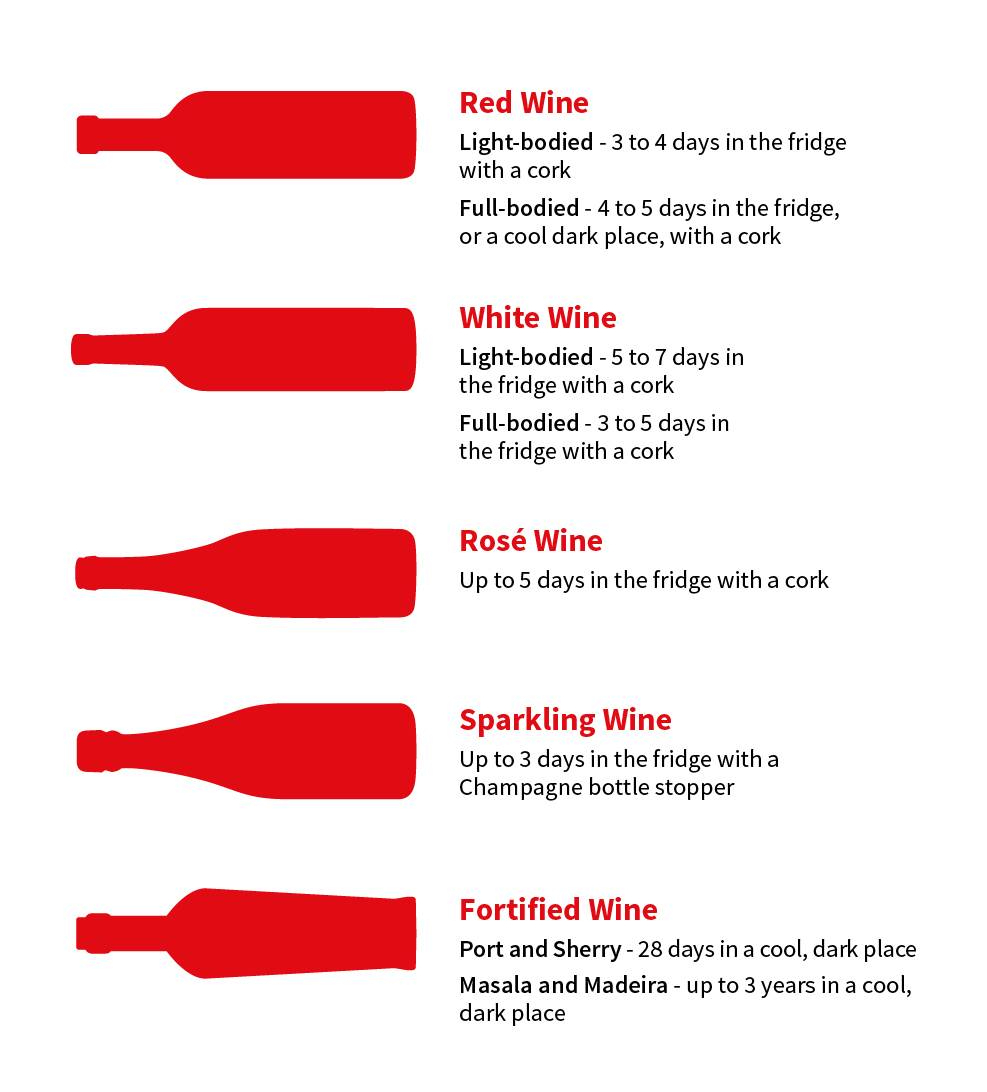
Credit: www.virginwines.co.uk
When To Discard Leftover Wine
An opened bottle of red wine won’t last forever. Knowing when to discard leftover wine helps maintain taste and safety. Red wine can spoil if kept too long. This guide helps you decide when to part with your wine. It also suggests practical uses for expired wine.
Health Risks Of Spoiled Wine
Drinking spoiled wine can lead to health issues. It may cause stomach pain or nausea. Spoiled wine loses its flavor and aroma. Consuming it isn’t pleasant. The wine may become vinegar-like in taste. A sour smell can indicate spoilage. Always trust your senses. If it smells off, discard it. Spoiled wine can harbor bacteria. This poses a health risk. Better safe than sorry.
Practical Uses For Expired Wine
Don’t pour expired wine down the sink. It has other uses. Use it in cooking. It adds depth to sauces and stews. Marinate meat with it. The acidity tenderizes and flavors the meat. Create vinegar for salads. Just let it ferment longer. Use it in cleaning. It can remove stains. Wine is versatile, even when expired.
Frequently Asked Questions
Can You Drink Red Wine 7 Days After Opening?
Yes, you can drink red wine 7 days after opening. Store it in the fridge and tightly seal the bottle. The flavor may change, but it’s generally safe to consume within this period. Use wine preservation tools to extend its freshness.
Can You Drink Opened Wine After 3 Months?
Opened wine generally loses quality after a few days. Drinking it after 3 months is not recommended. It may taste sour or stale. Always store opened wine properly to extend its life. Use a vacuum pump or airtight stopper for better preservation.
Is It Okay To Drink Old Opened Red Wine?
Old opened red wine might be safe but usually loses flavor. Drink within 3-5 days for best taste. Store properly to prevent spoilage. Check for off smells or flavors before consuming. Always prioritize freshness for a better experience.
Can I Drink Red Wine That Has Been In The Fridge For 2 Weeks?
Yes, you can drink red wine stored in the fridge for 2 weeks. The taste might be slightly altered. It’s best consumed within a few days for optimal flavor. Ensure the bottle is sealed properly to prevent oxidation. Always check for any off smells or flavors before consuming.
Conclusion
An opened bottle of red wine can last several days. Proper storage helps maintain its flavor. Keep the bottle corked tightly. Store it in a cool, dark place. The fridge works well for short-term storage. Enjoy the wine soon for best taste.
Wine can change quickly after opening. Freshness may decline over time. Experiment with different wines and storage methods. Each bottle can be unique in how it lasts. Enjoy your wine while it’s fresh and flavorful. Share it with friends for a delightful experience.
Taste the subtle changes each day brings.

I’m Abby Lu, a passionate home cook who loves simplifying everyday meals. At PlugChef.com, I share product reviews and cooking guides to help you find the best tools for your kitchen.
Related posts:
 What Type of Cooking Utensils are Safe: Expert Picks
 What Innovations Could Blenders Make: Unleashing Future Tech
 Smart Strategies to Organize a Small Kitchen: Maximize Space
 How to Organize a Kitchen Cabinet: Expert Tips & Tricks
 How to Organize Kitchen Drawers: Expert Tips and Tricks
 How to Organize a Corner Kitchen Cupboard: Expert Tips