

Imagine this: You’ve just uncorked a beautiful bottle of wine, savoring its rich aroma and delightful taste. But what happens next?
As the evening winds down, you find yourself wondering, “How long can this bottle last after opening? ” If you’re like most wine lovers, you want to enjoy every drop without compromising quality. The thought of wasted wine is simply heartbreaking, right?
You’ll uncover the secrets to preserving your wine’s flavor and freshness for as long as possible. With a few easy tips, you can make the most of your opened bottle and ensure that every sip is as enjoyable as the first. Keep reading to discover how you can become a wine-saving expert and never worry about spoilage again!
Factors Affecting Wine Longevity
Opening a bottle of wine marks the beginning of a ticking clock on its freshness. How long a bottle lasts after being opened isn’t just about the type of wine. Several factors can influence its longevity. Understanding these can help you savor every last drop. Let’s explore what affects wine’s lifespan once the cork is popped.
Type Of Wine
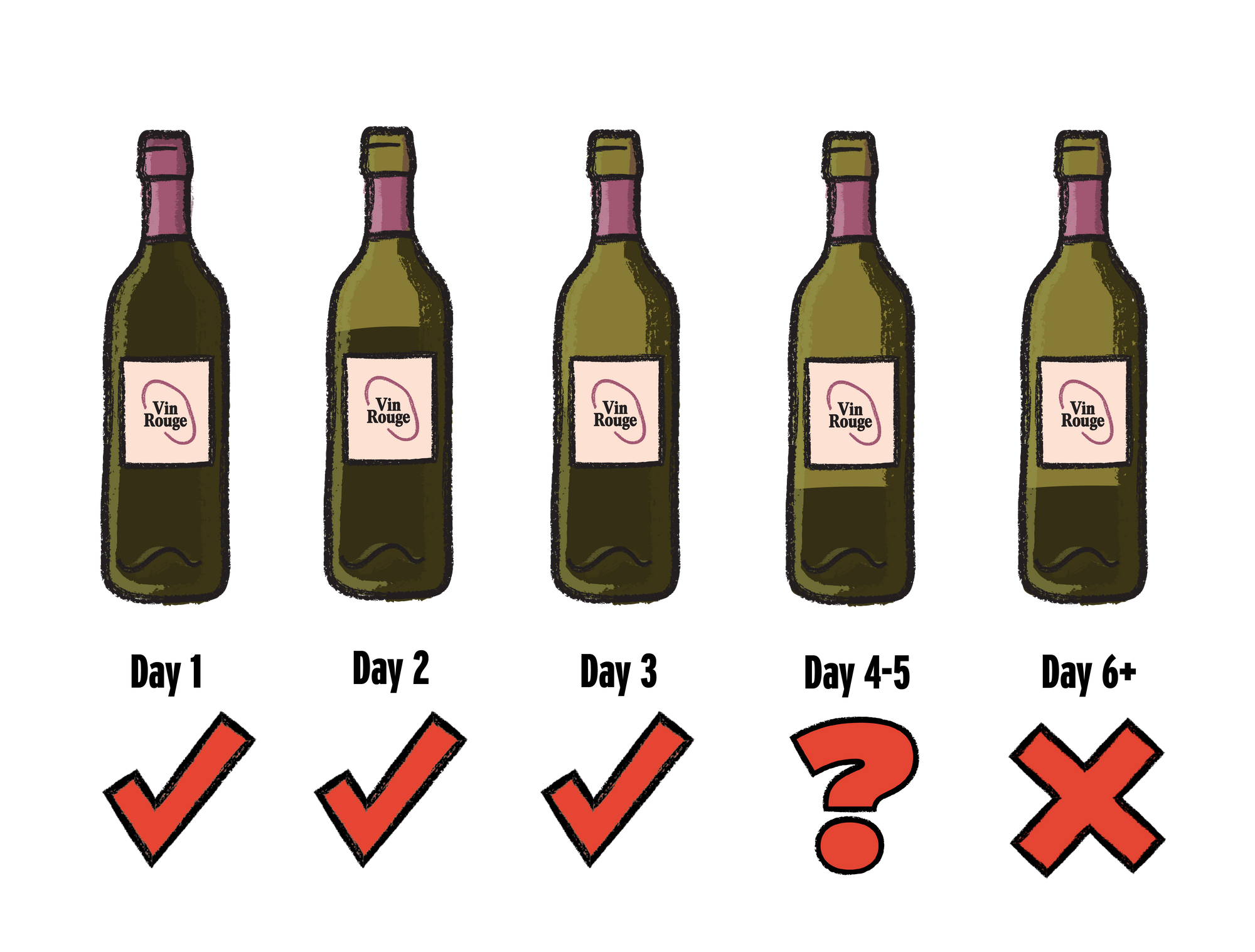
The type of wine you’ve opened plays a significant role in how long it will stay fresh. Red wines, with their higher tannin levels, often last longer than whites. For instance, a bottle of red can last three to five days, while a white might only last two to three days.
Sparkling wines, like Champagne, lose their fizz quickly, often within a day or two. Fortified wines like Port or Sherry, with higher alcohol content, can last a month or more. Knowing your wine helps you plan when to enjoy it for optimal taste.
Storage Conditions
Where you store your wine after opening is crucial. Keeping it in a cool, dark place slows down oxidation. You might notice a difference if you store it in the fridge versus leaving it on the counter.
Consider using a wine fridge for reds, which prefer slightly warmer temperatures than regular fridges. Do you have a dedicated spot for your wines? If not, creating one can extend their freshness.
Preservation Techniques
Using proper preservation techniques can significantly extend the life of your opened wine. Simply recorking the bottle tightly can make a difference. For an extra day or two, try a vacuum pump to remove air from the bottle.
Wine stoppers designed to seal the bottle can also be effective. Some even use inert gas sprays to displace air. Have you tried different methods? Experimenting can lead to discovering the perfect solution for your favorite wines.
Are you making the most out of your opened bottles? By paying attention to these factors, you can enjoy your wine longer and reduce waste.
Credit: www.goodpairdays.com
Red Wine Shelf Life
Ever wondered why your opened bottle of red wine starts to taste different after a couple of days? Understanding the shelf life of red wine can help you enjoy every sip to the fullest. Once opened, red wine undergoes oxidation, which can alter its flavor and aroma.
Some red wines can last longer than others, but knowing how to store them properly can extend their life significantly. Let’s explore the shelf life of common red wines and some optimal storage practices.
Common Red Wines
Not all red wines age the same after opening. For instance, a robust Cabernet Sauvignon may last for up to five days, while a delicate Pinot Noir might only keep for about three. The tannins and acidity levels play a huge role in how quickly they change after exposure to air.
Have you ever found a bottle of Merlot opened from the weekend still tasting decent on Wednesday? That’s because Merlot tends to have a balanced structure, allowing it to maintain its flavor a bit longer than lighter reds.
Optimal Storage Practices
How you store your wine can make all the difference. Keep your opened red wine in the fridge to slow down oxidation. This might sound surprising, but cooler temperatures preserve the taste better.
Using a vacuum pump to remove air from the bottle can extend its life too. If you don’t have one, tightly resealing the bottle with a cork helps. Have you ever tried transferring leftover wine to a smaller bottle? Reducing the air space can also preserve its quality.
Think about how you enjoy your wine. Do you savor it slowly over several days? Understanding these storage tips ensures that your last glass tastes as good as the first. How do you store your opened red wine to keep it fresh? Share your tips in the comments below!
White Wine Durability
White wine lovers, have you ever found yourself wondering how long your favorite bottle will last after opening? You might be surprised to know that the type of white wine, storage conditions, and even the bottle itself play crucial roles in its longevity. Let’s dive into some specifics to help you enjoy your white wine at its best.
Popular White Varieties
Different white wines have varying lifespans once opened. Sauvignon Blanc, known for its crispness, tends to lose its charm within 3 to 4 days. Chardonnay, on the other hand, can hold its flavors for about 5 days due to its fuller body. Riesling, with its higher acidity, may last up to a week. Knowing the variety helps you gauge how long you can savor that bottle.
Temperature Considerations
Temperature plays a pivotal role in preserving white wine. Ever noticed how a glass of chilled wine feels refreshing? Keeping your opened bottle in the fridge is key. Cooler temperatures slow down oxidation, preserving the flavors. However, make sure the temperature isn’t too low, as freezing can alter the taste and texture.
Have you tried storing your white wine with a vacuum pump? It’s a nifty tool that removes air from the bottle, extending its life. This simple step can give you a few extra days to enjoy your wine.
How do you store your opened bottles? Share your tips and tricks in the comments below. Do you refrigerate immediately, or do you have another method? Let’s learn from each other and keep our white wines tasting fresh and delightful!
Sparkling Wine Freshness
A bottle of sparkling wine usually maintains its freshness for 1-3 days after opening. Keeping it sealed with a sparkling wine stopper helps preserve its taste. Always store it in the refrigerator to extend its life.
Sparkling Wine Freshness Opening a bottle of sparkling wine is always a moment of celebration. But what happens to that bottle when the festivities end and there’s some left over? The freshness of sparkling wine can be quite fleeting, especially if not stored properly. Understanding how to maintain its effervescence and flavor can help you enjoy that bottle a little longer.Carbonation Effects
When you pop the cork on a bottle of sparkling wine, you release the carbon dioxide that creates those delightful bubbles. This fizz is what makes sparkling wine so special. However, once opened, the carbonation starts to dissipate quickly. Without the bubbles, the wine can taste flat and less vibrant. It’s like a soda left out overnight—disappointing to drink. To preserve that lively sparkle, you need to act fast and seal it properly.Sealing Methods
The way you reseal your sparkling wine can significantly impact its freshness. Many people might shove the cork back in, but that’s not always effective. Instead, consider using a specialized champagne stopper. These stoppers are designed to fit snugly and keep the carbonation intact. They can extend the life of your sparkling wine for up to three days. Have you ever tried using a spoon in the neck of the bottle? Some say it helps, though there’s no scientific backing. It might be worth experimenting with if you don’t have a stopper handy. Think about where you store the bottle as well. Keeping it in the fridge slows down the loss of carbonation. It’s a small step but can make a big difference. Have you ever had to pour flat sparkling wine down the drain? With these tips, you might not have to anymore. Enjoy your sparkling wine a little longer and make the most of every bottle.Fortified Wine Stability
Fortified wines are known for their enhanced shelf life. These wines stay fresh longer after opening due to added alcohol. Understanding how long they last can help enjoy every sip.
Types Of Fortified Wines
Fortified wines include port, sherry, madeira, and marsala. Each type has unique characteristics affecting stability. Port is sweet and rich, ideal for desserts. Sherry ranges from dry to sweet, offering diverse flavors. Madeira is robust, with a nutty taste, suitable for complex dishes. Marsala, often used in cooking, provides a distinct flavor profile.
Impact Of Alcohol Content
Higher alcohol content extends the shelf life of fortified wines. Alcohol acts as a preservative, slowing spoilage. Fortified wines contain 15% to 20% alcohol, keeping them stable. They remain fresh for weeks or even months after opening. Proper storage enhances longevity, keeping flavors intact.

Credit: www.vinha.co.uk
Best Storage Practices
Preserving the taste of an opened wine bottle is an art. It starts with proper storage practices. These practices can extend the life of your wine. Let’s explore the best storage methods to keep your wine fresh.
Refrigeration Benefits
Refrigeration slows down the oxidation process. This helps maintain the wine’s quality. Cold temperatures preserve the flavors longer. Place your wine bottle in the fridge after opening. This is true for both red and white wines. Store them upright to minimize exposure to air. Even if it’s just for a few days, refrigeration helps.
Using Wine Preservers
Wine preservers are handy tools for extending wine life. They minimize the wine’s contact with air. Vacuum pumps remove air from the bottle. This slows down oxidation. Inert gas sprays create a protective layer over the wine. Both methods can preserve wine for several days. Consider investing in a wine preserver. It’s an easy way to enjoy your wine longer.
Signs Of Wine Spoilage
Wine can spoil after opening. Understanding signs of spoilage helps enjoy wine better. Spoiled wine loses flavor and aroma. It can also pose health risks. Detecting spoilage quickly ensures a better wine experience.
Visual Indicators
Inspect the wine’s color first. Red wine may turn brown. White wine might appear yellow or gold. Cloudiness suggests spoilage. Look for bubbles in still wine. They indicate unwanted fermentation.
Taste And Aroma Changes
Unpleasant smells are a red flag. Musty or sour odors mean spoilage. Wine should taste fresh and fruity. A sharp or vinegary taste signals it’s bad. Bitter or metallic flavors also show spoilage.

Credit: winefolly.com
Extending Wine Life
Extending the life of an opened bottle of wine is essential. It ensures you enjoy every drop without compromising taste. Several methods can help preserve the freshness and flavor of wine. Proper storage and closure techniques play a crucial role. Let’s explore these effective strategies.
Proper Bottle Closure
Ensure the bottle is tightly sealed after opening. Use the original cork if possible. A wine stopper is another good option. Silicone stoppers offer an airtight seal. This prevents oxidation, keeping the wine fresh longer.
Innovative Storage Solutions
Store wine in the fridge to extend its life. Cold temperatures slow down oxidation. Use a wine preservation system for better results. Vacuum pumps remove air from the bottle. This keeps the wine fresh for several days. Consider using inert gas sprays. They create a protective layer over the wine. This reduces exposure to oxygen.
Frequently Asked Questions
Can I Drink Opened Wine After 2 Months?
Opened wine may spoil after two months. Check for changes in taste, smell, or appearance. Refrigeration helps preserve it longer. Red wine lasts longer than white. Consume quickly for best flavor.
Can I Drink Wine 10 Days After Opening?
Wine can be consumed 10 days after opening, but flavor quality may decline. Store it in the fridge with a tight cork to preserve taste. Red wine lasts longer than white; drink promptly for best experience. Check for unusual smells or flavors before drinking.
Can An Opened Bottle Of Wine Go Bad?
Yes, an opened bottle of wine can go bad. Oxygen exposure deteriorates its taste and aroma. Store wine properly with a cork and in a cool, dark place. Typically, it lasts 3-5 days. Red wine may last slightly longer than white.
Always check for off smells or flavors before consuming.
How Can I Tell If My Wine Has Gone Bad?
Check for a sour or vinegar smell. Look for a cloudy appearance or unusual sediment. Taste for sharp, off flavors. Bubbles in still wine indicate spoilage. A change in color can also signal bad wine.
Conclusion
Enjoy your wine while it’s fresh and flavorful. Once opened, wine’s taste changes over time. Red wines last up to five days. White wines stay fresh for three days. Sparkling wines lose fizz within one day. Proper storage extends wine’s life.
Use corks or stoppers. Refrigerate after opening. Remember, smell and taste guide you best. Trust your senses. If it tastes off, it’s time to discard. Savor the moment, and enjoy responsibly. Knowing how long wine lasts helps you enjoy it fully.
Always check before sipping. Wine is a joy best shared fresh.

I’m Abby Lu, a passionate home cook who loves simplifying everyday meals. At PlugChef.com, I share product reviews and cooking guides to help you find the best tools for your kitchen.
Related posts:
 What Type of Cooking Utensils are Safe: Expert Picks
 What Innovations Could Blenders Make: Unleashing Future Tech
 Smart Strategies to Organize a Small Kitchen: Maximize Space
 How to Organize a Kitchen Cabinet: Expert Tips & Tricks
 How to Organize Kitchen Drawers: Expert Tips and Tricks
 How to Organize a Corner Kitchen Cupboard: Expert Tips

