

If you’re thinking about treating yourself to prime rib, you’re probably wondering: how expensive is it really? Prime rib is known for being a luxurious and flavorful cut of meat, but that often comes with a higher price tag.
You want to enjoy a special meal without breaking the bank, right? You’ll discover what affects the cost of prime rib and how you can get the best value for your money. Keep reading to find out how to enjoy prime rib without surprises at the checkout.
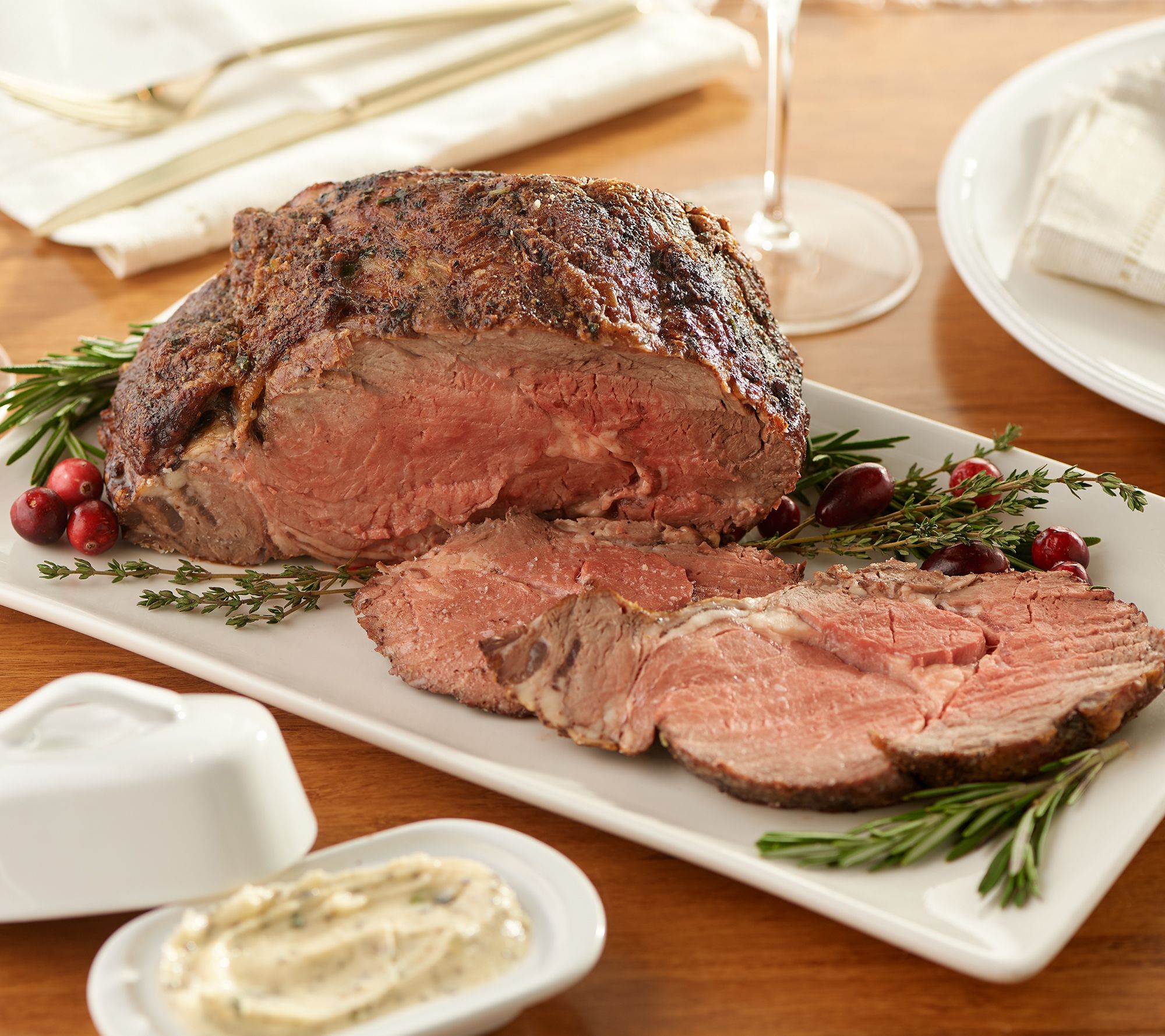
Credit: www.qvc.com
Prime Rib Pricing Factors
Understanding the factors behind prime rib pricing helps you make smarter buying decisions. The cost you see at the store or restaurant isn’t random—it reflects several key elements that influence quality, size, and availability. Let’s break down what really affects the price tag on your next prime rib.
Quality Grades And Their Impact
The USDA assigns quality grades like Prime, Choice, and Select, and these grades directly affect price. Prime grade has the most marbling, which means better flavor and tenderness, but it also costs more.
Choice grade is still good but less marbled, so it’s cheaper. If you want a prime rib that melts in your mouth, expect to pay a premium for that Prime label.
Cut Size And Thickness
The size of your prime rib cut plays a major role in cost. Larger cuts cost more upfront but can serve more people, which might save money per serving.
Thickness matters too—thicker cuts often require special cooking techniques and can carry a higher price. Have you noticed how a 2-inch rib costs less than a 4-inch? That’s not just about meat weight but also about preparation and cooking time.
Source And Origin Variations
Where the beef comes from changes the price. Grass-fed or organic prime rib often commands a higher price than conventional beef.
Beef from certain regions or farms known for quality can also cost more. Knowing your source can guide you toward the best value for your budget and taste preferences.
Market Demand Influences
Prices fluctuate with demand, especially around holidays or special occasions when prime rib is popular. You might see prices spike in December or during festive weekends.
Supply chain issues or seasonal availability also affect how much you pay. Have you ever noticed prime rib prices rising just before the holidays? That’s demand at work.

Credit: meatnbone.com
Comparing Prime Rib Costs
Understanding the cost of prime rib helps in planning meals and budgets. Prices vary depending on where you buy and what type you choose. Comparing these costs reveals patterns and factors that influence the final price. Knowing these details can save money and improve your dining experience.
Retail Vs Restaurant Prices
Buying prime rib at a store is usually cheaper than eating it at a restaurant. Retail prices reflect the raw meat cost without added service charges. Restaurants include cooking, serving, and ambiance costs in their prices. Expect to pay about two to three times more for prime rib in restaurants. Preparing prime rib at home offers more control over cost and portion size.
Seasonal Price Fluctuations
Prime rib prices change throughout the year. Demand rises during holidays like Christmas and New Year’s. High demand pushes prices up in these seasons. In off-peak months, prices often drop due to less demand. Buying prime rib outside holiday seasons can save money. Planning purchases around these trends helps avoid high prices.
Organic And Grass-fed Premiums
Organic and grass-fed prime rib costs more than conventional options. These premium types involve special farming practices and higher care. Buyers pay extra for perceived health and taste benefits. Price difference can be 30% to 50% higher than regular prime rib. Choosing organic or grass-fed depends on budget and personal preference. Knowing the price gap helps make informed choices.
Preparing Prime Rib At Home
Prime rib can be costly due to its quality and size. Cooking it at home helps control expenses while enjoying a special meal. Prices vary by cut and location but expect to invest more than regular beef.
Preparing prime rib at home can be a rewarding experience. It allows you to control the quality and cost. While it may seem expensive, home preparation often saves money. Understanding the costs and effort involved is crucial.Cost Of Ingredients And Supplies
Quality prime rib is the main expense. Prices vary based on grade and weight. Expect to pay more for USDA Prime cuts. Other ingredients include herbs, garlic, and butter. These are affordable and add flavor. Additional costs include salt, pepper, and oil. Buying in bulk can reduce expenses.Energy And Time Investment
Cooking prime rib requires time and patience. The process includes seasoning, resting, and roasting. Preparation can take several hours. Energy costs depend on your oven’s efficiency. Lower temperatures increase cooking time but save energy. Proper planning helps manage time effectively.Tools And Equipment Needed
Basic kitchen tools are essential. A roasting pan and rack are vital for even cooking. A meat thermometer ensures accurate temperature. A sharp knife is needed for carving. Optional tools include a baster and kitchen twine. These enhance the cooking process.Evaluating Prime Rib Value
Evaluating the value of prime rib goes beyond just looking at the price tag. You need to consider what you gain in taste, nutrition, and the special moments it creates. This helps you decide if prime rib is worth the splurge for your next meal or celebration.
Taste And Texture Benefits
Prime rib offers a rich, buttery flavor that you won’t find in many other cuts. Its marbling ensures each bite is juicy and tender, melting in your mouth with ease. If you’ve ever savored a perfectly cooked prime rib, you know the taste justifies the higher cost.
Think about the last time you had a meal that truly stood out. Would you pay more for that same experience? Prime rib’s unique texture and flavor often make it a memorable centerpiece for any dinner.
Nutritional Considerations
Prime rib is a good source of protein, iron, and essential vitamins like B12. These nutrients support muscle growth, energy levels, and overall health. However, it also contains higher fat content, so balance it with lighter sides to keep your meal healthy.
Are you mindful of how your meat choices affect your diet? Understanding the nutritional profile of prime rib can help you enjoy it without guilt, especially when paired with vegetables or salads.
Special Occasion Appeal
Prime rib carries a sense of luxury and tradition, making it popular for holidays and celebrations. Serving prime rib can turn a regular dinner into a memorable event. The effort and cost often feel justified when shared with family or friends.
Have you noticed how certain foods elevate your gatherings? Prime rib can add that special touch, making your event feel more festive and meaningful. It’s not just about eating—it’s about creating moments worth remembering.
Alternatives To Prime Rib
If you find prime rib a bit too pricey but still crave that rich, beefy flavor, there are several alternatives worth considering. These options let you enjoy a delicious meal without stretching your budget or sacrificing taste. Let’s look at some cuts and substitutes that bring similar satisfaction to your plate.
Other Beef Cuts With Similar Flavor
Ribeye steak is a great alternative to prime rib. It comes from the same rib section and shares that marbled, tender quality. You can grill or pan-sear it for a juicy, flavorful experience.
Another option is the chuck roast. It’s tougher than prime rib but becomes tender and flavorful when slow-cooked. Many chefs swear by it for pot roasts and braises, delivering a deep beef taste at a fraction of the cost.
Budget-friendly Substitutes
If you’re watching your wallet, brisket offers excellent value. It requires longer cooking times but rewards you with a melt-in-your-mouth texture and rich flavor. Plus, it’s perfect for gatherings where you need to feed many people.
Flank steak and sirloin are also more affordable cuts. They’re leaner than prime rib but still pack a punch when marinated and grilled. Try slicing them thinly against the grain to maximize tenderness.
Healthier Options
Looking for something lighter? Consider lean cuts like eye of round or top sirloin. These cuts have less fat but can still be juicy when cooked properly. Pair them with plenty of veggies to balance your meal.
Ground beef blends with lean cuts can also work well. You get the beef flavor without the heavy fat content. Have you tried mixing lean ground beef with mushrooms to add moisture and texture? It’s a simple trick that keeps dishes satisfying without extra calories.
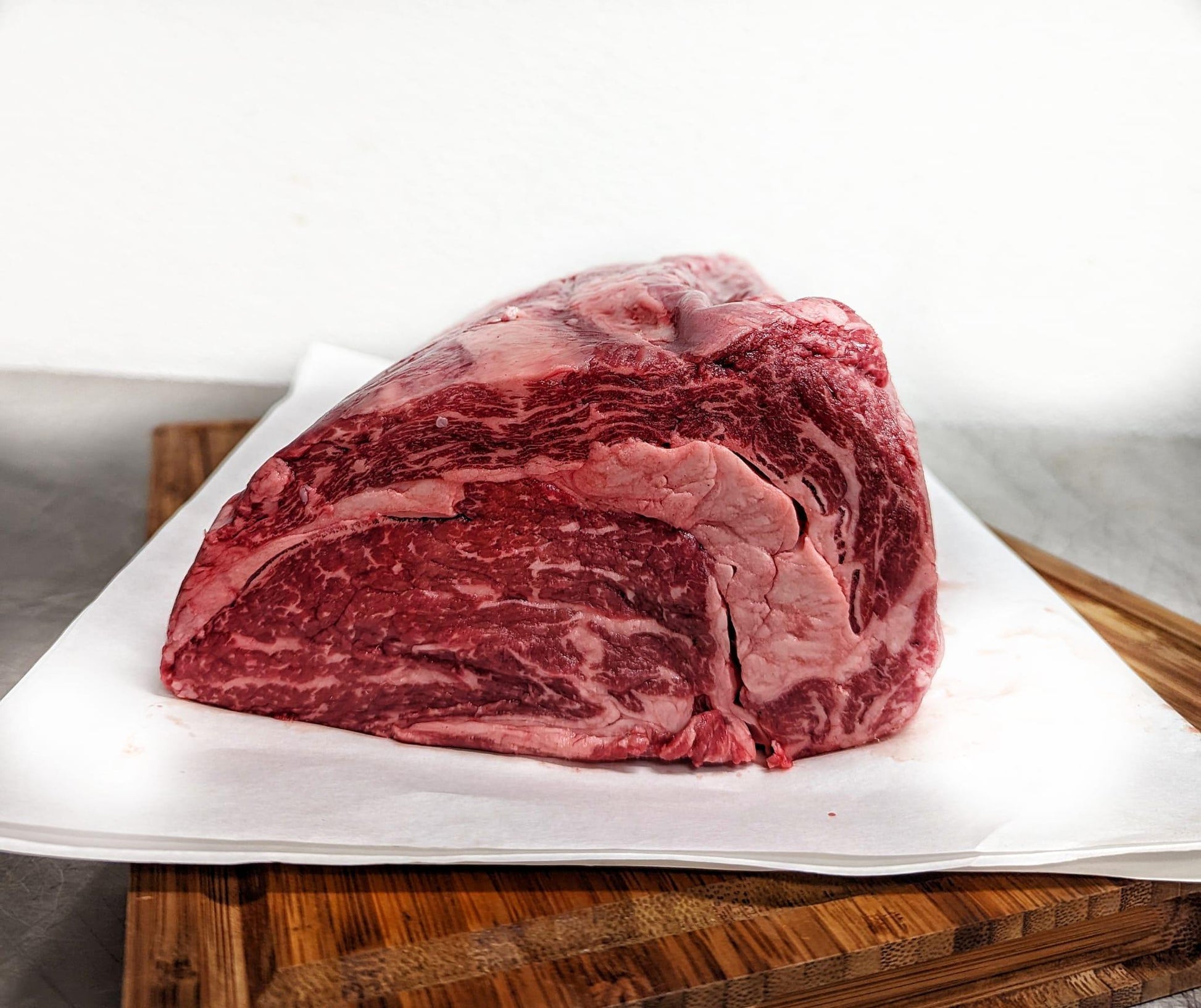
Credit: meatnbone.com
Frequently Asked Questions
How Much Does Prime Rib Cost Per Pound?
Prime rib prices vary from $15 to $30 per pound, depending on quality and location. Higher grades like USDA Prime cost more. Specialty stores and organic options also increase price. Bulk purchases may reduce cost per pound.
Why Is Prime Rib More Expensive Than Other Cuts?
Prime rib is pricier due to its tenderness and marbling. It requires specific aging and careful butchering. Limited supply and high demand also drive prices higher compared to regular beef cuts.
Can I Find Affordable Prime Rib Alternatives?
Yes, ribeye roast and chuck roast are affordable alternatives. They offer similar flavor and tenderness but cost less. Cooking methods may vary slightly to achieve best results.
Does Prime Rib Price Change Seasonally?
Prime rib prices often rise during holidays due to demand spikes. Seasonal sales may offer discounts. Planning purchases outside peak seasons can save money.
Conclusion
Prime rib prices vary depending on quality and location. Choosing fresh, well-marbled cuts costs more. Preparing it at home can save some money. Dining out usually means higher prices for prime rib. Knowing these factors helps you plan your budget better.
Enjoying prime rib is about taste and experience. Balance cost with how often you want to eat it. Quality matters more than just the price tag. Keep these points in mind when buying prime rib.

I’m Abby Lu, a passionate home cook who loves simplifying everyday meals. At PlugChef.com, I share product reviews and cooking guides to help you find the best tools for your kitchen.
Related posts:
 What Type of Cooking Utensils are Safe: Expert Picks
 What Innovations Could Blenders Make: Unleashing Future Tech
 Smart Strategies to Organize a Small Kitchen: Maximize Space
 How to Organize a Kitchen Cabinet: Expert Tips & Tricks
 How to Organize Kitchen Drawers: Expert Tips and Tricks
 How to Organize a Corner Kitchen Cupboard: Expert Tips

