
Have you ever picked up your favorite tool, only to find it covered in a layer of rust? It’s frustrating, isn’t it?
You might be wondering how you can restore your tools without spending a fortune on commercial rust removers. Enter baking soda—a simple, cost-effective solution that’s likely sitting in your kitchen right now. This common household item isn’t just for baking; it has incredible properties that can tackle rust effectively.
Imagine the satisfaction of bringing your tools back to their former glory with minimal effort and expense. Curious to know how? Keep reading to discover the magic behind baking soda and how it can save your tools—and your money—while making your DIY projects smoother and more enjoyable.

Credit: www.youtube.com
Chemistry Of Baking Soda
Understanding the chemistry behind baking soda can help explain its effectiveness in rust removal. Baking soda, or sodium bicarbonate, is a versatile compound found in many households. It has unique properties that make it a useful cleaning agent. When applied to rusty tools, it facilitates a chemical reaction that helps remove rust.
Properties Of Sodium Bicarbonate
Sodium bicarbonate is a white, crystalline powder. It’s slightly alkaline and dissolves easily in water. Its mild abrasiveness makes it suitable for scrubbing surfaces without scratching them. It neutralizes acids, which helps prevent further rusting. As a compound, it releases carbon dioxide when heated or mixed with acids.
Chemical Reaction With Rust
Rust forms when iron reacts with oxygen and moisture. Sodium bicarbonate interacts with the rust, breaking it down. This reaction involves neutralizing the acidic environment that rust thrives in. It helps lift rust particles from the tool’s surface. Baking soda also creates a barrier that slows further oxidation.

Credit: www.facebook.com
Preparing Tools For Rust Removal
Rust can damage tools, making them hard to use. Preparing tools for rust removal is the first step. This ensures baking soda works effectively. Clean the tools and gather materials before starting.
Cleaning Surface Dirt
Start by cleaning dirt off your tools. Use a cloth or brush to remove dust and grime. This helps baking soda reach the rust better. Make sure to clean all sides and edges. Dirt can block the baking soda from working.
Gathering Necessary Materials
Gather materials for rust removal. You need baking soda, water, a bowl, and a scrub brush. These items are easy to find. Baking soda is usually in the kitchen. Choose a brush that can scrub well. A toothbrush might work for smaller tools.
Have gloves ready to protect your hands. They keep your hands clean and safe. Set up everything in a well-lit area. This makes the process easier.
Applying Baking Soda Paste
Baking soda is a natural cleaner and can be used to remove rust from tools. Creating a paste with baking soda is an effective method. This process is simple and can be done with items found in your kitchen.
Mixing The Paste
Start by adding baking soda to a small bowl. Gradually add water to the baking soda. Stir the mixture until it forms a thick paste. It should not be runny. The consistency should resemble toothpaste.
If the paste is too thin, add more baking soda. If it’s too thick, add a bit more water. You want a paste that sticks to the tools. This paste will help break down the rust.
Coating The Rusty Areas
Use a brush or cloth to apply the paste. Cover all rusty spots on the tool. Ensure the paste covers the rust completely. Leave the paste on the tool for some time. This allows the baking soda to work.
After the paste has sat for a while, scrub the rusted area. Use a brush with firm bristles for better results. Rinse the tool with water once the rust is gone. Dry the tool thoroughly to prevent new rust.
Scrubbing And Cleaning
Baking soda is a versatile cleaner. It removes rust from tools effectively. The scrubbing process is crucial. Proper technique ensures optimal results. This section guides you on scrubbing techniques. Learn how to make your tools look new again.
Choosing The Right Brush
Selecting the right brush is essential. A stiff-bristled brush works best. It can handle tough rust patches. Avoid using metal brushes. They might damage the tool surface. Soft brushes are ineffective for rust removal. They lack the required abrasion. Choose a brush that fits your tool size. Comfort in handling is important too.
Techniques For Effective Scrubbing
Apply baking soda paste generously. Cover all rusted areas well. Use circular motions for scrubbing. This technique targets rust evenly. Apply moderate pressure. Too much force can scratch the tool. Rinse the tool after scrubbing. Check for remaining rust. Repeat if necessary. Patience is key for thorough cleaning.
Rinsing And Drying Tools
Baking soda effectively removes rust from tools through its mild abrasive nature. It breaks down rust particles, making them easier to clean. Mixing baking soda with water forms a paste that gently rubs away rust, leaving tools refreshed.
Rinsing and drying tools are crucial steps in removing rust. Proper care ensures tools stay in good condition. Baking soda can effectively tackle rust. But incorrect rinsing and drying can damage tools. Let’s explore how to rinse and dry them correctly.Proper Rinsing Techniques
Rinse tools with clean water. Ensure all baking soda residue is washed away. Use a gentle stream of water. This prevents the spread of rust particles. Pay attention to small crevices. Rust can hide in hard-to-reach spots. Use a brush for stubborn residues. It helps remove remaining rust particles.Ensuring Complete Dryness
Dry tools thoroughly. Moisture invites rust back. Use a clean, dry cloth. Wipe every surface carefully. Ensure no water droplets remain. Air drying can help too. Place tools in a warm, dry area. Make sure there is good airflow. This speeds up drying and prevents moisture buildup. Drying tools completely is essential for rust prevention.Preventing Future Rust
Baking soda is a gentle yet effective solution for rust removal. Combine it with water to form a paste. Apply to rusty tools, let it sit, and scrub off. This method is safe and eco-friendly, helping maintain tools without harsh chemicals.
Regular application can prevent future rust buildup.
Preventing rust on your tools is just as important as removing it. Once you’ve tackled the rust with baking soda, taking steps to prevent it from returning can save you time and effort in the long run. You’ll want to protect your tools from moisture and damage, ensuring they remain in top condition for years to come.Protective Coatings
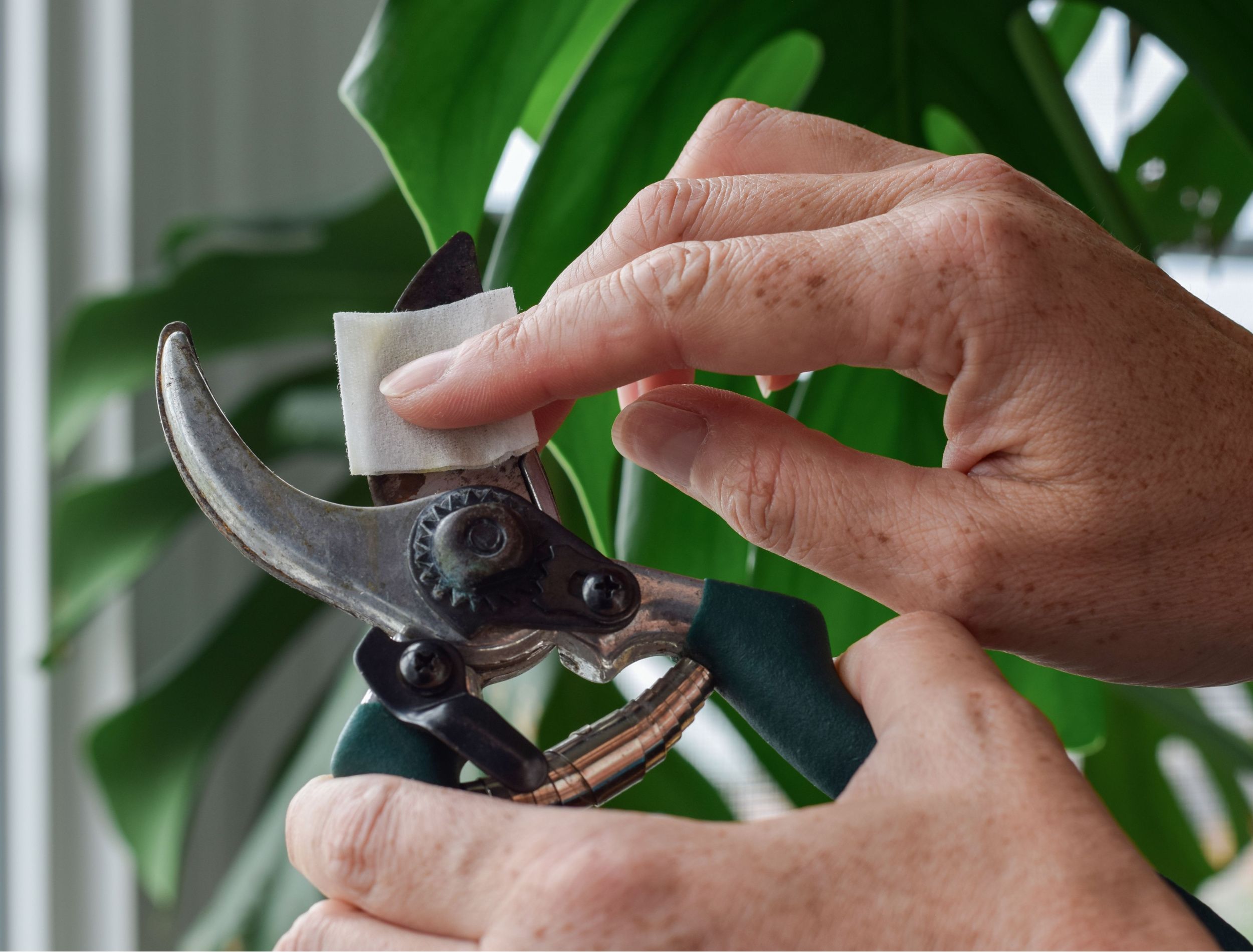
Applying a protective coating can be an effective way to shield your tools from rust. Consider using products like WD-40 or a silicone spray. These create a barrier against moisture. A thin layer of oil can also serve as a protective shield. Rub a few drops of motor oil on the metal surfaces of your tools. This simple step can prevent rust from forming. If you’re looking for an eco-friendly option, try beeswax. Melt a small amount and coat your tools. This natural wax is a great alternative to chemical sprays.Storage Tips For Tools
How you store your tools can make a huge difference in preventing rust. Keep your tools in a dry, well-ventilated area. Moisture is the enemy of metal. Consider investing in a dehumidifier if your garage or workshop tends to be damp. This can help keep the air dry and your tools rust-free. Use toolboxes with moisture-absorbing packets. Silica gel packets can absorb excess moisture, offering extra protection. Remember that caring for your tools is an ongoing task. What small changes can you make today to protect your tools for tomorrow? By implementing these practical steps, you can keep your tools in peak condition, ready for any project that comes your way.Advantages Of Using Baking Soda
Baking soda is a simple solution for rust removal. It offers many benefits. It’s not just effective but also safe. It won’t harm your tools. Here, we explore its advantages.
Eco-friendly Benefits
Baking soda is a natural product. It doesn’t contain harsh chemicals. This makes it safe for the environment. You can use it without worry. It won’t pollute water or soil. It’s a greener choice for rust removal.
Cost-effectiveness
Baking soda is very affordable. You can find it in any grocery store. It’s cheaper than commercial rust removers. You don’t need to spend much. Just a small amount can clean your tools. This makes it cost-effective for regular use.
Credit: www.backyardboss.net
Alternative Rust Removal Methods
If you’ve ever dealt with rusty tools, you know how frustrating it can be. While baking soda is a popular choice, exploring alternative methods can help you find the best solution for your needs. These alternatives can offer different benefits, such as cost-effectiveness, environmental friendliness, or ease of use. Let’s dive into some other methods that might surprise you.
Comparison With Commercial Products
Commercial rust removers are often quick and effective, but they can be costly and contain harsh chemicals. The convenience of these products is undeniable—just apply, wait, and rinse. However, they may not be the best choice for everyone.
Consider how often you need to remove rust. If it’s a frequent issue, investing in commercial products might add up over time. You may also want to think about how important the environment is to you. These products may have adverse effects due to their chemical content.
Would you prefer something safer for your home and the planet? Alternatives like baking soda and other natural solutions might be more appealing. They are typically less expensive and more gentle on both your tools and the environment.
Natural Alternatives To Baking Soda
Vinegar is a fantastic rust remover. It’s easy to find and safe to use. Simply soak your rusty tools in vinegar overnight, and watch the rust dissolve. The acidity breaks down the rust, making it simple to scrub away.
Lemon juice is another natural remedy. Combine it with salt to create a paste and apply it to the rusty spots. Let it sit and then scrub off the rust. This method is effective and leaves a fresh scent.
Potatoes can also help. Slice a potato and dip it in dish soap or baking soda, then use it to scrub the rust away. The oxalic acid in potatoes can work wonders on rust stains. It’s a unique and unexpected method, but it might be worth a try.
Have you tried any of these methods? Which one surprised you the most? Exploring different options can lead you to discover the perfect solution for your rust problem.
Frequently Asked Questions
Does Baking Soda Remove Rust From Tools?
Yes, baking soda can remove rust from tools. Create a paste with baking soda and water. Apply it to the rusted area, scrub gently, and rinse thoroughly. This method is eco-friendly and cost-effective for rust removal. Regular maintenance can prevent future rust formation on your tools.
How Long To Leave Baking Soda To Remove Rust?
Leave baking soda paste on rust for 15 to 30 minutes. Scrub with a brush and rinse well. Repeat if necessary for stubborn rust.
Will Baking Soda Corrode Metal?
Baking soda can corrode metal over time, especially aluminum and thin metals. It creates a chemical reaction that can weaken the metal. Use it cautiously and rinse thoroughly to prevent damage.
Is Vinegar Or Baking Soda Better For Rust?
Vinegar is often more effective than baking soda for rust removal. Its acetic acid dissolves rust efficiently. Baking soda works well for mild rust stains. For best results, soak the rusty item in vinegar, then scrub with baking soda. Always rinse thoroughly after treatment.
Conclusion
Baking soda offers a simple solution for rust removal. This common household item is affordable and easy to use. Mix it with water to create a paste. Spread the paste on rusty spots. Let it sit for a few hours.
Then scrub with a brush. Rinse with water and dry thoroughly. Your tools will look much better. Baking soda doesn’t harm metal, keeping tools safe. Try it next time rust appears. It’s a handy method for tool maintenance. Keep your tools in top shape without spending much.
Simple, effective, and budget-friendly.

I’m Abby Lu, a passionate home cook who loves simplifying everyday meals. At PlugChef.com, I share product reviews and cooking guides to help you find the best tools for your kitchen.
Related posts:
 What Type of Cooking Utensils are Safe: Expert Picks
 What Innovations Could Blenders Make: Unleashing Future Tech
 Smart Strategies to Organize a Small Kitchen: Maximize Space
 How to Organize a Kitchen Cabinet: Expert Tips & Tricks
 How to Organize Kitchen Drawers: Expert Tips and Tricks
 How to Organize a Corner Kitchen Cupboard: Expert Tips