

Are your trusty tools showing signs of rust? Don’t worry, you’re not alone.
Rust can be a real nuisance, but there’s a simple and effective solution right in your kitchen—baking soda! You might be wondering how this humble household item can restore your tools to their former glory. Imagine the satisfaction of seeing your tools gleam once more, ready to tackle any project you have in mind.
You’ll discover the science behind baking soda’s rust-removing magic and learn how to apply it effortlessly. Get ready to transform your rusty tools into shiny, reliable companions!
Baking Soda Properties
Baking soda is a common kitchen ingredient. It is known for its versatility. Beyond cooking, it has amazing cleaning properties. It is effective for removing rust from tools. Let’s explore why it works so well.
Understanding The Chemical Composition
Baking soda is sodium bicarbonate. This compound is mildly alkaline. It reacts with acidic substances. This reaction makes it a powerful cleaning agent. It helps break down rust on metal surfaces.
The Abrasive Nature Of Baking Soda
Baking soda has a fine, gritty texture. This makes it an effective abrasive. It helps scrub away rust without damaging tools. Its gentle nature ensures tools remain intact.
Baking Soda’s Non-toxic Nature
Baking soda is non-toxic and safe. It poses no harm to your skin. It is safe to use around pets and children. This makes it a preferred choice for many households.
Cost-effectiveness Of Baking Soda
Baking soda is affordable and easy to find. You can buy it at any grocery store. This makes it accessible for everyone. It offers a budget-friendly solution for rust removal.
Rust Formation Basics
Baking soda removes rust from tools by neutralizing acidic compounds and loosening the rust particles. Mixed with water, it forms a paste that helps scrub away rust without damaging the metal.
Understanding how rust forms is crucial to preventing and removing it from your tools. Rust, the reddish-brown flaky coating, is more than just an eyesore; it weakens the metal, making tools unreliable. But what causes this pesky problem, and how can baking soda help?What Is Rust?
Rust is a type of corrosion that affects iron and its alloys. When iron reacts with oxygen in the presence of moisture, rust forms. This chemical reaction, known as oxidation, gradually eats away at the metal.Environmental Factors
Moisture is the main culprit in rust formation. If you live in a humid area or store your tools in a damp basement, rust is more likely to develop. Even a small amount of water can start the rusting process, highlighting the importance of keeping tools dry.The Role Of Oxygen
Oxygen in the air is everywhere, and it actively participates in forming rust. When iron is exposed to both oxygen and water, the metal starts to deteriorate. This process happens silently, but over time, it can completely ruin your tools.Iron’s Vulnerability
Iron is strong, but it has a weakness: its susceptibility to rust. This vulnerability makes regular maintenance crucial. Keeping tools clean and dry is essential for prolonging their life, but what happens if rust has already formed?Why Baking Soda?
Baking soda is a household item with many uses. It’s mild, non-toxic, and effective at removing rust. When combined with water, it forms a paste that can scrub away rust without damaging the metal.Preventive Measures
It’s easier to prevent rust than to remove it. Regularly oiling your tools and storing them in a dry place can significantly reduce rust formation. Taking these simple steps can save you time and effort in the long run. Have you noticed rust on your tools? What steps will you take to prevent it in the future? Share your thoughts and experiences in the comments below.Step-by-step Rust Removal
Rust can be a real menace to your tools. It not only affects their appearance but also their functionality. Baking soda offers a simple, cost-effective way to banish rust. It’s gentle on tools and easy to use. Follow this step-by-step guide to restore your tools to their former glory.
Gather Materials
Start by collecting the necessary items. You’ll need baking soda, water, a small bowl, and a cloth or sponge. Also, grab a brush with stiff bristles for scrubbing. Make sure you have a towel handy for drying.
Prepare Baking Soda Paste
Mix baking soda with water in a bowl. Aim for a thick, paste-like consistency. The paste should hold its shape when applied, not run off the tool.
Apply To Rusted Areas
Spread the paste onto the rusted spots. Cover each area thoroughly. Let it sit for about 15 minutes. This allows the baking soda to penetrate the rust.
Scrubbing Technique
After the paste has set, use the stiff brush. Scrub the rusted areas with firm pressure. Circular motions work best. Watch as the rust begins to lift away.
Rinsing And Drying
Once the rust is removed, rinse the tools under warm water. Make sure all paste is washed off. Dry them immediately with a towel. This prevents new rust from forming.

Credit: www.instructables.com
Safety Precautions
Using baking soda to remove rust from tools is effective and safe. But, it’s important to follow safety precautions. These steps ensure safety and effective results.
1. Wear Protective Gear
Safety goggles shield your eyes from splashes. Use gloves to protect your hands. Baking soda is mild, but gloves prevent irritation.
2. Work In A Well-ventilated Area
Rust particles may become airborne. Ensure good airflow by working outside or opening windows. This keeps air fresh and breathable.
3. Keep Away From Children And Pets
Keep children and pets away from your workspace. Baking soda is safe, but tools and rust may pose risks.
4. Use The Right Amount
Using too much baking soda can be wasteful. Use a small amount. Add more if needed. This conserves supplies and minimizes mess.
5. Dispose Of Waste Properly
Rust and baking soda residue should be disposed of safely. Use a trash bag. Seal it tightly. This prevents contamination and keeps the area clean.
Benefits Of Using Baking Soda
Baking soda is a simple solution for rust removal. Mix it with water to create a paste. Apply the paste to rusty tools, then scrub gently. This method is affordable and effective, restoring tools to their former glory. Baking soda’s mild abrasiveness lifts rust without damaging surfaces.
Baking soda is not just for cookies and cakes; it’s a versatile tool in your toolbox for cleaning and restoring rusty tools. Using baking soda to remove rust comes with multiple benefits that make it an excellent choice for anyone looking to maintain their equipment effortlessly. You might be surprised at how this simple household item can transform your rusty tools into gleaming, functional pieces once more.Environmentally Friendly
Baking soda is a natural and non-toxic substance. You can clean your tools without worrying about harmful chemicals seeping into the environment. This means you’re not only protecting your tools but also taking care of the planet. It’s satisfying to know that you’re maintaining your equipment in an eco-friendly manner.Cost-effective
Why spend a fortune on specialized rust removers when baking soda does the trick? It’s affordable and readily available in most households. You don’t need to break the bank to keep your tools in top condition. Imagine saving those extra dollars for other important purchases or projects.Gentle On Tools
Unlike some harsh chemicals, baking soda is gentle on your tools. It doesn’t corrode or damage the metal, which means your tools remain strong and durable. You can trust that using baking soda won’t compromise the integrity of your equipment. This gentleness is especially beneficial for older tools that might be more sensitive to abrasive cleaners.Easy To Use
No complex procedures or mixtures are required here. Simply mix baking soda with water to form a paste, apply it to the rusted area, and let it sit. The process is straightforward and doesn’t require much time or effort. You can easily fit this task into your busy schedule and achieve great results without hassle.Effective Results
Don’t underestimate the power of baking soda. Even stubborn rust spots can be tackled with this mighty powder. Many people have shared their success stories of reviving their old, rusty tools with baking soda. You might find yourself surprised at the effectiveness of such a simple solution. Have you tried using baking soda for rust removal? If not, what’s stopping you from giving it a shot?Alternative Methods
Baking soda effectively removes rust from tools by creating a gentle abrasive paste. Mix baking soda with water, then scrub the affected areas. Its alkaline nature helps break down rust, restoring the tool’s surface without harsh chemicals.
When you’re dealing with rust on your tools, baking soda is a popular choice. But did you know there are other methods you can try? Sometimes, having multiple options can be handy. These alternatives can suit different needs and preferences. Let’s dive into some of these methods that might be just what you’re looking for.Vinegar Solution
Vinegar is more than just a salad dressing ingredient. Its acidic nature makes it an effective rust remover. To use vinegar, soak the rusty tool in a bowl of white vinegar for a few hours. After soaking, scrub the rust away with a brush or aluminum foil. It’s a simple method that often yields great results. Who knew your pantry could double as a toolbox?Lemon Juice Approach
Lemon juice is another household item you can use. It works well on small rust spots. Combine lemon juice with a little salt for added effectiveness. Apply this mixture to the rust and let it sit for a couple of hours. Then scrub it off with a brush or sponge. Do you have lemons at home? You might want to try this natural method next time.Commercial Rust Removers
If you’re looking for something more potent, commercial rust removers are an option. These products are specifically designed to tackle rust. They often contain chemicals that break down rust quickly. Follow the instructions carefully for the best results. While they can be effective, they may require safety precautions. Are you ready to try a more professional approach to rust removal? Each method has its own pros and cons. It’s all about finding what works best for your situation. Have you tried any of these methods before? Let us know your experience in the comments!Preventing Future Rust
Baking soda effectively removes rust from tools through a simple chemical reaction. It combines with water to create a paste that gently scrubs away rust. This natural method protects metal surfaces while restoring their shine.
Preventing rust on tools ensures longevity and efficiency. Once baking soda has removed rust, keeping tools rust-free becomes essential. This involves regular maintenance and care. Here are some practical steps to keep your tools in top shape.Regular Cleaning
Clean tools after each use to prevent rust. Dirt and moisture promote rust formation. Use a dry cloth to wipe them down. For stubborn grime, use mild soap and water. Ensure tools are completely dry before storing. This simple habit can significantly reduce rust risk.Proper Storage
Store tools in a dry place to prevent rust. Moisture is a tool’s enemy. Use a toolbox or a tool chest with a lid. Consider using silica gel packs to absorb moisture. Hanging tools on a pegboard can also help. Ensure the storage area is well-ventilated.Use Of Protective Coatings
Apply a protective coating to shield tools from rust. Use a light layer of oil on metal surfaces. This creates a barrier against moisture. WD-40 is a popular choice for many. Alternatively, use a rust-inhibitor spray. Reapply the coating after each cleaning session. This ensures maximum protection against rust.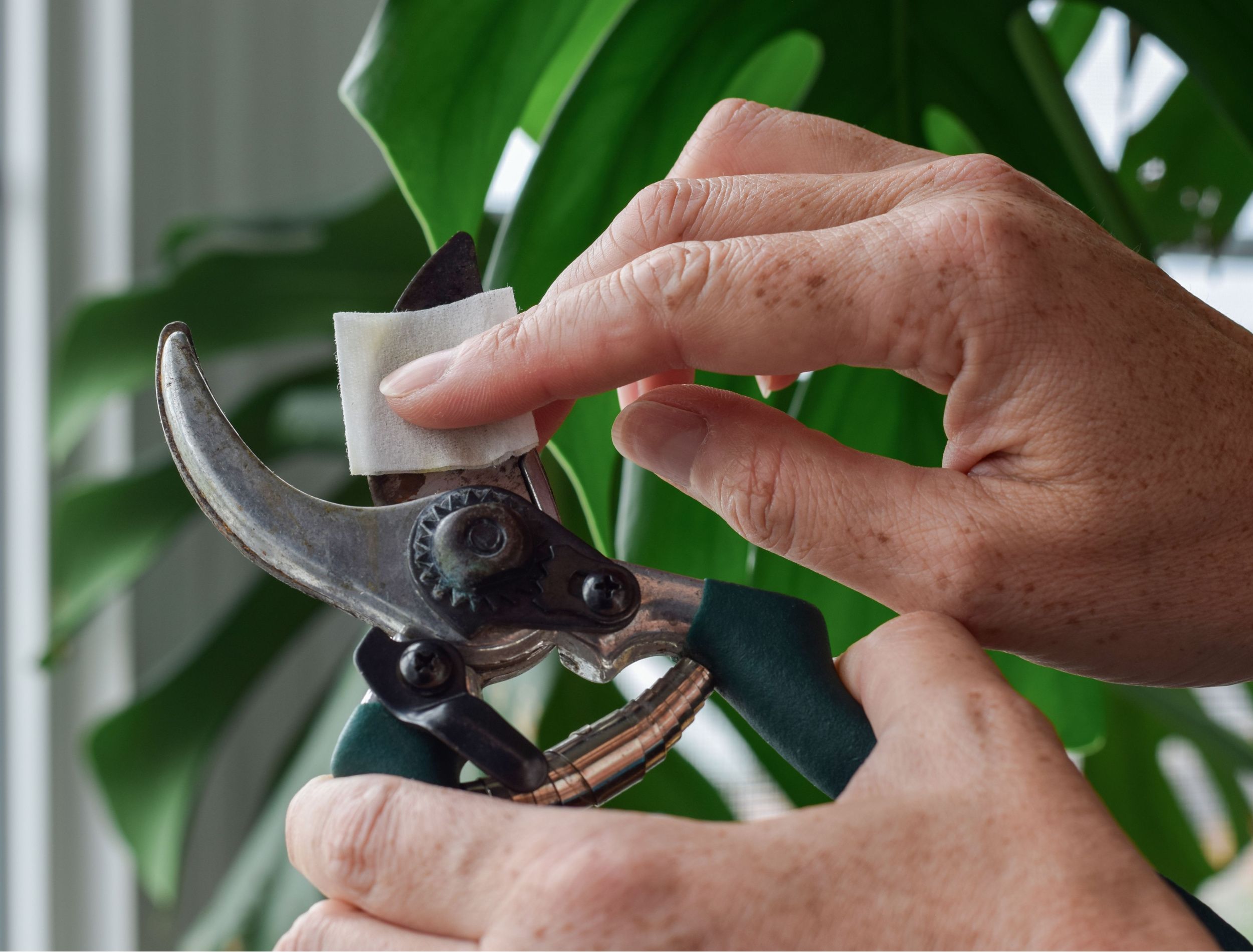
Credit: www.backyardboss.net

Credit: www.youtube.com
Frequently Asked Questions
Does Baking Soda Remove Rust From Tools?
Yes, baking soda removes rust from tools effectively. Create a paste with water and baking soda, then apply. Let it sit for a few hours, scrub with a brush, and rinse off. This method is eco-friendly and non-toxic, making it a safe option for rust removal.
How Long To Leave Baking Soda To Remove Rust?
Leave baking soda paste on rust for 15 to 20 minutes. Scrub with a brush. Rinse thoroughly with water. Repeat if necessary for stubborn rust.
Will Baking Soda Corrode Metal?
Baking soda can corrode metal over time. It causes oxidation, leading to rust and damage. Use it cautiously on metals. Rinse thoroughly after use to prevent corrosion. Regular cleaning and drying can minimize potential damage.
Is Vinegar Or Baking Soda Better For Rust?
Vinegar effectively dissolves rust due to its acidic nature. Baking soda acts as a gentle abrasive cleaner. For stubborn rust, vinegar is usually more effective. Baking soda works well for light rust or as a secondary cleaner after vinegar. Choose based on rust severity and desired cleaning method.
Conclusion
Baking soda offers a safe way to tackle rust. It’s gentle yet effective. Mix with water for a paste. Apply to rusty spots. Let it sit, then scrub with a brush. Rinse well. Your tools will look cleaner. This method is affordable and simple.
Ideal for home use. No harsh chemicals needed. Regular upkeep keeps tools in good shape. Try this easy solution. Keep your tools rust-free with baking soda. It’s a straightforward approach. Perfect for maintaining your tools without hassle. Rust removal doesn’t have to be complicated.
Keep it simple and effective.

I’m Abby Lu, a passionate home cook who loves simplifying everyday meals. At PlugChef.com, I share product reviews and cooking guides to help you find the best tools for your kitchen.
Related posts:
 What Type of Cooking Utensils are Safe: Expert Picks
 What Innovations Could Blenders Make: Unleashing Future Tech
 Smart Strategies to Organize a Small Kitchen: Maximize Space
 How to Organize a Kitchen Cabinet: Expert Tips & Tricks
 How to Organize Kitchen Drawers: Expert Tips and Tricks
 How to Organize a Corner Kitchen Cupboard: Expert Tips

