

Imagine preparing a delicious meal without spending hours in the kitchen. Picture the ease and efficiency of cooking with a device that does the hard work for you.
An electric pressure cooker can transform your cooking experience, making it faster, simpler, and more flavorful. But how does this magical appliance work? Understanding the mechanics behind an electric pressure cooker can empower you to make the most of its capabilities, turning everyday cooking into a culinary adventure.
As you dive into this article, you’ll discover the secrets that make this kitchen tool a must-have. Get ready to unlock the potential of quick and tasty meals, and enjoy the confidence that comes from mastering your electric pressure cooker.
Basics Of Electric Pressure Cookers
Electric pressure cookers have changed how people prepare meals. These appliances are efficient and user-friendly. They cook food quickly, using steam and pressure. Understanding their basics helps in making the most of them.
Understanding The Pressure Cooking Process
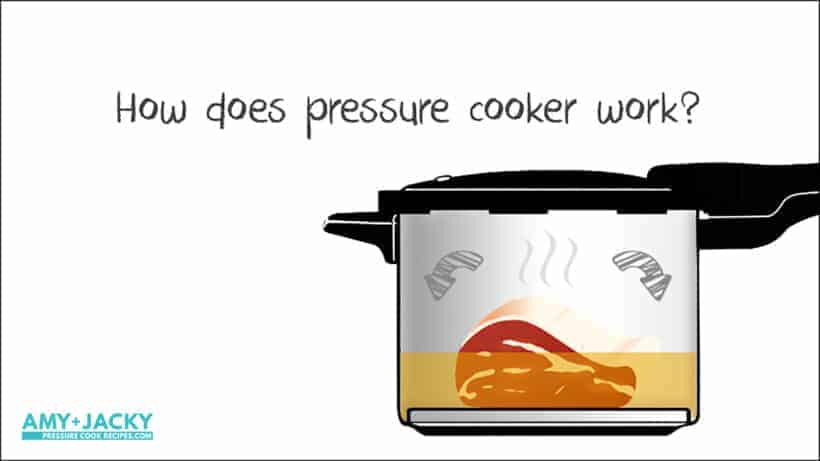
An electric pressure cooker traps steam inside. This increases the internal pressure. With higher pressure, water boils at a higher temperature. This cooks food faster than traditional methods. The sealed environment also locks in flavors and nutrients.
Key Components Of An Electric Pressure Cooker
Electric pressure cookers have several main parts. The outer pot holds the cooking bowl. Inside, the inner pot or liner is where food is placed. The lid has a sealing ring to trap steam. A pressure valve controls steam release. Safety features prevent accidents.
Setting And Controls
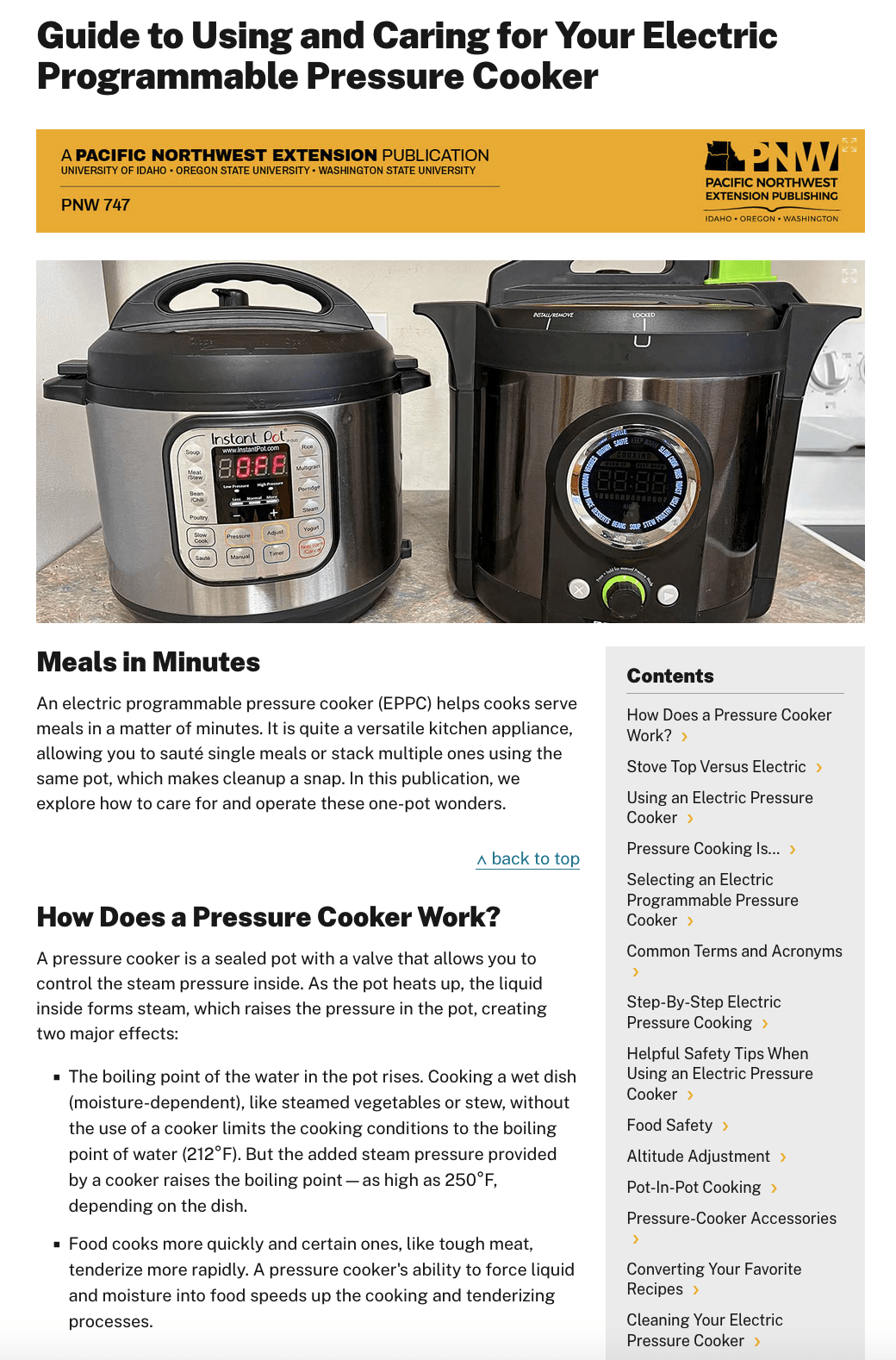
Most electric pressure cookers have digital controls. Users select the cooking time and pressure level. Some models have preset programs for different foods. These include rice, meat, and soup. The display shows cooking status and timer.
Safety is a priority in electric pressure cookers. They have multiple safety mechanisms. Lid locks prevent opening under pressure. Pressure sensors monitor internal pressure. Automatic shut-off avoids overheating. These features ensure safe and easy cooking.
Benefits Of Using An Electric Pressure Cooker
Cooking with an electric pressure cooker saves time and energy. Meals are ready in minutes. Food retains more vitamins and minerals. The cooker is versatile, suitable for various recipes. From stews to desserts, it handles them all.
Credit: www.pressurecookrecipes.com
Key Components
An electric pressure cooker uses heat, steam, and pressure to cook food quickly. The sealed pot traps steam, building pressure that raises the cooking temperature. This process speeds up cooking while preserving flavor and nutrients.
Understanding the key components of an electric pressure cooker is essential for anyone looking to master the art of quick and efficient cooking. These components work together seamlessly to make cooking faster and more convenient. Let’s dive into the main parts that make this kitchen gadget tick.Inner Pot
The inner pot is where all the magic happens. It’s a removable, stainless steel or non-stick pot that holds your ingredients. Easy to clean and durable, this pot ensures even heat distribution. Have you ever noticed how your rice or stew comes out perfectly cooked? Thank the inner pot for that.Heating Element
The heating element is the powerhouse of your electric pressure cooker. Located at the base, it heats the inner pot to cook your food. It’s like having a stove built right into your cooker, providing consistent heat that adjusts according to your selected settings. Isn’t it amazing how it maintains just the right temperature for perfect results?Control Panel
The control panel is your command center. This user-friendly interface lets you select cooking modes, set timers, and adjust pressure levels. With just a few button presses, you can sauté, slow cook, or pressure cook your meals. Ever feel overwhelmed with too many buttons? Don’t worry, most models come with clear instructions.Sealing Ring
The sealing ring is a crucial component for building pressure inside the cooker. Made from silicone, this ring fits snugly inside the lid, ensuring no steam escapes. This tight seal is what allows the pressure cooker to cook food quickly, locking in flavors. Have you ever wondered why your dishes taste so rich and savory? The sealing ring plays a big role in that.Pressure Valve
The pressure valve is your safety net. It regulates the pressure inside the cooker and allows steam to escape safely. When you’re done cooking, this valve helps release pressure quickly, so you can open the lid without any fuss. Ever been anxious about using a pressure cooker? The pressure valve is designed to keep your mind at ease. Each of these components plays a vital role in making electric pressure cookers a staple in modern kitchens. Next time you cook, take a moment to appreciate how these parts come together to make meal prep a breeze. How do you think these features can enhance your cooking experience?Cooking Mechanism
Electric pressure cookers have transformed how we cook, speeding up meal preparation without compromising flavor. Understanding the cooking mechanism of these efficient devices can help you make the most of your culinary adventures. Let’s break down how heat and pressure generation, temperature control, and cooking phases work in your electric pressure cooker.
Heat And Pressure Generation
Electric pressure cookers use electricity to heat up a sealed pot. The heating element warms the pot, causing the liquid inside to boil. As the liquid boils, steam forms and builds pressure. This pressure cooks food faster than traditional methods.
Imagine preparing a hearty stew after a long day. Instead of waiting hours, your pressure cooker can have it ready in under an hour. The pressure helps tenderize tough cuts of meat quickly. It’s efficient and saves time, perfect for busy schedules.
Have you ever wondered how your grandmother managed to cook meals that took hours? With this mechanism, you can achieve similar results in a fraction of the time.
Temperature Control
Modern electric pressure cookers come with precise temperature controls. They maintain a consistent temperature, ensuring even cooking. This eliminates the guesswork and reduces the risk of overcooking or burning.
Think of it as having your personal chef managing the heat for you. You set the temperature, and the cooker handles the rest. This feature is especially useful when cooking delicate dishes like risotto or yogurt.
Have you experienced the frustration of constantly checking if your soup is boiling? With an electric pressure cooker, you can set it and forget it.
Cooking Phases
An electric pressure cooker operates in distinct phases: preheat, cook, and release. During preheat, the cooker builds up pressure. In the cook phase, your food is prepared under high pressure. Lastly, the release phase lets out steam, making it safe to open.
Picture this: you’re making a creamy mushroom risotto. The cooker preheats, ensuring the rice absorbs the flavors. Then, it cooks under pressure, creating a creamy texture. Finally, the steam release finishes the process, leaving you with a restaurant-quality dish.
Ever thought about the precision involved in this process? Each phase is designed to optimize cooking time and quality, so you can focus on what matters — enjoying your meal.
Credit: extension.oregonstate.edu
Safety Features
Electric pressure cookers are not just about cooking food quickly; they are also designed with safety as a top priority. These modern kitchen appliances come with multiple safety features, ensuring your cooking experience is not only efficient but also secure. Understanding these features can help you use your pressure cooker confidently and avoid potential mishaps. Let’s dive into the key safety elements that make electric pressure cookers a reliable choice for your culinary adventures.
Pressure Release
Ever wonder how pressure cookers safely manage steam buildup? Electric pressure cookers have a pressure release valvethat allows excess steam to escape. This prevents pressure from becoming too high. It’s like having a safety net that ensures the cooker doesn’t turn into a mini volcano. You can manually release the pressure once cooking is done, making it easy to open the lid without any fear. This feature is crucial for maintaining both the integrity of your meals and your peace of mind.
Locking Lid
A secure lid is vital in pressure cooking. Electric pressure cookers boast a locking lidmechanism that ensures the lid stays tightly closed during cooking. This prevents accidental opening, which could lead to burns or spills. Have you ever felt the anxiety of opening a hot pot? The locking lid takes away that worry. It’s a simple yet effective way to make sure the pressure stays where it should—inside the cooker.
Overheat Protection
Worried about your cooker getting too hot? Electric pressure cookers are equipped with overheat protection. This feature automatically shuts off the heating element if the temperature exceeds safe levels. It’s like having a vigilant guardian keeping an eye on your cooking. This is especially useful if you get distracted or busy multitasking in the kitchen. Knowing your cooker won’t overheat gives you the freedom to focus on other tasks without stress.
These safety features are designed to make your cooking process smooth and safe. Have you ever considered how much easier cooking becomes when you don’t have to worry about safety risks? Electric pressure cookers provide that peace of mind, allowing you to enjoy experimenting with new recipes and flavors. Are you ready to take your cooking game up a notch with these safety features?
Energy Efficiency
Electric pressure cookers are known for their energy efficiency. They use less electricity compared to traditional cooking methods. This makes them a popular choice for many households looking to save on energy costs.
How Electric Pressure Cookers Save Energy
Electric pressure cookers cook food faster by trapping steam. This reduces cooking time. Less time cooking means less energy used. The sealed pot design also prevents heat loss.
Comparison With Traditional Cooking Methods
Traditional cooking methods can be slow and energy-hungry. Boiling, simmering, or frying on a stovetop requires constant energy use. Electric pressure cookers cut down the time and energy needed significantly.
Benefits Of Energy Efficiency
Saving energy lowers electricity bills. It also reduces environmental impact. Every little saving contributes to a greener planet. Electric pressure cookers are a step towards sustainable cooking.
Why Choose An Electric Pressure Cooker?
For those conscious about energy use, electric pressure cookers are ideal. They offer quick, efficient cooking. Meals are ready in less time, using less power. This efficiency makes them a smart choice for any kitchen.
Common Cooking Functions
Electric pressure cookers have become essential in modern kitchens. They offer multiple cooking functions. Each function simplifies meal preparation. Let’s explore these common cooking functions.
Pressure Cooking
Pressure cooking is a primary feature of electric pressure cookers. It uses steam pressure to cook food quickly. The cooker traps steam inside, increasing the pressure. This high pressure raises the boiling point of water. As a result, food cooks faster and retains more nutrients. Perfect for busy weeknights.
Sautéing
Electric pressure cookers also allow sautéing. This function lets you brown ingredients directly in the pot. No need for extra pans. Sautéing enhances the flavor of your dish. It’s great for onions, garlic, and spices. Begin your recipe with sautéing for a rich taste.
Slow Cooking
Slow cooking is another versatile feature. It cooks food at low temperatures over several hours. This is ideal for tenderizing meats and developing flavors. You can set it in the morning and return to a cooked meal. Perfect for stews and soups.
Steaming
Steaming is a healthy cooking method. It preserves nutrients in vegetables and fish. The electric pressure cooker steams by using the steam rack. Place your ingredients on the rack above the water. This gentle cooking method keeps the food’s natural flavors.
Maintenance Tips
Electric pressure cookers function by trapping steam, raising pressure, and cooking food faster. Regularly check seals for wear and clean thoroughly to ensure efficiency. Ensure venting valves are clear to maintain pressure and prevent malfunction.
Maintaining your electric pressure cooker ensures it remains efficient and extends its lifespan. With a few simple tips, you can keep your cooker in top shape, ready for all your culinary adventures. Let’s dive into some practical maintenance tips that will help you make the most out of your kitchen companion.Cleaning Guidelines
Cleaning your electric pressure cooker is crucial. Begin by unplugging it and letting it cool. Remove the inner pot and wash it with warm, soapy water. Use a soft sponge to avoid scratching the surface. Rinse and dry thoroughly to prevent water spots. Wipe the exterior with a damp cloth, ensuring no water seeps into the electronic parts. For stubborn food residues, use a mixture of baking soda and water. This gently lifts off the grime without damaging your cooker. Remember, never submerge the base in water.Sealing Ring Care
The sealing ring is a vital part of your pressure cooker. It ensures the cooker seals properly and cooks efficiently. After each use, remove the ring and wash it with warm, soapy water. Dry it completely before placing it back. This prevents mold and odors from developing. Check the ring for wear and tear regularly, as a damaged ring can affect performance. Have you noticed an odor lingering on the ring? Place it in a zip-lock bag with baking soda overnight. This simple trick can help neutralize unwanted smells.Storage Recommendations
Proper storage can significantly impact your cooker’s longevity. Store the cooker with the lid upside down or slightly ajar. This allows air circulation, preventing odors from developing inside. Keep it in a dry place, away from direct sunlight. Sunlight can cause discoloration and degrade the outer material. Ensure all parts are dry before storing to prevent rust. Consider dedicating a specific spot in your kitchen for your cooker. A consistent storage place reduces the risk of accidental drops or damage. How do you store your pressure cooker? A little thought into storage can make a big difference.
Credit: www.gdtri-en.com
Frequently Asked Questions
Do You Have To Put Water In An Electric Pressure Cooker?
Yes, always add water to an electric pressure cooker. Liquid creates steam necessary for pressure cooking. Follow the recipe guidelines for the correct amount. Avoid using the cooker without liquid to prevent damage and ensure proper cooking results.
What Are The Disadvantages Of Electric Pressure Cookers?
Electric pressure cookers can be expensive and require electricity. They may have a learning curve for beginners. Some models lack the durability of traditional pressure cookers. There’s a risk of malfunction or electronic failure. Limited cooking capacity can be an issue for large families.
What Is The Difference Between A Pressure Cooker And An Electric Pressure Cooker?
A pressure cooker uses stovetop heat, while an electric pressure cooker has its own heating element. Electric models offer preset cooking programs, making them more convenient and versatile. Stovetop pressure cookers typically cook faster and can reach higher pressure levels, ideal for experienced cooks.
Both save time and energy.
What Cannot Be Cooked In A Pressure Cooker?
Delicate fish, crispy foods, and dairy-based dishes should not be cooked in a pressure cooker. They may overcook or lose texture.
Conclusion
Electric pressure cookers simplify cooking. They save time and reduce effort. These cookers use steam pressure to cook food faster. You can prepare meals quickly and efficiently. Safety features ensure secure cooking. Versatile functions allow you to cook various dishes.
From soups to rice, options are abundant. Cleanup is straightforward, making life easier. An electric pressure cooker is a handy kitchen tool. It suits busy lifestyles and offers convenience. Understanding its workings can enhance your cooking experience. Enjoy delicious meals with ease.
Embrace the simplicity it brings to your kitchen.

I’m Abby Lu, a passionate home cook who loves simplifying everyday meals. At PlugChef.com, I share product reviews and cooking guides to help you find the best tools for your kitchen.
Related posts:
 What Type of Cooking Utensils are Safe: Expert Picks
 What Innovations Could Blenders Make: Unleashing Future Tech
 Smart Strategies to Organize a Small Kitchen: Maximize Space
 How to Organize a Kitchen Cabinet: Expert Tips & Tricks
 How to Organize Kitchen Drawers: Expert Tips and Tricks
 How to Organize a Corner Kitchen Cupboard: Expert Tips

