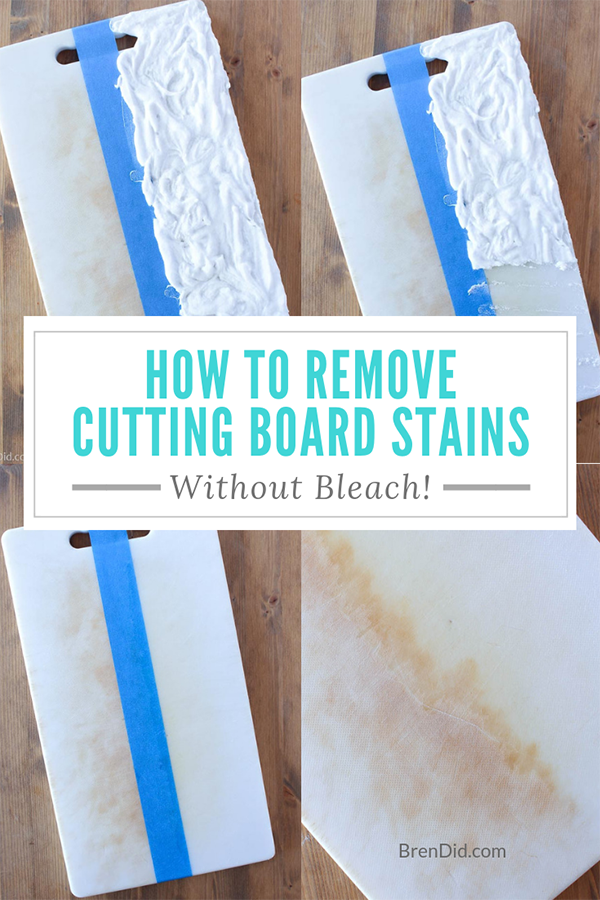

Imagine this: you’re in your kitchen, preparing a delicious meal, and your trusty wooden cutting board is right there, ready to help. But wait—are you giving your cutting board the care it deserves?
If you’re like most people, you might not realize how important it is to season your wooden cutting board. This simple act can make all the difference in keeping your board in top shape, preventing cracks, and ensuring it lasts for years.
Seasoning isn’t just about maintenance; it’s about creating a better cooking experience. When you season your cutting board, you’re protecting it from moisture and bacteria. You’ll notice how much smoother it feels under your knife, making food prep easier and safer. So, how do you season a wooden cutting board the right way? Let’s dive into the steps that will transform your cutting board into your kitchen’s best companion. By the end of this article, you’ll have all the tips and tricks you need to keep your wooden cutting board in perfect condition. Stay tuned and discover how a little care can go a long way in your culinary adventures.
Credit: www.americastestkitchen.com
Choosing The Right Oil
Selecting the right oil is key for seasoning a wooden cutting board. Opt for food-grade mineral oil. It protects the board and enhances durability. Regular application keeps the board smooth and prevents cracks.
Selecting the right oil for seasoning your wooden cutting board is crucial. The oil protects the board and keeps it looking fresh. It also prevents the wood from drying out. Not all oils are suitable for this purpose. Some oils can go rancid or harm the wood. Choosing the right oil ensures your cutting board lasts long and remains safe for food preparation.Food-safe Options
Food-safe oils are best for seasoning wooden cutting boards. These oils do not spoil or harm food. Mineral oil is a popular choice. It is odorless and tasteless. Beeswax is another good option. It provides a protective layer and adds shine. Coconut oil is also safe. It has natural antibacterial properties.Avoiding Harmful Oils
Some oils can damage your cutting board. Avoid using vegetable oils like olive or sunflower oil. These oils can turn rancid over time. They can also leave an unpleasant smell. Nut oils are also risky. They can cause allergic reactions. Stick to oils that are stable and safe. This ensures your board remains in top condition. `:max_bytes(150000):strip_icc()/__opt__aboutcom__coeus__resources__content_migration__serious_eats__seriouseats.com__images__2015__09__20150824-wooden-cutting-board-how-to-maintain-kenji-6-a190c2d2238b41a9aada3248296a82e1.jpg)
Credit: www.seriouseats.com
Preparing The Board
Seasoning a wooden cutting board involves applying mineral oil to prevent cracks and warping. Clean the board first. Then, apply oil evenly and let it absorb overnight for optimal protection and longevity. Repeat regularly to maintain its condition.
Preparing a wooden cutting board for seasoning is essential. This process ensures longevity and enhances performance. A well-prepared board absorbs oils better. This enhances its durability and efficiency. Let’s explore the steps involved in preparing your wooden cutting board.Cleaning The Surface
First, clean the cutting board thoroughly. Use warm water and mild soap. Avoid harsh chemicals or abrasive scrubbers. Gently scrub the surface with a soft sponge. This removes food particles and bacteria. Rinse the board with clean water. Ensure no soap residue remains.Drying Techniques
Proper drying is crucial after cleaning. Use a clean, dry towel to pat the board dry. You can also air dry the board naturally. Place it upright to allow air circulation. Avoid placing it flat on a surface. This prevents moisture from getting trapped. Make sure the board is completely dry before seasoning. Moisture can affect the oil absorption negatively.Applying The Oil
Applying oil to a wooden cutting board is essential. It keeps the board in good condition. It also prevents cracks and warping. This process is simple and quick. It involves using the right amount of oil and applying it evenly.
Proper Amount To Use
Using the right amount of oil is crucial. Too much can create a sticky surface. Too little won’t cover the board properly. A tablespoon is usually enough for a standard-sized board. Adjust based on the board’s size.
Techniques For Even Application
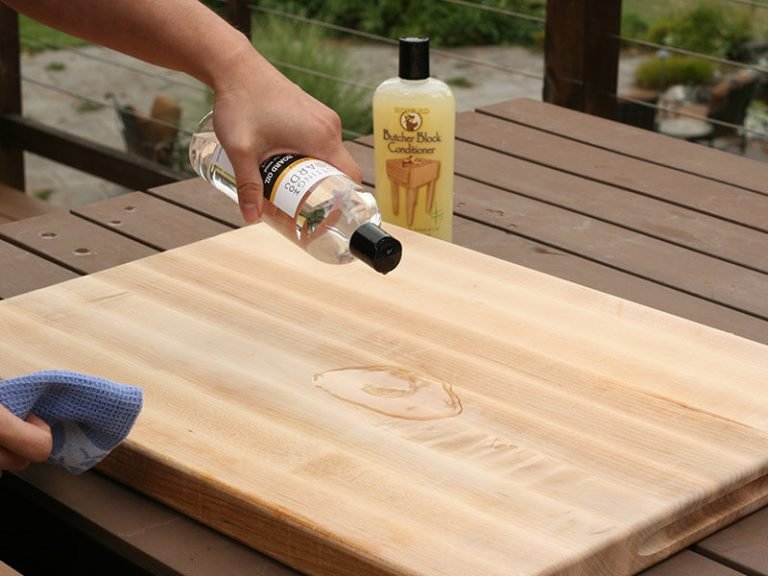
Use a clean cloth or paper towel. Pour some oil onto the cloth. Gently rub the oil over the board. Ensure you cover all areas. Move in the direction of the grain.
Apply the oil in small circles. This helps distribute the oil evenly. Pay attention to the edges and corners. These areas can dry out faster. Let the oil soak in for a few hours.
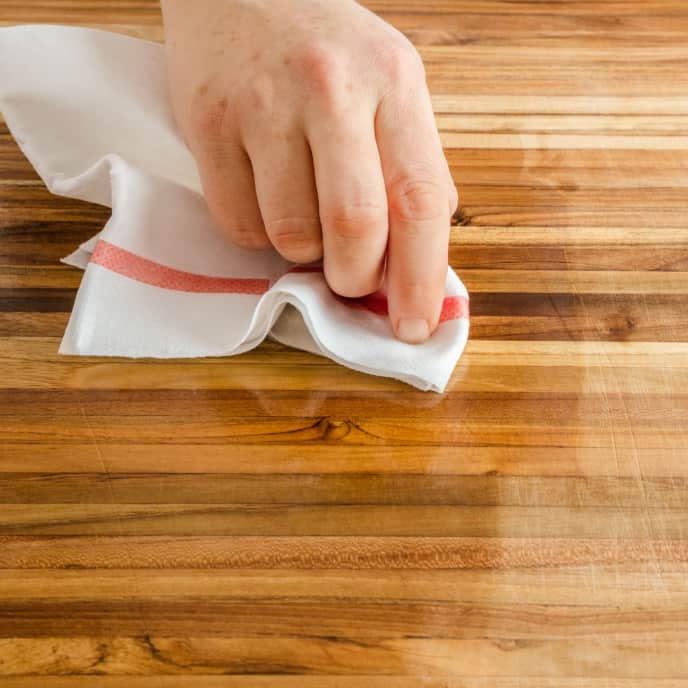
Wipe off any excess oil. Use a clean cloth for this. Make sure no oil pools on the surface. Your board should feel smooth and not sticky.
Credit: www.thekitchn.com
Letting The Board Absorb
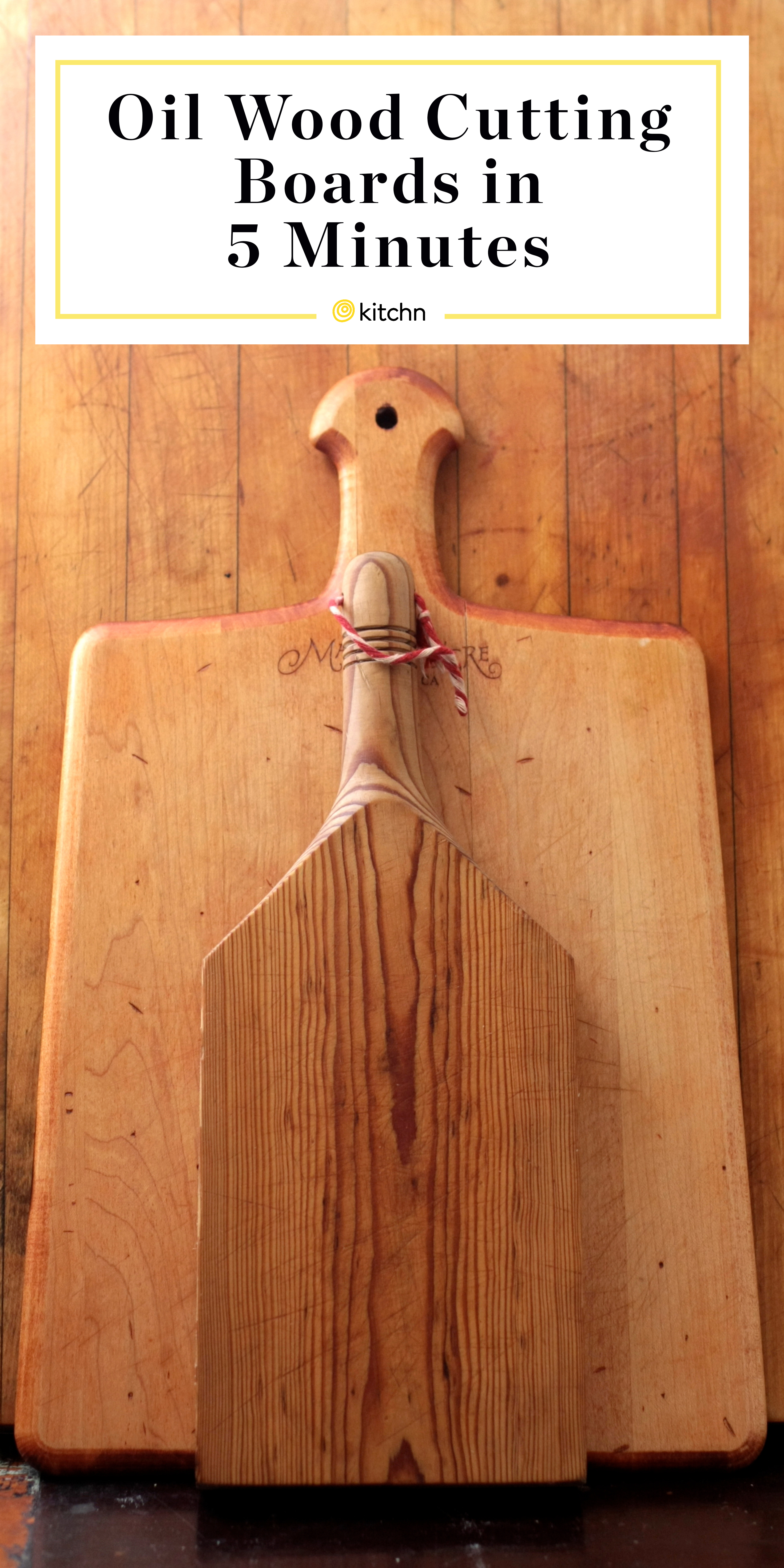
Seasoning a wooden cutting board involves applying oil to prevent drying and cracking. Let the board absorb the oil overnight for best results. Regular maintenance ensures durability and a smooth surface for cutting.
Letting your wooden cutting board absorb the oil is a crucial step in ensuring its longevity and performance. You might wonder why this step is so important. The answer is simple: it allows the oil to penetrate deep into the wood fibers, providing a protective barrier against moisture and bacteria. This not only helps in maintaining the board’s integrity but also in preserving its natural beauty.Recommended Waiting Time
After you’ve applied a generous amount of oil to your cutting board, patience becomes key. How long should you wait? Ideally, give your board at least 12 to 24 hours. This time frame allows the oil to fully seep into the wood. I remember the first time I seasoned my board, I was tempted to rush the process. But waiting overnight made a noticeable difference. The board felt smoother and looked more vibrant.Checking For Absorption
Once the waiting period is over, it’s time to check if the board has absorbed the oil properly. How do you know it’s ready? Simply touch the surface. If it feels dry and not greasy, it’s a good sign the oil has been absorbed. If you notice any excess oil on the surface, gently wipe it off with a clean cloth. This ensures the board isn’t sticky when you use it next. Have you ever skipped this step, thinking it was unnecessary? It might lead to an uneven surface or even a slippery board. Taking a few extra minutes to check for absorption can save you from potential mishaps in the kitchen. Incorporate these simple steps into your routine, and your wooden cutting board will thank you with years of reliable service. Have you seasoned your board recently? If not, consider giving it some TLC today!Removing Excess Oil
Keep a wooden cutting board in top shape by seasoning it. First, apply mineral oil evenly across the surface. Let it absorb, then remove excess oil with a clean cloth. This routine protects against moisture and extends the board’s life.
Seasoning a wooden cutting board is essential to ensure its longevity and maintain its functionality. But after applying oil, it’s crucial to remove excess oil for a smooth, finished surface. Let’s dive into some practical steps for this important process.Wiping Down The Board
After the initial application of oil, grab a clean cloth or paper towel. Use it to gently wipe down the board, removing any surface oil that hasn’t soaked into the wood. Be thorough without over-wiping; the goal is to prevent a sticky residue while keeping the board well-conditioned.Final Buffing
To achieve that perfect finish, consider buffing the board. Use a soft, dry cloth and gently rub the surface in circular motions. This process helps to distribute any remaining oil evenly, ensuring a smooth texture. Have you ever noticed how your cutting board seems to glow after buffing? It’s a sign that you’ve done it right, enhancing both its appearance and protective qualities. In your experience, have you ever skipped this step and regretted it later? Leaving excess oil can lead to an unpleasant sticky surface. It’s a small effort that makes a big difference in the board’s usability. By following these simple steps, you can ensure your cutting board remains in top-notch condition. Isn’t it satisfying to see your kitchen tools well-maintained and ready for the next culinary adventure?Maintaining Your Board
Seasoning a wooden cutting board keeps it in good shape. Apply mineral oil generously over the board’s surface. Let it soak overnight, then wipe off excess oil with a clean cloth. Regular seasoning prevents cracks and maintains the board’s smoothness for easy use.
Maintaining your wooden cutting board is essential to ensure its longevity and keep it looking pristine. Have you ever noticed a dull or dry cutting board and wondered what went wrong? A well-maintained board not only enhances your kitchen aesthetics but also protects your knives and prevents bacteria buildup. Here’s how you can keep your board in top shape.Regular Maintenance Schedule
Consistency is key to maintaining your cutting board. After each use, wash it with warm soapy water and dry it thoroughly. Avoid soaking it in water, as this can warp the wood. Regularly oil your board to keep it from drying out. A good rule of thumb is to oil it once a month, but this can vary based on your usage. Use mineral oil or a specialized cutting board oil for best results. You might think of this as a chore, but trust me, it’s a small effort for a big payoff. Picture this: a beautiful, shiny board that makes you proud every time you step into your kitchen.Signs Your Board Needs Re-seasoning
How do you know when your board needs some extra love? If the wood appears dry or starts to lighten in color, it’s time for re-seasoning. Also, if you notice any cracks forming, it’s a clear sign that your board needs attention. Perform the water test: sprinkle a few drops of water on the surface. If the water soaks in rather than beading up, it’s time for re-seasoning. Don’t wait until your board is on its last legs to take action. Keep an eye out for these signs and make it a habit to check them regularly. How often do you actively check the condition of your board? It might be time to start!Troubleshooting Common Issues
Seasoning a wooden cutting board keeps it in good shape. Start by cleaning the board with warm, soapy water. Dry it well, then apply food-safe mineral oil. Rub it in with a cloth, covering all surfaces. Let it sit overnight to soak in.
Wipe off any excess oil with a clean cloth.
When you season a wooden cutting board, sometimes things don’t go as planned. Even if you’ve followed every step to the letter, issues can arise. But don’t worry—these problems are often easy to fix with a little know-how.Dealing With Sticky Residue
After applying oil or wax to your cutting board, you might notice a sticky surface. This often happens if too much oil is used or if it’s not absorbed properly. To fix this, wipe off the excess oil with a clean cloth. If the stickiness persists, wash the board with mild soap and warm water. Dry it thoroughly and reapply a smaller amount of oil. Have you ever noticed that even after cleaning, the sticky residue returns? This might be due to using the wrong type of oil. Ensure you’re using food-grade mineral oil. Other oils can go rancid, leading to unpleasant stickiness.Addressing Warping Or Cracking
Warping and cracking can make your board look unsightly and difficult to use. This usually results from moisture imbalance in the wood. To prevent this, always ensure your board is completely dry after washing. Store it in a cool, dry place. If your board is already warped, try placing a damp towel over it and letting it sit overnight. This can help the wood absorb moisture evenly and return to its original shape. Cracks may need a bit more attention. You can fill small cracks with food-safe wood filler. For larger cracks, it might be time to invest in a new board. Have you ever considered how the climate in your area could affect your cutting board? High humidity can cause more warping, so it’s crucial to adjust your care routine accordingly. Remember, a well-maintained cutting board not only looks great but also ensures a safe cooking environment. What steps will you take today to keep your cutting board in top shape?Additional Tips For Longevity
Wooden cutting boards are essential in every kitchen. Proper seasoning is crucial for their longevity. It’s not just about oiling; additional care can make them last longer. Let’s explore ways to extend the life of your wooden cutting board.
Storage Recommendations
Keep your cutting board dry. Moisture can warp wood. Store it upright in a cool, dry place. Ensure it gets air circulation to prevent mold. Avoid stacking with other boards. This can trap moisture. A dedicated spot is ideal. Hanging on a wall works well too.
Avoiding Common Mistakes
Never soak your wooden cutting board in water. This damages the wood fibers. Avoid using harsh chemicals. They strip natural oils. Use mild soap instead. Don’t place it in direct sunlight. Heat can cause cracking. Always dry thoroughly after cleaning. Moisture is the enemy. Regular oiling keeps it conditioned. Use food-grade mineral oil. Apply monthly for best results.
Frequently Asked Questions
How To Season A Wooden Cutting Board For The First Time?
Clean the board with warm, soapy water and dry thoroughly. Apply food-grade mineral oil generously. Rub oil evenly using a cloth. Let it soak overnight. Buff excess oil and repeat monthly for maintenance.
What Is The Best Oil To Season A Wooden Cutting Board?
Use food-grade mineral oil to season a wooden cutting board. It prevents drying, cracking, and is safe for food contact. Regular application keeps the board in good condition, enhancing its durability and appearance. Avoid vegetable oils as they can turn rancid.
Do Wooden Cutting Boards Need To Be Oiled?
Yes, wooden cutting boards need regular oiling. Oiling prevents drying and cracking, extending their lifespan. Use food-safe mineral oil for best results. Apply oil evenly and let it soak overnight. Repeat monthly for optimal maintenance. Proper care ensures your cutting board remains durable and hygienic.
Can I Use Olive Oil To Season My Wooden Cutting Board?
No, avoid using olive oil on wooden cutting boards. It can turn rancid and damage the wood. Instead, use food-grade mineral oil or beeswax for seasoning. These options effectively protect and maintain your cutting board’s surface, ensuring longevity and hygiene.
Conclusion
Seasoning your wooden cutting board protects it. Keeps it strong. Prevents damage. Regular oiling helps maintain its quality. Use natural oils like mineral or coconut. Apply evenly. Let the board absorb. Wipe off excess oil. Dry it properly. Store in a cool place.
Avoid direct sunlight. Proper care extends its life. Makes it last longer. Enhances the board’s appearance. Adds a natural shine. Keeps it looking new. Simple steps make a difference. Invest time in maintenance. Protect your kitchen tools. Enjoy the benefits of a well-cared-for cutting board.
Your kitchen deserves it.

Hi, I’m Daniel Brooks—a food lover and kitchen gear enthusiast. I enjoy testing cookware, utensils, and gadgets to see what really works in everyday cooking. At PlugChef.com, I share honest reviews, comparisons, and simple guides to help you choose the best tools for a safer, smarter, and more enjoyable kitchen.
Related posts:
 What Type of Cooking Utensils are Safe: Expert Picks
 What Innovations Could Blenders Make: Unleashing Future Tech
 Smart Strategies to Organize a Small Kitchen: Maximize Space
 How to Organize a Kitchen Cabinet: Expert Tips & Tricks
 How to Organize Kitchen Drawers: Expert Tips and Tricks
 How to Organize a Corner Kitchen Cupboard: Expert Tips