
Have you ever noticed that your cutting board looks a bit dull or lacks the smoothness it once had? You might be missing out on a crucial step that can prolong its life and enhance your culinary experience: seasoning.
Properly seasoning your cutting board is a simple yet effective way to protect it from cracks, stains, and odors. Plus, it gives your board a beautiful finish that enhances your kitchen’s aesthetic. Imagine slicing and dicing with ease, on a board that feels like new every time.
This guide will show you exactly how to season your cutting board, ensuring it remains a trusty tool in your kitchen arsenal. Ready to transform your cutting board and improve your cooking game? Let’s dive in and find out how!
Choosing The Right Oil
Seasoning a cutting board starts with choosing the right oil. Mineral oil is a popular choice for its ability to protect and nourish wood. Apply a generous amount, letting it soak in overnight for best results. Regular maintenance ensures your board remains hygienic and durable.
Choosing the right oil for seasoning your cutting board is crucial. It not only prolongs the life of your board but also ensures safety when preparing food. You might wonder which oils are best suited for this task. Let’s explore some food-safe options and oils you should avoid.Food-safe Options
When seasoning your cutting board, it’s important to choose oils that are safe for food contact. Mineral oil is a popular choice because it is colorless, odorless, and tasteless. It won’t spoil or go rancid, making it perfect for maintaining your cutting board. Fractionated coconut oil is another excellent option. Unlike regular coconut oil, it doesn’t harden at room temperature, ensuring your board stays smooth and conditioned. Have you ever considered using beeswax? It can be combined with mineral oil to create a protective layer, adding a bit of shine to your board. This combination is particularly popular among those who prefer a natural finish.Avoiding Certain Oils
Certain oils can do more harm than good. Vegetable oils and olive oils are common in our kitchens but should be avoided for seasoning cutting boards. They can become sticky and rancid over time. Imagine prepping your meal on a board that smells off — not very appetizing, right? Additionally, oils like linseed or flaxseed oil might seem natural but can dry unevenly, leading to a tacky surface. Always check the expiration date of any oil you consider using. The last thing you want is for your beautifully seasoned board to become a breeding ground for bacteria due to expired oil. Have you ever had an experience where choosing the wrong oil turned out to be a costly mistake? Share your story in the comments!
Credit: virginiaboyskitchens.com
Preparing The Cutting Board
Preparing your cutting board is crucial for its longevity and functionality. A well-seasoned board not only enhances its durability but also provides a clean and safe surface for food preparation. Before diving into seasoning, it’s essential to prepare the board properly. This involves cleaning and drying to ensure the seasoning process is effective and long-lasting.
Cleaning The Surface
Start by removing any food debris from the cutting board. Use a mild soap and warm water. Scrub gently with a sponge or brush to avoid damaging the wood.
For stubborn stains or odors, try a mixture of baking soda and water. This natural remedy helps remove unwanted residues without harsh chemicals.
Rinse thoroughly with clean water. Ensure no soap or cleaning agent remains on the board, as this can affect the seasoning process.
Drying Techniques
After cleaning, drying the board completely is key. Avoid letting it air dry, as this can lead to warping or cracking.
Use a clean, dry towel to pat the board dry. This method is quick and prevents any moisture from seeping into the wood.
If you’re in a hurry, try using a hairdryer on a low setting. It speeds up the drying process without risking damage to the board.
Have you ever noticed your cutting board smells a bit off after drying improperly? Moisture can lead to bacterial growth. Ensuring the board is dry can prevent this and keep your kitchen safe.
After preparing the board, you’re ready to move on to the seasoning process. This simple yet effective routine can extend the life of your cutting board and enhance your cooking experience. Are you ready to give your cutting board the care it deserves?
Applying The Oil
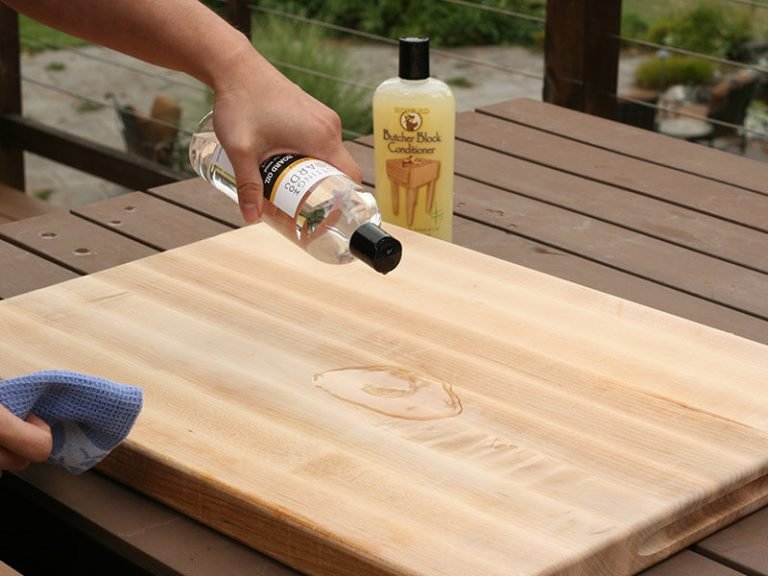
Applying oil to a cutting board helps protect and prolong its life. First, clean the board thoroughly. Then, use a clean cloth to rub food-safe oil in a circular motion. Allow the oil to soak in overnight.
Applying oil to your cutting board enhances its durability. It keeps the board looking fresh and prevents cracking. Regular oiling ensures your cutting board lasts longer and remains safe for food preparation.Tools Needed
You need a few essential tools for oiling your cutting board. Get some mineral oil or cutting board oil. Choose food-grade options for safety. You also need a clean cloth or paper towels. These help spread the oil evenly. A soft brush can be useful too.Step-by-step Process
Start with a clean cutting board. Wash it with warm water and mild soap. Dry it completely before oiling. Next, pour a small amount of oil onto the board. Use the cloth to spread the oil evenly. Cover every inch of the surface. Let the board soak in the oil. Leave it for several hours or overnight. This allows the oil to penetrate deeply. After soaking, wipe off excess oil with a dry cloth. Repeat this process monthly for best results. Regular oiling keeps your board in top condition.
Credit: www.wikihow.com
Allowing Time To Absorb
Giving the cutting board time to absorb oil ensures better protection and durability. Spread mineral oil evenly across the board’s surface, allowing it to soak in overnight. This process maintains the board’s condition, preventing cracks and extending its lifespan.
Seasoning your cutting board is crucial for its longevity and effectiveness. A well-seasoned cutting board is not just about applying oil; it’s also about allowing time for the oil to absorb fully. This step ensures that the board remains protected from moisture and bacteria, keeping your kitchen hygienic and your meal prep safe. But how long should you wait, and how do you know when it’s enough?Recommended Duration
The duration for absorption can vary depending on the type of wood and the oil used. Generally, you should let the oil sit for at least 12 to 24 hours. This time allows the oil to penetrate deeply into the wood fibers, offering maximum protection. Have you ever tried rushing through this process only to find your board feeling dry or rough? Giving it ample time is essential. Consider applying the oil in the evening and letting it sit overnight.Signs Of Proper Absorption
How can you tell when your cutting board has absorbed enough oil? A well-seasoned board will have a slightly darker, richer color. It should feel smooth and nourished, not dry or sticky. If you notice any excess oil on the surface after the recommended duration, gently wipe it off with a clean cloth. This leftover oil indicates that the board has absorbed all it needs. Do you remember the last time you skipped these checks and had to reapply oil sooner than expected? Taking a few moments to look for these signs can save you time and effort in the long run. Regularly checking your board can help you maintain its pristine condition, making your kitchen tasks more enjoyable.Buffing The Board
Buffing a cutting board involves applying mineral oil to keep it smooth and hydrated. Start by cleaning the board thoroughly. Then, use a clean cloth to apply mineral oil evenly across the surface, letting it soak overnight for best results.
Regular maintenance enhances durability and protects against moisture damage.
Buffing your cutting board is a crucial step to maintain its luster and longevity. Just like any cherished kitchen tool, your cutting board needs care to keep it looking and performing its best. Buffing helps the oil penetrate deeply, creating a protective barrier and enhancing the board’s appearance. Let’s dive into the essentials of choosing the right cloth and mastering the proper buffing technique.Choosing The Right Cloth
Selecting the appropriate cloth is pivotal for effective buffing. Avoid abrasive materials that can scratch the board’s surface. Instead, opt for a soft, lint-free cloth. Microfiber works wonders, providing a gentle touch without leaving fibers behind. Imagine this: you’re polishing your board with a cloth only to find bits of lint ingrained in the surface. Frustrating, right? A lint-free cloth prevents this mishap, ensuring a seamless finish. Keep a dedicated cloth for your cutting board to avoid cross-contamination with other kitchen tasks.Proper Buffing Technique
Buffing isn’t just a quick swipe; it’s an art. Apply the oil evenly across the board, ensuring every corner is covered. Use small, circular motions to work the oil into the wood. Why circular motions? They help distribute the oil evenly and prevent streaking. Think of it as massaging the board, coaxing the oil into every fiber. How do you know when you’ve buffed enough? Your board should have a warm, glowing sheen. If it looks dull, give it a bit more attention. Take the time to buff thoroughly; your board will thank you with years of reliable service. Remember, the care you put into buffing reflects in the board’s performance. Have you been neglecting this essential step in your board maintenance? Give it a try and see the difference it makes!
Credit: www.youtube.com
Regular Maintenance Tips
Maintaining your cutting board ensures its longevity and effectiveness. Regular upkeep prevents damage and keeps your board safe for food preparation. A well-maintained board also enhances your kitchen’s aesthetic. Below are some tips to help you keep your cutting board in top shape.
Frequency Of Seasoning
Season your cutting board once a month. This schedule keeps the board moisturized and resistant to damage. If you use the board heavily, consider more frequent seasoning. Regular seasoning prevents cracks and warps.
Signs Your Board Needs Attention
Look for dryness or rough patches on the board. These are signs it needs oiling. If the board starts to warp, it might need immediate care. Stains and odors also indicate the need for maintenance.
A well-maintained board is smooth and evenly colored. Regular checks help you catch issues early. This ensures your board remains a reliable kitchen tool.
Common Mistakes To Avoid
Seasoning a cutting board is essential for its longevity and performance. Many make errors in this process, leading to damage or reduced lifespan. Understanding what to avoid can help keep your board in excellent condition.
Over-oiling Issues
Too much oil can harm a cutting board. Excessive oil forms a sticky surface. This attracts dust and debris. It can also lead to a gummy texture. Boards with too much oil may not absorb it properly. This results in a slick, unusable surface.
Apply oil sparingly and evenly. Let the board absorb each layer. Wipe off excess oil to prevent build-up. This maintains the board’s usability and appearance.
Using Incorrect Products
Not all oils are suitable for cutting boards. Some oils can spoil and become rancid. Avoid vegetable oils like olive or sunflower. These can leave an unpleasant odor.
Choose food-grade mineral oil or beeswax. These options are safe and effective. They seal the wood and prevent moisture damage. Using the right product ensures your board stays clean and safe.
Frequently Asked Questions
What Is The Best Way To Season A Cutting Board?
Season a cutting board by applying food-grade mineral oil. Let it soak overnight, then wipe excess oil. Repeat monthly. Use beeswax for added protection. Avoid using vegetable oils, as they can spoil and cause odors. Regular seasoning prevents cracks and maintains the board’s longevity.
What Is The Best Oil For Cutting Boards?
Food-grade mineral oil is the best choice for cutting boards. It’s safe, non-toxic, and prevents wood drying. Regularly applying it maintains the board’s condition and extends its lifespan. Always ensure the oil is specifically labeled as food-grade to ensure safety.
How Do You Prepare A Cutting Board For The First Time?
To prepare a cutting board, wash it with warm soapy water. Rinse and dry thoroughly. Apply food-safe mineral oil evenly. Let the oil absorb for several hours. Wipe off excess oil with a clean cloth.
Can I Use Olive Oil To Season A Wooden Cutting Board?
No, olive oil isn’t ideal for seasoning wooden cutting boards. It can go rancid over time. Use mineral oil or a specialized cutting board oil for best results. These oils provide a protective layer and prevent cracking. Keep your board clean and dry after each use.
Conclusion
Seasoning your cutting board preserves its beauty and extends its life. Regular oiling prevents cracking and keeps the surface smooth. Choose food-safe oils like mineral oil or beeswax. Apply generously, let it soak, then buff dry. This simple routine protects your board from moisture and bacteria.
Remember, a well-seasoned board enhances your kitchen experience. It also makes your meal prep safer and more enjoyable. Dedicate a few minutes each month for maintenance. Your cutting board will thank you with years of reliable service. Keep it clean, keep it seasoned, and enjoy cooking!

Hi, I’m Daniel Brooks—a food lover and kitchen gear enthusiast. I enjoy testing cookware, utensils, and gadgets to see what really works in everyday cooking. At PlugChef.com, I share honest reviews, comparisons, and simple guides to help you choose the best tools for a safer, smarter, and more enjoyable kitchen.
Related posts:
 What Type of Cooking Utensils are Safe: Expert Picks
 What Innovations Could Blenders Make: Unleashing Future Tech
 Smart Strategies to Organize a Small Kitchen: Maximize Space
 How to Organize a Kitchen Cabinet: Expert Tips & Tricks
 How to Organize Kitchen Drawers: Expert Tips and Tricks
 How to Organize a Corner Kitchen Cupboard: Expert Tips