
Are you tired of rummaging through a chaotic pantry every time you’re in search of that elusive spice or snack? A disorganized pantry can turn meal prep into a frustrating experience, leaving you stressed and overwhelmed.
Imagine opening your pantry to find everything neatly arranged, with each item in its rightful place. With a few simple strategies, you can transform your pantry into a well-organized haven, saving you time and reducing stress. We’ll guide you through practical, easy-to-follow steps to bring order to your pantry.
Get ready to unlock the secrets of pantry organization and make your kitchen a more efficient, enjoyable space. Let’s dive in and discover how you can take control of your pantry once and for all!
Benefits Of An Organized Pantry
Organizing a pantry simplifies meal preparation and saves time. Ingredients become easy to find, reducing stress during cooking. A tidy pantry also helps track what you need, preventing food waste.
An organized pantry offers more than just a visually pleasing space. It can save time, reduce stress, and even cut costs. Knowing where everything is makes meal preparation faster and more efficient. It helps prevent food waste, as items are easily accessible and less likely to expire unnoticed. An organized pantry can streamline grocery shopping, allowing you to quickly identify what you need.Easy Access To Ingredients
Having ingredients in clear view speeds up cooking. You can grab what you need without searching.Reduced Food Waste
Organized shelves help you see expiration dates. You’ll use items before they spoil.Efficient Meal Planning
With everything in order, planning meals becomes simpler. You can see what you have and what you need.Cost Savings
Avoid buying duplicates. An organized pantry lets you track supplies, saving money.Stress-free Cooking
Cooking is more enjoyable with an organized pantry. You know where everything is, reducing stress.Cleaner Kitchen Environment
A tidy pantry means a cleaner kitchen. Less clutter leads to easier cleaning.Time Management
Spend less time searching for ingredients. An organized pantry helps you manage time better.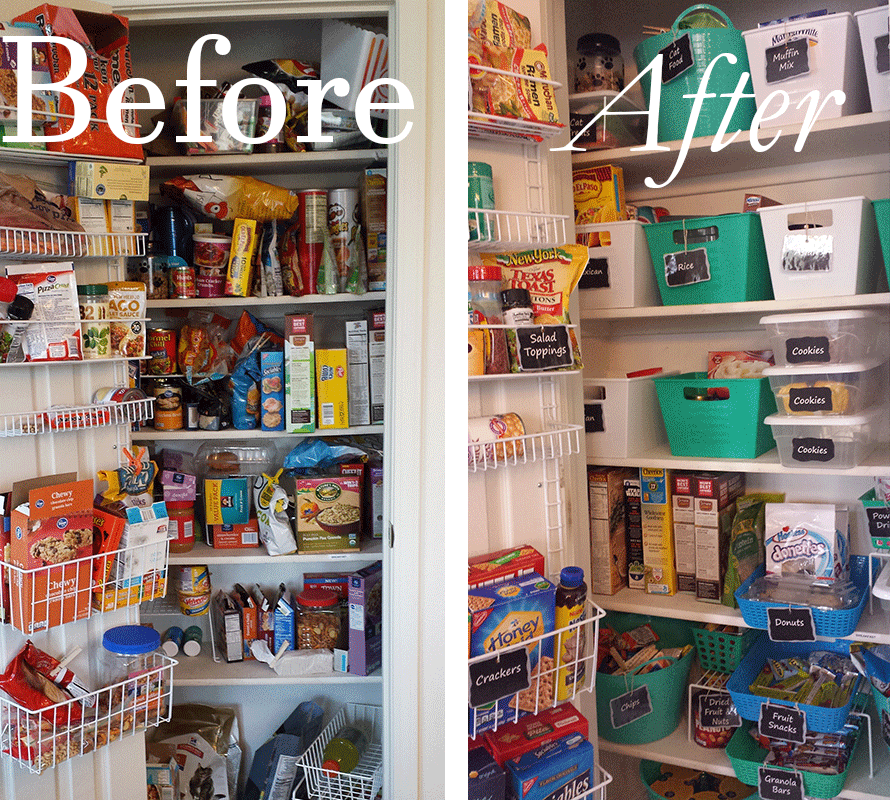
Credit: medium.com
Assessing Your Pantry Space
Assessing your pantry space helps you organize better. Start by categorizing items into groups like grains, snacks, and canned goods. Use clear containers and labels for easy access and visibility.
Assessing your pantry space is the first step to creating order. It helps you understand how to use the space efficiently. Start by examining what you have and where you keep it. This helps identify the areas needing improvement.Evaluate Current Storage
Look at the shelves, bins, and baskets you currently use. Are they effectively holding items? Check for any wasted space. Consider height and depth when assessing their usefulness. Maximize vertical space with stackable containers. This simple change can increase storage capacity.Identify Problem Areas
Spot the cluttered spots in your pantry. These areas often hide behind other items. Are cans falling off the shelves? Or is it hard to reach spices? Pinpoint where things pile up or get lost. Once identified, focus on solutions. Use labels, dividers, and clear containers to resolve these issues. Organizing these problem areas simplifies finding and retrieving items.Decluttering Essentials
Organize your pantry by grouping similar items together. Use clear containers for easy identification. Label shelves to keep everything in its place.
Organizing a pantry can transform not just your kitchen, but the way you cook and eat. However, before you can enjoy the benefits of a perfectly arranged pantry, you need to tackle the most crucial step: decluttering. Decluttering essentials help you reduce chaos and make space for what truly matters. Dive into the process with a focused mindset and see how a few simple adjustments can make a world of difference.Sorting And Categorizing
Start by emptying your pantry completely. This allows you to see everything you have and decide how to organize items effectively. Group similar items together, such as canned goods, grains, and snacks. Label each category clearly. Use baskets or bins to keep items together and easy to find. This creates a system that not only looks tidy but also makes meal planning a breeze.Deciding What To Keep Or Toss
As you sort, check expiration dates and condition of the items. If something is past its prime or you haven’t used it in months, consider letting it go. This is a chance to clear out the clutter and make room for what you really need. Ask yourself, “Will I use this in the next month?” If not, it might be time to toss or donate it. Keeping only what you use and love helps maintain a clean and functional pantry. Remember, a well-organized pantry isn’t just about aesthetics. It’s about creating a space that supports your lifestyle and culinary goals. Are you ready to embrace the change and enjoy a more efficient kitchen?
Credit: food52.com
Selecting Storage Solutions
Organize a pantry by using clear containers for easy access and visibility. Group items by category to simplify locating them. Install adjustable shelving to maximize space and accommodate various sizes.
Selecting the right storage solutions transforms a cluttered pantry into a neat space. Thoughtful organization creates an efficient and pleasant kitchen experience. Begin by assessing your pantry’s size and layout. Then, determine what you need to store. This helps you choose the best storage options for your needs.Choosing The Right Containers
Containers keep items fresh and organized. Transparent containers work best for quick identification. Look for containers with airtight lids to preserve food quality. Stackable containers save space and maintain order. Label each container clearly. This makes finding items easy and prevents confusion. Consider using uniform containers for a streamlined look.Space-saving Shelving Options
Shelving maximizes vertical space. Adjustable shelves offer flexibility for different item sizes. Install pull-out shelves for easy access to deep pantry areas. Wire shelves allow visibility and airflow. Consider corner shelves to use every inch of space. Add tiered racks for canned goods. These keep labels visible and organized. Use under-shelf baskets to create additional storage.Effective Labeling Techniques
Organizing a pantry can feel overwhelming. Effective labeling techniques make it easier. Labels help you find items quickly. They also keep your pantry neat and tidy. With the right labels, you save time and reduce stress.
Types Of Labels
There are various labels you can use in a pantry. Chalkboard labelsare popular and reusable. Write with chalk, then wipe clean when needed. Printed labelslook neat and professional. Use a label maker for these. Handwritten labelsadd a personal touch. Use a permanent marker for clarity. Color-coded labelshelp categorize items easily. Assign colors to different food groups. Choose the type that suits your style and needs.
Best Practices For Labeling
First, use clear and legible fonts. This makes reading labels easy for everyone. Second, place labels at the front of containers. This way, you can see them without moving items. Third, use consistent terminology. For example, always use “rice” instead of “white rice” or “brown rice.” Fourth, update labels regularly. This ensures they match the contents. Finally, keep labels simple. Avoid long descriptions; a single word often suffices.
Organizing By Food Type
Organizing by food type simplifies pantry management. Group similar items like grains, canned goods, and snacks together. This method saves time and reduces clutter.
Organizing your pantry by food type can be a game-changer in maintaining an efficient and visually pleasing space. When you know exactly where each item belongs, meal prep becomes a breeze, and grocery shopping is more efficient. It’s not just about neatness; it’s about creating a system that works for you and your household.Grouping Similar Items
Start by grouping similar items together. Think about how a grocery store arranges products. Canned goods in one section, baking supplies in another. This approach helps you easily locate items when you need them. Imagine opening your pantry and instantly spotting the pasta or cereal without rummaging through a sea of unrelated items. You can even take this a step further by using clear containers or labels. This way, you’ll never mistake powdered sugar for flour again.Utilizing Zones
Create zones in your pantry to maximize its usability. Assign specific shelves or areas for different categories, such as snacks, breakfast foods, or spices. This method reduces clutter and keeps everything at your fingertips. Consider placing frequently used items at eye level for easy access. Reserve the higher or lower shelves for less frequently used items. By creating these zones, you’re not just organizing your pantry; you’re optimizing your cooking experience. How would it feel to open your pantry and find everything in its designated place, ready to make your next culinary masterpiece? By organizing by food type, you’re not only saving time but also reducing stress in your daily routine.Maintaining Pantry Organization
Organize a pantry by categorizing items into groups like grains, canned goods, and snacks. Use clear containers and labels for easy access. Regularly check for expired products to keep your pantry tidy and fresh.
Maintaining a tidy pantry is more than arranging items on shelves. It involves creating a system that ensures everything is easy to find and use. Without regular attention, a pantry can quickly become chaotic. Keeping it organized is key to efficient meal prep and minimizing waste. Here are some effective strategies for maintaining pantry organization.Routine Checks And Cleanups
Regular checks keep your pantry fresh and functional. Set a monthly reminder to inspect all items. Look for expired or damaged goods. Remove them immediately to free up space. Cleaning shelves and containers during checks prevents dust build-up. It keeps your pantry hygienic and pleasant. Clear labeling is vital. It helps you quickly identify contents and expiry dates.Restocking Strategies
Smart restocking avoids clutter and wasted food. Keep a running list of essential items. Update it as you notice shortages. Purchase items in bulk only if you have space. Store new items at the back and older ones at the front. This encourages using older products first. Choose clear containers for grains and cereals. Transparent storage lets you see contents and quantities easily.Expert Tips For Small Pantries
Maximize small pantry space by using clear containers for visibility and stackability. Install shelves at varied heights for optimal storage. Organize items by category to simplify access and maintain order.
Organizing a small pantry can feel challenging. Limited space requires smart strategies. Experts offer practical tips to make every inch count. You can find space you never knew you had with their help. Let’s explore some effective methods to keep your pantry neat and accessible.Maximizing Vertical Space
Use vertical space to your advantage. Install adjustable shelves to fit items of different heights. Consider stacking bins or baskets. They help in grouping similar items together. Use the back of the door for storage. Hooks or racks can hold spices or cleaning supplies. Try tiered shelves for canned goods. This makes it easy to see everything at a glance. Use risers to stack items without stacking directly on top of each other. This can double your shelf space instantly. Every inch of vertical space matters.Creative Storage Hacks
Think creatively about storage solutions. Use clear containers for dry goods. They keep food fresh and let you see contents easily. Label everything. This helps to find things quickly and know when you are low on supplies. Magnetic strips on walls can hold small metal items. Use tension rods to create dividers in larger spaces. A lazy Susan can make reaching items in deep shelves easier. Baskets and bins keep small items together. Consider using stackable storage to make the most of limited space. These clever ideas can transform your small pantry into an organized haven.
Credit: food52.com
Frequently Asked Questions
In What Order Should A Pantry Be Organized?
Organize a pantry by grouping similar items together. Place frequently used items at eye level for easy access. Store heavy items on lower shelves. Use clear containers for visibility and label everything. Arrange items by expiration date, with older items in front.
Keep the space clean and clutter-free.
What’s The Best Way To Organize A Pantry?
Sort items by category and frequency of use. Use clear containers and labels for easy identification. Place heavy items on lower shelves and lighter ones on top. Regularly rotate and declutter to maintain order. Keep frequently used items within easy reach for convenience.
What Are The 7 Pantry Zones?
The 7 pantry zones are: Baking, Breakfast, Cans and Jars, Dry Goods, Snacks, Condiments, and Paper Goods. Organizing these zones ensures efficient storage and easy access to items, enhancing kitchen functionality.
How Do I Group Items In My Pantry?
Group pantry items by category: grains, canned goods, spices, snacks, and baking supplies. Use clear labels for easy access. Keep frequently used items at eye level for quick retrieval. Organize similar items together to maximize space and maintain order. Regularly check expiration dates to ensure freshness.
Conclusion
Organizing a pantry can simplify your life. A tidy space saves time. Always group similar items together. Use clear containers for easy visibility. Label everything to avoid confusion. Regularly check expiration dates. Donate what you don’t need. Keep snacks within reach for quick access.
Arrange items by frequency of use. A clutter-free pantry reduces stress. Enjoy the satisfaction of an organized space. Remember, consistency is key. Regular upkeep maintains order. Small steps lead to big changes. Your pantry can become a functional and inviting area.
Happy organizing!

I’m Abby Lu, a passionate home cook who loves simplifying everyday meals. At PlugChef.com, I share product reviews and cooking guides to help you find the best tools for your kitchen.
Related posts:
 What Type of Cooking Utensils are Safe: Expert Picks
 What Innovations Could Blenders Make: Unleashing Future Tech
 Smart Strategies to Organize a Small Kitchen: Maximize Space
 How to Organize a Kitchen Cabinet: Expert Tips & Tricks
 How to Organize Kitchen Drawers: Expert Tips and Tricks
 How to Organize a Corner Kitchen Cupboard: Expert Tips